Table of Contents
Embarking on the entrepreneurial journey often brings with it a powerful blend of excitement and apprehension. For many, securing the necessary financing to acquire an existing business is a significant hurdle, with the complexity of loan applications and financial jargon often proving daunting.
How do I get a loan to buy an existing business? This common question underscores the uncertainty many new entrepreneurs face. What if there was a clearer, more structured process that demystifies small business acquisition loans and empowers you to confidently fund your aspirations?
For experienced entrepreneurs like Eleanor, seeking to diversify or expand their portfolio, the need extends beyond just funding; it’s about finding efficient pathways that minimize operational burden and maximize financial returns. Acquiring an existing franchise, especially one with a proven model like CoolVu, offers unique advantages.
This route often streamlines the financing process, providing a credible business framework that lenders view favorably, making it easier to answer the question, “How do I get a loan to buy an existing business?”

This article serves as your comprehensive guide, illuminating the various franchise financing options available. It demonstrates how, with the right knowledge and a solid partner, securing funding is an achievable step towards confidently embarking on your entrepreneurial journey.
Navigating the Financing Landscape for Business Acquisition
The world of business acquisition can seem like a dense forest, especially when it comes to finding the financial clearing. Many aspiring business owners, and even seasoned entrepreneurs looking to expand, initially face the challenge of understanding where to begin with funding. How do I get a loan to buy an existing business? For many, that question marks the beginning of a complex but navigable journey. They might worry about their credit history, the size of the loan required, or simply the sheer volume of paperwork. These are valid concerns, but they are not insurmountable obstacles. How do I get a loan to buy an existing business? It’s a question many first-time buyers ask when faced with these early hurdles.
Why Franchises Offer a More Secure Financing Path
Acquiring an existing business, particularly through a franchise model, introduces unique advantages that can simplify the financing journey. Unlike starting a business from scratch, a franchise often comes with an established brand, a proven operational system, an existing customer base (in the case of an existing unit), and validated financial projections.
This inherent stability and predictability make a franchise opportunity significantly more attractive to lenders, who are constantly seeking to mitigate risk. For an entrepreneur like Eleanor, this translates into less time spent proving a novel concept and more on leveraging an established one for predictable growth and higher financial returns.
There are several distinct avenues for securing financing, each with its own set of requirements, benefits, and considerations. Understanding these different business acquisition loans is not just about knowing options; it’s about choosing the right financing strategy that aligns with your financial situation, risk tolerance, and entrepreneurial goals. The journey to becoming a business owner, whether you’re new to the game or expanding an existing portfolio, becomes far less intimidating when armed with clear, actionable information about your funding choices.
Understanding Your Options: Types of Loans for Buying a Business
Securing the capital for your business acquisition is arguably the most critical step after identifying the right opportunity. The financial world offers a diverse array of lending solutions tailored for entrepreneurs, and understanding these options is paramount to making an informed decision. How do I get a loan to buy an existing business? The answer starts with exploring programs like SBA 7(a), traditional bank loans, and alternative strategies such as ROBS or private lending.
But before diving into each one, you might be asking yourself: how do I get a loan to buy an existing business in today’s lending environment? Let’s break down the primary types of franchise funding available.
SBA Loans: The Entrepreneur’s Best Friend
When it comes to SBA loans for buying a business, the Small Business Administration (SBA) acts as a guarantor for loans made by conventional lenders. This government backing significantly reduces the risk for banks, making them more willing to lend to small businesses that might not otherwise qualify for traditional financing. The SBA doesn’t lend money directly (except in disaster situations); instead, it sets guidelines for loans, which are then issued by its partner lenders. The most popular and versatile program for business acquisition is the SBA 7(a) loan. How do I get a loan to buy an existing business using an SBA loan? By meeting eligibility criteria, preparing thorough documentation, and choosing a lender experienced in business acquisitions.
Eligibility Criteria for SBA 7(a) Loans and Other SBA Programs
To qualify for an SBA 7(a) loan, your business must operate for profit, be located in the U.S. or its territories, have reasonable owner equity to invest, and utilize alternative financial resources, including personal assets, before seeking SBA assistance. Your personal credit score, business financials (if applicable), and your capacity to repay the loan will all be rigorously scrutinized.
The business must also meet the SBA’s definition of “small,” which varies by industry. Beyond the 7(a) program, the SBA offers 504 loans for major fixed assets like real estate, and microloans for smaller amounts, though the 7(a) is most commonly used for business acquisition.
Advantages of SBA Loans
One of the primary advantages of SBA loans is their attractive terms, often featuring lower interest rates than conventional loans due to the government guarantee. Repayment terms are also notably longer, sometimes extending up to 10 years for working capital and business acquisition, and up to 25 years for real estate. This extended repayment period translates into lower monthly payments, significantly improving your cash flow during the critical initial phases of business ownership.
Furthermore, the down payment requirements can be lower, typically ranging from 10-25%, making business ownership more accessible. For a proven model like CoolVu, the stability and comprehensive support systems can further bolster a lender’s confidence in an SBA application, potentially streamlining the approval process.
Disadvantages of SBA Loans
While highly beneficial, SBA loans do come with some drawbacks. The application process can be notoriously lengthy and complex, requiring substantial documentation and several months for approval. This extended timeline might not be suitable for business acquisitions that require a rapid closing. If speed is a priority, many entrepreneurs return to the question: how do I get a loan to buy an existing business quickly and efficiently? Additionally, the SBA has strict eligibility requirements and certain restrictions on how the funds can be used. Entrepreneurs must be prepared for detailed scrutiny of their business plan and personal finances.
Specific Examples of How SBA Loans Have Helped CoolVu Franchisees
Consider Eleanor, a seasoned entrepreneur with an existing portfolio who sought to add a high-growth franchise like CoolVu. She initially had concerns about traditional bank lending limits for her next venture. By leveraging an SBA 7(a) loan, Eleanor was able to secure favorable terms, including a longer repayment period and a manageable down payment.
The lender was confident in her application due to CoolVu’s established brand, comprehensive training, and robust support systems, seeing it as a lower-risk investment compared to an unproven startup. This allowed Eleanor to acquire a multi-territory CoolVu operation, efficiently expanding her investment portfolio with a clear pathway to profitability.
Such instances demonstrate how small business acquisition loans through the SBA can unlock significant opportunities for entrepreneurs partnering with reputable franchise systems.

Traditional Bank Loans: What You Need to Know
Beyond SBA-backed options, many entrepreneurs turn to conventional bank loans for franchise funding. These are loans directly from banks, often suitable for well-established businesses or those with strong collateral and financial histories.
For those asking, how do I get a loan to buy an existing business without government assistance? Traditional bank financing can be a viable route—provided the borrower meets strict credit and collateral requirements.
Requirements for Securing a Traditional Bank Loan
Securing a traditional bank loan typically demands a strong financial profile. Lenders will rigorously evaluate your personal credit score, often requiring a score of 680 or higher, along with your collateral (assets pledged to secure the loan), and your overall financial history, including existing debt and assets. They will also delve deep into your business plan, seeking evidence of its viability and your capacity to manage the venture successfully.
A substantial down payment, often 20-30% or more, is generally expected. Banks will also look for a solid debt service coverage ratio to ensure you can meet your repayment obligations.
Comparing Interest Rates and Terms Offered by Different Banks
Interest rates and terms for traditional bank loans can vary significantly between financial institutions. It’s crucial to shop around and compare offers. Factors influencing these terms include your creditworthiness, the loan amount, the term length, and the bank’s internal lending policies. While traditional loans might have higher interest rates or shorter repayment periods compared to SBA loans, their approval process can sometimes be quicker, appealing to entrepreneurs needing faster access to capital.
The Role of a Strong Business Plan in Securing Bank Financing
A robust business plan is the cornerstone of any successful loan application, especially for traditional bank financing. It’s more than just a document; it’s your roadmap and your sales pitch to the lender. For franchise financing options, your plan must clearly articulate the market opportunity, demonstrate your understanding of the target demographic, detail your operational strategy, and provide realistic financial projections.
Lenders want to see how you intend to generate revenue, manage expenses, and ultimately repay the loan. Highlighting the strength of the CoolVu franchise model – its proven success, comprehensive support, and market demand – can significantly enhance your business plan’s credibility.
How a Proven Franchise Model like CoolVu Enhances Loan Approval Chances
Lenders inherently seek to minimize risk. A proven business model like CoolVu’s, backed by founders with three decades of unparalleled window industry and franchise development experience, offers a substantial advantage. It demonstrates a history of success, a refined operational system, and a robust support structure that significantly reduces the uncertainty associated with new ventures.
Banks view this stability favorably, often translating into better loan terms, higher approval rates, and a more streamlined process for CoolVu franchisees compared to independent startups. This aligns perfectly with an entrepreneur’s desire for efficient pathways and minimized operational burden, as exemplified by Eleanor.
Portfolio & Rollover for Business Startups (ROBS) Funding
For entrepreneurs with substantial retirement savings, a less conventional but highly effective financing strategy is available: Rollover for Business Startups (ROBS) funding. This approach allows you to use your existing 401(k), IRA, or other retirement funds to finance your business acquisition without incurring taxes or early withdrawal penalties. It’s an important consideration if you’ve ever asked, how do I get a loan to buy an existing business without relying on outside lenders.
Explaining ROBS as a Financing Option for Acquiring a Franchise
ROBS essentially involves establishing a new C-Corporation, which then sponsors a new 401(k) plan. You then “roll over” your existing retirement funds into this new 401(k) plan. The C-Corp can then use these funds to purchase stock in the company, providing capital for your franchise acquisition.
This isn’t a loan in the traditional sense; it’s an investment of your own retirement funds directly into your business. For an entrepreneur like Eleanor, this can represent a significant source of equity funding, especially if she has substantial retirement savings she wishes to redeploy into a high-growth asset.
Advantages and Disadvantages of Using ROBS for Business Acquisition
The primary advantage of ROBS is the ability to leverage your own capital without incurring debt or needing to qualify for external loans. This means no interest payments, no strict lender repayment schedules, and potentially a faster funding process. It provides significant liquidity and flexibility. However, the main disadvantage is the inherent risk: if your business fails, you stand to lose your retirement savings, and the setup and compliance requirements are complex, necessitating specialized guidance. Still, for those with access to significant retirement savings, the question remains: how do I get a loan to buy an existing business without traditional debt?
When ROBS Is a Suitable Option and When It’s Not
ROBS is a suitable option for individuals with significant retirement savings who are confident in their business plan and comfortable with the associated risk. It’s particularly attractive for those who may have difficulty securing traditional financing or wish to avoid taking on additional debt.
However, it’s not suitable for everyone. If you’re risk-averse, have limited retirement savings, or prefer to keep your retirement funds separate from your business ventures, other financing options might be more appropriate.
Compliance and Regulatory Aspects of ROBS
Strict adherence to IRS and Department of Labor regulations is critical when using ROBS. Improperly structured or managed ROBS plans can lead to severe penalties, including taxes and fines. This includes ensuring the business is a C-Corporation, the 401(k) plan is properly established and maintained, and there are no prohibited transactions. Working with experienced ROBS facilitators is non-negotiable to navigate these complex regulatory waters safely and effectively.
Alternative Lending Solutions
In addition to traditional and SBA-backed loans, the financing landscape has expanded to include a variety of alternative lending solutions. These options can be particularly useful for entrepreneurs who may not qualify for conventional bank loans or who need faster access to capital.
Exploring Options Like Private Lenders and Online Lenders
Alternative lenders encompass a broad category, including private lenders, venture capitalists, crowdfunding platforms, and a growing number of online lenders. Online lenders, in particular, have carved out a niche by offering streamlined application processes, faster approval times, and flexible funding options. They often use alternative data points, beyond traditional credit scores, to assess creditworthiness, making them accessible to a wider range of businesses. Debt financing through these channels can bridge gaps where traditional banks might hesitate.
Advantages and Disadvantages of Alternative Lending Solutions
The key advantage of alternative lending is speed and accessibility. Many online lenders can provide decisions and funds within days, which can be crucial for time-sensitive acquisitions. Their eligibility criteria can also be more flexible. However, these benefits often come at a cost. The disadvantages typically include higher interest rates, shorter repayment terms, and sometimes additional fees compared to SBA or traditional bank loans. The terms can vary wildly, so careful scrutiny is essential.
Interest Rates and Terms Associated with Alternative Financing
Interest rates for alternative lending solutions can range from competitive to significantly higher, often influenced by the perceived risk of the borrower and the speed of funding. For instance, a short-term merchant cash advance might have a very high effective APR, while a longer-term loan from a private lender might be more moderate. Repayment terms are also generally shorter, often ranging from a few months to a few years, which can place greater pressure on your business’s cash flow.
Considering Alternative Lending for Experienced Entrepreneurs like Eleanor
For an experienced entrepreneur like Eleanor, alternative lending can serve as a strategic tool. She might need bridge financing while waiting for a traditional loan to close, or perhaps requires a smaller, specific capital injection that doesn’t warrant the lengthy application process of an SBA loan.
While the costs associated with alternative lending might be higher, the speed and flexibility can sometimes outweigh this, especially if it means seizing a fleeting opportunity or avoiding significant operational delays. Eleanor would evaluate these options critically, weighing the cost against the efficiency and strategic advantage they offer for maximizing her overall investment and profitability.
Preparing Your Application: Key Requirements for Lenders
Regardless of the financing path you choose, a meticulously prepared application is your most powerful asset. Lenders are looking for confidence, clarity, and competence. They want to see that you understand your business, your market, and your financial obligations. This preparation is especially crucial for securing business acquisition loans, as it demonstrates your readiness to take on a significant financial commitment.
Building a Robust Business Plan
A well-crafted business plan is more than just a formality; it’s the narrative that convinces lenders your venture is sound and worthy of investment. For a franchise acquisition, your plan must weave together your personal vision with the proven framework of the franchise system.
Essential Components of a Compelling Business Plan for a Franchise Acquisition
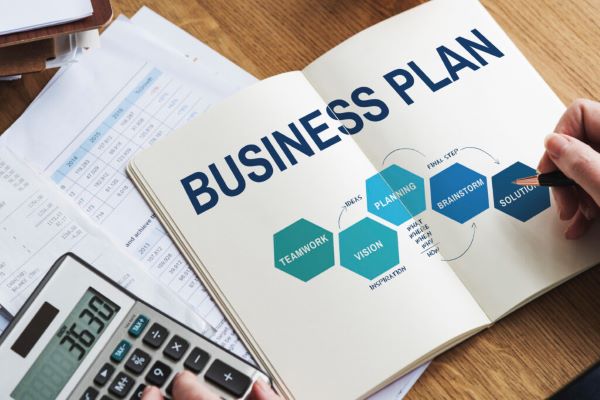
Your business plan should typically include an executive summary, company description, market analysis, organization and management structure, service or product line, marketing and sales strategy, and detailed financial projections. For a franchise, you’ll also integrate information about the franchisor, including their history, support systems, and the specific franchise agreement. It’s crucial to articulate how you, as the franchisee, will leverage the established brand to achieve success.
Demonstrating Market Analysis and Understanding of the Target Demographic
Lenders need to see that you’ve done your homework. Your market analysis should clearly define your target customers, their needs, and how the CoolVu product or service meets those needs within your specific territory. Provide data on market size, growth trends, and competitive analysis. Demonstrate a deep understanding of your local market conditions and how the CoolVu brand is positioned for success within it. This shows foresight and a grounded understanding of the opportunity.
Projecting Revenue and Expenses Realistically
Financial projections are where many plans falter; lenders are looking for realism, not aspiration. Provide detailed, justifiable projections for revenue, expenses, cash flow, and profitability for at least three to five years. Base these projections on actual CoolVu Franchise performance data, often available in the Franchise Disclosure Document (FDD), and adjust them for your specific market conditions.
Showing sensitivity analysis – what happens if sales are lower than expected, for instance – demonstrates financial prudence and a thorough understanding of your potential profitability.
Highlighting the CoolVu Franchise’s Proven Track Record and Support Systems
This is a critical section for any franchise acquisition. Emphasize CoolVu’s three decades of experience in the window industry and franchise development. Highlight how CoolVu’s robust sales, marketing, and cultural onboarding program will equip you for success.
Detail the continuous learning opportunities, such as ongoing masterminds and rotating courses, and the strong community fostering shared learning. This robust support system is a powerful signal to lenders that their investment is well-protected by a franchisor committed to franchisee success.
Incorporating Financial Statements Accurately Reflecting the Business’s Potential
Your business plan should include pro forma financial statements, including income statements, balance sheets, and cash flow statements, aligned with your projections. If acquiring an existing CoolVu unit, include its historical financial performance. These statements, accurately presented, provide a quantitative snapshot of the business’s potential and your ability to manage its finances effectively.
Personal Financial Readiness
Beyond the business itself, lenders will scrutinize your personal financial health. Your readiness on this front speaks volumes about your discipline, reliability, and capacity to withstand initial business fluctuations.
The Importance of a Strong Personal Credit Score and Financial History
A strong personal credit score (generally 680+ for most conventional bank loans) is non-negotiable. It serves as a report card on your past financial behavior and your reliability as a borrower. Lenders will pull your credit report to assess your payment history, outstanding debts, and overall credit utilization. A clean financial history demonstrates trustworthiness and significantly improves your chances of loan approval and securing favorable terms for debt financing.
Demonstrating Sufficient Personal Assets or Equity for Investment
Lenders expect you to have some “skin in the game.” This means demonstrating sufficient personal assets or equity to cover the required down payment and provide working capital until the business becomes self-sufficient. This could include cash savings, investments, or other liquid assets. Showing a personal investment signals your commitment and confidence in the venture.
Managing Personal Debt to Improve Loan Approval Chances
High personal debt can raise red flags for lenders, indicating potential financial strain. It’s advisable to manage and, if possible, reduce personal debt before applying for a business loan. A favorable debt-to-income ratio reassures lenders that your personal finances are stable and won’t unduly impact your ability to focus on and fund your business.
The Role of Personal Financial Statements in the Application Process
You will typically be required to submit personal financial statements, detailing your assets, liabilities, and net worth. This provides lenders with a holistic view of your financial standing and capacity. Ensure these statements are accurate and up-to-date, reflecting a clear picture of your personal financial readiness for the investment.
Understanding Collateral and Guarantees
Collateral and personal guarantees are crucial components of most loan agreements, serving as safeguards for lenders against default. Understanding their role is vital for any prospective business owner.
Types of Collateral That Lenders May Require
Collateral refers to assets pledged by the borrower to secure a loan. If the borrower defaults, the lender has the legal right to seize these assets. Common types of collateral include real estate (both personal and business), equipment, accounts receivable, and inventory.
For a franchise acquisition, the business’s assets themselves, once purchased, can sometimes serve as collateral. The specific type and amount of collateral required will depend on the loan type, lender policies, and your financial profile.
Personal Guarantees and Their Implications
A personal guarantee makes you personally liable for the business debt if the business defaults. This means that even if your business is structured as a separate legal entity (like an LLC or corporation), your personal assets could be at risk. Most SBA 7(a) and traditional bank loans for small businesses will require a personal guarantee from all owners with a significant stake in the business (typically 20% or more). This commitment underscores your personal belief in the business’s success and provides an added layer of security for the lender.
Minimizing Risk by Having a Solid Business Plan and Financial History
While collateral and guarantees are often unavoidable, a strong business plan, robust financial projections, and a solid personal financial history can help mitigate the perceived risk for lenders. When they see a meticulously planned venture with a high probability of success, they may be more flexible with collateral requirements or offer more favorable terms. This is where the inherent strength of a CoolVu Franchise opportunity, with its proven model, becomes a distinct advantage.
The Impact of the CoolVu Franchise’s Established Brand on Securing Collateral
The established brand and proven operational success of a CoolVu Franchise can indirectly influence collateral requirements. Lenders understand that investing in a franchise with a proven track record carries less inherent risk than an independent startup. This reduced risk profile can sometimes lead to more favorable collateral discussions or an easier path to securing financing, as the brand itself acts as a form of intangible assurance regarding the business’s viability and future cash flow potential.
The CoolVu Advantage: Investing in a Proven Business Model Lenders Trust
When evaluating a business opportunity, lenders look for assurance – a reduced risk profile, a clear path to profitability, and a capable leadership team. This is precisely where the CoolVu franchise stands out, offering a compelling narrative that attracts favorable lending terms and builds confidence.
CoolVu’s foundation rests on its founders’ three decades of unparalleled window industry and franchise development experience. This deep expertise isn’t just a historical footnote; it translates into a highly refined and resilient business model. Lenders recognize that a franchisor with such extensive experience has likely navigated numerous market conditions, optimized operations, and built a system designed for sustainable success. This foundational authority significantly de-risks the investment, making franchise development with CoolVu a more secure proposition in the eyes of financial institutions.
Comprehensive Support and Training for Franchisee Success
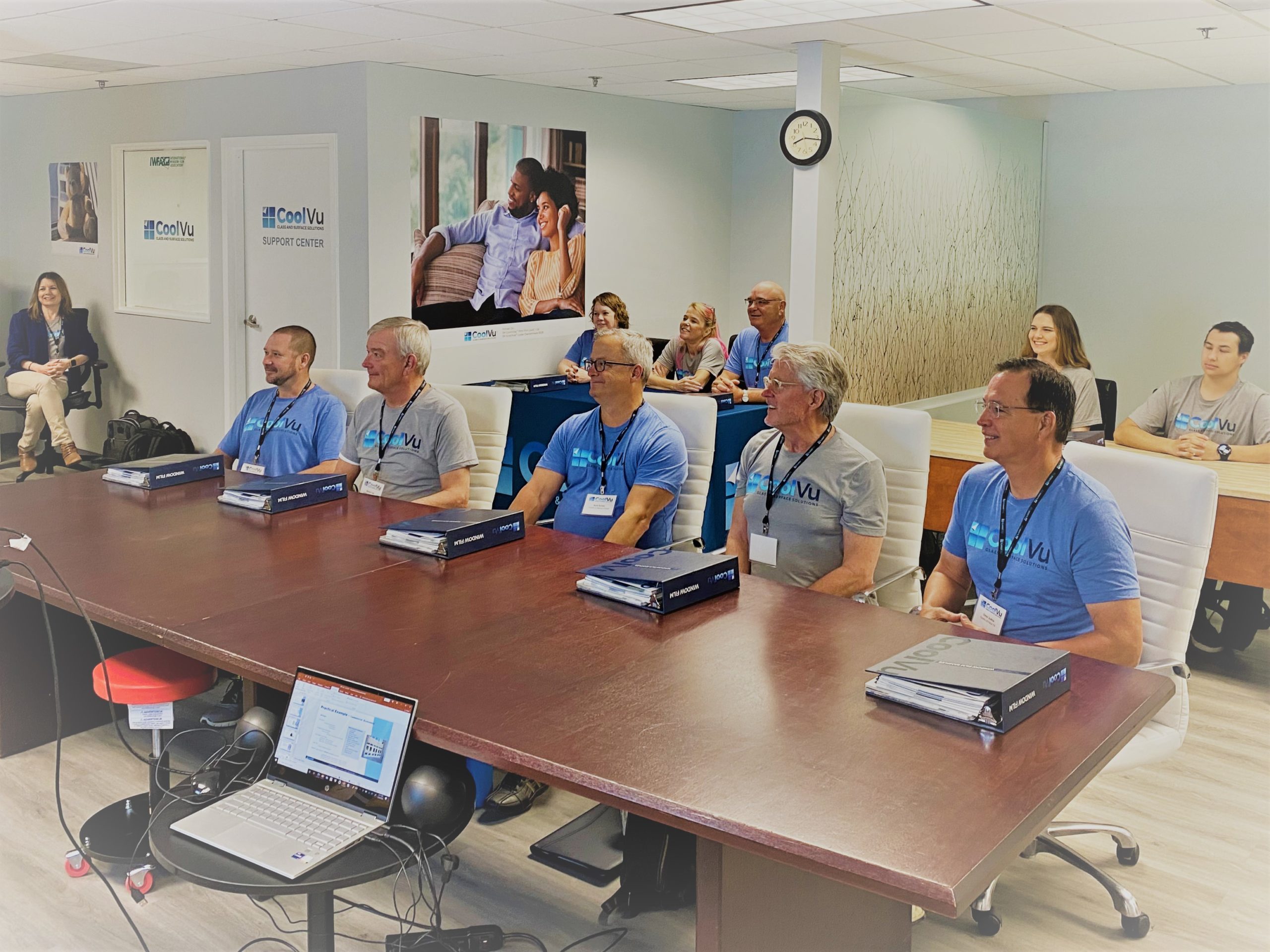
Furthermore, CoolVu offers a robust sales, marketing, and cultural onboarding program that equips every franchisee, regardless of prior experience, for success. This isn’t merely a training manual; it’s a comprehensive ecosystem designed to ensure immediate and sustained growth. From cutting-edge marketing strategies that drive customer acquisition to a supportive culture that fosters collaboration and continuous improvement, this program minimizes the steep learning curve often associated with new business ventures.
Lenders appreciate this level of operational support because it directly impacts a franchisee’s ability to generate revenue and repay their loans, thus reducing lender risk. For experienced entrepreneurship like Eleanor’s, this translates into a minimized operational burden, allowing her to focus on strategic growth rather than day-to-day tactical execution.
Proven Track Record and Ongoing Growth
The proven track record of CoolVu franchise success stories across the country is perhaps the most powerful testament to its viability. With four years of experience launching new window film and tinting franchise territories and a community built on shared learning and continuous improvement through masterminds and annual conferences, CoolVu demonstrates consistent growth and profitability.
This tangible evidence of success provides concrete data points for lenders, allowing them to underwrite loans with greater confidence. They see a system that works, operated by individuals who are well-supported and consistently achieving their goals.
Ultimately, CoolVu’s comprehensive support system – from initial training to ongoing operational guidance and marketing assistance – directly reduces lender risk. By providing a clear roadmap to profitability and a strong safety net, CoolVu makes the investment more secure.
This inherent stability and comprehensive backing mean that the CoolVu business model isn’t just attractive to entrepreneurs; it actively attracts favorable lending terms. This makes the path to ownership smoother and more accessible for aspiring and seasoned business owners alike. Investing in CoolVu isn’t just buying a business; it’s buying into a system that financial institutions trust.
Next Steps: Securing Your Future as a CoolVu Franchise Owner
The journey to funding your business acquisition, while seemingly intricate, is a structured process with multiple viable avenues. We’ve explored the diverse landscape of financing options, from the government-backed security of SBA loans for buying a business to the strategic leverage of your own retirement funds through ROBS, and the flexibility of alternative lending. We’ve also highlighted the critical importance of a meticulously prepared application, underpinned by a robust business plan and personal financial readiness.
The single most important message you should take away is this: securing financing for a business or franchise acquisition is an achievable goal. Understanding these options is the crucial first step towards confidently funding your entrepreneurial journey. And when that journey involves a proven system like CoolVu, with its three decades of founder experience, robust support programs, and a demonstrable track record of success, you’re not just acquiring a business; you’re investing in a secure and profitable future that lenders recognize and respect.
Partnering with CoolVu for a Confident and Supported Franchise Journey
At CoolVu, we believe in empowering entrepreneurs. We understand that the financing phase can be a pivotal point, and we are committed to providing guidance and resources every step of the way. If you’ve been wondering, “How do I get a loan to buy an existing business?”, our team can help you navigate the application process, connect you with preferred lenders familiar with the CoolVu model, and address any questions or concerns you may have about franchise funding.
With CoolVu, you gain a partner dedicated to your success, offering a comprehensive package designed to lead to greater profitability and minimized operational burden for entrepreneurs, much like Eleanor’s experience.
Ready to explore a franchise opportunity that’s worth the investment? Contact CoolVu Franchise today to discuss how our proven system can lead to greater profitability and how we can support you through every step, including financing guidance. Take the next step towards confidently funding your entrepreneurial journey with a proven system like CoolVu.
Frequently Asked Questions
What are the main types of loans available for buying an existing business or franchise?
The primary types of loans for buying an existing business or franchise include government-backed SBA loans (like the SBA 7(a) program), conventional bank loans, and alternative options such as Rollover for Business Startups (ROBS) funding or loans from private and online lenders. Each option has distinct eligibility criteria, interest rates, and repayment terms.
How do SBA loans differ from traditional bank loans for business acquisition?
SBA loans are government-guaranteed loans issued by conventional lenders, which reduces risk for banks and often leads to more favorable terms for borrowers, such as lower interest rates and longer repayment periods. Traditional bank loans are direct loans from banks, typically requiring a stronger financial profile, higher down payments, and often having stricter collateral requirements. The application process for SBA loans can also be more lengthy.
Can I use my retirement funds to buy a franchise?
Yes, you can use your retirement funds through a strategy called Rollover for Business Startups (ROBS). This allows you to invest your existing 401(k) or IRA into a new C-Corporation that then funds your business acquisition.
Looking for a shortcut to business ownership? Check out a CoolVu franchise resale to step into a running business and hit the ground fast.
More posts:
- Home Based Franchise Opportunities – Discover scalable, low-overhead businesses like CoolVu you can run from home.
- Best Home-based Franchise – CoolVu offers a top-rated, flexible business you can run from home.
- Window Covering Franchise – CoolVu specializes in window films and coverings with high market demand.