
Table of Contents
The best franchises for entrepreneurs in 2026 combine a proven business model, strong franchisor support, and stable demand in recession-resistant sectors. Affordable pricing is a key consideration for entrepreneurs evaluating franchise opportunities, as it can make entry more accessible and improve long-term profitability. Many of the top franchise brands have a significant presence across the country, offering national recognition and support. Leading franchises are also recognized around the world for their global reach and reputation, making them attractive to entrepreneurs seeking international credibility.
The franchise investment landscape is increasingly attractive due to its potential for lower risk compared to starting a business from scratch, especially in essential service sectors like cleaning and healthcare. One major benefit for franchise owners is the opportunity to experience lower costs, high profit margins, and strong customer loyalty, all of which contribute to the overall success and appeal of franchise opportunities.
This guide covers franchise opportunities across investment ranges and business categories, targeting aspiring business owners who want systematic evaluation methods rather than guesswork. We focus on service-based, technology-enabled, and essential-need franchises that demonstrate consistent performance through economic shifts—while identifying what separates franchise success from franchise failure.
Franchises have an 85% survival rate after five years, with over 90% of franchise owners reporting profitability. These numbers reflect the fundamental advantage of buying into proven systems: you inherit operational playbooks, marketing infrastructure, brand recognition, and ongoing support that independent entrepreneurs must build from scratch.
What you’ll gain from this article:
- Specific franchise recommendations across investment tiers with documented financial performance
- A systematic evaluation framework using Franchise Disclosure Documents (FDD)
- Understanding of which franchise categories offer recession resistance and recurring revenue
- Actionable due diligence steps to verify franchisee satisfaction before signing
- Clear criteria for matching franchise opportunities to your skills and business goals

Understanding Franchise Investment Fundamentals for Entrepreneurs
A truly entrepreneur-friendly franchise reduces your risk while accelerating your path to profitability. This happens through three mechanisms: validated operations you can replicate, territory protection that limits competition, and franchisor resources that would cost hundreds of thousands to develop independently. The perfect franchise offers excellent ROI, consistent recurring revenue, and lifestyle flexibility, often including benefits such as no royalty fees for a certain period and protected territories—making it an ideal opportunity for owners seeking growth and stability. Understanding these fundamentals separates informed investors from those who choose the wrong franchise for their situation and underpins the type of strategic guidance on evaluating and funding franchise businesses that sophisticated entrepreneurs rely on.
Repeat customers are a key driver of revenue and long-term stability in franchise businesses; models that foster loyal, returning clients—such as those in cleaning services, personal care, and hospitality—tend to deliver more consistent income and greater growth opportunities.
Franchises that offer recurring revenue models, such as commercial cleaning and pest control, are particularly appealing to investors due to their predictable income streams and lower operational complexity.
Essential Franchise Success Factors
A proven track record means verifiable performance data—not marketing claims. The Franchise Disclosure Document Item 19 provides actual financial performance representations from existing units. For example, Spring-Green’s FDD discloses average revenue per unit of approximately $943,000 with a median of $747,000 across 75 units. This transparency lets you evaluate whether the business model performs consistently or relies on outlier locations.
Track record also includes system longevity and stability. Spring-Green has been franchising since 1977 with approximately 154 total units—demonstrating sustained demand through multiple economic cycles. Franchises that survive decades prove their model adapts to market changes while maintaining franchisee satisfaction.
Franchisor support quality directly impacts your success probability. Rankings like Franchise Business Review’s Top 200 evaluate training programs, operational assistance, and franchisee satisfaction. Sandler franchise earned Top 200 recognition in 2026 specifically for leadership quality and support metrics—the kind of backing that helps new owners navigate their critical first year, especially when you understand why buying a franchise can be worth it in terms of support and speed to market.
Investment Requirements and Financing Options
Total franchise investment includes components beyond the initial franchise fee: equipment, vehicles, technology systems, inventory, marketing launch costs, and working capital, so it’s essential to understand where to get the capital when purchasing a franchise and how each funding option affects long-term returns. Spring-Green’s total investment runs $117,000–$126,000, including a $50,000 franchise fee plus equipment, inventory, and initial marketing. Understanding the full capital requirement prevents the dangerous scenario of launching undercapitalized.
Ongoing costs affect long-term profitability. Royalty fees typically range from 4%–10% of gross revenue, with advertising fund contributions adding another 1%–3%. Spring-Green charges an 8%–10% sliding royalty plus 2% advertising fund contribution. These percentages compound significantly as revenue grows, so analyzing the fee structure against projected margins matters enormously.
SBA 7(a) loans remain the primary financing mechanism for franchise purchases. Footprints Floors franchisees have accessed SBA financing with a 0% default rate across reported loans—a strong signal of both franchisor quality and franchisee success. Most franchises require liquid capital of $50,000–$150,000 and net worth of $150,000–$500,000 for financing qualification.
Return on Investment Expectations
Payback periods vary dramatically by business model. High-margin service franchises can recoup initial investment in 12–18 months, while brick-and-mortar concepts with significant build-out costs may require 3–5 years. Footprints Floors demonstrates approximately 2.1-year payback on its $97,000 average investment, with some operators achieving payback in 15–16 months.
Cash-on-cash returns measure annual profit against invested capital. The most profitable franchises in 2026 show returns exceeding 100% annually. Pop-A-Lock leads profit rankings with approximately 557.6% return on investment for operators who execute effectively—though such exceptional returns require evaluating whether they represent median performance or top-decile results. Grand Welcome is another example, as its franchise model has delivered a strong ROI over several years, emphasizing the potential for high returns on investment for prospective franchisees.
Service-based franchises typically deliver higher net margins than food service because they avoid real estate costs, heavy equipment depreciation, and large staffing requirements. Spring-Green reports gross margins of 55%–65%, with net margins in the 15%–25% range for efficient operators. These margin profiles explain why service franchises dominate “best franchise” rankings across financial publications.
Understanding these investment fundamentals prepares you to evaluate specific franchise categories with realistic expectations about capital requirements and return potential and to appreciate the strategic advantages of purchasing a franchise versus starting an independent business from scratch.
Top Franchise Categories for Entrepreneur Success
Each franchise category offers distinct advantages depending on your capital availability, risk tolerance, and operational preferences. The categories below represent sectors demonstrating strong growth, franchisee satisfaction, and recession-resistant characteristics heading into 2026. In the home services sector, home repairs franchise brands are recognized as top home repairs franchise options, consistently ranking high on industry lists like the Entrepreneur Franchise 500® due to their proven track record, extensive experience, and large operational scale. Additionally, home inspections are a key service offered by established franchise brands in this sector, further enhancing their credibility and scalability within the real estate market.
Low-Investment High-Return Franchises ($10,000–$50,000)
Home-based and mobile franchise models minimize fixed overhead while maximizing flexibility. These concepts eliminate commercial lease obligations, reduce staffing requirements, and often support semi-absentee ownership for entrepreneurs maintaining other income sources during their transition.
Franchise investments can vary significantly, with some requiring as little as $10,000 in initial capital. Card My Yard operates in this range with a proven model for yard greeting services. Cruise Planners offers travel agency franchising at similar investment levels, benefiting from commission-based revenue without inventory costs. The Knight School provides children’s enrichment programming around $20,000—tapping into the fastest-growing franchise segment with an annual growth rate of 3.2%.
The children’s enrichment franchise segment is currently the fastest-growing category because parents consistently prioritize education spending. The tutoring and education franchise industry exceeds $10 billion in market value with strong focus on STEM education and after-school programming. These franchises provide meaningful business opportunities with steady demand regardless of economic conditions.
Low startup costs mean faster break-even and reduced risk exposure. However, lower investment typically correlates with lower revenue ceilings unless you pursue multi-unit development. Evaluate whether the franchise offers territory expansion paths that match your long-term business goals.
Service-Based Recession-Resistant Franchises
The home services sector continues meeting consumer needs across economic cycles, often operating without a storefront. The U.S. home improvement market exceeds $400 billion, making it a lucrative sector for franchise investments in cleaning, landscaping, and home repair services and one of the industries most likely to franchise alongside food service and hospitality. When people postpone home purchases during uncertain times, they invest in maintaining existing properties instead.
Spring-Green exemplifies this category with lawn care, tree services, and pest control under one system. Their diversified service offering creates multiple revenue streams from the same residential customers while reducing seasonal revenue fluctuations. Commercial accounts add stability since businesses require property maintenance regardless of economic conditions.
The commercial cleaning industry is recognized for its recession-resistant qualities. Businesses cannot defer sanitation, making cleaning franchise operations particularly stable. Franchises offering recurring revenue models—like pest control with predictable household renewals—generate reliable income streams that support consistent cash flow planning.
The senior care franchise market is expected to grow by $57 billion by 2028, driven by aging demographics and increasing preference for home care over institutional alternatives. Home health care and companion services franchises address fundamental needs that expand regardless of economic conditions—making senior care among the most defensive franchise categories available.
Home services franchises, such as cleaning and landscaping, tend to meet continuous consumer needs while remaining beginner friendly. WIN Home Inspection operates around $35,000 initial investment, providing essential services during real estate transactions. Mosquito Authority offers pest control at approximately $35,000, benefiting from customer loyalty and predictable renewal patterns.
High-Growth Technology-Enabled Franchises
Technology integration creates scalability advantages that traditional service models cannot match. Cloud-based operations, AI-powered customer acquisition, and automated scheduling reduce labor requirements while expanding geographic reach. These efficiencies translate directly to improved profit margins.
Cabinet IQ uses AI-powered design technology to streamline kitchen renovation consultations—reducing the technical expertise required from franchise owners while accelerating customer conversion. BooXkeeping leverages cloud technology for bookkeeping services, allowing franchisees to serve clients across multiple locations from a single operation. SD Tech provides managed IT services addressing growing demand for cybersecurity and technology support among small businesses.
Specialized food franchises are trending towards “chefless” or “hoodless” kitchens to lower labor costs and reduce build-out time. This technology-forward approach addresses one of food service franchising’s traditional pain points: high staffing costs and complex kitchen operations that limit margins.
The fitness industry is expanding, with franchises like boutique gyms and personal training studios benefiting from a membership-based revenue model and brand loyalty. Anytime Fitness operates on a low-overhead, 24/7 access model that reduces staffing requirements while maintaining recurring revenue through memberships. Technology—including access control, workout tracking apps, and automated billing—enables this lean operational model.
These technology-enabled concepts demonstrate how modern franchises achieve scalable business operations without proportional increases in complexity or overhead.
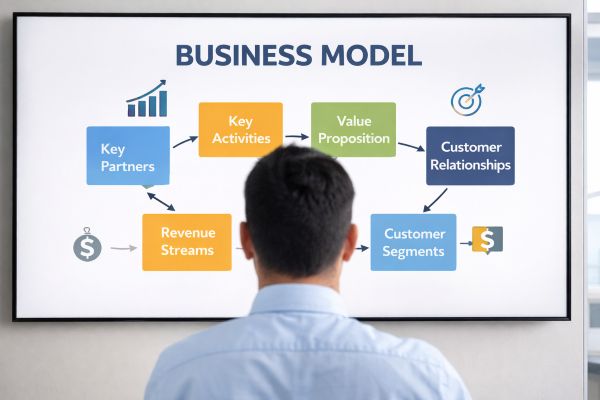
Comprehensive Franchise Evaluation Framework
Systematic evaluation prevents emotional decision-making. The framework below converts subjective “gut feelings” about franchise opportunities into objective analysis based on documented performance and verifiable criteria and aligns closely with a strategic preparation checklist for discerning franchise investors focused on rigorous validation.
Financial Performance Analysis Process
The Franchise Disclosure Document contains legally required information that franchisors must provide prospective buyers. Focus analysis on Items 7, 19, 20, and 21 for critical financial and operational data.
Item 19 reveals actual financial performance representations. Compare average versus median revenue—averages can be skewed by exceptional performers while medians show typical results. Spring-Green’s FDD shows average revenue of $943,404 but median of $747,000, indicating some high-performing outliers pull the average upward. Calculate what percentage of units exceed break-even and how long typical operators require to reach profitability.
Item 20 tracks unit growth, closures, and transfers over three years. Net unit growth indicates system health; high closure rates signal operational problems or unsustainable economics. Understanding Item 20 in the Franchise Disclosure Document in detail helps you interpret these patterns accurately. Footprints Floors demonstrates +300% year-over-year net unit growth—exceptional expansion indicating strong franchise success among existing owners.
Item 7 details total initial investment, but scrutinize what’s excluded. Some FDDs omit vehicle costs, technology systems, or real estate expenses that significantly impact actual cash required. Build comprehensive financial projections including all startup costs plus 6–12 months of operating capital.
Calculate payback period by dividing total investment by estimated annual profit. Footprints Floors shows approximately $97,000 investment against ~$247,619 profit in strong markets, yielding a payback under 16 months. Conservative projections should model scenarios at 50%, 75%, and 100% of disclosed averages to stress-test viability.
Franchise Comparison Criteria
| Evaluation Factor | Weight | What to Look For |
|---|---|---|
| Initial Investment | 25% | Total cash required, financing options, SBA loan eligibility |
| Franchisor Support | 20% | Training duration, ongoing assistance, marketing programs, territory protection |
| Market Demand | 20% | Industry growth rate, recession resistance, local competition density |
| Unit Economics | 15% | Average revenue, profit margins, break-even timeline, margin trends |
| Brand Recognition | 10% | Consumer awareness, online reputation, trusted brand positioning |
| Growth Potential | 10% | Multi-unit development options, territory expansion, scalability |
| Weight these factors based on your specific situation. First-time owners should prioritize franchisor support heavily since proven systems and training reduce the learning curve. Experienced operators may weight growth potential higher, evaluating multi-unit development opportunities and territory availability and applying the same discipline you would use when identifying the best franchises to buy as a strategic investor. |
Jersey Mike’s Subs is ranked #1 for 2026 by Entrepreneur with a +39% growth rate, demonstrating how brand strength and operational excellence combine for franchise brands that outperform industry benchmarks. Taco Bell frequently tops industry lists for its refined operations and high unit volume—metrics that validate proven track record through sustained performance.
Due Diligence Best Practices
Contact current franchisees directly. The FDD lists all franchisees with contact information—use this access. Ask specific questions: What was your actual break-even timeline? How responsive is corporate support when problems arise? What would you do differently if starting over? Current franchisees reveal operational realities that marketing materials cannot.
Speak with former franchisees identified in Item 20. Understand why they exited—retirement and personal circumstances differ dramatically from financial distress or franchisor conflict. Patterns of dissatisfaction across multiple former owners signal systemic problems.
Engage franchise-specialized attorneys and accountants before signing. Legal review identifies problematic contract terms around territory rights, renewal conditions, and exit provisions. Financial review validates your projections and identifies hidden costs. This professional investment—typically $2,000–$5,000—prevents far more expensive mistakes.
The UPS Store remains a top choice for business services benefiting from consistent e-commerce logistics demand. Ace Hardware is highly ranked for community retail and home improvement, demonstrating strong brand loyalty among residential customers. These established systems offer predictable operations but require evaluating whether territories in your target market remain available.
Common Challenges and Proven Solutions
Understanding typical obstacles before they occur allows proactive planning. The challenges below represent the most frequent reasons franchise investments underperform expectations—and the solutions that successful franchise owners implement.
Insufficient Capital Planning
Many franchises under-budget working capital, particularly during the ramp-up period before reaching sustainable revenue. Launching undercapitalized forces difficult decisions: cutting marketing when visibility matters most, delaying equipment purchases, or drawing personal funds that create financial stress.
Solution: Build 6–12 months of operating expenses as a capital buffer beyond initial investment requirements. Review Item 7 carefully for what’s excluded—vehicles, permits, insurance, and technology often appear as add-on costs. Create conservative cash flow projections assuming revenue takes 25%–50% longer to materialize than FDD representations suggest. Stress-test your personal finances for scenarios where break-even extends beyond initial projections.
For seasonal businesses like lawn care franchises, the operating capital requirement intensifies. Spring-Green addresses this through their “Flex Start” option and service diversification into pest control and tree care. Operators in northern climates must plan for 3–4 months of reduced revenue while maintaining staff and equipment readiness.
Choosing Wrong Franchise for Skill Set
Franchise success depends on matching operational requirements to your strengths. Sales-driven models require comfort with prospecting and customer acquisition. Management-intensive franchises demand team leadership experience. Technical services need either subject matter expertise or willingness to hire specialists, which is central to deciding whether it’s a good idea to buy a franchise in the first place based on your skills and goals.
Solution: Conduct honest self-assessment before franchise shopping. Identify whether you thrive managing employees or prefer owner-operator models. Evaluate your sales comfort—some franchises provide lead generation while others require franchisees to build pipeline independently. Consider daily operations: Footprints Floors requires managing subcontractor networks without showroom staff, while restaurant franchises demand high foot traffic management and hourly workforce supervision.
The best franchises for first-time owners typically offer built-in demand, simple operations, and strong franchisor support. Service franchises with straightforward operations and proven systems reduce complexity for new owners learning business management simultaneously. Match your available time commitment—some models support work life balance while others demand intensive involvement.
Inadequate Market Research
Local market conditions determine individual franchise viability more than system-wide averages suggest. Demographics, existing competition, and regional economic factors create variance even within successful franchise systems.
Solution: Comprehensive local market analysis includes population demographics, household income levels, existing competition density, and economic trends. Request franchisor territory development data showing how similar markets perform. Use third-party market research to validate demand assumptions independently.
Territory rights significantly impact long-term success. Spring-Green offers exclusive residential territories but non-exclusive commercial accounts—meaning commercial customers may overlap with other franchisees. Understanding these boundaries prevents surprise competition from within your own franchise system.
Evaluate whether your target market supports the customer acquisition costs assumed in FDD financials. Urban markets with higher advertising costs may require greater working capital than suburban territories with lower competition.
Your Next Steps to Franchise Ownership
Systematic evaluation transforms franchise selection from overwhelming decision into structured process. The right franchise matches your capital availability, operational preferences, and risk tolerance while providing documented performance supporting realistic expectations.
Immediate actionable steps:
- Define your investment parameters – Determine liquid capital available, acceptable debt levels, and target markets. This filters thousands of franchise opportunities to a manageable shortlist.
- Request FDDs from 3–5 target franchises – Focus on franchises in categories matching your interests and investment capacity. Review Items 7, 19, and 20 thoroughly before proceeding.
- Contact current franchisees – Speak with at least 5 operators in markets similar to your target. Ask about actual performance versus FDD representations, franchisor responsiveness, and what they wish they’d known before signing.
- Secure financing pre-qualification – SBA lenders can pre-approve franchise financing based on your financial profile, confirming capital availability before deep due diligence.
- Engage franchise-specialized professionals – Legal and financial review before signing protects against costly contract terms and validates investment assumptions.
Franchising offers a proven pathway to business ownership with lower risk than starting from scratch, making it an attractive option for entrepreneurs seeking structured support. Investing in a franchise provides access to an established business model, brand recognition, and continuous support, which can significantly ease the startup process.
Related topics worth exploring include multi-unit development strategies for scaling beyond single-location ownership, franchise financing structures that optimize cash flow during ramp-up, and legal considerations around territory rights and exit provisions.
The pet services industry, including grooming and boarding, is thriving as pet ownership increases—representing an expanding category for entrepreneurs seeking rewarding business opportunities with customer loyalty and recurring revenue potential, similar to how home decor franchises focused on window and surface solutions tap into growing demand for functional, design-forward improvements.
Frequently Asked Questions
What is the minimum investment needed to start a franchise?
Franchise investments range from approximately $10,000 for home-based and mobile concepts to over $1 million for multi-unit restaurant operations. Low investment options like Card My Yard and Cruise Planners start around $10,000, while established service franchises like Footprints Floors require $80,000–$114,000 total investment. Assess personal financial capacity carefully—the franchise fee represents only a portion of total cash required.
How long does it typically take to break even with a franchise?
Most service-based franchises achieve break-even within 12–24 months. Footprints Floors demonstrates approximately 15-month break-even periods in strong markets. Restaurant and retail franchises with significant build-out costs may require 2–4 years. Review Item 19 financial performance data for realistic timeline expectations based on comparable operators.
Do I need prior business experience to buy a franchise?
Not necessarily—franchises typically offer training and operational support that helps new franchisees navigate complexities more effectively than independent startups. However, management experience improves success probability, particularly for franchises requiring team leadership. Home services franchises like cleaning and landscaping remain beginner friendly with straightforward operations and proven systems.
What’s the difference between franchise fees and royalty fees?
The franchise fee is a one-time payment granting rights to operate under the brand—typically $25,000–$75,000. Royalty fees are ongoing percentages (usually 4%–10%) paid from gross revenue. Spring-Green charges $50,000 franchise fee plus 8%–10% sliding royalty. Both fees significantly impact profitability and should be modeled in financial projections.
Can I finance a franchise purchase with an SBA loan?
Yes—SBA 7(a) loans are the primary financing mechanism for franchise purchases. Many franchises are pre-approved on the SBA registry, streamlining the lending process. Footprints Floors franchisees have achieved 0% default rates on SBA loans, indicating both lender confidence and franchisee success. Typical requirements include 10%–20% down payment, acceptable credit history, and sufficient collateral.
How do I verify the success of existing franchisees?
Use FDD Item 20 to identify current and former franchisees, then contact them directly. Ask specific questions about revenue trajectory, franchisor support quality, and challenges encountered. Check Item 19 for financial performance representations and compare average versus median results. Examine closure rates and transfer patterns—high turnover indicates systemic problems regardless of marketing claims.
What ongoing support should I expect from a franchisor?
Quality franchisors provide initial training (typically 1–4 weeks), operational manuals and proven systems, marketing programs, technology platforms, and ongoing business consulting. Spring-Green offers national buying power, business consultants, and centralized contact center support. Evaluate support quality through franchisee validation calls—ask whether corporate assistance meets operational needs in practice.
Is it better to buy an existing franchise or start a new location?
Existing franchises offer immediate revenue and established customer base but typically command premium pricing. New locations provide territory selection flexibility and lower acquisition cost but require building the customer base from scratch. The pest control industry demonstrates strong customer retention, making existing units in that category potentially valuable—predictable household renewals create reliable income the new operator inherits immediately.