Table of Contents
Green home improvement franchises represent one of the fastest-growing segments in the home services industry, combining proven business models with the increasing demand for eco friendly solutions. These franchises deliver environmentally responsible services—from improving indoor air quality to mold remediation and energy efficiency—using EPA registered products and sustainable practices that protect both health and the environment.
This guide covers everything entrepreneurs need to know about investing in a green home solutions franchise, including startup costs, revenue potential, training programs, and the application process. We focus specifically on franchise opportunities requiring $100K–$350K in investment capacity, excluding general home renovation topics or non-franchised businesses. Whether you’re seeking a lucrative business opportunity with semi-passive ownership potential or a hands-on operation you’ll manage daily, this guide provides the financial data and practical insights to make an informed decision.
Direct answer: A green home improvement franchise typically requires an initial investment between $102,095 and $198,570, offers semi-absentee ownership options, and charges ongoing royalty fees of 7% to 10% of gross revenue. Franchise owners can expect multiple revenue streams from services like air duct cleaning, crawl space encapsulation, and odor removal.
By reading this guide, you will:
- Understand the different types of green home services and their revenue potential
- Learn the complete investment requirements and ongoing financial obligations
- Discover the step-by-step process for starting your franchise
- Identify common challenges and proven solutions for success
Understanding Green Home Improvement Franchises
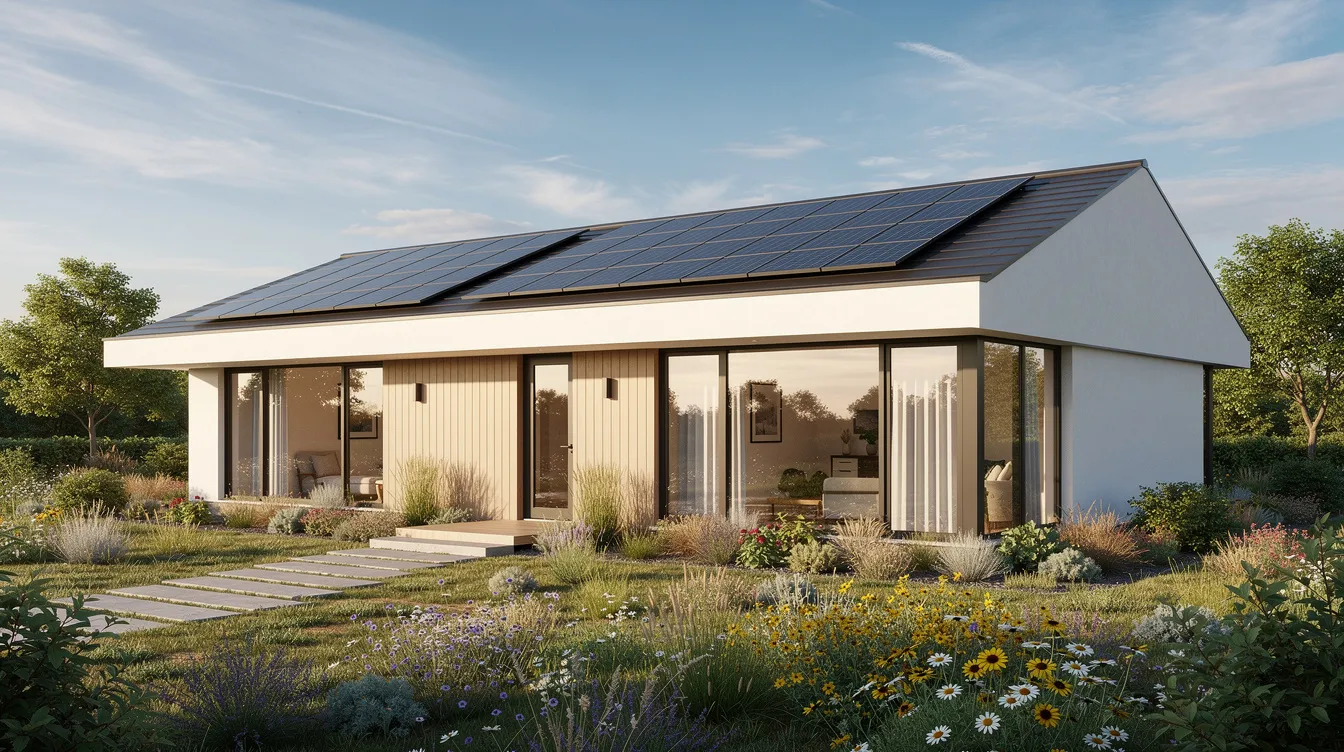
A green home improvement franchise is a business focused on delivering eco friendly home services that prioritize environmental impact, human health, and energy conservation. Unlike traditional home services companies, green franchises use non-toxic, plant-based, or EPA registered products while following strict certification standards. The franchise operates under a proven franchise model where the franchisor provides comprehensive training, marketing materials, proprietary products, and territorial rights in exchange for fees and royalties.
The relevance of this business model has never been stronger. The U.S. indoor air quality (IAQ) market is valued at $10.5 billion in 2024 and is projected to reach $12.9 billion by 2029, with a compound annual growth rate (CAGR) of 4.3%. Additionally, the global indoor air purification market is expected to grow at a CAGR of 6.3% from 2024 to 2030, indicating strong demand for services that improve indoor air quality. This growing market creates substantial opportunities for franchise owners entering the industry.
Types of Green Home Services
Air Quality Testing and Improvement Services
Indoor air quality services form the foundation of many green franchises. These include testing for pollutants like PM2.5, VOCs, and allergens, plus HVAC optimization and air duct cleaning. The demand for environmentally friendly home services is increasing due to heightened awareness of health issues related to indoor air quality, mold, and pollutants. Green Home Solutions offers comprehensive air quality assessments using advanced diagnostics and eco friendly products.
Mold Remediation and Prevention
Removing mold safely requires specialized training and EPA registered products. Mold remediation projects range from simple surface treatments to complete structural restoration, with service pricing from $500 to $6,000 per project. Green Home Solutions franchisees receive extensive training in safety protocols and use proprietary solutions that eliminate mold without harsh chemicals.
Energy Efficiency Audits and Solutions
Energy audits evaluate insulation, airflow, windows, sealing, and HVAC efficiency. Basic residential audits typically range from $100 to $2,000, with commercial audits priced at $0.05–$0.50 per square foot. The real revenue comes from converting audits into upgrade work—insulation installation, sealing, and HVAC improvements. Many green improvements qualify for federal and state-level tax credits and subsidies, making these services attractive to customers.
Non-Toxic Cleaning and Maintenance Services
This category includes grout cleaning, carpet cleaning, and surface maintenance using green-certified, low-VOC products. Services like crawl space encapsulation and odor removal address underlying environmental issues while creating recurring revenue opportunities through maintenance contracts.
Each service type connects to the overall franchise revenue model by creating multiple revenue streams: one-time high-ticket projects, recurring maintenance contracts, and product sales.
Business Model Variations
Home-Based Franchise Operations
Many green home solutions franchise opportunities allow home-based launches with no brick-and-mortar storefront required. This model supports expansion while keeping overhead costs low—you need a vehicle, equipment, and a home office rather than commercial real estate. Green Home Solutions operates on this home-based model, significantly reducing initial investment requirements.
Semi-Absentee Ownership Models
The franchise model supports expansion through passive or semi-passive ownership. Franchise owners can hire a general manager to handle daily operations while maintaining oversight of the business. This allows entrepreneurs to build a profitable business while maintaining other commitments. Green Home Solutions explicitly permits this ownership structure.
Territory-Based Expansion
Franchises grant protected territories based on population (typically 100,000+ residents) or zip codes. Available territories prevent internal competition between franchisees in the same system. With Green Home Solutions, the initial franchise fee for additional units drops to $30,000 compared to $55,000 for the first unit, making expansion financially attractive as your business grows.
Understanding these business model variations helps clarify why investment requirements differ—a home-based operation with semi-absentee management requires different capital than an owner-operator model with multiple employees.
Investment Requirements and Financial Considerations
Building on the business model variations discussed above, each approach carries distinct financial requirements. Understanding the full spectrum of franchise startup and operating costs thoroughly before committing ensures you’re financially prepared for both startup and ongoing operations.
Initial Investment Breakdown
Franchise Fees
The initial franchise fee for a Green Home Solutions franchise is $55,000, with an additional fee of $30,000 for each additional unit purchased during the term of the Franchise Agreement. This fee grants you access to the brand power, proven business model, proprietary products, and training systems.
Total Investment Requirements
The total investment required for a Green Home Solutions franchise ranges from $102,095 to $198,570, which includes the franchise fee, equipment, initial inventory, and working capital. This investment range aligns well with entrepreneurs who have $100K–$350K available for investing in a franchise opportunity.
Equipment and Inventory Costs
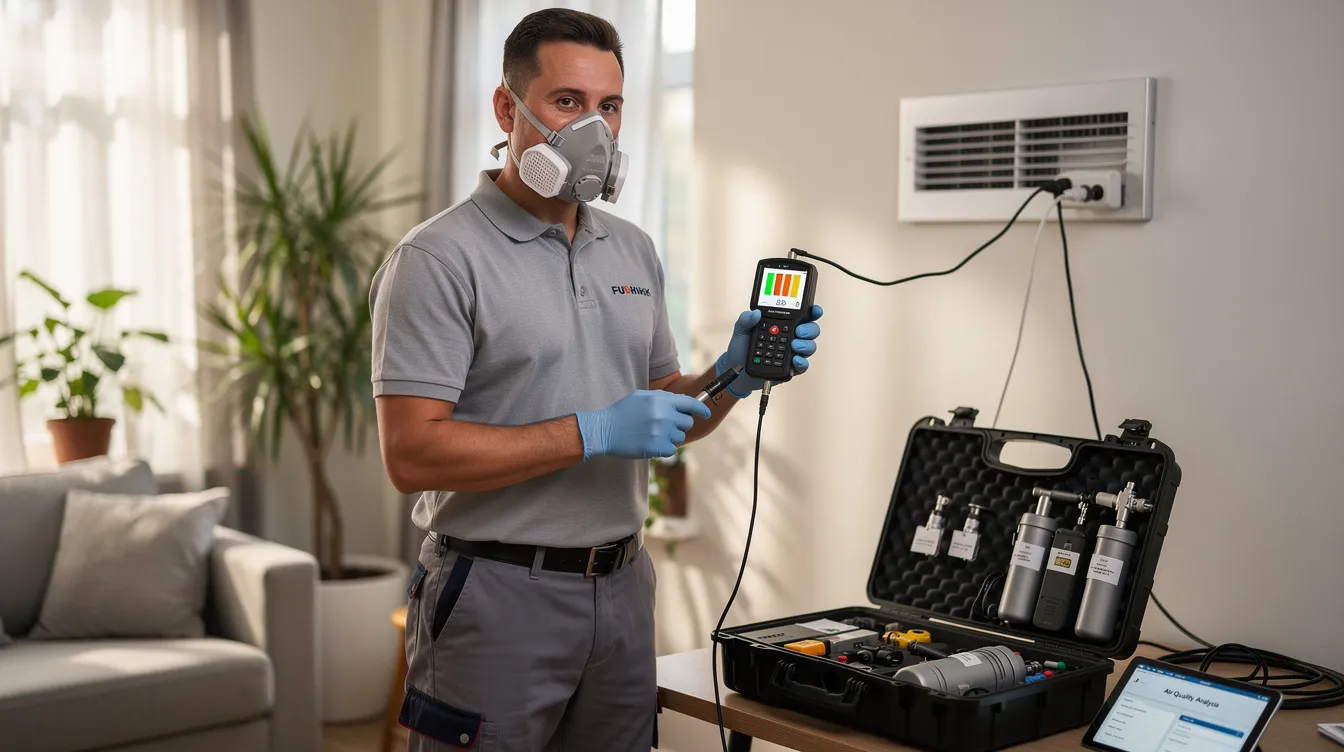
Green home services require specialized equipment: HEPA filtration systems, moisture detection devices, thermal imaging cameras, air quality monitors, and safety gear. The initial inventory includes EPA registered products, plant-based solutions, and proprietary chemicals specific to the franchise. These costs are included in the total investment range above.
Working Capital Requirements
Plan for six months of operating expenses to cover payroll (average of 2.5 employees for a Green Home Solutions unit), vehicle costs, marketing, and overhead while building your customer base. Working capital requirements typically range from $20,000 to $40,000 depending on your territory and growth strategy.
Ongoing Financial Obligations
Royalty and Advertising Fees
Green Home Solutions franchisees are responsible for ongoing fees, including a royalty fee of 7% to 10% and advertising fees of 1.25%. These fees fund the ongoing support, marketing materials, and brand development that benefit all locations in the system.
Net Worth Requirements
Qualifying for a green home solutions franchise requires a minimum net worth of $350,000. This ensures franchisees have sufficient financial stability to weather slower periods and invest in growth opportunities, supported by a clear understanding of where to get the capital when purchasing a franchise.
Additional Operating Costs
Budget for insurance, licensing, certifications (such as ACAC for mold professionals), vehicle maintenance, fuel, and technology platforms. These costs vary by location but typically represent 10–15% of gross revenue.
Revenue Potential and Profit Margins
Service Pricing and Project Revenue
Mold remediation projects generate $500 to $6,000 per job depending on scope. Air duct cleaning, odor removal, and crawl space encapsulation provide additional high-ticket revenue opportunities. Energy efficiency audits convert into upgrade work worth thousands per project.
Multiple Revenue Streams
Green Home Solutions offers multiple revenue streams: initial assessments, treatment and remediation work, ongoing maintenance contracts, and product sales. This diversification creates stability—when one service category slows seasonally, others compensate.
Profit Margins and Income Potential
Service-based green franchises achieve strong profit margins due to relatively low cost of goods (chemicals, filters, supplies) compared to labor revenue. Some Green Home Solutions units report operating profits (EBITDA) around 27.7%. While average unit volume varies, top performers significantly exceed median revenue of approximately $99,000 annually. Franchisees following the system consistently can achieve six-figure income potential within the first few years.
Sustainable practices like waste reduction and energy-efficient operations can lower overhead costs over time, further improving margins as your business grows and achieves scale efficiencies.
Starting Your Green Home Improvement Franchise
With investment requirements clarified, the next step involves understanding the application and approval process and conducting rigorous due diligence using a strategic franchise purchase preparation checklist. Most franchise development team timelines run 60–90 days from initial inquiry to territory approval and training completion.
Application and Approval Process
The best time to start your application is when you’ve confirmed your financial readiness, outlined a clear franchise financing roadmap, and identified target territories. Here’s the typical process:
- Complete the online franchise application form — Provide basic information about your background, financial situation, and territory preferences. This initial submission helps the franchise development team assess preliminary fit.
- Initial phone consultation — A franchise representative discusses the opportunity, answers questions, and evaluates your goals. This conversation helps both parties determine if the partnership makes sense.
- Financial qualification review and FDD provision — Submit detailed financial documentation proving net worth and liquid capital requirements. You’ll receive the Franchise Disclosure Document (FDD) for thorough review, including Item 19 financial performance data.
- Discovery Day and territory selection — Visit company headquarters or attend a virtual session to meet the leadership team and existing franchisees. Discuss available territories and finalize your preferred location.
- Final approval and agreement signing — Complete the franchise agreement, pay the franchise fee, and schedule your training dates.
Training and Support Programs
Franchise training programs typically include comprehensive initial and ongoing training covering essential business content, equipment knowledge, marketing strategies, and best sales practices. Many franchise systems provide training that does not require prior experience in the industry, allowing individuals with strong leadership skills and a work ethic to succeed while still enjoying key benefits of franchise ownership.
Initial Training Components
Extensive training covers green home improvement techniques, safety protocols for handling remediation chemicals, EPA compliance requirements, and proper use of diagnostic equipment. Business training includes customer acquisition, pricing strategies, and operational procedures.
Ongoing Support Infrastructure
Ongoing support in franchise training often includes access to proprietary software and a franchisee intranet platform to enhance business efficiency. Franchisees receive extensive operational support, including access to call center assistance, lead generation services, and marketing support.
Green Home Solutions provides franchisees with proprietary software and access to a franchisee intranet platform to enhance business efficiency. The company offers guidance from area representatives who provide business coaching and share best practices with franchisees.
Equipment and Supplier Access
The franchisor connects you with approved suppliers for eco friendly products, EPA registered products, and specialized equipment. This supply chain access ensures consistent quality while often providing volume discounts unavailable to independent operators and positions you within one of the industries most likely to franchise, where standardized sourcing is a major advantage.
Special Programs and Incentives
| Program Type | Green Home Solutions | Industry Standard |
|---|---|---|
| Multi-Unit Discount | $30,000 additional unit fee (vs. $55,000 first unit) | Varies by brand |
| Financing Assistance | SBA-eligible franchise | Not always available |
| Territory Protection | Population-based exclusive zones | Common but not universal |
| Veteran Programs | Often available | Varies by brand |
| Marketing Co-op | 1.25% advertising fund | 1–2% typical |
| The model supports expansion through reduced additional territory fees, making Green Home Solutions attractive for entrepreneurs planning multi-unit growth from the start. |
Common Challenges and Solutions
Every franchise faces obstacles during startup and growth phases. Understanding common challenges—and their proven solutions—helps you prepare for success in the green home services industry and fully appreciate the strategic advantages of purchasing a franchise.
Building Customer Trust in New Green Technologies
Customers unfamiliar with green home improvement methods may question their effectiveness compared to traditional approaches. You may need to invest more in marketing to educate homeowners on the long-term value of green products.
Solution: Pursue industry certifications (ACAC, IAQ credentials) and display them prominently in marketing materials. Use before-and-after documentation, third-party testing results, and customer testimonials to demonstrate effectiveness. Partner with environmental organizations and leverage the franchise’s brand power to establish credibility faster than an independent startup could.
Managing Seasonal Demand Fluctuations
Some services like mold remediation peak during humid seasons, while energy audits may slow during certain months. This creates cash flow challenges for new franchise owners.
Solution: Diversify your service offerings across categories with different seasonal patterns. Air quality services remain relevant year-round, while crawl space encapsulation and odor removal fill gaps between peak remediation periods. Proactive marketing during traditionally slower months—offering discounts or bundled services—smooths revenue throughout the year. Many green improvements qualify for federal and state-level tax credits and subsidies, creating promotional angles that drive year-round demand.
Competing with Established Local Contractors
Independent contractors and established local businesses may undercut on price or benefit from existing community relationships, which may lead some owners to question whether buying a franchise is worth it compared to remaining independent.
Solution: Prioritizing sustainability can help a franchise stand out in competitive local markets. Emphasize your specialized eco friendly practices, certified training, and commitment to health and safety that differentiate you from generalists. The proven business model, marketing support, and brand recognition from a national franchise create advantages independents cannot match. Focus on educating customers about why green methods deliver superior long-term value.
Navigating Supply Chain and Labor Challenges
Ensuring a consistent supply of certified sustainable materials can be difficult, particularly in regions with limited eco-friendly suppliers. Additionally, the broader home improvement industry faces a significant shortage of qualified workers, which can delay projects and increase wage pressures and must be factored into the typical costs involved in purchasing a franchise.
Solution: Leverage franchisor-negotiated supplier relationships for reliable access to eco friendly products and EPA registered products. Invest in training and retention programs that differentiate your team from competitors. The ongoing support from your franchise system provides resources for recruitment and operational efficiency that independent operators lack.
Building customer loyalty through consistent, high-quality service creates referral networks that reduce marketing costs and generate stable lead flow as your operations mature.
Conclusion and Next Steps
Green home improvement franchises offer a rare combination: a profitable business opportunity aligned with growing demand for environmentally responsible services, supported by proven systems that reduce startup risk. The U.S. indoor air quality market’s projected growth to $12.9 billion by 2029—combined with increasing environmental awareness among younger generations—creates strong tailwinds for franchisees entering this industry.
Younger generations, particularly Millennials and Gen Z, are driving demand for eco-friendly products and are often willing to pay more for them. This demographic shift ensures sustained growth for green franchises positioned to serve these customers.
Your immediate next steps:
- Request and review FDD documents from Green Home Solutions and other green franchises matching your investment capacity and territory preferences
- Assess your financial readiness against the $350,000 net worth requirement and $102,095–$198,570 total investment range
- Contact the franchise development team to schedule an initial consultation and discuss available territories
- Speak with existing franchisees listed in the FDD to understand real-world operational experiences
- Consult with a franchise attorney and accountant before signing any agreements
For entrepreneurs seeking related opportunities, consider exploring other eco-friendly franchise categories including energy efficiency consulting, sustainable home products retail, and green cleaning services, and apply the same rigorous evaluation approach recommended in expert franchise investing guidance. Professional certifications in indoor air quality and mold remediation strengthen your credentials regardless of which specific franchise you select.
The green sustainability market was valued at approximately $13.7 billion in 2022 and is projected to exceed $50 billion by 2030—making now an optimal time to join this industry before market saturation increases competition.

Frequently Asked Questions
What makes a green home improvement franchise different from traditional home improvement?
Green home improvement franchises distinguish themselves through three core elements:
Eco-Friendly Products and Methods: Green franchises use non-toxic, plant-based, and EPA registered products rather than conventional chemicals. Services focus on improving indoor air quality, removing mold safely, and enhancing energy efficiency—priorities that traditional contractors may address with less environmentally responsible approaches.
Specialized Training in Environmental Health: Franchisees receive comprehensive training in safety protocols, environmental regulations, and health-focused service delivery. This expertise allows you to serve health-conscious clients seeking more than basic home services.
Growing Market Demand: Eco-friendly franchises are becoming more prevalent as companies incorporate sustainable practices, with many emerging each year to address environmental concerns. This positions green franchises ahead of industry trends rather than following them.
Can I run a green home improvement franchise part-time?
Yes, many green home solutions franchise models accommodate semi-absentee ownership. Here’s how it works:
Semi-Absentee Structure: Green Home Solutions explicitly permits passive or semi-passive ownership. You can hire a general manager or partner to handle daily operations while you maintain strategic oversight, review financials, and manage key relationships.
Time Commitment: Semi-absentee owners typically spend 10–20 hours weekly on their franchise, focusing on management rather than service delivery. This flexibility allows you to maintain other employment or business interests while building your franchise.
Scaling Considerations: Many franchisees start as owner-operators, then transition to semi-absentee management as the business grows and they hire capable team members. The franchise’s training and support systems facilitate this evolution.
What territories are available for green home improvement franchises?
Territory availability changes constantly as franchises expand. Current opportunities include:
Metropolitan and Suburban Markets: Major U.S. metropolitan areas and surrounding suburbs offer the population density needed for profitable operations. Green Home Solutions grants protected territories based on population thresholds (typically 100,000+ residents).
Expansion Opportunities: Growing suburban markets with new construction and health-conscious demographics present attractive opportunities. Contact the franchise development team for current available territories matching your location preferences.
Protected Territory Rights: Once you secure a territory, internal competition from other franchisees is eliminated within your zone. The model supports expansion by allowing you to add adjacent territories at reduced franchise fees as your business grows.
Do green home improvement franchises qualify for SBA loans?
Yes, established franchise brands like Green Home Solutions typically qualify for SBA financing:
SBA Eligibility: The franchise’s track record, standardized systems, and inclusion on SBA-approved lender lists enable franchisees to access favorable loan terms. This financing can cover a significant portion of the initial investment.
Franchise-Approved Lenders: Many franchisors maintain relationships with lenders experienced in franchise financing, streamlining the approval process. These lenders understand the business model and can move quickly on applications.
Alternative Funding Sources: Green franchises often qualify for additional funding through green business programs, equipment financing, and working capital lines of credit. The combination of SBA loans and alternative sources provides flexibility in structuring your startup capital.
What ongoing support do franchisors provide?
The commitment to franchisee success extends well beyond initial training:
Marketing Materials and Lead Generation: Franchisees receive professionally developed marketing materials, digital advertising support, and lead generation systems. The 1.25% advertising fund supports national and regional marketing efforts that benefit all locations.
Technical Support and Product Updates: As new eco friendly products and methods emerge, franchisors provide training updates and access to improved solutions. This keeps your services competitive without requiring independent research and development.
Business Coaching and Performance Monitoring: Area representatives provide ongoing business coaching and share best practices with franchisees. Regular performance reviews identify growth opportunities and operational improvements specific to your market.
Green Home Solutions provides franchisees with proprietary software, call center assistance, and an intranet platform connecting you with the broader franchise community—resources that create significant advantages over independent operators in the green home services industry.