Table of Contents
Why Low Investment + Strong Training Matters in 2026
The franchise landscape has shifted dramatically since 2020. Career changers, early retirees, and corporate professionals tired of the cubicle are all searching for the same thing: a low investment franchise with training and support that lets them build something real without betting their entire savings.
In 2026, the median total investment across all franchise categories sits around $250,000. Food and QSR brands often demand $500,000 or more. That puts traditional franchising out of reach for most first-time owners. But a growing category of low cost franchise opportunities falls well below that threshold, typically under $150,000 in total investment, with some starting between $10,000 and $50,000 depending on the model and territory.
This article is written from CoolVu’s perspective as a home-based window film and surface solutions franchise. We’ll start with general guidance anyone can use, then show exactly how CoolVu fits the model. You’ll learn how to evaluate franchise business opportunities, what real training and on site training should look like, and why home and commercial services have become some of the most accessible entry points into business ownership.
Here’s why low investment franchises attract so many first-time owners:
- Lower financial risk compared to restaurant or retail location concepts
- Faster ramp-up since overhead stays manageable from day one
- Easier to self-fund without outside investors or SBA loans
- Home-based flexibility that eliminates commercial lease obligations
- These franchises typically have lower overhead costs than traditional businesses
What Makes a Low Investment Franchise Work for First-Time Owners?
The difference between a franchise that works and one that drains your savings comes down to three things: a proven business model, a structured training program, and ongoing support systems that don’t disappear after your check clears.
Consider the numbers. Industry data shows that about 58% of franchisees recover their initial investment within 24 to 36 months. That’s only possible when the franchisor has proven systems in place: a tested playbook, marketing infrastructure, operational tools, and mentoring from experienced professionals who’ve launched dozens of territories before yours.
Franchisors provide formal onboarding programs for new owners, which is what separates a legitimate franchise from a loose “business opportunity” like vending or independent consulting. Without structured training, brand standards, and a support system behind you, you’re essentially starting from scratch with a logo.
Imagine someone leaving a corporate sales job to run a home-based service franchise. They know how to sell but have never managed a crew, quoted a job, or run local marketing. Strong franchisee support bridges that gap. The must-haves for any low cost franchise worth considering:
- A documented, repeatable operations playbook
- Marketing tools and a lead generation system
- Technology platform (CRM, scheduling, quoting)
- Dedicated coaching or mentoring in the first 12 months
- Peer network of other franchise owners doing similar work
Key Features to Look For in Low Cost Franchise Opportunities
Before you sign any franchise agreement, you need a clear checklist. The franchise fee is just the starting line. What matters more is what you get for it and whether the business model generates enough recurring revenue to sustain you past the first year.
Beginners should prioritize models with recurring revenue streams. Mosquito Joe, for example, has 88% recurring customers. Stratus generates 90% of revenue from recurring contracts. Real Property Management operates over 430 locations built on recurring income. These numbers illustrate why repeat business and contract-based revenue matter more than chasing one-off jobs.
Brand recognition also shortens your path to first customers, especially in local markets where residential customers and commercial clients are already searching for solutions. Use this as your due-diligence worksheet:
- Does the franchise have a proven track record with documented financial results?
- Are there multiple revenue streams, or is the model dependent on a single service?
- Does franchisor training cover both technical skills and business skills (sales, pricing, hiring)?
- Is there an exclusive territory with clear boundaries?
- What marketing assistance does the franchisor provide at launch and ongoing?
- Are royalty fees and renewal fees clearly disclosed and reasonable?
- Can you speak with existing units to verify franchisee satisfaction?
- Does the model generate steady demand year-round, or is it heavily seasonal?
Understanding the “Low Investment” Part: Costs, Fees, and Cash Flow
“Low investment” doesn’t mean free. It means the total capital required is manageable for someone with moderate savings and possibly no outside funding. Here’s what the cost components typically look like for a service franchise in 2026.
CoolVu’s initial franchise fee is $19,900, which is on the lower end compared to most home services brands charging $20,000 to $50,000. Add a territory fee of $50,000, working capital of $10,000 to $20,000, and the total investment range lands between $70,000 and $120,000. That positions CoolVu squarely in the affordable franchises category, well below the home services median startup cost of roughly $118,000.
Royalty fees and marketing fund contributions are ongoing. Across 188 franchises analyzed in recent data, the median royalty rate is about 6% of gross revenue. For home services specifically, it averages around 7%, typically ranging from 5% to 10%. In practical terms, if you’re generating $25,000 in monthly gross sales, a 6% royalty is $1,500 per month.
Be aware that franchises can have hidden costs affecting profitability. Always budget for insurance, vehicle expenses, software subscriptions, and your own living expenses for 6 to 12 months. Here’s a simplified mini-budget for a service franchise launch:
- Initial franchise fee: $15,000–$50,000
- Territory or licensing fee: $25,000–$50,000
- Equipment, vehicle wrap, initial supplies: $5,000–$15,000
- Launch marketing spend: $5,000–$10,000
- Technology setup (CRM, quoting software): $1,000–$3,000
- Insurance and licensing: $2,000–$5,000
- Working capital / personal reserve (6 months): $10,000–$30,000
- Cash required to be comfortable: plan for the high end of total estimates
Why Training and Support Are Non-Negotiable in Low Cost Franchises
Low startup costs can be a trap if the franchisor skimps on training and support. Picture this: you invest $60,000, get a two-day online orientation, a PDF manual, and a “good luck” email. Within 90 days, you’ve botched two installations, lost your first commercial client, and spent $8,000 on marketing that generated zero client leads. That’s not a franchise. That’s an expensive hobby.
Franchises can provide comprehensive training and support when designed correctly. The lifecycle should look like this: pre-training online modules before you arrive, an intensive classroom or bootcamp phase, hands-on technical training, on-site launch support in your territory, and ongoing coaching through at least your first two years.
The franchise disclosure document is your legal window into what a franchisor actually promises. Item 11 of the FDD details all training obligations, including hours of classroom versus on-the-job training, subjects covered, who must attend, and who pays for travel. Franchise Disclosure Documents also contain financial performance information under Item 19, which helps you project realistic revenue. Watch for “will” versus “may” language. “Will provide on-site training” is binding. “May provide” is discretionary and a red flag.
For non-technical sectors like window film, commercial cleaning, or medical billing, franchisor training is what makes it realistic for someone without prior trade experience. Red flags to watch for:
- Training is entirely online with no in-person component
- No field visits or on-site support during your launch period
- Vague promises like “support as needed” without defined schedules
- No marketing playbooks, templates, or lead generation assistance
- Ad fund contributions with zero transparency on how funds are spent
Types of Low Cost Franchises with Strong Training and Support
Several sectors consistently produce great low cost franchises with structured training. Here’s a snapshot:
- Home and commercial surface solutions (CoolVu’s category): Total investment $70,000–$120,000. Suits career changers and hands-on entrepreneurs. Training covers installation, sales, and business operations. Strong B2B and B2C demand.
- Commercial cleaning: Often under $75,000 total. Cleaning franchises often have low startup costs and steady demand. Models like Stratus emphasize recurring contracts. Suits owners comfortable managing crews.
- Medical billing and administrative services: Desk-based, lower physical demands. Longer sales cycles. Training focuses on compliance and software platforms. Tax preparation and medical billing franchises fall here.
- Education and tutoring: Mathnasium has 1,100-plus centers with ongoing student enrollment. Child development and tutoring models often include curriculum and marketing support. Home-based franchises can include tutoring and fitness coaching.
- Home repair and maintenance services: A top home repairs franchise or painting franchise can start under $100,000. A top painting franchise like That 1 Painter runs $96,500 to $137,000 total. Aire Serv averages $1.56 million in gross sales with a recurring revenue model, showing what’s possible with scale.
- Travel and vending: Travel agency franchises can have startup costs as low as $3,500. Some franchises start under $10,000. Vending franchises offer passive income potential but typically have less structured training.
Home-Based and Mobile Models: Why They Often Make the Perfect Franchise
Home-based and mobile service franchises dominate the low cost franchise landscape for a reason: no retail lease, no build-out, no fixed costs tied to a storefront. Mobile franchises eliminate the need for a physical storefront, and home-based franchises allow for flexible work hours and locations.
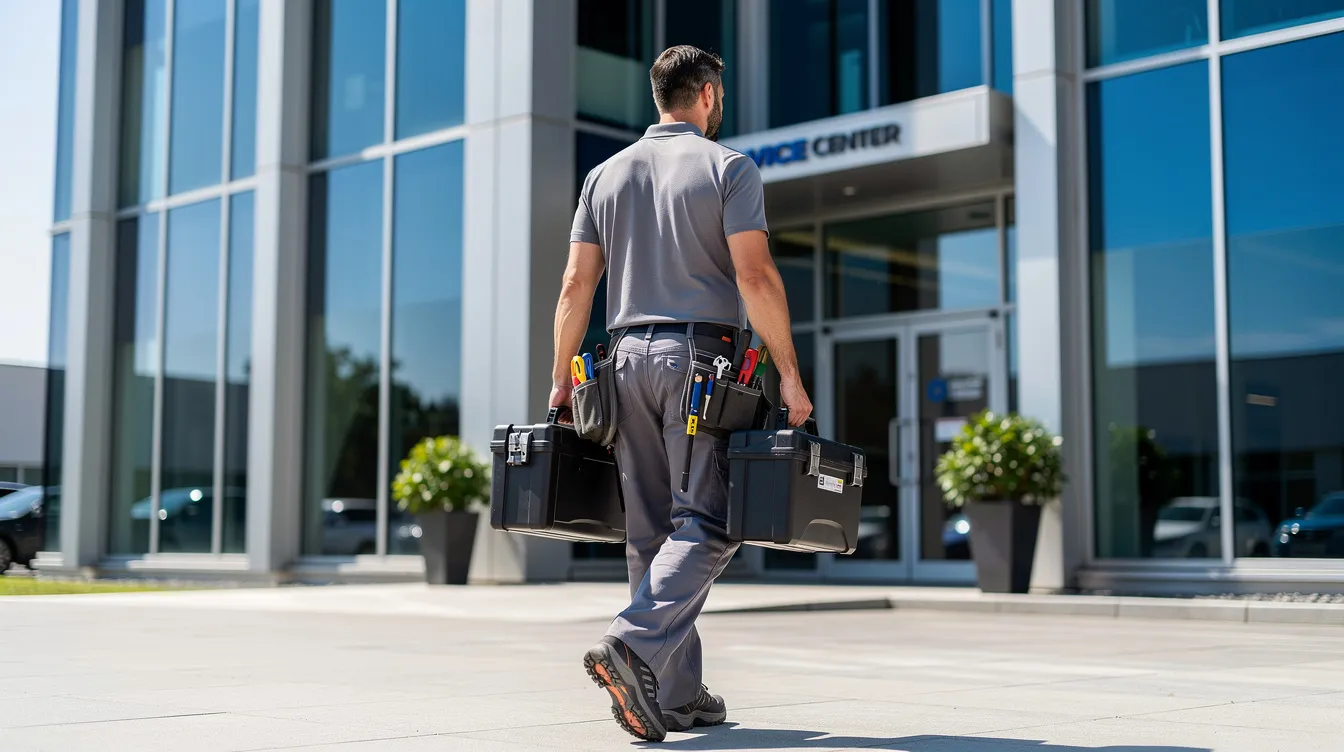
CoolVu operates as a home-based franchise with a service vehicle. You store supplies, manage scheduling, and run admin from your home office, then drive to job sites for installations. Compare that to a mobile pet grooming franchise or detailing service, and the structure is similar, but CoolVu’s service offerings span residential and commercial projects with higher average ticket sizes.
Home-based franchises often require low startup costs under $10,000 in some categories, though more technical models like CoolVu or a home repairs franchise require more. Cleaning franchises are popular for home-based business models as well. The lifestyle benefits are real: reduced commute, schedule control, and the ability to be your own boss. But don’t confuse “home-based” with “easy.” You still need to prospect, manage crews, handle admin, and show up at job sites.
Pros of home-based/mobile:
- No commercial lease or retail build-out
- Lower fixed costs and overhead
- Ability to start with one vehicle and scale
- Flexible scheduling around family or personal priorities
- Faster launch timeline
Cons to consider:
- Requires self-discipline and strong time management
- Limited walk-in visibility compared to a retail location
- Storage space needed for equipment and materials
- Isolation without intentional networking
How a Franchise Training Program Should Actually Work
A modern franchise training program in 2026 blends digital learning with in-person, hands-on experience. The days of handing someone a three-ring binder and calling it “training” are over.
Training covers operations, customer service, and financial management across multiple phases. Pre-opening online modules let you absorb product knowledge and business fundamentals before you arrive for the intensive. Classroom or bootcamp sessions teach estimation, sales techniques, and local marketing strategy. Hands-on technical training puts tools in your hands so you’re practicing real-world tasks, not watching PowerPoints.
The best programs simulate actual jobs. You learn to quote, measure, sell, and deliver. You make mistakes in a controlled setting rather than in front of your first paying customer. Every serious franchisor should cover:
- Operations and workflow management
- Safety protocols and compliance
- Sales process, pricing, and closing techniques
- Local marketing setup and ongoing education
- Software, CRM, and quoting tool proficiency
On Site Training: What You Should Expect in Your First 90 Days
On site training means a franchisor’s field trainer physically comes to your territory during launch. They ride along on sales calls, assist with your first installations, and help you avoid the early mistakes that cost money and reputation. Many brands assign a coach during the early months of operation specifically for this purpose.
Here’s what a realistic 90-day timeline looks like for a service franchise like CoolVu:
- Days 1–30: Complete corporate training, set up your vehicle and supplies, activate CRM and marketing campaigns, begin prospecting with your trainer’s guidance
- Days 31–60: Field trainer on-site for first customer appointments, quoting commercial jobs, performing initial installations with quality checks, refining your sales pitch
- Days 61–90: Transition to remote coaching via weekly calls, trainer available for complex jobs, first repeat business and referral generation, review of financial performance against projections
True on-site support reduces early mistakes and helps owners hit revenue milestones faster. It’s the difference between guessing and executing.
Ongoing Coaching, Marketing, and Operational Support
Launch support is critical, but what happens in months 6, 12, and 24 determines whether you build a thriving business or stall out. Support teams handle administrative tasks for franchise owners in well-run systems, freeing you to focus on selling and delivering.
A CoolVu franchisee, for example, might receive quarterly coaching on closing commercial bids for a medical office or school, along with training on energy-efficiency window film upsells and smart glass technology. Ongoing education matters in evolving areas like energy efficiency regulations, switchable films, and advanced security solutions.
Ongoing support formats to expect from a quality franchisor:
- Regular business coaching calls (weekly or biweekly)
- National advertising campaigns and local marketing playbooks
- Regional meetings and peer franchisee groups
- Technology updates to CRM, quoting, and scheduling platforms
- Refresher training on new products and techniques
- Access to a support hotline for operational questions
Evaluating Brand Recognition and Local Market Demand
Brand recognition opens doors, especially with commercial clients who want to hire other businesses with established reputations. National branding can win you a meeting with a property manager, but local execution still drives gross revenue.
CoolVu leverages product-brand recognition in the window film and architectural finishes space along with corporate branding to support franchisees entering new markets. But no brand alone fills your calendar. You need to assess local demand.
Here’s a quick market scan you could do in an afternoon:
- Count commercial buildings in your territory with large glass facades
- Identify hospitals, medical offices, schools, and government buildings that are likely candidates for security film, privacy solutions, or energy-efficiency upgrades
- Check residential neighborhoods with high sun exposure or older single-pane windows
- Research local competitors and note gaps in service offerings (decorative graphics, architectural finishes, smart glass)
- Talk to local general contractors and property managers about their current surface solution providers
CoolVu’s Business Model: Low Investment, High Support in Surface Solutions
CoolVu’s business model is built around delivering glass and surface solutions for both residential and commercial properties. This isn’t just window tinting. The service concepts span energy-efficient window film, security and privacy films, decorative glass graphics, architectural surface finishes for walls, cabinets, and doors, and smart switchable films.
The franchise operates home-based with protected territories. Franchisees serve residential customers (homeowners wanting heat reduction, glare control, or privacy) and B2B clients including retail chains, medical facilities, schools, and government buildings. The typical liquid capital expectation is around $50,000, with a total initial investment of $70,000 to $120,000.
CoolVu’s multiple revenue streams include:
- Residential window film retrofits (heat, glare, UV protection)
- Commercial window tinting and energy-efficiency upgrades
- Security and privacy film installations
- Decorative glass graphics for offices, retail, and restaurants
- Architectural surface wraps for cabinets, walls, elevators, and doors
- Smart and switchable film technology for modern buildings
Who CoolVu Is Ideal For (and Who It Isn’t)
CoolVu attracts motivated self-starters, often with backgrounds in sales, project management, or construction-adjacent roles. Corporate professionals wanting to be their own boss find the model appealing because it combines technical work with business development in a design-forward window solutions niche.
CoolVu actively welcomes military veterans, first responders, women, and minority entrepreneurs. The cash required is approximately $50,000 in liquid capital, making it accessible compared to most franchise opportunities in the home services space.
Well-suited for:
- Career changers comfortable with hands-on work and customer-facing sales
- People who enjoy solving problems on-site (measuring, installing, consulting)
- Owners willing to invest full-time effort in the first 1 to 2 years
- Entrepreneurs interested in multi unit growth over time
Probably not ideal if:
- You want fully passive income from day one
- You’re uncomfortable with ladders, job sites, or field work
- You expect the franchisor to hand you customers without local effort
- You have less than $50,000 available and no financing plan
CoolVu Training: From Zero Experience to Professional Installer
CoolVu’s structured training is designed for beginners. No prior window film or construction experience is required. Training takes place at the corporate training center and covers installation techniques, estimating and quoting, sales process, business operations, and safety protocols.
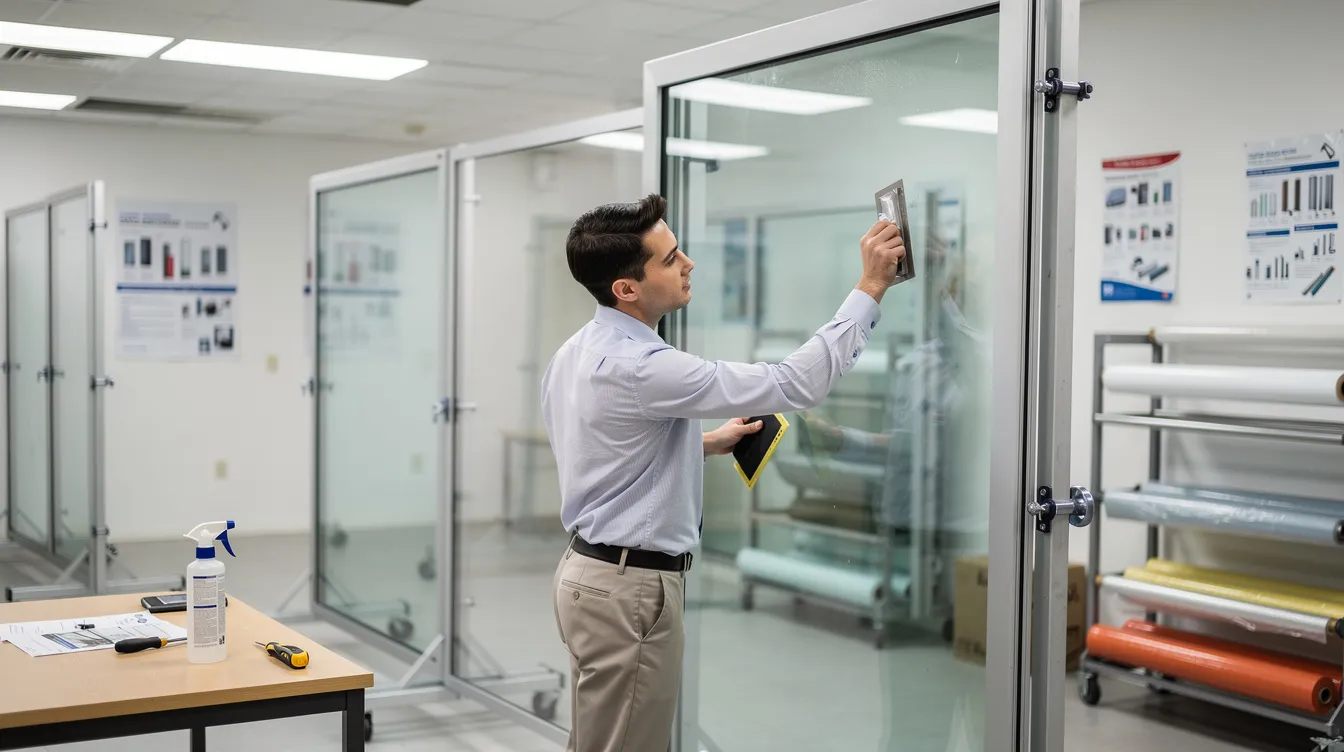
Hands-on components are central. You’ll learn to cut and apply film to different glass types, work with architectural surface wraps on various substrates, and troubleshoot common installation challenges like bubbling, alignment, and edge sealing.
Core training modules include:
- Technical installation (window film, surface wraps, decorative graphics)
- Sales and estimating (quoting residential vs. commercial projects)
- Marketing launch (local campaigns, digital presence, networking)
- Operations management (scheduling, inventory, crew supervision)
- Safety and compliance
- Customer experience and upselling techniques
On Site Training and Field Support Specific to CoolVu
CoolVu delivers on-site field support by sending trainers to your territory during launch. They ride along on your first sales calls, assist with installations, and ensure quality standards are met before you fly solo.
A new CoolVu owner’s first week in the field might look like this: quoting a residential energy-efficiency job on Monday, bidding a school security film project on Wednesday, and installing decorative glass film in a local medical office on Friday, all centered on growing demand for custom window solutions. The field trainer is there for each step, coaching on job setup, application techniques, quality checks, and upsell scripts for additional service concepts.
On-site support typically transitions into remote coaching after the initial launch period, with periodic site visits and always-available phone and video support.
Marketing, Lead Generation, and Brand-Building with CoolVu
Franchises often provide marketing tools and lead generation programs, and CoolVu is no exception. The franchise supports owners with national brand positioning, digital campaigns, a professionally built website, and local marketing templates including flyers, door hangers, and outreach emails.
CoolVu helps franchisees tap into both residential and commercial pipelines through outreach to property managers, general contractors, medical practices, and government facilities, positioning them well among the best franchises to buy right now in service industries. CRM tools and lead management systems reduce administrative overload so owners can focus on selling and installing.
Key lead sources include:
- Organic search traffic from the CoolVu website and local SEO
- Referrals from satisfied residential and commercial clients
- Repeat business from property portfolio managers
- Local networking with contractors, architects, and facility managers
- Branded merchandise and vehicle wraps generating local awareness
Revenue Streams: Residential, Commercial, and Specialty Projects
CoolVu’s revenue streams break into several categories that help smooth income year-round. Residential work picks up in warmer months as homeowners seek heat and glare reduction. Commercial projects often align with budget cycles at schools, hospitals, and corporate offices.
Commercial projects tend to produce larger one-time tickets and can lead to ongoing maintenance contracts. A single property management company with multiple buildings can become a recurring revenue source for years.
Sample job types and approximate ranges:
- Residential window film (single home): typically a few hundred to a few thousand dollars
- Small commercial tinting project (single office suite): moderate four-figure range
- Multi-building commercial retrofit (security or energy film): five-figure contracts
- Decorative graphics for retail or restaurant rebranding: varies by scope
- Architectural surface wraps for cabinets and walls: project-based, often bundled with other services
- Smart film installations for conference rooms or medical offices: premium pricing
How CoolVu Compares to Other Low Cost Franchises
Commercial cleaning franchises typically start under $75,000, with royalty rates of 4% to 7%. The work is physical, recurring contracts are common, but competition is intense and labor management is the primary challenge. The eco friendly cleaning niche adds differentiation but doesn’t fundamentally change the margin structure.
Medical billing franchises are desk-based with lower physical demands. They often require less capital but have longer sales cycles and depend heavily on building a pipeline of private practices. Compliance training is critical.
CoolVu occupies a middle ground. It’s a physical, technical service with visible results that make referrals and sales easier, fitting expert criteria for top franchise opportunities. Unlike commercial cleaning, the work produces tangible aesthetic and functional improvements (energy savings, security, privacy, design upgrades). Unlike medical billing, sales cycles can be shorter because the value proposition is visual and immediate. CoolVu franchise offers both project-based and recurring revenue, with collective buying power on materials and proprietary technology in smart films and surface finishes, characteristics often highlighted among the best franchises to buy in 2025.
The home services market was valued at $211.71 billion in 2024 and is projected to reach $893 billion by 2032, making it a recession resistant industry with long-term growth potential.
Common Mistakes to Avoid When Choosing a Low Investment Franchise
Franchise ownership carries risks despite federal regulations. Low-cost franchises may require thorough due diligence precisely because the lower price tag can mask important gaps. Here are the most common errors:
- Choosing based on franchise fees alone: A $10,000 franchise fee means nothing if working capital requirements push total investment to $80,000. Look at the full picture.
- Ignoring working capital needs: Franchisees often face unexpected expenses not disclosed upfront. Budget conservatively for 6 to 12 months of personal and operating expenses.
- Skipping FDD review: Franchise disclosure documents can be misleading about costs. Read every item, especially Items 5, 6, 7, 11, and 19. Hire a franchise attorney if needed.
- Not calling existing franchisees: Item 20 lists current and former franchisees. Call at least five. Ask about training quality, support responsiveness, and realistic ramp-up timelines.
- Believing unrealistic income guarantees: If someone promises you’ll replace your salary in 90 days, walk away.
- Accepting remote-only training for a hands-on business: If the franchise involves physical work, you need in-person and on site training. Period.
- Underestimating local sales effort: Even with national advertising and brand support, you must prospect, network, and build relationships in your territory.
Decision Framework: Is CoolVu the Perfect Franchise for You?
Finding the perfect franchise isn’t about finding a perfect business. It’s about finding the right match between your money, time, skills, market, and lifestyle.
CoolVu’s home-based, low overhead structure works for owners who want to build a rewarding business with their own hands, not sit behind a desk waiting for leads. The model rewards effort, relationship-building, and technical craftsmanship.
If you can answer “yes” to most of these, CoolVu may be a strong fit:
- You have approximately $50,000 in liquid capital available
- You can commit full-time for the first 1 to 2 years
- Your territory has commercial buildings, schools, medical facilities, and sun-exposed residential areas
- You’re comfortable with both sales conversations and light construction environments
- You want a franchise with structured training, not just a brand name
- You’re interested in multi unit growth potential, not just a single-territory job
- You value strong franchisee support over the lowest possible entry price
FAQs About Low Investment Franchises with Training and Support
Do I need prior trade or construction experience to own a CoolVu franchise?
No. CoolVu’s training program is designed for beginners and career changers with no prior window film or construction background. The multi-day intensive covers everything from film application techniques to quoting and sales, so you arrive at your first job prepared.
How long does it take to get trained and start generating revenue?
Most CoolVu franchise owners move from signing to completing training within 60 to 120 days, depending on scheduling and territory preparation. Revenue generation typically begins during or shortly after the on-site launch support phase, though building consistent income takes 6 to 12 months of focused effort.
What is on site training and how much of it does CoolVu provide?
On site training means CoolVu sends field trainers to your territory during your launch period. They accompany you on sales calls, assist with first installations, and coach you through real customer interactions. This continues until you’re confident and competent with core job types.
How is CoolVu different from a traditional commercial cleaning or medical billing franchise?
CoolVu delivers visible, high-value results on glass and surfaces, which makes referrals and word-of-mouth marketing more natural. Unlike commercial cleaning, which is often commoditized, CoolVu’s service line includes energy efficiency, security, privacy, and decorative solutions. Unlike medical billing, CoolVu involves physical, on-site work with faster sales cycles.
What kind of ongoing support will I receive after my first year?
CoolVu provides ongoing coaching calls, marketing campaign support, technology updates, regional meetings, and access to a peer network of franchise owners. Training doesn’t stop after launch. Ongoing education on new products, regulations, and techniques continues throughout your franchise term.
How soon could I realistically replace a full-time salary?
This varies by market, effort, and territory. Many home services franchisees reach profitability within 12 to 24 months, with full investment recovery typically in 24 to 36 months. CoolVu is transparent that building a thriving business requires consistent local sales activity and customer relationship development.
What should I look for in low cost franchise opportunities with training and support?
Focus on franchises with a proven business model, transparent cost disclosures, comprehensive initial and ongoing training, on-site launch support, and documented financial performance. Read the franchise disclosure document carefully, call existing franchisees, and verify that the training covers both technical and business skills.
Why Choose CoolVu for Your Low Investment Franchise in 2026?
CoolVu stands out in the low investment franchise space because of what it delivers beyond the price tag. The total investment of $70,000 to $120,000 gets you a home-based operation with protected territories, comprehensive training from zero experience to professional installer, and on-site field support during your most critical early weeks, as reflected in franchisee reviews highlighting training and support.
The product line goes far beyond basic window tinting. Smart and switchable films, security and privacy solutions, decorative graphics, and architectural surface finishes give you service diversity that most competitors in the window film space can’t match. This translates to multiple revenue streams serving both residential and commercial clients in a market with steady demand and long-term growth.
CoolVu’s commitment to franchisee success shows in the details:
- In-house financing options to make entry more accessible
- Protected territories that prevent internal competition
- Proprietary technology in smart films and surface products
- A brand focused on multi unit growth for high-performing owners, backed by franchisee testimonials that speak to long-term growth potential
- Honest onboarding that tells you exactly what to expect as published in Entrepreneur Magazine franchise rankings
How to Get Started with CoolVu: Next Steps
The path from curiosity to launch is straightforward:
- Submit an inquiry: Fill out the contact form on CoolVu’s franchise website to start a conversation
- Introductory call: Speak with the franchise development team about your background, goals, and territory interest
- Review the FDD: Receive and study the franchise disclosure document, ideally with a franchise attorney
- Validation calls: Talk to existing CoolVu franchise owners about their real experience
- Discovery Day: Visit CoolVu’s headquarters to meet the team, see training facilities, and ask final questions
- Sign and schedule: Execute your franchise agreement and lock in your training dates
- Train, launch, earn: Complete training and begin serving customers in your protected territory
Most candidates move from first call to signing in 60 to 90 days, with training and opening targeted within another 60 to 120 days. Come prepared with questions about the initial investment, training depth, on site support, and territory availability.
Conclusion: Turn a Low Investment and Strong Training into Long-Term Ownership
In 2026, the best low cost franchises combine accessible investment with real-world training and ongoing support. A logo and a manual aren’t enough. What separates franchise owners who build lasting businesses from those who struggle is the depth of preparation and the strength of the system behind them.
CoolVu embodies these elements through its home-based model, extensive technical and business training, on-site launch support, and a deep product line in window films, surface finishes, and smart glass technology. It’s a rewarding business built for people willing to do the work.
Whether CoolVu is your next move or you’re still comparing franchise opportunities, take what you’ve learned here and apply it. Request the FDD. Call existing franchisees. Run your own market scan. The research you do now is the foundation of the business you’ll build tomorrow.