
Table of Contents
Step 1: Self-Assessment and Defining Your ‘Why’
Before you analyze a single Franchise Disclosure Document or compare investment levels, the first question to ask is how do you open a franchise the right way for your goals. First, the most critical analysis must be directed inward. In fact, the path to successful franchise ownership begins not with a business plan, but with a personal one. Ultimately, this foundational step ensures the business you build is one that truly serves your life, rather than one your life is forced to serve.
Are You an Operator or an Owner? Aligning Your Role with Your Goals
This is the first and most important question you must answer. A franchise Operator is hands-on, deeply involved in the daily execution of the business. They are the ones on the tools, making the sale, or providing the service. An Owner, by contrast, focuses on steering the ship. They work on the business by hiring and managing staff, analyzing financial performance, and planning for strategic growth.
There is no right or wrong answer, but there is a right fit for your goals. For experienced entrepreneurs, the goal is often to avoid being pulled into the daily grind of a new venture. You seek a system that empowers you to be an owner from the outset, not one that forces you into an operator role due to inefficient processes or a lack of support.
A truly robust franchise system provides the structure, tools, and training that allow you to choose your role. It creates a pathway to transition from operator to owner or enables you to manage the business effectively as an owner from day one. Your choice of franchisor will ultimately determine if you are buying a job or investing in a scalable business asset.

Evaluating Your Skills, Passion, and Financial Readiness
With a clear vision of your desired role, the next step is a candid inventory of your resources. This evaluation must be honest, as it will form the bedrock of your conversations with potential franchisors.
- Skills: Go beyond your resume. Your past experience in management, sales, marketing, or finance is valuable, but equally important, so are your soft skills. Are you a natural leader, a skilled negotiator, or a systems-oriented thinker? To begin with, identify your strengths and be honest about your weaknesses. A premier franchisor will not expect you to be an expert in everything. Instead, they will show you a clear plan for how their franchise training and support systems will fill your knowledge gaps.
- Passion: You do not need to be passionate about the specific product or service on day one, but you must be passionate about the business model. You should be energized by the prospect of solving customer problems, leading a team, and building a respected brand in your community. This passion is the fuel that will sustain you through the challenges of the startup phase.
- Financial Readiness: This is a straightforward, yet crucial, assessment. At the outset, it involves more than just the initial franchise fee. You must have a clear understanding of your net worth, liquid capital available for investment, and access to funding. Just as importantly, you need to calculate your personal living expenses to ensure you have sufficient reserves to support yourself and your family until the business reaches profitability. In the end, a transparent franchisor will help you understand the full scope of the initial investment and guide you through financial planning with realistic projections.
Defining Success on Your Terms: Income, Lifestyle, and Legacy
Why are you doing this? The answer to this question is your ultimate ‘why,’ the North Star that will guide every subsequent decision. Success is not a universal metric, and a franchise model that helps one person achieve their dreams may be a poor fit for another. Take the time to define what a successful outcome looks like for you.
Consider these three pillars of success:
- Income: Be specific. What is your target annual income from the business in year one, year three, and year five? Does the franchise model you are considering have a proven history of allowing owners to meet these types of financial goals?
- Lifestyle: What do you want your day-to-day life to look like? Are you seeking a 9-to-5 schedule, or do you want the flexibility to set your own hours? Do you want to build a business that allows for more family time and travel? Ensure the operational demands of the franchise align with the lifestyle you envision.
- Legacy: Think long-term. Is your goal to create a sellable asset for retirement? Are you building a business that you can pass down to your children? Or is your aim to create jobs and become a pillar of your local business community?
Your personal definition of success is the lens through which you must evaluate every franchise opportunity. The most critical decision you will make is choosing a franchisor whose system is not only proven and profitable, but one that is fundamentally designed to help you achieve your unique vision of a well-lived life.
Step 2: Research and Discovery – Finding Your Best-in-Class Fit
With a clear understanding of your own goals, the next phase is an objective, systematic evaluation of the franchise landscape. This is not about chasing the “hottest” new concept. It’s about identifying a business with a durable market position and a support structure engineered for franchisee success. For a seasoned entrepreneur, this stage is about efficiency: finding a model that integrates smoothly and accelerates growth, rather than creating an operational drag.
Moving Beyond Trends to Identify Enduring Market Demand
A critical error many aspiring owners make is confusing a temporary trend with a permanent market shift. A popular food concept might enjoy a year of buzz, but a franchise built on foundational needs like property maintenance, energy efficiency, or security offers a more stable, long-term trajectory.
Enduring demand stems from solving a persistent problem. Ask yourself:
- Does this business address a non-negotiable need for its customers?
- Is the demand for this service likely to grow due to economic, environmental, or social factors?
- Can the business model adapt to changing technology and customer expectations?
A best-in-class franchise is anchored in a resilient industry. The strength of the franchisor is then measured by how effectively they’ve built a system to dominate that market, providing you with a significant head start over independent competitors.
The Franchise Discovery Process: Vetting the Brand and Leadership
The formal franchise discovery process is a two-way interview. At its core, while the franchisor is qualifying you, your primary task is to vet them with equal rigor. Importantly, this goes far beyond the product or service. You are evaluating the entire ecosystem you will be operating within. Typically, this process involves initial calls with a development team, a detailed review of the Franchise Disclosure Document (FDD), and conversations with key leadership.
As you progress, pay close attention to the culture. Is it one of command-and-control, or collaboration and support? More importantly, is leadership accessible and invested in your journey, or are they distant figureheads? A transparent, supportive culture led by industry veterans is a powerful indicator of a healthy system. Ultimately, this is the bedrock of the franchisor-franchisee relationship and will directly impact your operational ease and long-term satisfaction.
Evaluating the Strength of a Franchise’s Business Model
A strong business model is more than just a good idea. It is a refined, documented, and teachable system that has been proven to generate profit. This is the core intellectual property you are buying into. When you analyze a franchise’s model, you are looking for evidence of a well-oiled machine.
Key components to scrutinize include:
- Unit Economics: What are the typical profit margins? What are the key drivers of revenue and the primary costs? A strong model will have clear, favorable, and predictable unit economics.
- Competitive Differentiation: How does the franchise stand out in the marketplace? Is it through proprietary technology, a unique service method, superior marketing, or exclusive supplier relationships? Without a clear “moat,” you will be left competing on price alone.
- Scalability: Does the model provide a clear path for growth, whether through expanding territory, adding service vehicles, or hiring more staff? A great franchisor has already built the roadmap for your expansion.

Ultimately, you are assessing the franchisor’s ability to turn a complex business into a series of manageable, executable steps. A robust model minimizes guesswork and allows you to focus your energy on execution and growth, not on reinventing standard operating procedures.
Asking the Right Questions During Validation Calls
Validation calls with existing franchisees are your single best source for unfiltered truth. This is your opportunity to speak with the people who are living the business day in and day out. Do not waste it on superficial questions. Your goal is to understand the reality of the franchisor’s promises.
Move beyond “Are you successful?” and ask more pointed questions that reveal the strength of the system:
- “When you first started, how did the franchisor’s training prepare you for the first 90 days of operation?”
- “Can you give me a specific example of a time you had an operational challenge and the corporate support team helped you solve it?”
- “How effective is the national marketing in generating qualified leads for your business?”
- “Looking at the financial performance information the franchisor provided, how did it compare to your actual experience in your first and second years?”
- “If you could go back, what one piece of advice would you give yourself before signing the franchise agreement?”
The consistency of the answers you receive across multiple franchisees will paint the most accurate picture of the support system you are considering joining. Enthusiastic, specific praise for the franchisor’s systems is a green light. Vague or hesitant responses are a sign to proceed with caution.
Step 3: Understanding the Financials and Securing Funding
Once you have identified a franchise with a strong business model and a supportive culture, the focus shifts to the numbers. A thorough understanding of the investment and a well-structured financial plan are essential. A top-tier franchisor will be transparent with their figures and have systems in place to help you navigate the funding process, further demonstrating the value of a comprehensive support system.
Deconstructing the Initial Investment: Fees, Royalties, and Startup Costs
The total investment required to open your franchise is detailed in Item 7 of the FDD. It is crucial to understand what each dollar covers. The initial investment is typically comprised of three main categories:
- Franchise Fee: This is a one-time, upfront cost for the right to use the franchisor’s brand, systems, and intellectual property. It typically covers your initial training, site selection assistance, and grand opening support. View this not as a simple fee, but as your tuition and entry into a proven business ecosystem.
- Royalty Fees and Other Fees: These are ongoing fees, usually calculated as a percentage of your gross revenue. Royalties fund the franchisor’s continuous support, including coaching, technology development, and ongoing training. Other fees may cover brand marketing funds or specific software licenses. A strong system reinvests these fees into services that directly benefit franchisee profitability.
- Startup Costs: This is the capital required to get your doors open. It includes everything from equipment and vehicle wraps to initial inventory, insurance, professional fees, and most importantly, working capital to cover expenses before you reach break-even.
Building a Realistic Business Plan and Projecting Profitability
Your business plan is your personal roadmap to success. While a franchisor may provide templates, the most effective plans are customized to your specific territory and financial situation. For an experienced owner, this exercise is about stress-testing the franchisor’s model against your local market realities.
A great franchisor makes this process more efficient and accurate. They should provide robust data, tools, and benchmarks drawn from their network’s performance. Use this information as your foundation, then layer in your own research on local demographics, competition, and labor costs. The goal is to create a conservative, yet ambitious, pro forma that clearly projects your revenue, expenses, and timeline to profitability.

Navigating Your Funding Options: SBA Loans and ROBS
Securing funding is a critical step, and having multiple options is key. The most established franchisors often streamline this process for their candidates.
Common funding avenues include:
- SBA Loans: The U.S. Small Business Administration guarantees a portion of these loans, making them more attractive to lenders. Franchises listed on the SBA Franchise Directory often have a more streamlined approval process.
- Rollovers for Business Start-ups (ROBS): This strategy allows you to use eligible retirement funds to finance your business without incurring early withdrawal penalties or taxes. It is a complex process that requires a specialized third-party administrator.
- Traditional Bank and Portfolio Loans: Using your own assets or relationships with local banks can also be a viable option.
A key benefit of a top-tier franchise system is its reputation among lenders. Banks are more willing to fund a business model they know and trust. The best franchisors have established relationships with third-party funding specialists who can guide you to the right solution for your circumstances, saving you invaluable time and effort.
How Financial Performance Data Informs Your Decision
Item 19 of the FDD is where a franchisor can disclose data about the financial performance of its franchisees. While not legally required, a strong and transparent Item 19 is one of the most powerful proofs of a successful business model. It is the ultimate form of “showing the work.”
A franchisor that is confident in its system and the success of its owners will provide this data. Look for detailed breakdowns of gross revenues, key expenses, and profit metrics. The absence of an Item 19 should be a significant red flag. It forces you to rely solely on franchisee validation and begs the question: If the system is so successful, why not share the data? A robust Item 19 gives you the concrete data needed to build your business plan and provides the ultimate validation of the franchisor’s claims.
Step 4: The Legal Deep Dive and FDD Review
After confirming financial readiness and cultural fit, the franchise journey moves into its most critical due diligence phase. This stage is centered on the Franchise Disclosure Document, or FDD. Far from being a mere formality, this document is your blueprint for the business relationship, offering a transparent look into the franchisor’s history, health, and operational model. A thorough review here is what separates a calculated investment from a leap of faith.
The FDD as a Roadmap for Entrepreneurship
The Federal Trade Commission (FTC) requires franchisors to provide prospective franchisees with the FDD at least 14 days before any contract is signed or payment is made. This document is standardized into 23 distinct sections, known as “Items,” each designed to answer key questions about the franchise opportunity.
Think of it not as a dense legal text, but as a detailed roadmap. While every section is important, a few Items provide an immediate, high-level overview:
- Item 1: The Franchisor. This details the company’s history and corporate structure.
- Item 7: Estimated Initial Investment. This table breaks down all the anticipated costs to open the business, from the franchise fee to equipment and initial marketing.
- Item 11: Franchisor’s Assistance, Advertising, and Training. This is a crucial section detailing the support you will receive.
- Item 19: Financial Performance Representations. If a franchisor makes any claims about potential earnings or revenue, they must be substantiated here. Its presence signals a high degree of transparency.
- Item 20: Outlets and Franchisee Information. This provides tables showing franchise growth and a list of current and former franchisees you can contact.

What an FDD Reveals About Franchisor Support
Here is where a prospective owner, especially an experienced one, can truly discern the quality of a franchise system. Two FDDs might look similar on the surface, but the details within Item 11 reveal everything about the franchisor’s commitment to your success. A mediocre FDD might vaguely mention “initial training.” A superior FDD from a top-tier franchisor will specify the exact duration of training, the subjects covered, and the ongoing support provided.
Does the franchisor detail its proprietary software, CRM systems, and the technical support included? Does it outline the structure of its national and local marketing funds? A weak FDD creates ambiguity, leaving the franchisee to guess at the level of support. A strong FDD, by contrast, clearly defines the franchisor’s obligations, demonstrating a proven, comprehensive system designed to reduce operational burdens and accelerate your launch.
Understanding the Franchise Agreement
Attached as an exhibit to the FDD is the Franchise Agreement. While the FDD discloses information, the Franchise Agreement is the legally binding contract that will govern your relationship with the franchisor for years to come.
This is the document you will ultimately sign. It translates the FDD’s disclosures into contractual obligations for both parties. Key areas to focus on include the term of the agreement, renewal rights, fee structures, brand standards, your protected territory, and the conditions for transferring or terminating the franchise. A clear and fair agreement protects both you and the brand, creating a solid foundation for a long-term partnership.
Why Consulting with a Franchise Attorney Is Non-Negotiable
No matter how many businesses you have run or contracts you have signed, engaging a qualified franchise attorney is an indispensable step. These legal experts specialize in franchise law and can decipher the dense language of the FDD and Franchise Agreement.
An attorney will help you:
- Identify any unusual or potentially predatory clauses.
- Understand the full extent of your financial and operational obligations.
- Clarify territory rights, renewal terms, and exit strategies.
- Prepare for a more informed conversation with the franchisor.
This investment provides both peace of mind and critical protection. A great franchisor will not only expect this step but will actively encourage it, as they are confident in the fairness and integrity of their agreements.
Step 5: Finalizing the Agreement and Launching Your Business
With your legal review complete and all questions answered to your satisfaction, you arrive at the pivotal moment: formalizing the partnership. This is where your franchise ownership steps transition from evaluation to execution.
The Moment of Commitment: Signing the Franchise Agreement
Signing the Franchise Agreement is the culmination of your extensive research and due diligence. It represents a mutual commitment. You are agreeing to uphold the brand’s standards and execute its proven model, and the franchisor is committing to provide the training, tools, and support necessary for you to build a successful business. This is the official start of your entrepreneurial journey within a structured and supportive ecosystem.
From Signature to Grand Opening: The Onboarding Timeline
Once the agreement is finalized, a world-class franchisor immediately activates a well-orchestrated onboarding process. This is not a series of ad-hoc emails but a structured, multi-week launch plan designed to move you efficiently from franchisee-in-training to business owner-in-operation. For an experienced entrepreneur concerned with operational drag, the quality of this timeline is a key indicator of the system’s efficiency.
A comprehensive onboarding plan typically includes:
- Week 1: A welcome and strategy call with the corporate team to establish timelines and key milestones.
- Weeks 2-3: Guided setup of your business entity, bank accounts, and access to proprietary software.
- Weeks 4-5: Deep-dive training, covering product knowledge, installation techniques, sales, and financial management.
- Weeks 6-7: Assistance with ordering initial equipment and inventory, plus the launch of pre-opening marketing campaigns.
- Week 8: Final preparations and execution of your grand opening, often with direct support from a corporate representative.

The Importance of Comprehensive Training
The single biggest differentiator for a rapid and successful launch is the quality of the franchisor’s training program. Effective training goes far beyond the technical aspects of the product or service. A truly supportive system ensures you are an expert in every facet of running the business from day one.
Comprehensive training should meticulously cover three core pillars:
- Technology: Mastering the franchisor’s full tech stack, including the CRM for lead management, scheduling software, and financial reporting tools.
- Sales and Marketing: Internalizing the proven sales methodology, understanding how to leverage national brand marketing, and learning to execute local marketing initiatives.
- Operations: Gaining proficiency in day-to-day business management, from quoting and invoicing to inventory control and customer service protocols.
This holistic approach dramatically reduces the learning curve, minimizes costly early mistakes, and empowers you to generate revenue almost immediately.
Executing a Proven Launch Plan
Ultimately, signing a franchise agreement with a premier brand means you are not starting from scratch. You are gaining access to a business-in-a-box, complete with a launch playbook that has been tested, refined, and perfected across hundreds of locations over many years.
Every step, from securing your first lead to managing your first installation, is part of a system engineered for replication and success. This eliminates the guesswork and operational burden that plagues independent startups. For the seasoned entrepreneur, it provides an efficient vehicle for market entry. For the first-time owner, it provides a safety net of proven processes. Your role is not to invent the plan, but to execute it with excellence, backed by a team that is wholly invested in your growth.
How a Premier Franchisor Simplifies How You Open a Franchise
The path to starting a franchise business involves a universal set of steps, from initial research to your grand opening. However, the experience of navigating that path is determined almost entirely by the quality of the franchisor you choose. A premier franchisor does not just sell you a brand name. They provide a meticulously engineered system designed to minimize friction and maximize your potential for success from the moment you sign the agreement.
This is where the true value of a franchise system is revealed. It is the difference between being handed a map and being given a GPS with a full tank of gas and a dedicated co-pilot. A top-tier franchisor transforms a complex process into a clear, manageable journey.
Minimizing Operational Burden with a Turnkey System
One of the greatest challenges for any new business is creating the vast operational infrastructure required to function. The administrative setup can be overwhelming, from developing software to establishing supplier relationships and creating operating procedures. A premier franchise eliminates this burden with a true turnkey business system.
A sophisticated turnkey system is a comprehensive, pre-built business model that allows you to focus on revenue-generating activities from day one. Key components typically include:
- Proprietary Business Management Software: A centralized platform for scheduling, quoting, invoicing, and managing customer relationships.
- Streamlined Supply Chain: Established relationships with approved vendors, providing pre-negotiated pricing and reliable access to high-quality materials.
- Documented Standard Operating Procedures (SOPs): A complete playbook covering everything from the sales process and installation to customer service and financial reporting.
- Financial and Administrative Frameworks: Tools and guidance for bookkeeping, payroll, and managing key performance indicators.
This level of operational support dramatically reduces the time and effort required to get your business off the ground.
Leveraging Established Marketing and Sales Funnels
For an independent startup, the first and most difficult hurdle is generating customer awareness and leads. It can take months of expensive trial and error to build a reliable marketing and sales funnel. In a premier franchise system, you inherit a powerful, lead-generating engine that has been refined over years of operation.
Instead of starting from a standstill, you tap into an established brand presence and a professionally managed marketing strategy. Strong marketing support provides a multi-layered approach to customer acquisition that includes national brand building, a sophisticated digital presence driving qualified leads directly to you, and a library of professionally designed marketing assets for local use. This immediate access to a proven sales and marketing funnel is a powerful accelerator.
The Value of a Support System and Expert Guidance
Beyond systems and software, the most valuable asset a premier franchisor provides is its people. A robust franchisor support structure acts as both a safety net and a launchpad, offering expert guidance at every stage of your business journey.
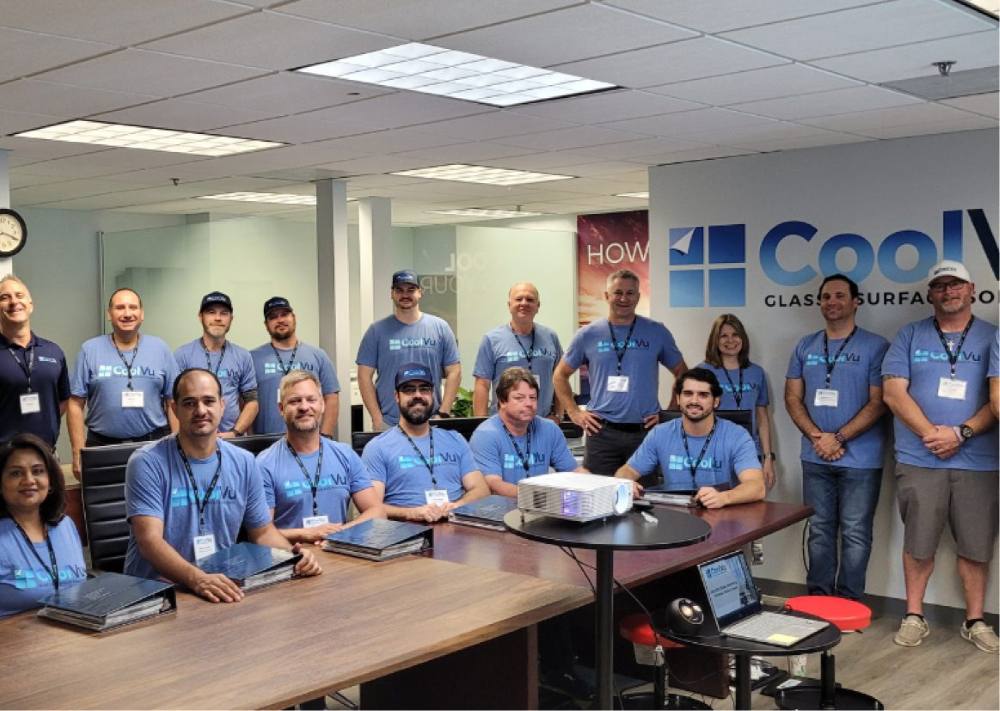
Comprehensive support is an ongoing partnership. It begins with intensive initial training and extends to a continuous network of guidance that includes a dedicated franchise business coach for one-on-one mentorship, a community of fellow franchisees for peer-to-peer learning, and a corporate team for ongoing technical and operational assistance. This ecosystem of support ensures you are never alone and dramatically shortens your learning curve.
For the Experienced Entrepreneur: Efficiently Integrating a New Business
For a seasoned entrepreneur, the appeal of a franchise is about strategic expansion. The primary concern is how to integrate a new venture efficiently, without it becoming an operational distraction that drains time and resources.
This is where a premier, system-driven franchise excels. The turnkey operational model and established marketing funnels are not just for beginners. For an experienced operator, they represent maximum efficiency. You can sidestep the foundational work of building a business from scratch and instead apply your expertise to higher-level strategy, such as scaling and market penetration. A premier franchise offers a proven, profitable business engine that can be seamlessly plugged into your existing portfolio, delivering predictable results and a faster return on investment.
To learn how do you open a franchise with a proven system and expert support, connect with CoolVu Franchise and explore the opportunity.
Frequently Asked Questions
What are the first steps to opening a franchise?
The very first step is a self-assessment to define your personal and financial goals. You need to determine what role you want to play (owner vs. operator), evaluate your skills, and understand your financial readiness before you even begin looking at specific franchise opportunities.
What is the most important part of the franchise discovery process?
While reviewing the financials and the business model is crucial, the most revealing part of the franchise discovery process is the validation calls with existing franchisees. These conversations provide unfiltered insights into the reality of the franchisor’s support, training, and culture, helping you understand if the company’s promises match the day-to-day experience of its partners.
Do I need experience in a specific industry to buy a franchise?
Not necessarily. A premier franchisor provides comprehensive training and support systems designed to teach you their specific business model, regardless of your background. They are more interested in your transferable skills in management, sales, and leadership, as well as your passion for building a business.
How much does it really cost to open a franchise?
The total cost, or initial investment, is more than just the franchise fee. It includes all startup costs like equipment, inventory, insurance, and working capital to cover expenses until you are profitable. This information is detailed in Item 7 of the Franchise Disclosure Document (FDD), which provides a clear and itemized estimate of all anticipated costs.
Why is the Franchise Disclosure Document (FDD) so important?
The FDD is a standardized document required by law that provides a transparent and comprehensive overview of the franchise system. It contains 23 sections covering the franchisor’s history, financials, fees, obligations, and more. A thorough review of the FDD, ideally with a franchise attorney, is the most critical due diligence step you can take to protect your investment and understand the long-term partnership you are entering.
More Interesting Posts: