Table of Contents
From Operator to Investor Mindset
A New Framework for Buying a Franchise Business
As a seasoned entrepreneur, your perspective on acquiring a new business is inherently different. You are not looking for a job or a way to escape the 9-to-5. You are looking for a strategic asset that can enhance your portfolio, generate superior returns, and operate with an efficiency that does not demand your constant, hands-on intervention. This requires moving beyond the standard franchise evaluation checklist and adopting a new framework that treats the franchise not as a business to build from scratch, but as a high-performance system to acquire and deploy.
Shift from an Operator to a Strategic Investor
Your success to date has likely been built on an operator’s mindset. You know how to grind, solve problems on the fly, and build processes where none existed. That drive is invaluable. However, when evaluating a franchise, it is crucial to shift from the operator, who asks “How can I run this business?”, to the strategic investor, who asks “How does this business system run itself?”.
An investor acquires assets that produce cash flow with predictable inputs. They are less concerned with the day-to-day tasks and more focused on the underlying system’s ability to perform consistently and scale efficiently. This shift means your primary goal is not to buy a business you have to fix or perfect, but to license a finely tuned operational engine. As an investor, you provide capital and high-level oversight, not reinvent the wheel.
Your Experience: An Asset and a Potential Blind Spot
Your experience gives you a significant advantage. You can read a P&L statement with a critical eye, you understand the nuances of managing people, and you have a gut instinct for market opportunities. This acumen allows you to cut through marketing fluff and assess the fundamental health of a business model far more effectively than a novice.
However, that same experience can create a critical blind spot: the temptation to “improve” the system. The entrepreneurial instinct is to innovate and customize. While this serves you well in your own ventures, applying it prematurely to a best-in-class franchise can be counterproductive. You are paying a premium for a proven, replicable model. The true strategic play is to execute that model with discipline, leveraging the franchisor’s extensive R&D and hard-won lessons. Resisting the urge to tinker is not a sign of weakness. It is a sign of a disciplined investor who understands where the real value lies.
The Franchise as a High-Performance System
This brings us to the central thesis: you are not buying a brand name and a product. You are investing in a comprehensive, high-performance system. Think of it less like buying a car and more like acquiring the entire assembly line that produces it. A superior franchise provides a fully integrated ecosystem designed for operational excellence.
This system is the solution to your biggest concern, the time and effort required to launch and stabilize a new venture. A truly robust system minimizes your operational burden by design. The sales process is mapped, marketing campaigns are tested, technology is integrated, and the supply chain is secured. Your job is not to build these components, but to manage the inputs and outputs of a machine that is already built to run efficiently. The value is in the replicability that allows you to achieve predictable results without the years of trial and error you have already endured.
Defining Your Criteria for a Best-in-Class Franchise Investment Opportunity
With this investor mindset, your evaluation criteria must evolve. You are not just kicking the tires, you are running a strategic due diligence process to determine if this asset will outperform other opportunities in your portfolio. Your analysis should center on the quality and efficiency of the system itself.
As you evaluate potential franchise investment opportunities, consider these core criteria:
- System-Driven Profitability: Look beyond top-line revenue projections. How does the system’s operational structure directly influence bottom-line profitability? Analyze the built-in efficiencies in labor, marketing spend, and cost of goods sold that are a direct result of the franchisor’s model.
- Scalability Without Complexity: How does the system support multi-unit ownership? A best-in-class franchise has a clear path for expansion that does not require you to reinvent your management structure each time. The systems for training, reporting, and marketing should scale seamlessly from one unit to five or more.
- Return on Invested Time: Your time is your most valuable asset. The franchise fee and royalties you pay are an investment in conserving that asset. Does the franchisor’s support and technology stack genuinely save you time and reduce your managerial burden, freeing you to focus on high-level strategy rather than daily firefighting?
- Resilience and Adaptability: A strong system is not brittle. Scrutinize how the franchisor has adapted the model to past market shifts, technological changes, or supply chain disruptions. This demonstrates a commitment to long-term viability and protects your investment from becoming obsolete.
The Profitability Litmus Test: Metrics for Portfolio Diversification
For the experienced entrepreneur, adding a franchise to your portfolio is a capital allocation decision. You are not looking for a job. You are acquiring an asset and a system you expect to outperform other potential investments. This requires moving beyond a surface-level P&L and scrutinizing the metrics that reveal a franchise’s true potential as a high-performance, scalable addition to your holdings.
A Sophisticated Analysis of the Franchise Disclosure Document (FDD) Item 19
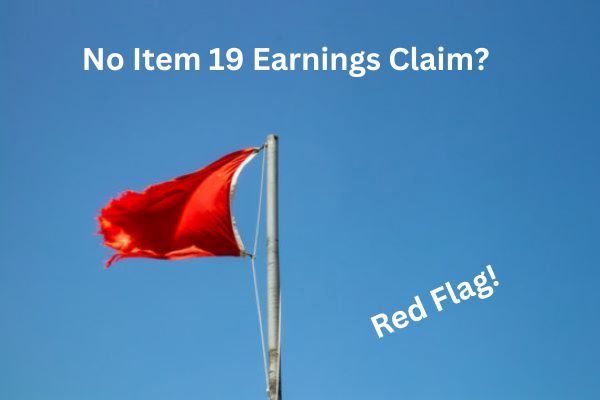
Any serious investor knows to turn to the Item 19 Financial Performance Representation in the franchise disclosure document (FDD). But where a novice sees a simple revenue number, a strategic operator looks for the story behind it. A robust Item 19 does not just provide a single, enticing average. It offers a detailed, transparent breakdown that allows for a sophisticated risk assessment.
You should be looking for data segmented by cohorts. This could include performance based on territory size, length of time in operation, or even tiers of top, middle, and bottom performers. This level of detail is a hallmark of a confident, transparent franchisor. It allows you to model realistic scenarios, not just best-case fantasies. Scrutinize the footnotes and assumptions. Do the figures include or exclude key expenses? Are they based on corporate-owned locations or a wide sample of franchisee-owned units? A vague or overly optimistic Item 19 is a red flag. A detailed, sober one is an invitation to a serious business conversation.
Calculating True ROI: Moving Beyond the Initial Investment
The initial franchise fee and build-out cost are just the opening chapter of the investment story. True return on investment can only be calculated by projecting a complete financial picture that accounts for the full cost of operating and scaling the business. As a seasoned operator, you know that top-line revenue is vanity and net profit is sanity.
To calculate a realistic ROI, your model must include:
- Total Initial Capital: This includes the franchise fee, equipment, initial inventory, and at least six months of working capital to cover expenses before reaching break-even.
- Ongoing Fees: Factor in royalty fees, marketing fund contributions, and any technology fees.
- Owner’s Time and Compensation: Your time is a valuable asset. A true ROI calculation accounts for a market-rate salary for the operator, whether that is you or a manager. If the business cannot support this, it is not a self-sustaining asset.
- Ramp-Up Period: No business is profitable from day one. A strong franchisor will provide data in their Item 19 that helps you project a realistic timeline to profitability, allowing you to forecast your cash flow needs accurately.
The final calculation provides a much clearer picture of the franchise’s performance as a portfolio asset, allowing for a direct, apples-to-apples comparison with other investment opportunities.
Evaluating Royalty Fees as an Investment
Many entrepreneurs view the royalty fee as a simple tax on their revenue. This is a fundamental misunderstanding of a healthy franchise relationship. In a top-tier system, the royalty is not a fee you pay, it is an investment you make in the ongoing strength and competitiveness of the very system you bought into.
The critical question is: what does your royalty investment fund? You are paying for the franchisor to act as your dedicated R&D, marketing, and technology department. A strong franchisor reinvests these funds to deliver tangible value that keeps the entire network ahead of the curve. This includes developing new products and services, negotiating superior pricing with national suppliers, refining operational software, and executing brand-level marketing that would be impossible for a single operator to afford. When you evaluate the royalty, do not just ask “how much?”. Ask “what for?”. A low royalty might seem attractive, but it often signals a franchisor that lacks the resources to support its franchisees and innovate for the future, diminishing the long-term value of your asset.
Understanding Territory Rights and Growth Potential
Your franchise territory is more than just a geographic area of operation. It is the foundational asset upon which your future growth is built. The structure of these rights in the franchise agreement directly impacts your ability to scale, your protection from internal competition, and the ultimate resale value of your business.
A well-defined, protected territory is a critical feature. It ensures that another franchisee, or even the franchisor itself, cannot open a competing location within your designated zone. This provides you with the security to invest confidently in local marketing and build market share without fear of cannibalization. For the portfolio-minded investor, the conversation should also include multi-unit development rights. Does the agreement provide a clear path or a right of first refusal on adjacent territories? This foresight is essential for building a regional enterprise rather than just a single successful location. A franchise that offers a clear, protected, and scalable territory model is designed for empire-builders, not just single-unit operators.
Integration Without the Burden: Launching Your New Venture Smoothly
For a seasoned entrepreneur, time is the most valuable and least renewable resource. The prospect of adding another venture is appealing only if it does not create an unsustainable drag on your existing operations and personal bandwidth. This is where a truly elite franchise system distinguishes itself. It is not about buying a job. It is about acquiring a system engineered for rapid, efficient integration into your portfolio.
The real value proposition is a launch process so refined that it minimizes your direct time involvement while maximizing the potential for a strong start. This is not about being hands-off, but about applying your strategic oversight to a process that is already 90% solved.
Hallmarks of a Turnkey Pre-Launch System
The term “turnkey” is overused. In the context of a high-performance franchise, it refers to a comprehensive, meticulously planned pre-launch sequence that begins the moment you sign the franchise agreement. It is a project plan executed for you and with you, not a binder of instructions left for you to figure out.
A superior pre-launch system should include:
- A Detailed Onboarding Roadmap: A week-by-week checklist from signing day to grand opening, with clear milestones and designated points of contact.
- Centralized Vendor and Supply Chain Setup: The franchisor should handle or facilitate the setup of all necessary accounts with approved suppliers.
- Comprehensive Digital Infrastructure Deployment: A top-tier system will configure and deploy your local website, business email, social media presence, and system-wide CRM and scheduling software.
- A “Business in a Box” Starter Kit: You should receive a package containing initial marketing collateral, operational forms, HR templates, and brand guides.

Minimizing Your Time Commitment in the First Year
The first 12 months are a critical period of stabilization and growth. A well-designed franchise support system is built to de-risk this phase and reduce your tactical workload. The franchisor’s goal should be to get your new operation to a state of predictable performance as quickly as possible, freeing you to focus on high-level strategy.
Look for a support structure that emphasizes proactive guidance. This includes a dedicated launch coach who schedules regular check-in calls to review KPIs and address hurdles before they become significant problems. Training should be an ongoing process with access to an extensive library of online resources, follow-up field visits, and specialized training for your key employees.
The Franchisor’s Role in Site Selection and Build-Out
For any franchise with a physical footprint, the build-out process is one of the biggest potential time sinks. A mature franchisor has navigated this process hundreds of times and brings that experience to bear on your behalf.
Your evaluation should focus on the depth of their involvement. A great franchisor provides more than just demographic criteria. They should offer sophisticated territory analysis, assistance from real estate professionals, and robust support during lease negotiation. For a mobile or service-based business, this same scrutiny applies to vehicle selection, custom outfitting, and territory design. The franchisor’s system should remove the guesswork from this critical path.
How Proven Processes Reduce Operational Drag
A poorly chosen franchise will compete for your attention and create a drag on your entire professional life. A superior franchise, however, operates on a set of proven, standardized processes designed for efficiency. This operational clarity actually reduces the cognitive load of running a new business.
When a franchise provides a detailed playbook for hiring, training, marketing, and financial reporting, it eliminates hundreds of small decisions that would otherwise consume your time. The goal of these Standard Operating Procedures (SOPs) is not to be restrictive, but to provide a high-performance default for every common scenario. This allows you to onboard a manager and staff with confidence, knowing they have a clear framework for success. The result is a business that complements your portfolio without becoming a constant drain on your most precious asset: your time.
Why a Strong Franchise Community Accelerates Success
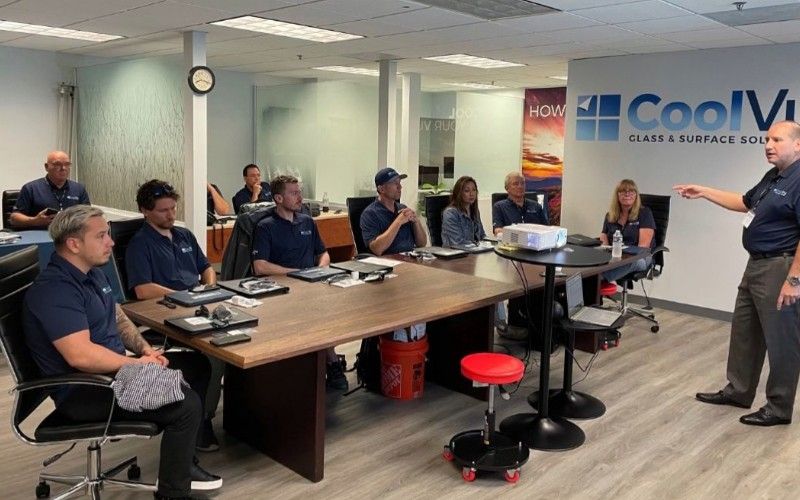
While the franchisor provides the blueprint, the franchise community provides a powerful, real-time network for growth. For a sophisticated investor, this network is a strategic asset, not just a social club. It represents a pool of shared knowledge and collective problem-solving that you cannot replicate as an independent business owner.
Evaluating the health of this community is just as important as analyzing the FDD. A thriving community acts as a force multiplier, accelerating your learning curve and helping you navigate challenges with the wisdom of hundreds of fellow entrepreneurs running the exact same playbook.
The Power of Peer-to-Peer Mentorship
As you consider adding a franchise to your portfolio, your most relevant sounding board will be other multi-unit owners within the system. A healthy franchise culture actively fosters these connections.
Look for systems that have formal or informal channels for peer mentorship, such as performance groups or advisory boards for top-performing franchisees.
These are the people who can offer candid advice on scaling, managing managers, and optimizing shared services across your portfolio.
Collective Culture Drives System-Wide Innovation
A common misconception is that franchising stifles innovation. In the best systems, the opposite is true. The franchise network becomes a massive R&D lab, with owners testing subtle variations in marketing and operations in real-world environments. A forward-thinking franchisor creates channels to capture, validate, and scale these grassroots innovations. Ask about the role of the Franchisee Advisory Council (FAC). A system that harnesses the collective intelligence of its owners is one that is built to adapt and thrive.
Assessing Franchisor-Franchisee Communication
Clear, consistent, and two-way communication is the lifeblood of a healthy franchise system. Your due diligence should include a thorough assessment of these channels. Talk to existing franchisees about how they receive information and provide feedback. Look for evidence of a structured communication rhythm, like regular webinars, a well-maintained intranet portal, and transparent data reporting. An accessible field support team that acts as a true business consultant is also a key indicator of system health.
Using Annual Conferences as a Barometer for System Health
If you have the opportunity, attending a franchise’s annual conference can be one of the most revealing due diligence activities you can undertake. Look past the polished presentations and gauge the true atmosphere. Are franchisees actively networking and sharing best practices? Or are they disengaged or complaining? Observe the Q&A sessions with leadership. Are the questions tough but respectful, and are the answers transparent? A conference filled with positive energy and a focus on mutual growth is a strong sign of a system that is aligned for success.
Conclusion: The Franchise as a Strategic Portfolio Asset
For the experienced entrepreneur, the decision to invest in a franchise transcends the simple appeal of a brand. It is a calculated move to integrate a high-performance system into your existing portfolio of ventures.
Recapping the Core Attributes of a High-Performance Franchise
An elite franchise system is built on a foundation of operational and financial excellence. As you finalize your evaluation of how to evaluate a franchise, confirm the presence of these non-negotiable attributes:
- Exceptional Unit-Level Economics: The system must demonstrate a clear path to profitability, supported by transparent financial data in the FDD.
- A Meticulously Documented Operating Playbook: The value is in the system. Look for proven, step-by-step processes for everything from marketing and sales to service delivery.
- Robust, Multi-Faceted Support: Superior franchisors offer continuous, dedicated support in marketing, technology, and operations, acting as a true partner.
- A Culture of Innovation and Adaptation: A top-tier franchisor demonstrates a commitment to evolving its products, services, and systems to maintain a competitive edge.
Reaffirming the Thesis: Acquiring a System, Not a Job
Let’s circle back to our central premise. For an entrepreneur with your experience, buying a franchise business is not about creating a new job for yourself. It is about acquiring a sophisticated, pre-built business engine. You are investing in a replicable system designed for operational efficiency and superior returns. The right franchise provides a de-risked framework that allows you to achieve growth without the immense time and energy sink of trial-and-error development. It frees you to focus on high-level strategy and oversight, which is where your experience delivers the most value.
Next Steps in Your Advanced Due Diligence Process
Your initial analysis has brought you to a critical juncture. Now is the time to transition from high-level evaluation to granular validation.
- Conduct Validation Calls with Precision: Go beyond the list of franchisees provided by the franchisor. Request to speak with a diverse group, including new owners, established veterans, and top performers.
- Engage with Franchisor Leadership: Schedule a deep-dive conversation with the executive team. Probe their vision for the next five years, their strategy for innovation, and how they handle underperforming units.
- Finalize Your FDD and Financial Review: Work with an experienced franchise attorney to dissect the FDD one last time. Concurrently, use the data you’ve gathered to build a conservative pro-forma financial model. Stress-test your assumptions and ensure the investment aligns with your portfolio’s financial return criteria.
To explore how buying a franchise business can elevate your portfolio, connect with CoolVu Franchise and start your next strategic move.
Frequently Asked Questions
What makes a franchise a good investment for an experienced entrepreneur?
For an experienced entrepreneur, the best franchises for seasoned business owners are not just businesses, but high-performance systems. Instead of building processes from scratch, you acquire a proven, replicable model with built-in marketing, operations, and support. This minimizes your operational burden, conserves your time, and allows you to focus on high-level strategy and scaling.
How should I evaluate a franchise’s royalty fees?
View royalty fees not as a tax, but as an ongoing investment in the system you are buying into. A strong franchisor uses these funds to drive continuous innovation, national marketing, technology improvements, and supply chain advantages that you could not achieve alone. A very low royalty fee can be a red flag, suggesting the franchisor may lack the resources to support its network long-term.
How do I analyze the financial performance of a franchise?
Start with Item 19 of the Franchise Disclosure Document (FDD), but go deeper than the average revenue figures. Look for data broken down by franchisee cohorts, such as tenure or territory size. This provides a more realistic picture of potential performance. Use this data, along with ongoing costs like royalties and your own salary, to build a comprehensive ROI calculation that you can compare to other investment opportunities.
Why is a strong franchise system more important than just a known brand name?
While brand recognition has value, the true asset you are acquiring is the operational system. A powerful brand on top of a weak, undocumented, or unsupported system will still demand your constant hands-on effort to be profitable. Conversely, a highly efficient, well-supported system, even with a less-known brand, provides a clear path to profitability and scalability, making it a superior portfolio asset.
More Interesting Posts: