Table of Contents
Commercial building upgrade franchises represent a proven business model where franchisees deliver systematic improvement services to existing commercial properties—focusing on energy efficiency, safety compliance, building automation, and structural enhancements. Unlike residential services or new construction, these franchises target office buildings, retail spaces, hospitality venues, and institutional facilities requiring modernization.
This guide covers franchise opportunities in HVAC upgrades, lighting retrofits, building automation systems, and compliance improvements for commercial property owners. The target audience includes entrepreneurs evaluating the restoration industry, existing contractors seeking a successful business framework, business professionals exploring the growing demand in commercial renovation, and new business owners who benefit from comprehensive training, ongoing support, and resources to help them start and grow their franchise. The U.S. energy retrofit systems market reached approximately USD 27.2 billion in 2024 and is projected to grow to USD 39.2 billion by 2030—a compound annual growth rate of 6.7%. This growth is fueled by the expansion of new franchises across the country, making this an opportune moment to enter the market.
Direct answer: Commercial building upgrade franchises offer turnkey business models enabling franchise owners to provide energy efficiency, technology integration, and structural improvement services to commercial clients, backed by franchisor training, brand recognition, and operational support that reduces startup risk compared to independent operations.
By reading this guide, you will:
- Understand how construction franchise models differ from independent contractor businesses
- Identify the most profitable upgrade services with the strongest market demand
- Learn realistic total investment requirements and ROI timelines
- Discover how to evaluate franchise requirements and select the right brand
- Develop strategies for building a successful franchise in your local market
Understanding Commercial Building Upgrade Franchises
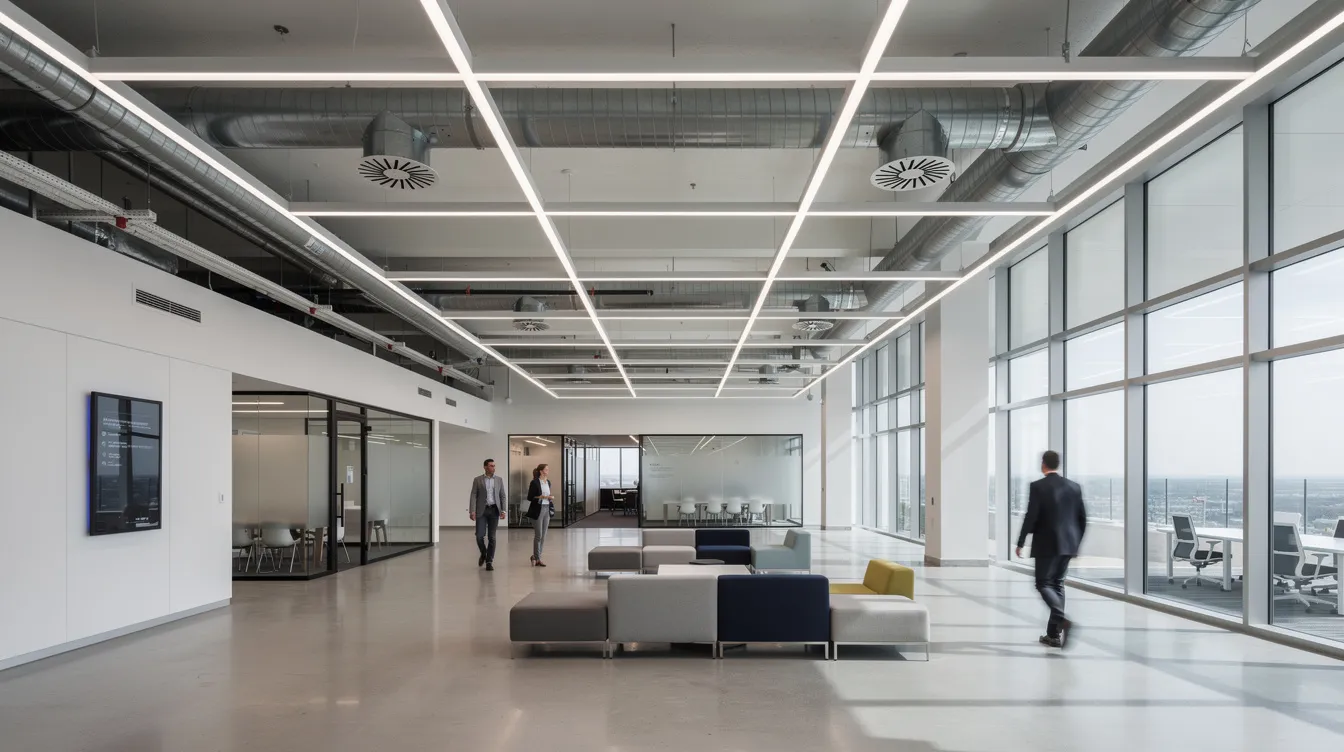
Commercial building upgrade franchises are systematic business operations focused on improving existing commercial properties rather than new construction. In many cases, these franchises offer flexible solutions that address a wide variety of commercial property upgrade scenarios, adapting to the specific needs of property owners and landlords who need to reduce energy costs, meet evolving compliance standards, and modernize aging building stock to remain competitive in the commercial real estate market.
Franchise vs. Independent Business Models
A construction franchise provides name recognition, allowing franchisees to leverage established brand names that customers are already familiar with. This brand trust is essential when approaching potential clients who may be skeptical of unknown contractors handling significant building investments.
Franchises typically offer national advertising support, which can significantly reduce the marketing burden on individual franchisees compared to independent operations. Franchisees benefit from proven systems and operational support, which can help them start their business faster and with less risk than independent business operations. Many franchises also consolidate project management responsibilities—such as coordinating architects, trades, and inspections—under a single, comprehensive contract, streamlining communication and ensuring accountability throughout the upgrade process. While independent contractors enjoy flexibility and avoid royalty fees, they must develop their own vendor networks, training programs, proposal systems, and marketing strategies from scratch—a process that can take years and substantial capital to refine.
Market Demand and Growth Trends
The commercial building upgrade sector is experiencing substantial growth driven by multiple factors, aligning with broader trends in industries most likely to franchise. Globally, the energy retrofit market is expected to grow from USD 202.61 billion in 2025 to approximately USD 278.77 billion by 2030, with commercial applications representing about 42.1% of that total.
Several forces are accelerating this demand:
- Rising energy costs pushing property owners to seek savings through efficiency upgrades
- Regulatory tightening with stricter state and federal energy codes requiring compliance
- ESG investment pressure compelling commercial real estate investors to measure and reduce operational emissions
- Aging building stock in the U.S., with many commercial structures requiring modernization
Strategic upgrades significantly boost a property’s market value and resale potential, making building improvements increasingly attractive to commercial landlords. McDonald’s modernization efforts contributed to a 5.9% global comparable sales increase over a decade by 2019, while revamped U.S. locations observed a sales boost of 4% to 6% in 2018—demonstrating the tangible financial benefits that drive market demand for upgrade services and the importance of opening a new location as part of franchise expansion.
These market conditions create substantial opportunities for franchisees who can deliver professional upgrade services backed by the expertise and support of an established franchisor.
Types of Commercial Building Upgrade Services
Building on the strong market demand, commercial building upgrade franchises typically offer multiple revenue streams across several service categories. By organizing projects into well-defined construction phases, these franchises deliver upgrade services efficiently and minimize downtime for clients. Construction franchises can be categorized into various types, including construction consulting, home inspection, landscaping and hardscaping, maintenance and repair, renovation, and restoration, with many of the most profitable opportunities emerging among top service franchises. Understanding these service offerings helps new franchisees identify which franchise model aligns with their skills and local market needs.
Energy Efficiency and HVAC Upgrades
Energy efficiency represents the fastest-growing segment in the restoration industry, driven by both cost savings and regulatory compliance requirements. Installing energy-efficient HVAC systems and LED lighting can lead to substantial long-term savings on utility bills—often the most compelling value proposition for commercial property owners looking to save money.
Technical services in this category include:
- Replacing aging HVAC systems with high-efficiency variable speed units and heat pumps
- LED lighting retrofits with smart controls, occupancy sensors, and daylight harvesting
- Building envelope improvements including insulation, window upgrades, and air sealing
- Energy auditing and performance monitoring
Case studies from small commercial buildings show that single-system retrofits deliver approximately 10% energy savings, while integrated packages combining HVAC, lighting, and envelope improvements yield 20% or greater savings. Lighting retrofits often achieve payback periods of just 1-2 years, making them excellent entry points for building client relationships.
Building Automation and Smart Technology
Building automation systems represent a high demand service category that connects directly to energy efficiency while adding operational intelligence to commercial properties. These services include IoT sensors, building management systems, smart meters, and cloud-based analytics platforms.
Incorporating modular layouts or smart building technology allows spaces to adapt to future brand evolutions without full remodels. This forward-thinking approach appeals to property owners who want to manage long-term costs while maintaining flexibility for tenants.
Benefits for commercial clients include:
- Lower operational costs through automated energy management
- Predictive maintenance reducing downtime and emergency repair expenses
- Demand response capability for utility cost optimization
- Enhanced tenant comfort and satisfaction leading to higher occupancy rates
Studies of mid-size office retrofits combining electrification, automation, and solar PV demonstrate strong net present value, making these comprehensive technology packages increasingly attractive to sophisticated property investors.
Safety and Compliance Upgrades
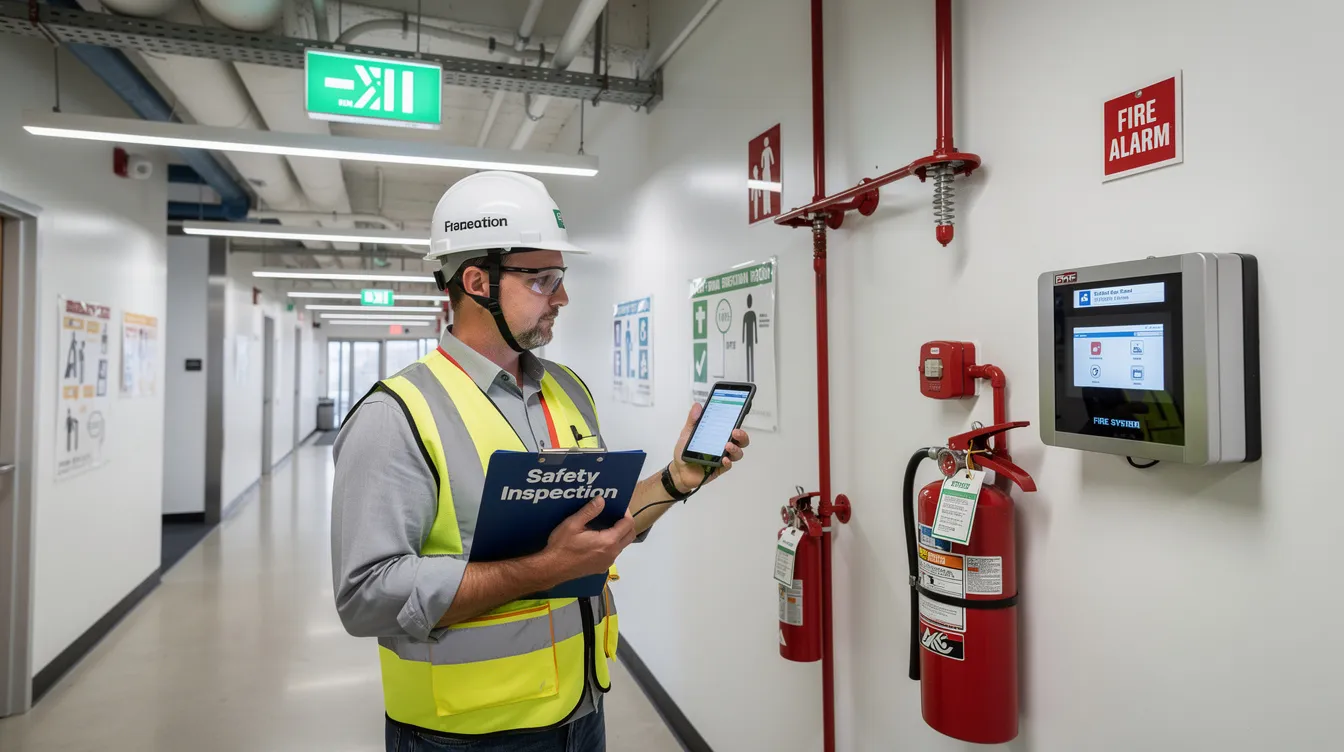
Safety and compliance services address mandatory requirements that property owners cannot defer, creating consistent demand regardless of economic conditions. These restoration services include fire alarm and sprinkler systems, ADA accessibility modifications, emergency lighting, egress improvements, and environmental remediation.
Home inspection franchises help buyers and sellers understand the condition of a property, potentially avoiding costly surprises during real estate transactions. Similarly, commercial compliance assessments identify deficiencies that expose property owners to liability—creating urgency for remediation work.
Franchisees in the construction industry are responsible for adhering to all local laws, rules, and regulations applicable to their franchise location, making compliance expertise a critical differentiator and underscoring many of the advantages of purchasing a franchise with strong operational systems. Regulatory compliance in the construction franchise sector includes following franchisor design standards and local zoning requirements during construction projects.
Starting Your Commercial Building Upgrade Franchise
With a clear understanding of service categories and market opportunities, prospective franchise owners need practical guidance on launching their business. This section covers the essential steps from franchise selection through opening day, including managing initial investment and startup costs. Many commercial building upgrade franchise owners utilize lease agreements for vehicles or equipment as part of their startup expenses, helping to manage cash flow and reduce upfront costs.
Franchise Selection and Investment Requirements
Selecting the right construction franchise requires careful evaluation of financial requirements, support systems, and market alignment, similar to the factors discussed when assessing whether it is a good idea to buy a franchise. The total investment necessary to begin operation of a franchise can range significantly, with estimates varying widely based on individual circumstances and regional markets.
Steps to launch your commercial building upgrade franchise:
- Research established franchise brands with proven track records — Look for franchises specializing in commercial building upgrades with documented success across multiple locations. Request franchise disclosure documents (FDDs) and review Item 19 earnings claims where available.
- Evaluate initial investment requirements — Typical service-based franchises in the building upgrade sector require $75,000 to $250,000 in total investment, including franchise fees, equipment, working capital, and training. Common initial costs associated with opening a franchise include the franchise fee, training expenses, equipment purchase, insurance, licensing, and marketing costs—elements that should be carefully modeled when determining how much it costs to buy a franchise.
- Review franchise disclosure documents and territory rights — Franchisors provide estimates of opening costs in their franchise disclosure document, but these are only estimates and should be reviewed with a business advisor. Pay particular attention to Item 5 (Initial Fees), Item 6 (Ongoing Fees), and Item 7 (Estimated Initial Investment).
- Assess training provided and ongoing support — Franchise systems typically provide comprehensive training programs to new franchisees, covering essential aspects of business management, operations, and customer service. Evaluate the depth of technical training, especially if you lack a construction background.
- Secure financing and complete franchise application process — Options include SBA loans, equipment financing, green retrofit financing programs, and potentially franchisor financing, all of which should be evaluated as part of a structured franchise financing roadmap. It is recommended to develop a budget that includes hard construction costs and soft costs like permits and design fees, with a 15-20% contingency fund for unexpected issues.
- Obtain necessary licenses and insurance coverage — Most franchise systems in the construction industry require franchisees to obtain specific construction or contractor licenses and permits, which vary by location, and these legal and operational details should be part of your broader franchise purchase preparation checklist. Requirements may include HVAC/refrigeration licenses, electrical licenses, general contractor credentials, and energy auditing certifications.
Franchise Comparison Analysis
Different franchise models serve different markets and require varying levels of initial investment, expertise, and team size. The following comparison helps prospective business owners evaluate options:
| Criterion | Energy Efficiency Focused | Full-Service Building Upgrades | Specialized Technology |
|---|---|---|---|
| Initial Investment | $75,000 – $150,000 | $150,000 – $300,000+ | $100,000 – $200,000 |
| Territory Size | Single location or small metro area | Larger exclusive territories | Defined verticals (office, retail) |
| Training Duration | 2-4 weeks with ongoing certification | 4-8 weeks plus trade requirements | 4-6 weeks with technical certification |
| Technical Requirements | Energy auditing certification, LED expertise | Multiple trade licenses, construction management | IoT/BAS certification, software proficiency |
| Ongoing Support | Technical updates, manufacturer relationships | Engineering support, compliance assistance | Software updates, R&D partnerships |
| Cash Required | $50,000 – $75,000 liquid | $100,000+ liquid | $60,000 – $100,000 liquid |
| Renovation franchises focus on discretionary work that enhances a property’s value and comfort, including services like kitchen and bath remodeling, flooring, and painting. While these services may overlap with residential markets, franchises focusing specifically on commercial build outs typically command higher project values and develop longer-term client relationships with property owners and facility managers, a dynamic often explored in in-depth franchise investment and evaluation guides. |
Choosing a builder with specific experience in franchise build-outs is crucial for handling specialized design specifications. This expertise transfers directly to franchisees who can demonstrate an understanding of branded commercial spaces to their own clients.
Common Challenges and Solutions
Understanding typical obstacles helps new franchisees prepare effectively and leverage their franchisor’s support systems. Unlike owner builders, who manage their own residential construction projects and take on direct responsibilities, commercial franchisees benefit from structured support and proven systems tailored for larger-scale property upgrades. Similarly, while homeowners represent a different client segment focused on personal property renovation, commercial building upgrade franchises are designed to serve the needs of commercial property owners and managers. Ongoing support is a critical component of franchise success, with franchisors often maintaining continuous communication with franchisees to assist them through various stages of business growth.
Building Industry Knowledge and Credibility
Challenge: Commercial property owners and landlords demand proof of competence before authorizing significant building investments. New business owners may lack the technical credentials or portfolio to compete against established contractors.
Solution: Leverage franchise brand recognition and structured training programs to accelerate credibility development. Franchise ownership in the construction sector provides name recognition, allowing franchisees to leverage established brand names that consumers are already familiar with. Pursue industry certifications (ASHRAE, energy auditor credentials, relevant trade licenses) through franchisor-supported training. Work directly with other franchisees to learn best practices and potentially collaborate on larger construction projects. Start with smaller pilot projects to build local case studies demonstrating measurable results.
Navigating Commercial Sales Cycles
Challenge: Commercial upgrade sales cycles often extend 3-12 months, involving multiple stakeholders including property owners, facility managers, tenants, and corporate decision-makers. This extended timeline creates cash flow challenges for new operations.
Solution: Develop a project management approach to sales that treats each prospect as a long-term relationship investment. Franchisees often have access to proprietary software and operational manuals that help streamline their business processes and improve efficiency. Use franchisor-provided CRM systems to track opportunities systematically. Offer free energy assessments or compliance audits as lead generation tools. Bundle smaller immediate services (lighting retrofits, maintenance contracts) with larger project proposals to generate revenue during extended decision cycles.
Starbucks’ operational investments helped drive a 4% increase in North American same-store sales in Q1 2026, demonstrating how strategic upgrades translate to measurable business results—a compelling case study for convincing commercial clients.
Managing Technical Complexity and Compliance
Challenge: Commercial building upgrades involve multiple interconnected systems, varying local codes, complex permitting requirements, and coordination across trades. Errors in any area can create liability, delays, and reputation damage.
Solution: Rely on franchisor technical support for regulatory updates, quality control processes, and certified installer networks. Ensure your team maintains current certifications and participates in ongoing training. Planning construction in phases or during off-hours helps minimize disruption to daily operations for your commercial clients. Develop relationships with local building officials and inspectors early to smooth the permit process. Use franchisor-provided templates for proposals, contracts, and compliance documentation to reduce errors.
Ensuring the location reflects current brand standards builds immediate trust and recognition with customers—a principle that applies equally to your franchise operations and the commercial spaces you upgrade for clients.
Conclusion and Next Steps
Commercial building upgrade franchises offer a compelling path to business ownership in an industry experiencing sustained growth through 2030 and beyond. The combination of rising energy costs, tightening regulations, ESG pressures, and aging building stock creates durable market demand for professional upgrade services. A successful franchise in this sector leverages proven business models, established brand recognition, and comprehensive support systems to reduce the risks inherent in starting an independent operation.
Your immediate action steps:
- Research franchise options — Request FDDs from 3-5 commercial building upgrade franchises that align with your background, investment capacity, and local market opportunities
- Attend franchise discovery days — Meet franchisor leadership, visit existing franchisees, and assess the company culture and support systems firsthand
- Assess financial readiness — Determine your liquid capital position, financing options, and timeline for achieving profitability based on realistic projections
- Consult professional advisors — Engage a franchise attorney and accountant to review FDD terms, validate financial projections, and structure your business entity
As you explore this opportunity, consider how emerging trends in sustainable building, smart city initiatives, and commercial real estate technology may create additional growth vectors. Franchises that position themselves at the intersection of energy efficiency, automation, and compliance will likely capture the greatest market share as property owners accelerate their upgrade timelines.
Modernizing the interior layout can optimize workflow and enhance employee productivity—a benefit that extends to your own franchise operation as you develop efficient systems for serving commercial clients.
Frequently Asked Questions
What is the typical ROI timeline for commercial building upgrade franchises?
ROI timelines vary based on local market conditions, service mix, and operational efficiency. New York City audit data shows median internal rates of return of 21% for multifamily buildings and 25% for office properties for adopted energy conservation measures. For franchisees, profitability timelines typically range from 12-24 months for well-capitalized operations in strong markets. Renovated spaces with improved lighting and intuitive navigation create a positive first impression that can drive foot traffic and sales—a benefit that helps commercial clients justify upgrade investments and accelerates your sales cycle.
Do I need construction experience to succeed with these franchises?
Construction background is beneficial but not always mandatory. Franchise systems typically provide comprehensive training programs to new franchisees, covering essential aspects of business management, operations, and customer service. However, franchisees with prior experience in construction, facility management, or commercial real estate typically achieve profitability faster. If you lack technical background, focus on franchises offering extensive training provided and consider hiring experienced team members.
What are the ongoing franchise fees and royalty structures?
Typical structures include initial franchise fees of $20,000-$75,000, ongoing royalties of 5-8% of gross revenue, and marketing fund contributions of 1-2%. Additional fees may include technology licensing, training updates, and territory renewal. Review Item 6 in the FDD carefully and model these costs against projected revenues.
How large is the typical franchise territory?
Territory size varies significantly by franchisor and market density. Urban franchises may cover specific zip codes or neighborhoods, while suburban/rural operations might span entire counties. Exclusivity terms also vary—some franchises offer protected territories while others allow overlapping service areas. Clarify territory rights before signing.
What financing options are available for franchise investments?
Options include SBA loans (particularly SBA 7(a) for franchise businesses), conventional business loans, equipment leasing, home equity lines of credit, and sometimes franchisor financing programs. Green retrofit financing through utility programs or government incentives may offset costs for energy efficiency equipment.
How do franchise support systems help with technical training?
Quality franchisors provide initial training (typically 2-8 weeks), ongoing certification programs, technical manuals, and access to subject matter experts. Franchisees often have access to proprietary software and operational manuals that help streamline their business processes and improve efficiency. Many franchises also facilitate peer learning networks where other franchisees share solutions to technical challenges.
What are the insurance requirements for commercial building upgrade work?
Requirements typically include general liability insurance ($1-2 million coverage), professional liability for design or consulting services, workers’ compensation, commercial auto coverage, and potentially environmental liability. Some commercial clients require performance bonds. Specific requirements vary by location and service type.
How do franchisees generate leads and build client relationships?
Effective strategies include partnering with commercial real estate firms and property management companies, offering free energy audits or compliance assessments, responding to public tenders, leveraging utility rebate programs, and building referral networks—approaches that align well with minority-focused franchise opportunities in commercial surfaces targeting similar decision-makers. Dunkin’s remodels focus on a modern environment with atmospheric lighting, significantly improving speed of service in high-traffic drive-thrus—success stories like this help demonstrate upgrade value to prospective clients. Starbucks is renovating 1,000 cafes through 2026 to improve lighting, seating, and overall aesthetic, providing another compelling reference point.
What certifications or licenses are required?
Most franchise systems in the construction industry require franchisees to obtain specific construction or contractor licenses and permits, which vary by location. Common requirements include general contractor licenses, HVAC/refrigeration certifications, electrical licenses (for lighting work), energy auditing credentials (CEM, BPI), and local business licenses. Your franchisor should provide guidance on jurisdiction-specific requirements.
How do market conditions affect franchise profitability?
Energy prices directly impact demand—higher utility costs increase client motivation for efficiency upgrades. Interest rates affect both your financing costs and clients’ ability to fund projects. Regulatory changes (stricter codes, new incentives) can accelerate or delay demand. Local factors including building stock age, commercial vacancy rates, and regional economic health all influence your success. Small commercial buildings (under 50,000 square feet) make up approximately 94% of commercial building count in the U.S., representing a substantial market for franchisees who can serve this segment efficiently.