Table of Contents
Why Commercial Privacy Glass Is a Standout Business in 2026
Market Momentum in Commercial Privacy and Smart Glass
Core Technologies: Switchable Glass, Switchable Film, and Advanced Window Films
Business Models: How a Commercial Privacy Glass Venture Makes Money
Startup Costs, Equipment, and Typical Profit Margins
Why Commercial Privacy Glass Is a Standout Business in 2026
The commercial privacy glass business opportunity has shifted from niche architectural curiosity to one of the most compelling service-business openings of the decade. Since roughly 2022, switchable privacy solutions have moved from “nice-to-have” luxury upgrades to standard specifications in modern commercial buildings. Offices replaced fabric blinds with glass walls that switch from clear to opaque in milliseconds. Hospitals traded curtains for wipeable, switchable glass partitions that support infection control. Coworking operators began outfitting entire floors with dynamic privacy film to attract tenants who demand flexibility.
This article will show you how entrepreneurs can build a profitable, home-based commercial privacy glass business focused on switchable glass, switchable film, and advanced window film installations for commercial clients. You will learn the specific technologies, vertical markets, revenue streams, startup costs, sales strategies, and common pitfalls involved-plus what separates operators who thrive from those who struggle.
The demand drivers are stacking up fast. Post-pandemic office redesigns between 2022 and 2025 created a wave of interior glass partition projects. Hospital and clinic upgrades prioritized infection control surfaces that can be cleaned without removing fabric. The surge in flexible coworking and hybrid workplaces made dynamic privacy a baseline tenant expectation rather than an upgrade. If you have been looking for a service business that combines technology, recurring commercial clients, and strong margins, privacy glass deserves serious attention.
Market Momentum in Commercial Privacy and Smart Glass
The numbers behind this market are hard to ignore. The global privacy glass market is valued at over USD 6 billion, and the privacy glass industry is growing at roughly 9 to 10% annually. The global smart glass market is projected to exceed $11 billion by 2030, up from over $5.5 billion in 2023. The privacy glass market is projected to grow at a CAGR of 11.4% by 2032, which means the market could nearly triple in size within a decade. The global privacy glass market is experiencing rapid expansion driven by energy efficiency and aesthetics, and it is projected to grow significantly over the next decade.
Regionally, the North America privacy glass market is estimated at $2.16 billion in 2025. The leading markets for privacy glass include North America and Europe, with APAC emerging as a growth region. Asia Pacific is the fastest-growing market with a CAGR of 14.2%, reflecting surging construction activity and green-building mandates across that region.
Building codes, LEED and WELL-style certifications, and energy rules introduced between 2023 and 2026 are pushing building owners to upgrade existing glass rather than replace entire facades. Owners prefer adding switchable film or high-performance window film to their current glazing rather than ripping out curtain walls-saving time, cost, and disruption.
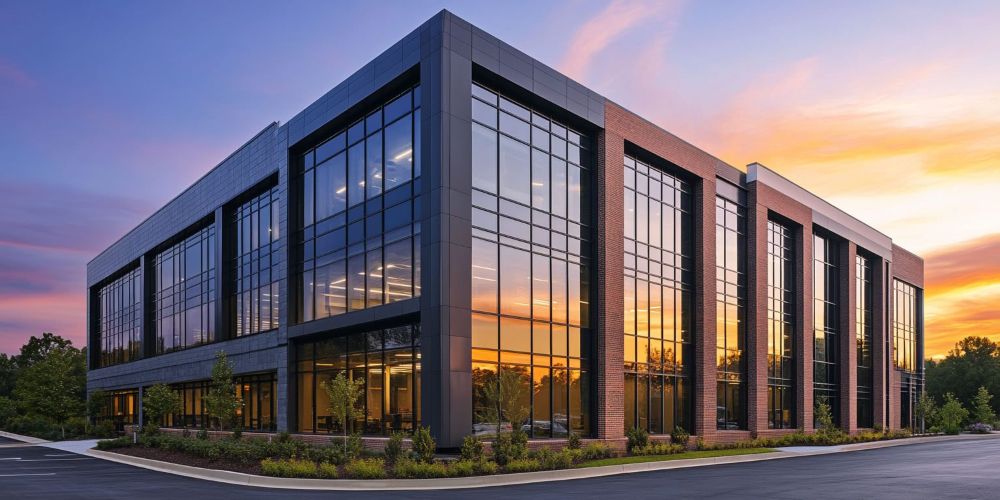
Commercial offices, healthcare facilities, and education campuses are phasing out fabric curtains and traditional blinds in favor of glass-based privacy and window films. Privacy glass is transitioning from a specialty architectural product to a mainstream technology. Commercial applications account for 48% of the privacy glass market, and healthcare facilities are one of the fastest-growing segments for privacy glass. Demand spans downtown high-rise commercial buildings, suburban medical campuses, and neighborhood retail plazas.
Core Technologies: Switchable Glass, Switchable Film, and Advanced Window Films
To serve diverse commercial clients with different budgets, timelines, and building conditions, you need a working understanding of several core technologies. Key technologies in privacy glass include PDLC, SPD, and electrochromic systems. Here is how each one works and where it fits.
Switchable glass consists of laminated units with a polymer dispersed liquid crystal (PDLC) interlayer sandwiched between two glass lites. When powered, liquid crystal molecules align and the glass switches from clear to opaque, providing instant privacy with a simple switch. PDLC glass switches between opaque and clear in under 100 milliseconds. PDLC glass holds a 36% market share in privacy glass technology by 2025, and the global PDLC glass industry is projected to reach $6.8 billion by 2032. The PDLC glass market is estimated to reach $2.1 billion in 2024. Switchable glass can be integrated into insulating glass units, making it suitable for both interior glass partitions and exterior windows in new construction and high-end retrofits.
Electrochromic glass works differently. Electrochromic glass changes light transmission with electrical current applied to a thin metal-oxide coating. Rather than switching between clear and opaque, it gradually tints from transparent to dark, controlling solar heat gain, glare, and visible light. Transitions take minutes rather than milliseconds, but the technology excels on building facades where modulating daylight and reducing cooling loads matter most. Electrochromic glazing draws almost no power when static, only consuming energy during state changes.
Switchable film is the retrofit-friendly option. Smart film uses liquid crystal molecules for opacity control and can be applied directly onto existing glass surfaces in commercial offices, patient rooms, retail displays, and conference rooms. Adhesive smart film is applied directly onto existing glass, while lamination smart film must be embedded during glass manufacturing. Switchable film is wired to a low-voltage power supply and controlled by wall switches, building automation, or wireless apps. Smart film installation requires a clean, dust-free surface for proper adhesion and visual quality. Smart film installations typically range from 5 m² to 150 m² per project, depending on the scope.
Traditional and advanced window films round out a strong service portfolio. These include solar control films, decorative and frosted films, security and safety films, and privacy films-none of which require power. They complement switchable solutions by handling zones where static privacy or energy control is sufficient. A serious commercial privacy business should understand and offer a mix of these products to match different budgets and project constraints. Smart glass eliminates the need for traditional blinds and curtains, but static films remain the right answer for many rooms and facades.
High-Value Commercial Applications for Privacy Glass and Films
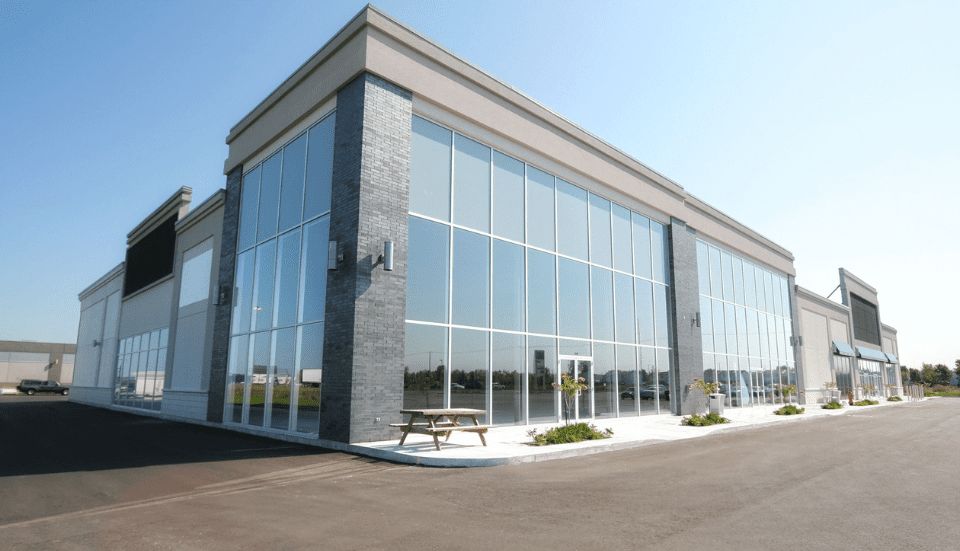
The most profitable work in this space typically comes from repeat B2B clients with multiple properties rather than one-off residential jobs. Each vertical has unique selling points worth learning.
- Commercial offices. Smart film enhances privacy in conference rooms and executive offices. Glass walls and glass partitions in open-plan office environments need the ability to shift from transparent to opaque during sensitive meetings. Modern coworking spaces use 30–100 m² of smart film per floor. Interior design trends favor clean, minimalist glass surfaces over opaque drywall, which keeps demand high.
- Healthcare. Hospitals use smart film in patient rooms and surgical viewing panels. Switchable glass partitions help maintain patient privacy and improve hygiene in healthcare settings by eliminating fabric that harbors pathogens. Switchable privacy glass provides visual privacy without sacrificing natural light, which supports patient well being and reduces reliance on artificial lighting. This vertical is growing rapidly because of infection control mandates.
- Education. Classrooms, counseling offices, administrative suites, and training rooms all need visibility that changes throughout the day. Switchable film lets administrators create private spaces for sensitive discussions while preserving daylight and openness during regular hours.
- Hospitality and retail. Luxury hotels utilize privacy glass to enhance guest experience and add a technological feature-think bathroom partitions or suite windows that frost at the touch of a button. In hospitality spaces, restaurants and spas use dynamic privacy to adjust ambiance between day and night modes. Showrooms use smart film to reveal or hide high-value items on demand. Retail displays and storefront glass can switch between showcase mode and privacy mode, making retail spaces more versatile. The automotive sector is increasingly adopting smart glass for electric vehicles and luxury cars, further normalizing the technology.
- Architects and specifiers play a crucial role in selecting privacy glass for projects across all these verticals. Building relationships with design professionals is essential.
Business Models: How a Commercial Privacy Glass Venture Makes Money
Most owners run a mobile, home-based operation focused on sales, project management, and installation coordination. A workshop of 100-200 m² is sufficient for operations, and many operators start from a home garage or small commercial bay, whether they build an independent shop from scratch or plug into a franchise vs non-franchise business model that provides added structure and support.
Revenue streams typically include:
- Switchable glass sales and installations – new builds or retrofits with glass replacement; higher ticket sizes and longer lead times.
- Switchable film retrofit installations – faster decision cycles, lower material costs, strong margins.
- Traditional window film – solar control, decorative, and security films; steady demand and high volume.
- Decorative graphics and architectural finishes – branding wraps, frosted patterns, and custom designs on glass surfaces and walls.
- Recurring revenue – service calls, film replacements, automation upgrades, extended warranties, and expansion projects for existing clients.
Smart glass installations typically range from 5 m² to 150 m² per project, and smart glass can reduce energy costs by 20-30%, which creates a strong ROI argument for building owners. The integration of privacy glass with smart building systems enhances functionality and user experience, opening up upsell opportunities for control and automation packages. Privacy glass can contribute to energy efficiency by reducing cooling loads, which makes it easier to justify the investment.
Project sizes vary widely. Early on, expect small jobs: a 3-room office retrofit, switchable film in several exam rooms, or decorative film in a lobby. As you build relationships, you can win whole-floor tenant improvements and multi-building contracts with healthcare networks or retail chains.
Startup Costs, Equipment, and Typical Profit Margins
Launching a commercial privacy glass business requires less capital than you might expect. Starting a smart film business can require an investment of approximately $12,350 for the most basic entry point, though a well-equipped commercial operation typically needs mid-five-figure liquid capital ($40,000–$80,000) to cover a work van, professional tools (cutters, sprayers, heat guns, safety gear), initial film inventory, sample kits, marketing, and training or certification—figures that align with what you will see when you evaluate why CoolVu is a top franchise opportunity in this space.
Key financial realities to understand:
- Gross margins on static film work often run 2× to 2.5× over materials plus installation cost. Switchable film margins are slightly lower. Switchable glass jobs may yield 1.5–2× due to higher material and freight costs.
- Overhead stays low when you operate from home and use subcontract installers for larger jobs.
- Commercial jobs carry higher ticket sizes than residential work. Landing even a few recurring B2B clients-a hospital network, a coworking chain, a property management group-can stabilize monthly revenue quickly.
- Break-even timeline for a motivated owner in a mid-sized metro: typically 6–12 months, with sustained growth in year two as referral networks activate.
Sales Process and B2B Decision-Makers in Commercial Buildings
A typical commercial sale follows this cycle: marketing or referral generates an inquiry, which leads to a site visit and scope discovery, then a product and technology recommendation, a tiered proposal (static film, switchable film, switchable glass), negotiation, installation scheduling, and post-install follow-up—steps that mirror how top service franchises in the window and film industry structure their sales processes for consistency and scale.
Common decision-makers you will encounter:
| Stakeholder | Primary Concerns |
|---|---|
| Property managers / facility directors | Cost, utility savings, maintenance, occupant comfort |
| Architects / interior designers | Aesthetics, natural light, material quality, design coherence |
| General contractors | Specs, project timelines, trade coordination |
| Healthcare administrators | Hygiene, visual privacy, compliance, infection control |
| Business owners (small commercial offices, retail) | Cost effectiveness, property value, employee well being |
| Frame benefits differently for each. Owners care about heat loss reduction and energy efficiency. Architects care about clean lines and how switchable smart glass looks in daylight versus privacy mode. Healthcare leaders care about wipeable surfaces and instant privacy for patient rooms. |
On every site visit, ask discovery questions: What is the sun orientation and glare exposure? Where are the specific privacy pain points? What current solutions exist-blinds, curtains, frosted static film? How often do occupants demand privacy? Is power available at the glass locations? What is the budget range and timeline?
Demos close deals. Bring a working switchable film sample or small switchable glass panel. Let stakeholders see the shift from clear to opaque in person. That single moment often converts interest into a signed proposal.
Working with the Right Partner to Deliver Commercial Privacy Solutions
Trying to self-source every product and build processes from scratch can slow growth and increase risk. Finding the right partner means finding access to vetted switchable glass and switchable film manufacturers, reliable window film suppliers, structured training, and ongoing technical support—exactly what you gain by aligning with a proven franchise business model in a booming industry.

A strong partner should cover:
- Product selection guidance for different commercial applications, budgets, and building conditions
- Wiring and control diagrams for switchable film and switchable glass installations
- Installation best practices and hands-on training to prevent quality issues
- Warranty handling and post-installation support protocols
- Marketing and sales support – sample kits, specification sheets for architects, proposal templates, and lead-generation tools
Franchise or network-based models can provide protected territories, in-house financing options for building owners, and a proven playbook for scaling. Strategic partnerships with a franchisor give you centralized purchasing power that reduces material costs and keeps you current with emerging smart glass and architectural finishes.
Operations for a Home-Based Commercial Privacy Glass Business
Day-to-day operations follow a flexible but structured rhythm. Most owners schedule site surveys and consultations in the mornings, installations during midday, and proposals, follow-ups, and administrative work in the late afternoon, which fits naturally with the flexibility of a best home-based franchise model. Installation typically takes 6-8 weeks after setup for larger projects, though smaller film jobs can turn around in days.
Staffing evolves with the business. Start as an owner-operator, possibly with one technician. For larger commercial buildings, subcontract glaziers or electricians as needed. Over time, hire in-house help and manage multiple installation crews.
Project management is critical. You will coordinate with general contractors and electricians, manage lead times for custom switchable glass orders (often weeks to months for specialty sizes), and stage jobs to minimize disruption to tenants and patients. Commercial-grade privacy glass must adhere to strict safety glazing regulations, so compliance and documentation matter on every project.
Safety protocols include proper ladder use, glass handling procedures, electrical safety for low-voltage connections, and adherence to building access rules-especially in healthcare or school environments with security protocols.
Marketing and Lead Generation for Commercial Privacy Projects
Marketing to commercial environments is fundamentally different from marketing to homeowners. B2B contracts require relationship-building, trust, and proof of capability, particularly when you are positioning yourself around custom window opportunities that blend privacy, energy performance, and design.
Digital foundations: Build a professional website that clearly communicates switchable glass, switchable smart glass, privacy smart glass, commercial privacy solutions, and your local service areas. Include case studies, before-and-after project narratives, franchisee-style success stories similar to CoolVu franchise reviews, and specifications that architects and facility managers can reference.
Offline strategies: Network directly with architects, interior designers, general contractors, and property managers. Attend local chamber of commerce events, real estate development meetups, and healthcare facility management conferences. Bring live switchable film samples to every meeting.
Niche campaigns: Target healthcare administrators managing multiple clinic locations, coworking operators expanding into new markets, or building owners who manage portfolios of commercial offices in one region. Tailor messaging to each vertical’s pain points-hygiene for hospitals, flexibility for coworking, cost for property managers.
Reputation building: Collect testimonials from early projects. Use completed meeting rooms or patient rooms as demonstration showpieces. Encourage referrals across a client’s property portfolio. One satisfied hospital can lead to an entire network of facilities.
Common Pitfalls and How to Avoid Them
Underpricing complex jobs. Projects involving switchable glass often require custom sizing, structural framing, fire-rated glass, and electrical wiring. If you quote only material plus basic labor, cost overruns eat your margin. Build in contingencies and charge for coordination with electricians and other trades.
Overpromising performance. Claiming switchable film will cut HVAC costs in half or that clarity in the clear state is optically perfect sets you up for disappointed clients. Always quote manufacturer specs-visible transmittance, solar heat gain coefficient, haze ratings, and cycle life-and set realistic expectations. Smart film can be applied to existing glass, making retrofits easier, but that does not mean every glass surface is a good candidate.
Poor installation practices. Bubbles, edge failures, miswired connections, and visible mounting hardware degrade aesthetics and performance, and can void warranties. Invest in formal training before taking on commercial projects. Eye strain complaints from occupants can result from improper film application that causes uneven light control or glare.
Neglecting service agreements. Many switchable products carry warranties tied to switching cycles and electrical components. Without clear service contracts and documentation, future failures become your liability. Document every commercial project with photos, glass schedules, and wiring diagrams.
Cash flow traps. Large material costs, long lead times on custom glass, and slow commercial payment cycles can squeeze working capital. Structure contracts with deposits and milestone payments. Understand your thermal transmittance and heat gain specifications before ordering to avoid costly reorders.
FAQs About Starting a Commercial Privacy Glass Business
How much experience do I need to start a commercial privacy glass business?
Prior glazing or construction experience helps but is not mandatory. Structured training from a manufacturer or franchise program can bridge the skills gap. Many successful operators come from unrelated fields and learn through hands-on certification programs that cover PDLC film installation, static window film application, and switchable glass system wiring.
Is there enough demand beyond residential window tinting?
Demand in commercial offices, hospitals, clinics, schools, and retail environments has accelerated since 2022 due to privacy, infection control, and energy-efficiency needs. The privacy glass market is expected to grow at a CAGR of 11.4% by 2032, and commercial applications already account for nearly half the market. This makes commercial work a strong complement to-or upgrade from-residential-only tinting.
What kinds of projects can I expect in the first year?
Realistic first-year projects include a few conference rooms in small offices, privacy upgrades for local medical or dental patient rooms, decorative film in lobbies, and switchable film on glass partitions in coworking spaces. Smart glass installations typically range from 5 m² to 150 m² per project, so even small jobs can generate meaningful revenue.
How long does a typical commercial installation take?
Smaller office jobs-say, film on a few glass walls or meeting rooms-can be completed in 1–2 days with minimal disruption. Larger hospital or multi-floor office projects may be phased over several weeks depending on scope, access, and coordination with other trades. Smart glass enhances building aesthetics with a minimalist design, but achieving that finish takes careful planning.
Do I need electricians or other trades to complete switchable glass projects?
Yes. Low-voltage electrical connections for switchable film and switchable privacy glass typically require coordination with a licensed electrician. An organized business builds a small network of trusted trades partners-electricians, glaziers, and general contractors-rather than trying to handle every discipline in-house.
Can I run this as a home-based, part-time venture at first?
Many owners start from home with a flexible schedule. As they land repeat commercial clients and build relationships with local building owners, facility managers, and architects, they transition to full-time. The low overhead of a home-based model means your break-even point arrives faster, and you can scale at your own pace.
Why Choose Our Franchise-Style Model for Commercial Privacy Glass
CoolVu exists specifically to help new owners tap into the commercial privacy glass business opportunity faster and with less trial-and-error than going it alone. Our model provides structured training in window film, switchable glass, switchable film, decorative graphics, and architectural surface finishes-including hands-on installation, sales playbooks for commercial buildings, and pricing guidance tailored to each technology—much like what is outlined when you explore how to start a CoolVu window film franchise.
Franchisees receive protected territories, in-house financing options for qualified buyers, and centralized marketing support that positions you as a local expert from day one. You get access to vetted product lines, technical support on complex projects, product sourcing assistance, and ongoing marketing campaigns designed for commercial environments, all delivered through a clear, step-by-step path on how to become a franchise owner with CoolVu.
As the smart glass industry evolves, CoolVu keeps franchisees current with emerging technologies and market trends-from electrochromic glazing to hybrid smart glass with integrated solar capabilities. You can start as a solo entrepreneur and grow into a multi-crew operation serving offices, healthcare networks, educational campuses, and regional retail chains, all with a proven system behind you—an example of a business franchise model built specifically for this niche. The sustained growth in this market means operators with the right partner, training, and product mix are well-positioned for years of expansion.
Next Steps: Turning Commercial Privacy Glass Demand into Your Business
Growing demand for commercial privacy, energy efficiency, and modern aesthetics creates a real, time-sensitive opportunity for entrepreneurs willing to act. Smart glass provides instant privacy with a simple switch, and building owners across every major commercial vertical are actively seeking providers who can deliver these solutions. The space between where demand is heading and where supply currently sits is your opening.
Start by assessing your local market. Count the commercial offices, hospitals, clinics, schools, and mixed-use developments under construction or renovation in your area. Look at the coworking operators and retail spaces expanding nearby. Every glass wall, every conference room with outdated blinds, and every healthcare facility with fabric curtains represents a potential project.
If you are ready to explore this opportunity, request a free consultation to review territory availability and learn how CoolVu’s franchise model can accelerate your launch. Speak with one of our advisors about startup timelines, training schedules, and the support infrastructure that makes it possible to start serving commercial clients within weeks of signing. With the right partner, training, and product mix, a commercial privacy glass business launched in 2026 can ride a decade-long wave of upgrades in commercial buildings-and you can be the one leading it.