Table of Contents
Facility maintenance service franchises represent one of the most compelling opportunities for entrepreneurs seeking recession-resistant business ownership in 2026. By joining a facility maintenance service franchise, you gain the benefits of professional support, business growth opportunities, and access to proven systems that help you succeed. These management-based businesses coordinate multiple property services through subcontractor networks, positioning franchise owners as the single point of contact for commercial clients who need everything from janitorial services to HVAC maintenance.
This guide covers commercial building maintenance operations, recurring revenue models, and the advantages of investing in an established franchise system. Whether you’re a sales-driven professional looking to exit corporate life, an existing business owner seeking diversification, or an entrepreneur interested in joining a proven business model, facility maintenance franchising offers a path to building substantial equity in an essential services industry.
Direct answer: Facility maintenance service franchises typically require initial investments ranging from $50,000 to $300,000, with franchise owners achieving profit margins of 20-30% by managing essential building services through established systems and subcontracted networks. The facility maintenance industry is projected to grow 5-7% annually, reaching over $120 billion by 2025, driven by trends such as office returns and increased outsourcing—making this a strong market opportunity.
What you’ll learn from this guide:
- How the franchise model works and why it differs from independent operations
- The full spectrum of service offerings available within this industry
- Detailed investment requirements and realistic financial expectations
- Strategies to overcome common operational challenges
- Criteria for selecting the right franchise system for your goals
Understanding Facility Maintenance Service Franchises
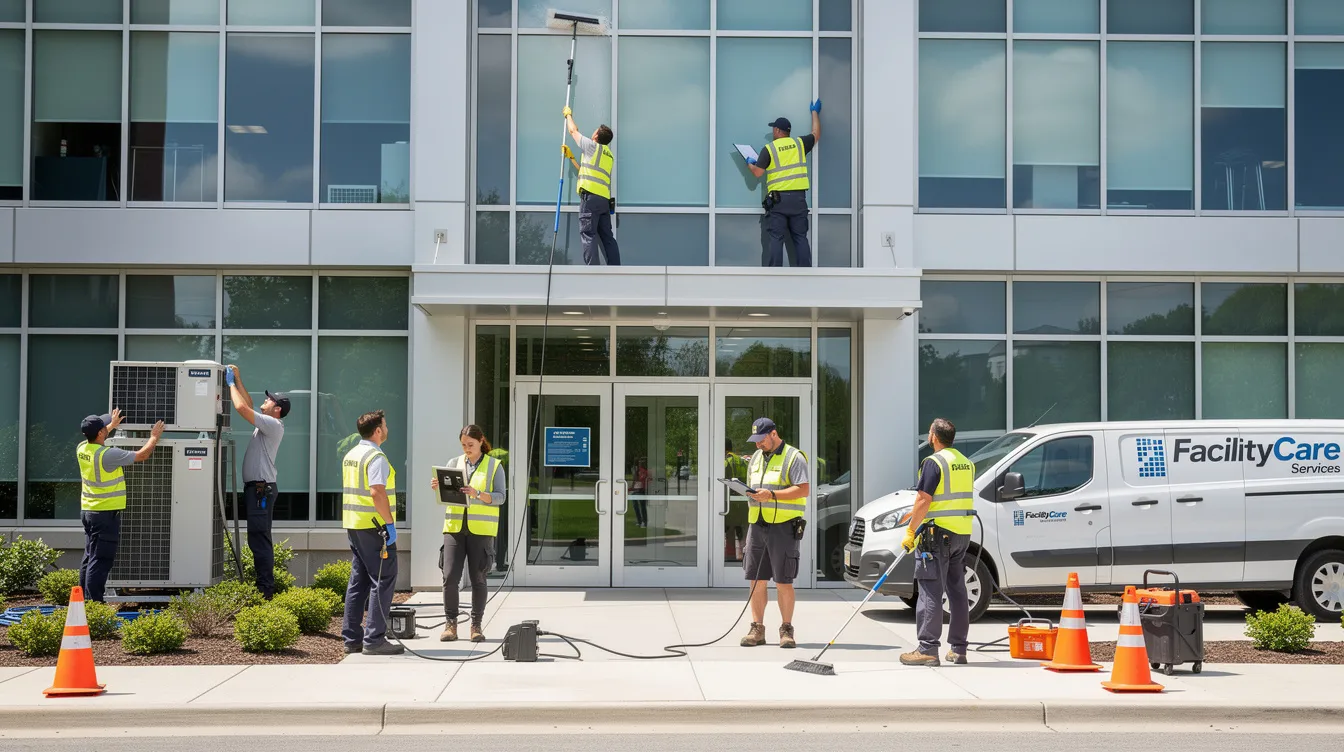
A facility maintenance service franchise is a comprehensive property management business serving commercial clients—including offices and multi-tenant office buildings, as well as medical facilities, retail centers, and industrial complexes. The business model centers on coordination rather than direct service delivery, allowing franchise owners to scale operations without the traditional constraints of managing large labor forces.
The relationship structure is straightforward: franchise owners secure contracts with commercial property managers or facility owners, then deploy vetted subcontractors to perform the actual work. This creates a thriving business where franchisees focus on sales, quality control, and client relationships rather than hands-on service execution.
Core Business Model
The management-focused approach distinguishes facility maintenance franchises from traditional service businesses. Franchisees coordinate services rather than perform them, eliminating the need for extensive technical expertise or large employee rosters. While this management model minimizes the need for employees, some franchise levels—such as master franchises—may require hiring administrative staff, like an Administrative Assistant, to support business operations.
Recurring revenue streams form the foundation of this model. Most facility maintenance models focus on commercial customers with routine needs, creating a steady, predictable income stream through long-term contracts. Service-Level Agreements (SLAs) define specific standards, response times, and recurring visit cadences in facility maintenance contracts, ensuring both parties understand expectations.
The value proposition for clients is significant: facility maintenance contracts provide clients with predictable costs while ensuring their buildings remain operational, safe, and compliant. As the central coordinator, franchisees manage multiple services through a single relationship, dramatically simplifying vendor management for busy property managers.
Market Position
The facility maintenance service sector is a fragmented industry worth over $100 billion in the U.S., encompassing services like janitorial, repairs, HVAC, and landscaping. The facility services industry is projected to grow significantly, driven by increasing demand for comprehensive maintenance solutions and the trend of outsourcing these services by businesses. This fragmentation creates substantial opportunity for organized, professional franchise systems to capture market share from smaller independent operators, especially when choosing the right location or territory to maximize business success.
The U.S. facility maintenance market is projected to reach over $290 billion by 2033, indicating significant growth potential. The facility maintenance industry is projected to grow 5-7% annually, driven by trends such as office returns and aging facilities.
Franchise systems offer competitive advantages that independent operators cannot match. Owners operating under a recognized brand name gain immediate credibility and trust. Access to standardized procedures and proprietary software can save up to 15-20% on operational costs in facility maintenance. Businesses require ongoing cleaning, HVAC, and electrical upkeep to remain operational, safe, and compliant—regardless of economic conditions—making this industry notably recession resistant.
Types of Services and Business Models
The diversity of service offerings within facility maintenance franchising allows for significant customization based on market demand, owner expertise, and growth ambitions. Understanding these variations helps entrepreneurs select opportunities aligned with their strengths.
Comprehensive Service Portfolios
Facility maintenance franchises typically offer a wide range of services, including janitorial work, HVAC maintenance, plumbing, landscaping, and pest control, catering to various client needs. A single franchise relationship might include:
- Commercial cleaning and janitorial services
- Carpet and upholstery cleaning
- Window cleaning (interior and exterior)
- Hard surface floor care and concrete coatings
- HVAC system maintenance and repair
- Electrical services and installation
- Plumbing repairs and maintenance
- Landscaping and grounds maintenance
- Pest control services
- Construction cleanup
- Pressure washing
- Blind cleaning
- Fire safety system maintenance
- Snow removal (seasonal)
- Parking lot maintenance
Bundled service arrangements create powerful advantages for both franchisees and clients. Clients benefit from simplified vendor management and consolidated billing, while franchisees enjoy higher retention rates and cross-selling opportunities. When a property manager can address twenty different maintenance needs through one trusted relationship, switching costs become substantial.
This multi-service approach provides a significant competitive edge over single-service providers who must compete solely on price within their narrow specialty.
Franchise Model Variations
Management-only franchises position the owner as a coordinator and relationship manager. Franchises in the facility maintenance sector often utilize subcontracted networks to manage service delivery, allowing them to scale operations efficiently while maintaining service quality. This model suits business professionals with strong sales backgrounds who prefer building teams and systems over performing technical work.
Hands-on operational models involve franchisees more directly in service delivery, often owning equipment and employing technicians for certain service lines. These require greater technical knowledge and capital investment but may offer higher margins on specific services.
Territory structures vary significantly between franchise systems. Some brands offer exclusive geographic territories while others define territories by service volume or customer base. City Wide Facility Solutions, for example, provides large exclusive territories with emphasis on commercial density, allowing franchisees to build substantial local market presence.
Master franchise opportunities exist for entrepreneurs with significant capital who want to develop entire regions, potentially sub-franchising to other operators within their territory.
Technology Integration
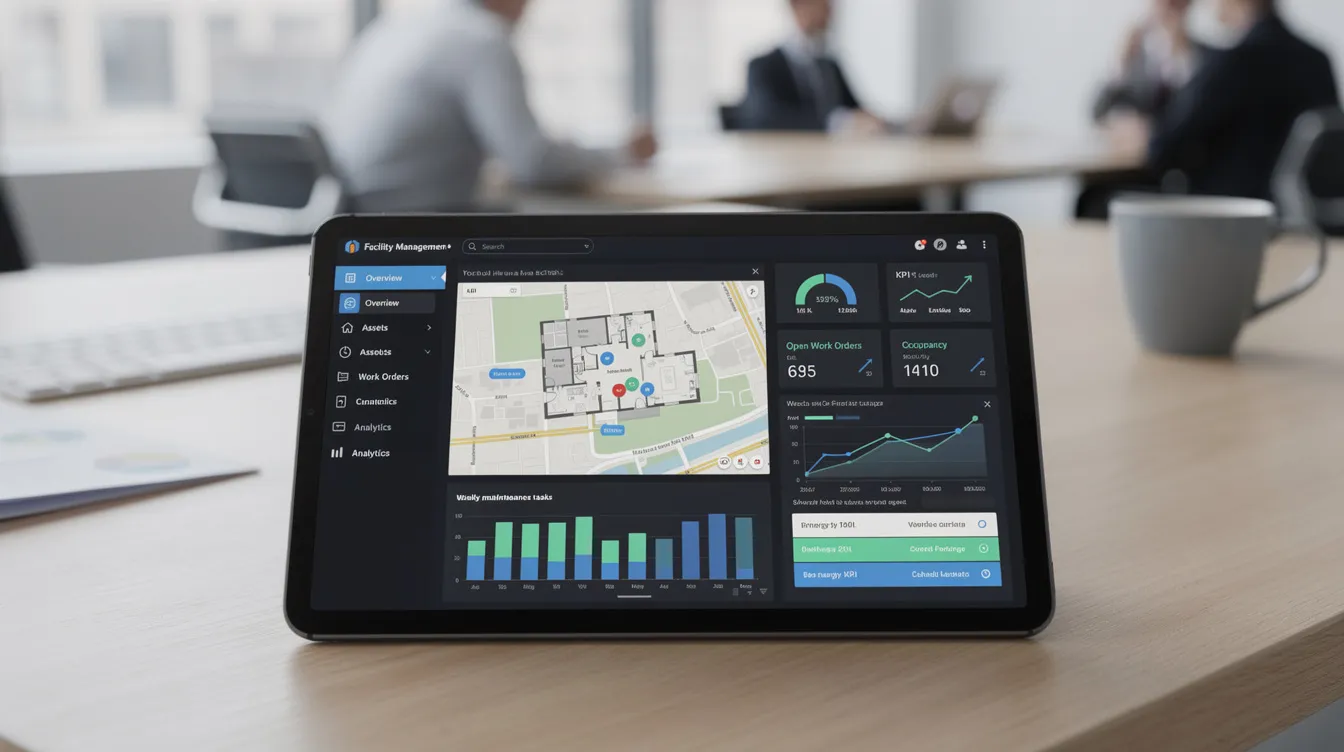
Many facility maintenance franchises provide proprietary software to streamline operations, manage work orders, and facilitate back-office billing, enhancing overall efficiency for franchisees. These platforms typically include:
- Work order management and tracking
- Scheduling and dispatch optimization
- Customer relationship management (CRM)
- Automated billing and invoicing
- Subcontractor performance monitoring
- Service request portals for clients
Mobile applications connect field teams with franchise operations in real-time, ensuring rapid response to service requests and immediate documentation of completed work. Customer portal systems allow clients to submit requests, track service history, and access billing information without phone calls or emails.
These technology tools allow franchisees to manage complex, multi-service operations efficiently—often from a home-based office. Many facility maintenance business models operate home-based or mobile, requiring lower overhead than expensive retail spaces.
Investment Requirements and Financial Analysis
Understanding the complete financial picture—from initial investment through ongoing fees to profitability timelines—enables informed decision-making about franchise opportunities, especially when you break down how much it costs to buy a franchise and build a budget. As part of your investment, you gain access to comprehensive resources—including support, essential tools, and a network—that are crucial for building and scaling your facility maintenance service franchise.
Initial Investment Breakdown
The initial investment for a facility maintenance service franchise typically ranges from $50,000 to $300,000, depending on the specific franchise and its requirements. This range reflects variations in territory size, service scope, and brand positioning.
Investment components typically include:
- Franchise fee: $20,000 to $60,000, granting rights to operate under the established brand and access systems and support
- Working capital: $50,000 to $150,000 to cover operating expenses during ramp-up period before recurring revenue stabilizes
- Equipment and technology: Computers, vehicles, software licensing, and any service-specific equipment
- Initial training: Travel, lodging, and time investment for comprehensive training programs
- Marketing launch: Local advertising, networking events, and lead generation to secure initial contracts
- Professional fees: Legal review, accounting setup, and insurance procurement
Franchise fees for facility maintenance services generally range from $20,000 to $60,000, with ongoing royalty fees between 5% and 8% of gross sales. Marketing fund contributions typically add another 2-4% for national advertising campaigns, mirroring the typical costs involved in purchasing a franchise across many service-based systems.
Many maintenance franchises can be run as mobile or home-based businesses, reducing the need for real estate expenditures. This keeps startup costs manageable while allowing franchisees to redirect capital toward sales and client acquisition.
Timeline to profitability: With proper execution, most franchisees reach operational break-even within 12-18 months. Full profitability—where the business generates both owner income and return on investment—typically occurs within 24-36 months.
Franchise Comparison Matrix
When evaluating facility maintenance franchise opportunities, comparing key financial and operational factors helps identify the best fit for your situation, similar to assessing the full investment required for a specific franchise brand:
| Factor | Budget Franchise | Mid-Range Franchise | Premium Franchise (e.g., City Wide) |
|---|---|---|---|
| Franchise Fee | $20,000-$30,000 | $35,000-$50,000 | $50,000-$70,000 |
| Total Investment | $50,000-$100,000 | $100,000-$200,000 | $175,000-$375,000 |
| Royalty Rate | 6-8% | 5-7% | 5-6% |
| Services Offered | Single focus | 5-10 services | 20+ comprehensive services |
| Territory Size | Small/shared | Medium exclusive | Large exclusive |
| Training Hours | 40-60 hours | 60-80 hours | 80-120 hours |
| Technology Platform | Basic | Moderate | Advanced proprietary software |
| Support Level | Limited | Moderate | Comprehensive ongoing support |
| City Wide Facility Solutions exemplifies the premium model, offering over 20 commercial facility services with extensive territory exclusivity and comprehensive support systems. Their proven franchise model has built approximately 94 units across the country, demonstrating scalability within the management-based approach. |
Franchising in the facility maintenance sector offers recession-proof recurring revenue, with potential profit margins ranging from 20% to 30%. Franchise owners in the facility maintenance sector can achieve these margins due to the demand for essential services and the stability provided by recurring contracts, illustrating many of the strategic advantages of purchasing a franchise over starting independently.
Common Challenges and Solutions
Even within a proven model, facility maintenance franchise owners encounter operational challenges. Anticipating these obstacles and implementing systematic solutions separates thriving businesses from struggling ones.
Contractor Management and Quality Control
Challenge: When subcontractors perform the work, maintaining consistent quality across diverse services and locations requires vigilance.
Solution: Develop a certified subcontractor program with standardized vetting procedures. This includes:
- Background checks and insurance verification
- Technical competency assessments
- Trial periods with close supervision
- Regular performance audits tied to contract renewal
- Customer feedback integration into contractor scorecards
Franchises in the facility maintenance sector often offer centralized sales support and customer acquisition guarantees to help franchisees establish and grow their businesses effectively. These systems include quality assurance protocols that franchisees can implement immediately.
Three Maintenance Categories guide service delivery: Preventive, Corrective, and Predictive. Preventive maintenance involves scheduled checkups to fix issues before they cause downtime. Corrective maintenance consists of on-demand repairs when systems fail unexpectedly. Predictive maintenance uses IoT sensors to monitor equipment health and anticipate failures based on data. Training contractors in all three categories ensures comprehensive service excellence.
Client Acquisition and Retention
Challenge: Building a contract base requires consistent prospecting, professional proposals, and relationship development—skills not all franchisees possess naturally.
Solution: Franchisors often handle national marketing campaigns and lead generation for facility maintenance businesses, as seen in many franchising examples that showcase supported service models. Complement this support with local strategies:
- Network with commercial real estate professionals, property managers, and facility directors
- Attend industry events and join relevant business associations
- Develop referral programs with existing clients
- Implement systematic follow-up processes for all prospects
Long-term contract security comes from delivering value beyond the competition. The recurring revenue model in facility maintenance franchises is characterized by ongoing contracts that provide a steady flow of income, making client retention equally important as acquisition.
Managing Multiple Service Lines
Challenge: Coordinating diverse services from various contractor specialties requires organizational sophistication that can overwhelm new franchisees.
Solution: Leverage proprietary software provided by your franchisor to streamline scheduling, communication, and billing, and follow best practices from strategic guidance on evaluating and purchasing franchise businesses. Implement clear protocols:
- Standardized service request workflows
- Automated scheduling based on contract requirements
- Regular communication cadences with both clients and contractors
- Systematic quality checks before invoicing
Operations in facility maintenance typically occur during standard business hours, offering a better work-life balance compared to 24/7 retail or food service. This predictability allows franchisees to build sustainable management routines.
Conclusion and Next Steps
Facility maintenance service franchises offer scalable, recession-resistant business opportunities for sales-focused entrepreneurs ready to build commercial property management operations. The combination of essential service demand, recurring revenue streams, and proven franchise systems creates a foundation for sustainable business growth.
Businesses must maintain their buildings and comply with safety regulations, regardless of the economy. This fundamental reality—combined with the industry’s projected growth to over $290 billion by 2033—positions facility maintenance franchising as a compelling path to business ownership.
Immediate action steps:
- Research franchise options by requesting Franchise Disclosure Documents (FDDs) from systems matching your investment capacity and service interests
- Assess financial readiness including liquid capital, net worth requirements, and access to financing options like SBA loans by following a detailed franchise financing roadmap for securing loans
- Contact franchisors to understand their support systems, territory availability, and franchisee success metrics
- Evaluate territories based on commercial density, competition, and growth potential in your target market
- Consult professionals including franchise attorneys and accountants experienced in franchise transactions and work through a strategic preparation checklist for purchasing a franchise
- Speak with existing franchisees to understand day-to-day realities and validate franchisor claims
Consider exploring City Wide Facility Solutions if you’re interested in a comprehensive, management-focused model with an established brand reputation and proven track record across nearly 100 locations nationwide. Their approach to facility services emphasizes the sales and relationship management skills that drive success in this industry.
Frequently Asked Questions
What is the typical ROI timeline for facility maintenance service franchises?
Most facility maintenance franchises reach operational break-even within 12-18 months, meaning monthly revenue covers monthly expenses. Full owner income and investment recovery typically occurs within 24-36 months with consistent sales execution. The facility maintenance industry is projected to grow 5-7% annually, driven by trends such as office returns and aging facilities, which further supports the viability of a recurring revenue model within reasonable timeframes.
Do I need prior experience in facility maintenance to succeed?
Technical experience is not required for management-focused franchise models. Success depends more on sales ability, relationship management, and business operations skills than on knowing how to repair HVAC systems or clean carpets. Many franchises in the facility maintenance sector provide extensive training programs, often ranging from 40 to 120 hours of initial training, along with ongoing support. Training programs cover topics such as business accounting, marketing, and technical service performance for facility maintenance businesses.
What ongoing support do facility maintenance franchisors provide?
Understanding where to get the capital when purchasing a franchise goes hand-in-hand with evaluating the level of support you’ll receive after launch.
Quality franchisors provide comprehensive support including initial training (40-120 hours), ongoing mentorship programs, marketing assistance, proprietary software for operations management, vendor network access, and field support. Ongoing mentorship programs provide continuous guidance for scaling a business in the facility maintenance sector. Franchisees in the facility maintenance industry typically receive both classroom and on-the-job components, along with ongoing field support that continues throughout the franchise relationship.
How do I choose between different facility maintenance franchise systems?
Evaluate franchises based on: investment requirements and fee structure transparency, territory availability and exclusivity in your target market, breadth of service offerings, technology platform sophistication, franchisee satisfaction and retention rates, and alignment between your skills and the franchisor’s ideal candidate profile. Request Item 19 financial performance representations in the FDD when available, and speak with multiple existing franchisees before making commitments.
What makes facility maintenance franchises recession-resistant?
Businesses require ongoing cleaning, HVAC, and electrical upkeep to remain operational, safe, and compliant regardless of economic conditions. Commercial properties cannot defer essential maintenance indefinitely without risking safety violations, equipment failures, or tenant complaints. This essential demand creates stability that discretionary consumer services cannot match. The recurring revenue model provides predictable cash flow even during economic downturns.
Can I scale to multiple territories or units?
Yes, multi-unit development is common among successful facility maintenance franchisees. Many franchise systems offer development agreements allowing expansion into additional territories once initial operations prove successful. Scaling requires additional capital, management infrastructure, and operational sophistication—but the management-based model inherently supports growth since franchisees coordinate rather than perform services directly. City Wide Facility Solutions and similar systems specifically support multi-territory growth for qualified franchisees.
What advantages does a franchise offer over starting an independent facility maintenance company?
Franchising provides immediate access to an established brand, proven systems, and ongoing support that independent operators must build from scratch. Access to standardized procedures and proprietary software can save up to 15-20% on operational costs in facility maintenance. Additionally, franchisors often handle national marketing campaigns and lead generation, allowing franchisees to focus on sales and operations rather than brand building. The proven business model reduces risk compared to developing systems independently through trial and error.