
Table of Contents
What It Really Costs to Buy a Franchise in 2026
How Much Does It Cost to Buy a Franchise is one of the most important questions prospective franchise owners ask before investing. This guide breaks down the full cost of franchise ownership, from the initial franchise fee to real estate, equipment, working capital, and ongoing royalties, so you can determine what it takes to launch a franchise in 2026.
Franchise costs in 2026 range from approximately $10,000 for home-based businesses to over $2 million for major restaurant chains, with most franchise opportunities falling between $100,000 and $300,000 in total investment. This guide covers the complete financial requirements for anyone looking to buy a franchise, including initial fees, ongoing costs, financing options, and how expenses vary across different industries and other businesses. Resources such as franchise business review can help prospective franchisees compare brands and better understand real-world ownership experiences.
This content addresses prospective franchisees evaluating business ownership opportunities through franchising. It covers franchise fees, total investment components, working capital requirements, and industry-specific cost breakdowns. Legal advice, tax planning, and specific contract negotiations fall outside this scope—consult qualified professionals for those matters.

Direct answer: The initial franchise fee typically ranges from $5,000 to $75,000, but the total investment—including real estate, equipment, inventory, and working capital—determines your actual franchise startup costs. Home-based franchises like CoolVu Franchise require $56,000-$94,000, while McDonald’s demands $1.47 million to $2.73 million.
Key outcomes from this guide:
- Understanding all franchise investment components beyond the initial franchise fee
- Recognizing how franchise costs vary by industry, brand, and location
- Identifying financial requirements and qualification thresholds
- Spotting hidden expenses that catch prospective franchisees off guard
- Developing realistic budgeting strategies for franchise ownership
Understanding Franchise Investment Fundamentals
Franchise investment encompasses the complete capital required to launch and sustain a franchise business through its initial operating period. This includes the initial fees paid to the franchisor, physical setup costs, and sufficient working capital to keep the business afloat until it generates positive cash flow. Understanding these fundamentals helps prospective business owners make data driven decisions about which franchise system matches their financial capacity and available franchise rights.
Initial Franchise Fee Structure
The franchise fee is a one-time payment that licenses you to operate under the franchisor’s brand and access their proven business systems. This licensing fee grants permission to use trademarks, proprietary methods, and established operational procedures that would otherwise take years to develop independently.
Typical franchise fees range from $20,000 to $50,000 for established brands. However, home-based and mobile concepts often charge $5,000 to $25,000, while premium restaurant chains may exceed $75,000. CoolVu Franchise, for example, charges approximately $19,900 as its initial franchise fee.
This fee generally covers initial training, operational manuals, startup marketing materials, and sometimes site-selection assistance. It’s generally non negotiable and represents just the entry point to franchise ownership—not the total upfront investment required.
Total Investment vs. Initial Fee
The distinction between franchise fee and complete startup investment confuses many first-time franchisees. The franchise fee represents only a fraction of what you’ll actually spend before opening day. Total investment encompasses real estate costs, equipment, opening inventory, build out expenses, professional fees, and working capital to cover initial operating expenses.
Consider the contrast: CoolVu Franchise requires a total investment between $56,000 and $94,000, making it accessible for entrepreneurs with moderate capital. McDonald’s, however, demands $1.47 million to $2.73 million in total investment despite a franchise fee of approximately $45,000. The fee-to-investment ratio reveals why examining the franchise disclosure document (FDD) Item 7 matters more than focusing solely on advertised franchise fees.
Understanding this distinction prepares you for the detailed cost breakdown that follows.
Breaking Down Complete Franchise Investment Components
Moving beyond basic fee structures, examining every required capital component reveals where your money actually goes. Each element carries different weight depending on your chosen franchise system and business model.
Real Estate and Location Costs
Real estate expenses often consume 30-50% of total investment for brick-and-mortar franchise businesses. These costs include security deposits, lease payments during buildout, construction costs for tenant improvements, and location-specific requirements mandated by local codes or the franchisor’s system.
Geographic variations create dramatic cost differences. A physical location in Manhattan costs substantially more than equivalent square footage in a mid sized market. Urban high-rent areas can push real estate and build out expenses hundreds of thousands of dollars higher than suburban or rural alternatives for the same franchise concept. In service-based franchises, referrals from professionals such as real estate agents can also become a valuable source of new business.
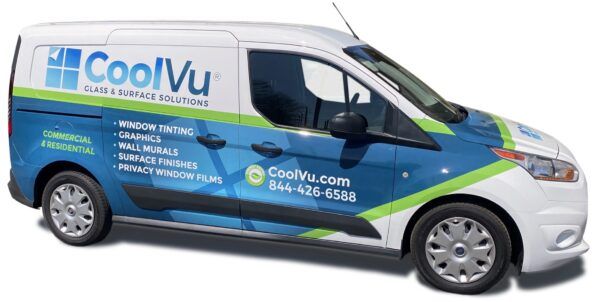
Home-based franchises like CoolVu eliminate this cost category entirely. Operating from a vehicle with materials shipped directly means zero storefront real estate, no construction costs, and no landlord negotiations—substantially reducing the estimated initial investment.
Equipment and Technology Requirements
Industry-specific equipment needs vary dramatically across franchise categories. Restaurant concepts require commercial kitchen appliances, ventilation systems, and specialized cooking equipment. Service franchises may need diagnostic tools, specialty vehicles, or professional-grade supplies. Many franchisors mandate purchasing from approved suppliers, sometimes at premium pricing.
Technology infrastructure adds another layer: POS systems, inventory management software, customer relationship platforms, and security systems. These ongoing costs include both initial purchase and recurring subscription fees.
Equipment costs by category illustrate the range:
- Home-based/mobile franchises: $5,000-$15,000 (vehicle graphics, basic tools, technology)
- Service retail: $25,000-$75,000 (specialized equipment, fixtures)
- Quick-service restaurants: $150,000-$350,000 (kitchen equipment, furniture, signage)
- Full-service restaurants: $250,000-$500,000+ (full kitchen buildout, décor, seating)
Working Capital and Operating Expenses
Working capital covers operational expenses before the franchise generates sufficient revenue. Most franchises require liquid assets to sustain 6-12 months of operations, including payroll, rent, utilities, insurance, inventory replenishment, and marketing.
Additional costs during startup include staff hiring and training, business permits, professional services (accounting, legal), and general office supplies. Initial training travel expenses—often overlooked—can add thousands when training occurs at distant corporate facilities.
Key cost components summary:
- Franchise fee: $5,000-$75,000
- Real estate and buildout: $0-$500,000+ (varies by model)
- Equipment and technology: $5,000-$500,000
- Working capital: $15,000-$150,000
- Professional fees and permits: $5,000-$25,000
Understanding these components prepares you for analyzing how costs distribute across different franchise industries.
Franchise Cost Analysis by Industry and Business Model
With component costs established, examining how they combine across franchise categories reveals which opportunities match different investment capacities. The franchising industry offers options at virtually every price point.
Investment Ranges by Franchise Category
Different franchise models suit different financial situations and risk tolerances:
- Home-based/Mobile franchises: $10,000-$100,000 — CoolVu Franchise ($56,000-$94,000), cleaning services, consulting, mobile pet grooming. No physical location requirements minimize real estate expenses and construction costs.
- Service-based retail: $50,000-$200,000 — Fitness studios, beauty services, automotive repair. Moderate equipment needs with manageable buildout costs in leased spaces.
- Quick-service restaurants: $150,000-$500,000 — Fast food, coffee shops, quick casual dining. Subway ranges $200,000-$540,000; smaller concepts start lower but still require substantial kitchen equipment.
- Full-service restaurants: $500,000-$2,000,000+ — Casual dining and major chain restaurants. KFC and Taco Bell formats can exceed $1.3-$3 million. Wendy’s requires up to $2.8 million for certain locations.
Financial Qualification Requirements Comparison
| Franchise Category | Liquid Capital Required | Net Worth Requirement | Down Payment |
|---|---|---|---|
| Home-based (CoolVu) | ~$50,000 | None specified | 25-40% of investment |
| Service retail | $75,000-$150,000 | $150,000-$300,000 | 25-40% of investment |
| Quick-service | $250,000-$500,000 | $500,000-$1,000,000 | 25-40% of investment |
| Full-service/Major QSR | $500,000-$2,000,000 | $1,000,000-$5,000,000 | 25-40% of investment |
McDonald’s requires approximately $500,000 in liquid assets. Wendy’s demands net worth of $5 million with $2 million in liquid capital for certain store formats. CoolVu’s accessible requirements—approximately $50,000 liquid capital with no net worth threshold—illustrate why home-based models attract entrepreneurs with moderate savings.
Ongoing Cost Structure Analysis
Beyond startup costs, recurring costs determine long-term profitability. Understanding these operational expenses before signing a franchise agreement prevents financial surprises.
Royalty fees typically range 4-8% of gross sales, paid on a monthly basis. This structure of franchise royalties compensates the franchisor for continued brand support, system improvements, and operational assistance. Some franchises, including CoolVu, use flat royalty fees based on tenure rather than percentage-of-sales models.
Marketing fees add another 1-4% of gross sales for national and regional advertising fund contributions. Local marketing requirements often add other costs beyond fund contributions.
Technology fees and system updates cover software subscriptions, POS maintenance, and mandatory platform upgrades. Many franchisors require periodic equipment refresh or décor updates, creating additional costs beyond regular operations.
Understanding these long-term financial requirements helps evaluate whether projected revenue supports sustainable franchise ownership.
Common Franchise Investment Challenges and Solutions
Careful planning prevents the most common financial mistakes that derail new franchise owners. These solutions address challenges that catch even experienced business professionals off guard.
Underestimating Total Investment Requirements
Franchisor-provided estimates sometimes omit categories like vehicle maintenance, permit renewals, or local licensing fees. The franchise disclosure document Item 7 provides ranges, but actual costs frequently exceed midpoint projections.
Solution: Add 20-30% buffer to franchisor estimates when calculating your minimum level of required capital. Have an accountant or franchise consultant review financial projections independently. Interview current franchisees about their actual startup costs versus initial projections—most franchise systems require this franchisee contact list in the FDD.
Insufficient Working Capital Planning
Many new franchise owners underestimate how long reaching break-even takes. For retail and restaurant franchises, 8-14 months before positive cash flow is common. Running out of working capital forces owners into expensive emergency financing or closure.
Solution: Plan for 6-12 months of operating costs beyond the initial investment amount. Factor in personal living expenses during the ramp-up period—you need enough money for both business and household bills. Service-based and home-based franchises like CoolVu typically reach profitability faster due to lower overhead, but conservative planning protects against market variations.

Hidden Costs and Unexpected Expenses
Legal fees for franchise agreement review, architectural plans for buildout, training travel expenses, grand opening marketing, and required vendor premiums add up quickly. These other expenses rarely appear prominently in marketing materials.
Solution: Budget specifically for legal review ($2,000-$5,000), permit and licensing fees ($1,000-$10,000 depending on location), training travel ($2,000-$5,000), and grand opening marketing (varies by franchisor requirements). Research whether the franchisor requires purchasing from specific vendors at potentially premium pricing. Request detailed cost breakdowns from existing franchisees and consult senior leadership, such as a managing director, when available to clarify assumptions.
Addressing these challenges positions you for successful financing and launch.
Conclusion and Next Steps
Franchise costs span from approximately $10,000 for streamlined home-based models to over $2,000,000 for major restaurant chains. Your actual investment depends on industry category, specific brand requirements, and geographic location. Home-based opportunities like CoolVu Franchise offer accessible entry points, while established food service brands demand substantial capital and net worth qualifications.
Immediate actionable steps:
- Request franchise disclosure documents from 3-5 target franchises matching your investment capacity
- Complete a personal financial assessment documenting liquid assets, net worth, and accessible financing options
- Consult with franchise financing specialists about SBA loans, in-house franchisor financing, and alternative lending sources
- Interview current franchisees about real costs versus FDD projections—focus on surprises and budget overruns
- Engage an accountant and franchise attorney before signing any franchise agreement
Related topics worth exploring include detailed franchise financing options, comprehensive FDD analysis techniques, and site selection strategies that optimize costs without sacrificing revenue potential. Learning from industry leaders can also help you compare franchise opportunities more effectively.
If you’re researching How Much Does It Cost to Buy a Franchise, CoolVu offers a home-based franchise model with accessible startup costs and strong support. Visit their website to explore a growing opportunity in the window film industry and see whether this franchise aligns with your investment goals.
Frequently Asked Questions
What is the average franchise fee in 2026?
Franchise fees typically range from $25,000 to $50,000 for established brands, representing the licensing fee for brand rights and system access. Home-based franchises often charge less—CoolVu Franchise requires approximately $19,900—while premium restaurant chains like McDonald’s charge around $45,000 and specialty concepts may exceed $75,000. This fee covers initial training, operational systems access, and startup support, but represents only a fraction of total investment requirements.
How much liquid capital do I need to qualify for a franchise?
Liquid capital requirements vary dramatically by franchise category. Major quick-service restaurants like McDonald’s require approximately $500,000 in liquid assets, while Wendy’s demands even higher thresholds. Service and home-based franchises set more accessible requirements—CoolVu Franchise requires approximately $50,000 in liquid capital with no net worth requirement. Most mid-range franchises fall between $75,000 and $250,000 in liquid capital needs. Borrowed funds typically don’t qualify as liquid assets for qualification purposes.
Can I finance the entire franchise investment?
Most franchisors require 25-40% down payment from personal, non-borrowed funds—making complete financing impossible. The remaining balance can typically come from SBA 7(a) or 504 loans, conventional bank financing, or alternative lenders. Some franchisors, including CoolVu, offer in-house financing for portions of the investment. Equipment leasing and supplier credit may cover specific categories, but liquid capital requirements must generally come from personal resources.
What ongoing fees should I expect after opening?
Typical ongoing fees include royalties of 4-8% of gross sales, marketing fund contributions of 1-4%, plus technology and training costs. Some franchises use flat royalty structures rather than percentage-based fees. Advertising obligations may include national fund contributions plus local marketing requirements. Technology fees for software subscriptions and system maintenance add recurring monthly costs. Review FDD Items 5 and 6 carefully to understand all ongoing obligations and other fees before committing.
How do franchise costs vary by location?
Location significantly impacts total investment through real estate costs, labor expenses, construction costs, and permit fees. Urban markets often cost 50-100% more than suburban locations for identical franchise concepts. A mid sized market offers moderate costs while still providing customer density. Geographic variations affect ongoing operational expenses too—rent and wages in major metropolitan areas substantially reduce profit margins compared to lower-cost regions. Some franchisors provide location-specific investment ranges in their FDD.
What’s the typical return on investment timeline for franchises?
Most franchises achieve break-even within 2-4 years, though timelines vary significantly by category. Service-based and home-based franchises like CoolVu typically reach profitability faster—often 1-3 years—due to lower overhead, minimal real estate expenses, and reduced staffing requirements. Major food service franchises may require 5-10+ years for full investment recovery when factoring construction costs, equipment depreciation, and real estate amortization. Lower-investment models offer faster payback potential while higher-investment concepts may generate larger absolute returns over extended timeframes.