Table of Contents
Understanding the Real Cost of Buying a Franchise
How Much to Buy a Franchise is one of the first questions aspiring franchise owners ask when evaluating business opportunities. This guide breaks down the full investment required, including franchise fees, equipment, working capital, and ongoing costs, so you can determine what it takes to launch a franchise in 2026.
The cost to buy a franchise ranges dramatically based on industry, brand recognition, and business model. This guide covers complete investment requirements for 2026, including initial fees, total investment ranges, ongoing costs, and financing options that potential franchisees need to evaluate before committing capital to their financial journey toward own business ownership.
This content serves aspiring entrepreneurs, career changers seeking to be their own boss, and investors considering franchise ownership as a path to business ownership. Whether you’re exploring home-based service opportunities or major restaurant brands, understanding the full financial landscape prevents costly surprises and positions you for sustainable success.

Direct answer: Direct answer: Franchise costs range from approximately $25,000 for home-based businesses to $2+ million for major restaurant brands, with most franchises requiring between $100,000 and $500,000 in total upfront investment. The median total initial investment across industries falls between $204,693 and $459,750 according to 2025 franchise industry data.
By the end of this guide, you’ll understand:
- Every component that comprises total franchise investment beyond the franchise fee
- How costs vary across food service, retail, and service-oriented franchises
- Financial qualification standards franchisors require before approval
- Financing strategies and realistic ROI timelines for different business models
- Common investment pitfalls and how to avoid them
Understanding Franchise Investment Components
Total franchise investment encompasses far more than the initial franchise fee most people focus on first. The franchise fee itself—typically a one-time payment for brand rights, initial training, and system access—represents only 10-20% of what you’ll actually spend to open your doors and launch your own business.
Understanding all investment components matters because underestimating total costs remains the primary reason new franchisees face financial stress within their first year of operations.
Initial Franchise Fee Structure
The initial franchise fee covers your licensing fee rights to operate under the franchisor’s brand, access their proprietary systems, receive initial training, and gain entry into the entire franchise system. This fee is generally non-negotiable for established brands and reflects the value of joining a proven business model with existing customer recognition.
Typical franchise fees range from $15,000 to $50,000 for most opportunities, though premium brands may charge $50,000 to $75,000 or more. Lower fees don’t necessarily indicate lower overall costs—some brands with modest fees require substantially higher build-out expenses or equipment investments. The franchise fee correlation with support level matters: brands charging higher fees often provide more comprehensive training, ongoing support, and marketing materials.
Total Investment Requirements
Beyond the franchise fee, your total investment includes equipment and fixtures, initial inventory, real estate expenses, construction costs, signage, licenses, permits, and working capital to sustain day-to-day operations until cash flow turns positive.
Equipment costs vary dramatically by industry—a cleaning franchise might require $10,000 in equipment while a restaurant franchise requires $200,000+ in kitchen buildout alone. Real estate costs depend heavily on whether you lease or purchase, your geographic market, and square footage requirements. Initial inventory costs apply primarily to retail and food service franchises, often ranging from $15,000 to $100,000.
Working capital deserves special attention because many franchisors know franchisees underestimate how long profitability takes to achieve. Most franchises require 6-12 months of operating costs as a cash reserve, covering payroll, rent, utilities, and initial operating expenses before revenue stabilizes.
These components combine to create the complete investment picture that the franchise disclosure document (FDD) Item 7 details for every legitimate franchise opportunity.
Franchise Cost Breakdown by Industry and Business Model
Industry selection dramatically impacts your franchise startup costs and capital requirements. The median investment for food and beverage franchises runs approximately $697,800, while service-based and home-based models may require less than $75,000 total.
Food Service Franchise Investments
Quick-service restaurant franchises typically require $300,000 to $1,200,000+ in total investment. A brand like Taziki’s Mediterranean Café carries a $35,000 franchise fee but requires $555,000 to $1.01 million in startup costs. Major brands like Wendy’s push investment requirements to $2,000,000 to $3,500,000 per unit.
Full-service and casual dining concepts demand even higher capital. Boston’s Pizza Restaurant & Sports Bar requires $1,000,000 to $2,800,000 initial investment. These elevated costs stem from larger physical locations, extensive kitchen build-out expenses, bar licensing, and higher initial inventory costs for full menus.
Equipment and construction costs drive most variation within food service. Kitchen buildout alone can run $150,000 to $400,000 depending on concept complexity. Real estate costs compound the challenge—full-service restaurants often require freestanding buildings or premium mall locations with higher lease rates.
Service-Based Franchise Costs
Home-based and mobile franchise opportunities offer substantially lower upfront costs, typically ranging from $25,000 to $75,000 total investment. Cleaning services, consulting franchises, pet services, and mobile repair businesses operate without physical location requirements, eliminating real estate expenses entirely.
Retail service locations with modest storefronts generally require $100,000 to $400,000. These businesses need customer-facing space but avoid the intensive build-out costs of restaurants. Equipment investments remain lighter, and initial inventory requirements are minimal compared to product-based retail.
The working capital advantage of service-oriented franchises deserves emphasis: lower monthly operating costs mean smaller cash reserves needed, faster break-even timelines, and reduced financial risk during the startup phase.
Retail and Specialty Franchise Investments
Storefront retail franchises require $200,000 to $800,000+ depending on size, location premiums, and inventory investment levels. Cold Stone Creamery exemplifies the range within a single brand: investments span $53,200 to $468,775, with liquid capital requirements of at least $100,000 and net worth minimums of $250,000.
Inventory costs represent a significant portion of retail investment—fashion, convenience, or specialty retail franchises may require $50,000 to $200,000 in initial inventory alone. Fixtures, signage, and location build-out add another layer of upfront costs that vary significantly by real estate market.
Premium locations in high-traffic areas or major metropolitan markets command substantially higher lease costs, pushing total investments toward the upper range regardless of brand-level estimates in franchise disclosure documents. In a mid sized market, these costs may be significantly lower than in major urban centers.
Financial Qualification Requirements and Investment Planning
Franchisors establish financial qualification standards to ensure prospective franchisees can sustain operations through the initial growth period and meet ongoing obligations. Understanding these requirements before approaching brands saves time and prevents rejection after investing effort in the application process.
Liquid Capital and Net Worth Standards
Liquid capital requirements represent cash and easily convertible assets you can access without selling illiquid investments or borrowing. Most franchises require liquid capital equal to 25-40% of total investment. A $300,000 franchise opportunity typically requires $75,000 to $120,000 in liquid assets.
Net worth requirements—total assets minus total liabilities—typically run 2-3 times the total investment amount. For a $250,000 investment, expect franchisors to require net worth of $500,000 to $750,000. Premium brands set higher bars: Taziki’s requires $1.5 million net worth; Dairy Queen requires $750,000 net worth per unit.
Credit scores factor into both franchisor approval and financing options. Most franchisors prefer scores in the 650-700+ range, though some require 680+ for approval. Prior business experience, particularly in the franchise’s industry or multi-unit management, can offset marginal financial qualifications.
Debt-to-income ratio matters primarily for financing qualification. Lenders evaluate whether your existing obligations leave room for additional debt service while maintaining adequate cash flow for business operations and personal expenses based on your overall financial situation.
Financing Options and Strategies
Multiple financing pathways exist for franchise investment, each with distinct requirements and advantages:
| Financing Source | Typical Down Payment | Approval Timeline | Best For |
|---|---|---|---|
| SBA 7(a) Loans | 10-25% | 60-90 days | Most franchise types; equipment, working capital, leasehold improvements |
| SBA 504 Loans | 10-15% | 90-120 days | Property purchases; real estate-intensive franchises |
| Franchisor Financing | Varies widely | 30-60 days | Brands offering in-house programs; often limited availability |
| Equipment Financing | 0-20% | 14-30 days | High equipment cost franchises; preserves working capital |
| Investor Partnerships | Negotiated | Variable | Higher investment franchises; experienced operators |
SBA loans remain the most common franchise financing vehicle because many franchises appear on SBA-approved brand registries, streamlining the approval process. Equity injection requirements typically run 10-20% of total project cost, meaning you need at least $30,000 to $60,000 in unborrowed funds for a $300,000 franchise.
Down payment expectations vary by financing source and business risk profile. New franchisees without industry experience often face 20-30% down payment requirements, while experienced operators with strong credit may qualify for 10-15% terms. Before moving forward, make sure you have enough money to cover both the down payment and working capital reserve.

ROI Timeline and Profitability Expectations
Most franchises reach break-even—where monthly revenue covers all operating costs including royalty fees and marketing fees—within 18 to 36 months of opening. Service-based franchises with lower overhead often achieve positive cash flow within 12-24 months, while restaurants typically require 24-48 months.
Factors accelerating profitability include strong location selection, experienced management execution, effective local marketing, and operating within the franchisor’s system precisely as designed. Factors delaying profitability include higher-than-expected real estate costs, staffing challenges, local competition intensity, and economic conditions affecting consumer spending.
Net profit margins after royalties and ongoing costs average 5-8% for full-service restaurants, with quick-service and fast-casual concepts occasionally reaching 10-12% for well-operated units. Service franchises often achieve higher percentage margins due to lower cost structures, though gross revenue may be lower than food service operations.
Common Investment Challenges and Solutions
New franchisees consistently encounter predictable financial obstacles. Anticipating these challenges and implementing solutions before they materialize dramatically improves success rates.
Underestimating Total Investment Needs
Franchise disclosure document estimates represent ranges based on variable factors like location, real estate market conditions, and construction costs. The low-end estimate rarely reflects actual opening costs, particularly in competitive or high-cost markets.
Solution: Add 20-30% buffer above FDD midpoint estimates to account for unexpected costs, construction delays, permit complications, and working capital needs during slower-than-projected initial months.
Hidden Ongoing Costs
Recurring costs beyond initial investment catch many franchisees off guard. Royalty fees typically run 4-8% of gross sales monthly. Marketing fund contributions add another 1-4%. Technology platform fees, required equipment upgrades, insurance increases, and general office supplies create additional costs that compound over time, along with other fees that may not be obvious at first glance.
Solution: Build a 5-year financial projection that includes all ongoing royalty fees, marketing fees, technology fees, insurance escalations, equipment maintenance reserves, and anticipated cost increases. This comprehensive view reveals true long-term profitability.
Location and Real Estate Cost Overruns
Real estate expenses frequently exceed initial projections, particularly when lease negotiations extend longer than expected or preferred locations require premium terms. Build-out costs also vary significantly between initial contractor estimates and final invoices.
Solution: Research local market rates with commercial real estate agents early in your franchise evaluation process. Secure pre-approved lease terms or letters of intent before making final franchise commitments. Include construction contingencies of 15-20% in your budget, and if possible, consult with a managing director or senior advisor who understands franchise development costs.
Insufficient Working Capital Reserves
Franchisees who invest nearly all available capital in opening costs face severe pressure when revenue ramps slower than projected. This scenario forces difficult decisions about cutting operational corners or seeking emergency financing at unfavorable terms.
Solution: Secure 6-12 months of operating expenses beyond opening investment requirements before committing to any franchise. This reserve should cover rent, payroll, utilities, inventory replenishment, and franchise royalties during the break-even achievement period.
Conclusion and Next Steps
Franchise costs vary widely across industries and business models, but proper planning ensures you enter franchise ownership with realistic expectations and adequate resources. Most successful franchisees invest significant time in due diligence before committing capital—and avoid the financial stress that comes from underestimating total requirements.
Your immediate next steps:
- Request and thoroughly review franchise disclosure documents for any brands under consideration, paying particular attention to Item 7 (investment requirements) and Item 19 (financial performance representations)
- Complete a personal financial assessment including liquid assets, net worth, credit score, and maximum comfortable investment level
- Contact 5-10 existing franchisees within your target brands to discuss actual opening costs versus FDD estimates and realistic profitability timelines
- Meet with an SBA-preferred lender or franchise financing specialist to understand your qualification level and financing options
- Build a comprehensive 5-year financial projection including all startup costs, ongoing fees, and realistic revenue assumptions

For deeper preparation, explore franchise business review resources, business plan development for franchise applications, and legal review considerations for franchise agreements before signing any commitment.
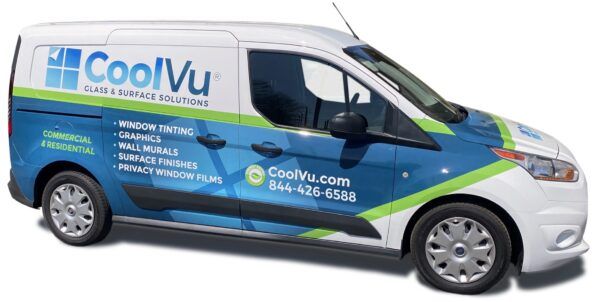
If you’re researching How Much to Buy a Franchise, CoolVu offers a home-based franchise opportunity with accessible startup costs and ongoing support. Visit their website to explore a scalable business model in the growing window film industry and see whether it aligns with your investment goals.
Frequently Asked Questions
What is the average cost to buy a franchise in 2026?
Most franchises require $100,000 to $500,000 in total investment, with the median across industries falling between $204,693 and $459,750. However, ranges span from approximately $25,000 for home-based service franchises to $2+ million for major restaurant brands. Food and beverage franchises carry higher median investments around $697,800. Your industry selection, geographic market, and specific brand dramatically impact final investment requirements—researching actual FDD figures for specific opportunities provides more accurate planning data than industry averages.
How much cash do I need to qualify for franchise financing?
Lenders typically require 10-30% of total investment as a down payment, with 20-25% most common for new franchise businesses. Beyond down payment, franchisors require liquid capital—usually 25-40% of total investment in accessible cash or easily convertible assets. Strong credit scores (680+) and relevant business experience can sometimes reduce cash requirements. Plan to demonstrate liquid assets sufficient for both down payment and 6-12 months of operating expenses to satisfy both franchisor and lender requirements.
Are franchise fees negotiable?
Initial franchise fees are generally non-negotiable for established franchise brands—the fee structure is standardized across all franchisees to maintain system consistency and legal compliance. However, some flexibility may exist for veterans (many brands offer 10-25% discounts), multi-unit development deals, or incentive programs for underserved territories. Rather than negotiating the fee itself, focus discussions on territory rights, support services, training timelines, and marketing assistance—areas where franchisors have more discretion.
What ongoing costs should I budget beyond the initial investment?
Ongoing costs significantly impact long-term profitability and require careful budgeting. Royalty fees typically run 4-8% of monthly gross sales, paid regardless of profitability. Marketing fund contributions add 1-4% of gross revenue. Additional recurring costs include technology platform fees ($200-$1,000+ monthly), required software subscriptions, equipment maintenance reserves, insurance premiums, permit renewals, and potential cost increases in labor and supplies. These costs combined can represent 10-15% of gross revenue before considering standard operating costs.
How long does it take to break even on a franchise investment?
Most successful franchises reach operational break-even within 18-36 months of opening. Service-oriented franchises with lower overhead often break even faster—12-24 months is common for home-based and mobile service models. Full-service restaurants typically require 24-48 months due to higher operating costs and longer revenue stabilization periods. Location performance, management execution quality, local market conditions, and adherence to the franchisor’s system all heavily influence timeline. Review Item 19 data in franchise disclosure documents for brand-specific performance indicators.
Can I buy a franchise with no money down?
Genuine no-money-down franchise opportunities are extremely rare and typically carry significant financial risk or unfavorable terms. Most lenders require 10-25% minimum personal investment to demonstrate commitment and share risk. SBA loans specifically require equity injection—unborrowed capital you invest personally. If cash availability limits your options, consider lower-cost franchise opportunities that align with your liquid assets, explore partnership structures where investors provide capital in exchange for equity, or pursue phased investment approaches where you build capital in one location before expanding.