
Table of Contents
Understanding Small Business Loans for Franchise Acquisition
Securing funding for a franchise often presents significant challenges. However, understanding small business loans designed for franchise acquisition offers distinct advantages. These loans provide access to crucial working capital, covering startup costs, equipment, and inventory. Importantly, they often structure debt separately from personal finances, mitigating personal financial risk.
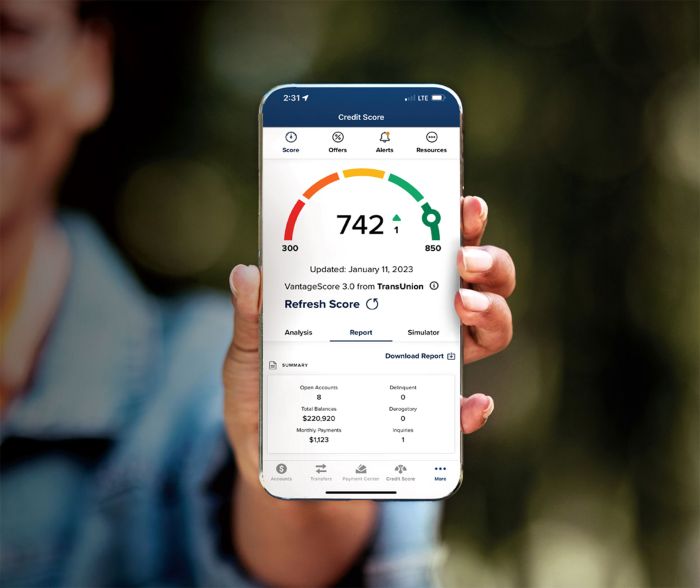
Key factors influencing loan eligibility include credit score, financial history, business plan, and management experience. A strong showing in these areas leads to favorable loan terms. The business plan requires detailed, realistic financial projections demonstrating the franchise investment’s feasibility and repayment capacity.

Key Types of Loans for Buying a Business
Several financing options exist for franchise acquisitions. Let’s explore key choices:
Government-Backed Loans: The Power of the SBA
Government-backed loans, primarily through the Small Business Administration (SBA), reduce lender risk, making capital more accessible. These programs often offer more lenient terms than conventional loans.
Conventional Bank Loans: A Traditional Approach
Conventional bank loans are a common option, particularly for those with strong credit and substantial down payments. While offering flexibility, they typically demand higher credit scores and greater equity.
Alternative Funding Solutions
Beyond SBA and conventional loans, several alternative funding solutions exist. We’ll explore these options in detail, including those suitable for established entrepreneurs with existing assets.
The SBA 7(a) Loan: A Popular Choice for Franchises
The SBA 7(a) loan program is a cornerstone of small business funding. The SBA’s guarantee reduces lender risk, increasing approval rates and potentially improving loan terms. For franchisees, this translates to easier access to funds for startup costs, equipment, and inventory.
What is the SBA 7(a) Loan Program?
The SBA 7(a) loan program helps small businesses access capital through participating lenders. The SBA guarantees a portion of the loan, reducing lender risk and benefiting borrowers. This increased lender comfort leads to better approval rates and potentially more favorable loan terms.
Eligibility Requirements for SBA 7(a) Loans
Several factors determine eligibility:
The business must meet SBA size standards, operate for profit, and have a viable business plan. Borrowers need a strong personal credit score, positive financial history, and demonstrable management experience. A solid business plan, detailing market analysis, operational strategy, management team, startup costs, and projected revenue and cash flow, is indispensable. It must clearly demonstrate repayment capacity.
Loan Amounts, Terms, and Interest Rates
SBA 7(a) loans offer various amounts, terms, and interest rates. The maximum loan amount varies depending on the lender and the business’s needs. Repayment periods range from months to years. Interest rates are typically based on the prime rate, adjusted based on the borrower’s creditworthiness and the loan’s risk profile. Funding can be used for various purposes, including purchasing real estate, equipment, inventory, covering working capital needs, or as a business acquisition loan.
Beyond SBA: Exploring Other Franchise Financing Options
While SBA loans are popular, other financing options can be beneficial.
Rollover for Business Startups (ROBS)
ROBS allows using funds from retirement accounts (401(k)s, IRAs) without penalty to start or buy a business. This can be appealing if you have substantial retirement savings. However, understanding the regulatory requirements and potential risks is crucial. Consult a financial and legal professional experienced in ROBS before proceeding.
Conventional Bank Loans
Conventional bank loans are a viable alternative, particularly if you have excellent credit and significant equity as collateral. These loans often have higher interest rates but might be simpler to obtain than SBA loans.
Portfolio Loans and Specialized Lender Programs
Some lenders specialize in franchise financing and offer portfolio loans. These lenders often understand the franchise model better and may provide better terms and faster processing.
Seller Financing
Seller financing involves negotiating a loan agreement directly with the franchise owner or franchisor. This reduces upfront capital requirements but necessitates careful negotiation and a well-structured agreement.
Other Potential Avenues for Funding
Other avenues include franchisor-sponsored financing programs, leveraging personal assets (such as home equity lines of credit—proceed with extreme caution!), or seeking funding from private investors or venture capitalists.
The Application Process: Step-by-Step Guidance
Securing a loan involves a structured process. Let’s break it down:
Step 1: Self-Assessment and Business Plan Development
Before approaching lenders, assess your financial health and define your goals. Craft a detailed business plan, including comprehensive financial projections, market analysis, operational strategy, and a management team overview.
Step 2: Gathering Essential Documentation
Gather necessary documentation, including personal and business financial statements, tax returns, resumes, legal entity documents, and the Franchise Disclosure Document (FDD). Organization will expedite the process.

Step 3: Approaching Lenders and Preparing Your Loan Proposal
Research lenders specializing in SBA or conventional loans for franchise acquisitions. Present a compelling case, demonstrating financial understanding, repayment capacity, and the potential for a successful franchise.
Step 4: Navigating Underwriting and Approval
The lender will conduct due diligence. Respond promptly to any requests for additional information. Transparency and clear communication are vital.
Step 5: Loan Closing and Funding
Upon approval, finalize legal documents and fulfill all conditions precedent to funding. This involves signing agreements and ensuring funds are disbursed according to loan terms.
What Lenders Look For: Preparing Your Financial Profile
Lenders use a multi-faceted assessment process, often summarized by the “Five Cs” of credit: character, capacity, capital, collateral, and conditions.
The “Five Cs” of Credit Evaluation
Character refers to trustworthiness and credit history. Capacity shows your ability to repay based on projected cash flow and debt-to-income ratio. Capital is your personal investment in the business. Collateral are assets pledged to secure the loan. Conditions refer to the economic climate and the franchise industry’s outlook.
Essential Documents and Financial Preparations
Prepare comprehensive personal and business financial statements, detailed financial projections, a clear understanding of net worth and liquidity, and a robust business plan. This preparation will significantly increase approval chances.
When assessing lending viability, many entrepreneurs contrast CoolVu with a standard tint franchise, noting that CoolVu’s diversified service model and strong market positioning can improve how lenders evaluate repayment potential.
Why a CoolVu Franchise is a Smart Investment for Lenders
CoolVu offers a compelling investment opportunity: a robust and diversified business model, an established system and comprehensive support, attractive financial performance potential, and decades of combined experience from our founders in the window film industry and franchise development.
Common Mistakes to Avoid When Seeking Funding
Avoid underestimating costs, having a poor business plan, credit score issues, limited options exploration, delays in the application process, and lacking professional advice.
CoolVu’s Support: Guiding You Through Your Entrepreneurial Journey
CoolVu supports franchisees throughout their journey, providing guidance on financial requirements and projections, connecting them with preferred lenders, and assisting in preparing loan applications.
Our support extends beyond initial funding. Contact us now for all the information you could possibly need.

Frequently Asked Questions
Q: What is the best type of loan for buying a CoolVu franchise?
A: The best loan type depends on your individual financial situation and creditworthiness. SBA loans offer government backing, making them easier to obtain, while conventional loans might be suitable for those with strong credit. Exploring all options with a financial advisor is recommended.
Q: How important is my credit score when applying for a franchise loan?
A: Your credit score is a crucial factor. A higher score demonstrates financial responsibility and increases your chances of approval and securing favorable loan terms.
Q: What if I don’t have a strong business plan?
A: A strong business plan is essential. CoolVu offers resources and support to help you develop a comprehensive plan that accurately reflects the potential of your franchise and your repayment capacity. We strongly recommend seeking professional help in this area.
Q: How much funding will I need to purchase a CoolVu franchise?
A: The funding required varies depending on location and specific circumstances. Contact us for a personalized consultation to determine your funding needs based on your specific business goals.
Q: What support does CoolVu provide for franchise financing?
A: CoolVu provides guidance and resources for the entire process, from initial projections to connecting you with lenders and assisting with application preparation. We’re committed to your success.
More Interesting Posts:
- 7 Key Benefits of Franchise Ownership – Proven model, brand recognition, training, support, scalability, low risk, and flexibility.
- How to Be a Successful Franchise Owner – Focus on training, local marketing, and consistent customer service.
- Women in Franchising – Franchising offers women flexible, proven paths to business ownership.
- Area Developer: Manages territory and supports franchise owners.
- Validation: A step where candidates talk to current franchisees to learn about their experiences.