Table of Contents
Why Office Glass Privacy Franchises Matter Right Now
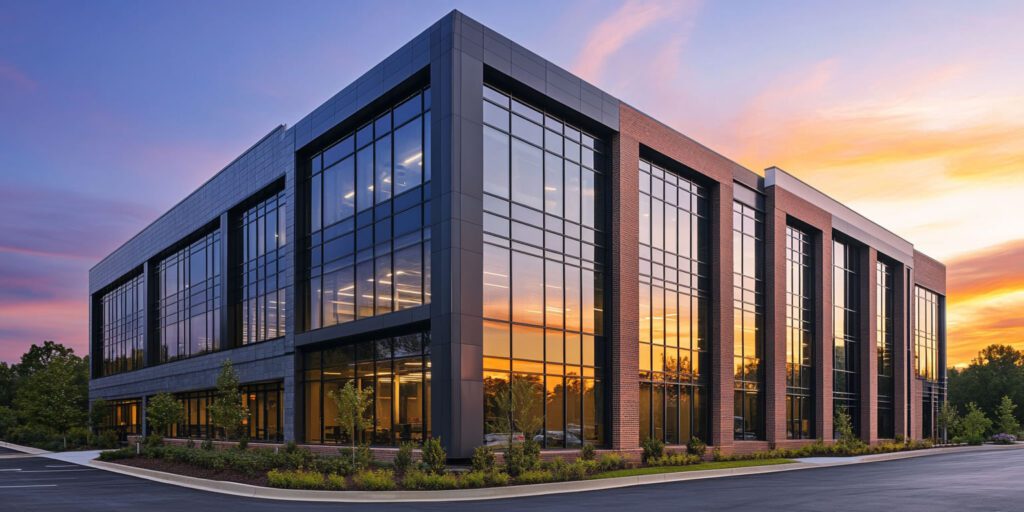
Modern offices are built around glass. Floor-to-ceiling glass walls, glass partitions, and open-plan layouts dominate commercial architecture in 2026, and that trend is accelerating. Glass enhances natural light flow in office environments, which is why architects and tenants love it. But all that transparency creates a real problem: privacy. Glass partitions provide visual connection while ensuring privacy only when paired with the right film solutions, and that gap is where the office glass privacy franchise opportunity lives.
For entrepreneurs looking at a home-based, low-overhead business model, an office glass privacy franchise offers access to a fast-growing market serving conference rooms, financial offices, healthcare facilities, and law firms. Clients get measurable benefits like office privacy, energy efficiency, UV protection, and reduced glare on computer screens. Franchise owners get recurring B2B work, scalable routes, and gross margins that outperform most service businesses. Privacy film allows natural light while ensuring confidentiality, solving a problem that few other solutions handle as cleanly.
In this guide, you will learn the market opportunity driving demand, the products and services you will sell, realistic startup costs, how installations work, revenue potential, and why a franchise model de-risks your entry into commercial window films.
Why Office Glass Privacy Franchises Are Booming in 2026
The shift to glass-heavy office design did not slow down after 2020. If anything, hybrid work accelerated it. Companies redesigning their offices chose open plans with glass walls to maximize daylight and collaboration, then quickly realized that visible computer screens, confidential meetings, and sensitive client information were exposed to every passerby. Data privacy regulations like HIPAA in healthcare and compliance requirements in financial offices turned that design choice into an urgent retrofit need.
The commercial building segment is expected to grow at 8.1% CAGR through 2033, with the global commercial window film market valued at over US$3 billion in 2025. In 2025, decorative films made up 75% of applications across the industry, while smart switchable films are the fastest-growing segment at 5%. Frosted glass film is increasingly specified over traditional options like sandblasted glass or permanent glass treatments because it is faster, cheaper, and reversible.
The timing is attractive for several reasons:
- Rising energy costs push commercial customers toward solar-control films that deliver lower energy bills
- Tenant improvement budgets in leased offices favor retrofit-friendly solutions over costly glass replacement
- Demand for energy savings and sustainability certifications (LEED, ENERGY STAR) is driving adoption
- Urban business hubs with high concentrations of office space create dense, serviceable territories
Understanding Office Glass Privacy Solutions (What You’ll Actually Sell)
An office glass privacy franchise is not a single-product business. You sell a portfolio of window films and surface solutions designed for glass windows, glass panels, and adjacent surfaces across commercial settings, which is why a home-based franchise focused on glass and surface solutions can scale efficiently without a retail storefront.
The core product is frosted glass film. Frosted film blurs visibility while allowing natural light to pass through, mimicking the look of etched or sandblasted glass at a fraction of the cost. Frosted window films offer customizable privacy options while allowing light, and since privacy film is a low-cost alternative to etched glass, the value proposition for office managers and property owners is immediate. Frosted privacy film is a cost-effective alternative to etched glass and works equally well on conference room glass, sidelites, and full-height partitions.
Commercial window film extends beyond privacy into solar control, glare reduction, and UV blocking. Privacy films can reduce solar heat gain by up to 80%, which directly lowers cooling costs. Privacy film can block up to 99% of harmful UV rays, protecting interior furnishings and preventing fading. Studies have documented whole-building energy savings of 8–10% when solar-control films are applied to commercial buildings with high glass-to-wall ratios.
One-way privacy film reflects outside views during the day, offering direct visibility control for street-facing offices without compromising natural light transmission. Cloaking technology films obscure digital screens from outside view, protecting sensitive data on computer screens in glass-walled workstations. Smart switchable films change from clear to frosted with a switch, and smart glass can change from transparent to opaque for on-demand privacy in executive offices and boardrooms.
Decorative films round out the lineup, adding visual interest through patterns, gradients, and branding elements while controlling sightlines. Unlike blinds or curtains, these films maintain the clean, modern look that interior designers and tenants expect.
Core Office Applications: Where a Privacy Franchise Makes Money
Office glass privacy work is highly repeatable. Once you complete one floor, the property manager or tenant often requests the same treatment for additional floors, new suites, or adjacent buildings. The applications are consistent across commercial projects.
Conference rooms are the highest-volume opportunity. Full-height glass walls in meeting rooms expose confidential meetings, client meetings, and whiteboards to the entire office. Frosted film bands at eye level, full-height frosting, or decorative privacy films solve the problem while preserving daylight. Glass partitions can boost mood and collaboration among employees when privacy concerns are handled properly, because people feel comfortable working near glass when they know sensitive conversations are shielded.
Private offices, HR suites, executive offices, and financial offices handle sensitive paperwork and on-screen data daily. These spaces require protecting privacy for regulatory compliance and client trust. Acoustic laminated glass provides sound privacy in offices, but visual privacy requires film. Decorative privacy films can feature custom patterns or logos, allowing companies to reinforce brand identity while meeting compliance needs.
Shared areas in commercial spaces like reception fronts, glass corridors, and coworking pods benefit from partial privacy combined with branded aesthetics. Modular glass wall systems can be reconfigured to adapt to changing needs, and films applied to these systems flex with the layout. Stairwells, glass railings, and sidelites near doors also present opportunities where safety markings can be combined with privacy zones.
Types of Films an Office Glass Privacy Franchise Should Offer
A focused but versatile lineup helps franchisees upsell and match different privacy and design requirements across meeting spaces, private offices, and building perimeters.
Frosted film is the everyday workhorse. Available in clear, white, and grey tones, frosted window film handles partitions, sidelites, and conference room glass with universal appeal. Basic privacy films cost approximately $2–$5 per square foot at wholesale, while installed pricing typically runs $8–$14 per square foot. Privacy film installation costs significantly less than etched glass, and privacy film can save hundreds to thousands per fixture compared to specialty glass.
Commercial window film for exterior-facing glass includes solar-control, low-E, and glare-reduction films that improve energy efficiency in perimeter offices. Privacy film can reduce glare on computer screens, which is a selling point that resonates with every office manager who has fielded complaints about screen visibility. Installed costs run $6–$12 per square foot for standard solar-control applications.
Decorative films feature stripes, gradients, custom films, and branded graphics for clients who want both privacy and a designed, on-brand aesthetic. These specialty films range from $15–$30 per square foot installed, depending on design complexity and proofing requirements. Frosted or decorative films together cover the majority of commercial projects.
Premium options include smart switchable films (PDLC technology films) for boardrooms and executive conference rooms, plus cloaking films for protecting sensitive data on visible screens. These are higher-margin items that differentiate your franchise from simple tint-only competitors. Few other solutions offer the flexibility and tech appeal of switchable smart glass in modern offices.
Franchise Model vs. Starting an Independent Office Film Business
Launching a commercial window film company from scratch means building supplier relationships, learning installation techniques through trial and error, developing your own marketing, and establishing credibility with commercial customers who expect professionalism from day one. An office glass privacy franchise compresses that timeline significantly, especially when you plug into top service franchise systems in the window film industry.
Key franchise advantages include:
- Proven installation methods for frosted glass film, decorative films, and smart solutions
- Vendor relationships that deliver volume pricing and exclusive products
- Marketing assets and lead-generation systems targeting office managers and property owners
- Training that covers measuring glass surfaces, planning sightlines around conference rooms, and quoting energy savings projects accurately
- Protected territories that prevent internal competition
Glass allows for scalable, uniform design across franchise locations, meaning the systems you learn apply everywhere. A consistent glass specification aids brand recognition across franchise locations, which matters when you are bidding on multi-site commercial projects. Flexible layouts can be achieved with glass partitions in franchises, giving you a repeatable playbook.
The trade-offs are real: you pay a franchise fee and ongoing royalties, and you follow brand standards for installation quality and pricing. But the alternative is higher risk, slower trust-building, and a longer path to profitability as an independent operator.
Startup Costs, Equipment, and Day-to-Day Operations
A typical office glass privacy franchise requires a total investment of $62,000 to $107,000, including franchise fee, tools, initial inventory of frosted film, commercial window film, decorative films, and working capital. The model is home-based, which keeps fixed overhead low compared to retail or storefront businesses, and aligns closely with the detailed CoolVu franchise investment structure.
Equipment needs include:
- Cutting tables, precision knives, and squeegees
- A plotter for custom graphics and decorative patterns
- Ladders and access equipment for high glass panels
- A van or small truck for transporting large film rolls
- A tablet or laptop for digital layouts, CRM, and quoting
A normal workday might look like this: morning site visit to a financial office to measure conference room glass and discuss privacy film options, midday installation at a law firm with a two-person crew, and afternoon follow-up via email with a property manager reviewing a proposal for a full-floor rollout. You are serving a protected territory of offices and commercial buildings from your home base, keeping mileage and overhead manageable.
How Office Glass Privacy Projects Are Sold and Installed
The lifecycle of an office glass privacy project follows a clear path: discovery call, site audit, film selection, proposal, installation, and follow-up—a workflow that fits neatly into the turnkey CoolVu window film franchise model.
During the consultation, you walk the office space, test sightlines into conference rooms and workstations, and discuss privacy levels. You identify whether frosted or decorative films, one way films, or security window film best fits the client’s needs. You assess glare issues on computer screens and evaluate glass windows for compatibility. Privacy film allows natural light while maintaining confidentiality, which is usually the client’s primary concern, so you demonstrate how different film types balance transparency and blocking light.
Professional installation prevents issues like peeling or bubbling that plague DIY attempts. The process involves surface prep with a mild soap solution, precise film cutting, wet application, squeegee work to remove air pockets, edge trimming, and quality inspection. Installation can be completed in just hours, minimizing disruption to busy tenants. For larger commercial projects, crews schedule work outside peak office hours or over weekends.
Realistic timelines: a single conference room takes a few hours. A full floor of office glass with complex partitions and decorative elements typically requires one to two days. Cleaning after installation requires a soft cloth and mild soap solution-simple instructions that you leave with the client. Professional installation paired with proper aftercare means the film creates a lasting, clean result.
Revenue Streams: Beyond Simple Frosted Glass Film
A successful franchise does not rely on one-off frosted glass jobs alone. Layered revenue streams build a durable business.
Core project revenue comes from privacy upgrades to conference rooms, HR offices, meeting rooms, and open workstations. Upselling to decorative films and branded graphics increases the average ticket size per project and taps into a proven franchise business model in a booming film industry.
Add-on services include exterior commercial window film for energy savings, UV protection to protect furnishings from harmful UV rays, security films for shatter resistance, anti-glare solutions for computer screens in perimeter offices, and security window film for ground-floor glass panels. Each service addresses a different pain point for the same client, increasing wallet share without additional prospecting, which is reflected in CoolVu’s expansion to 100 franchise territories nationwide.
Recurring opportunities are built into the model. Privacy film typically lasts 7 to 15 years with proper care, but tenant turnover, rebranding, and office redesigns create regular refresh cycles. New tenant build-outs, periodic redesigns, and expansions as companies occupy more floors generate repeat work. Privacy film can last between 7 to 15 years with proper care, so even maintenance-only relationships sustain long-term revenue.
Gross margins in this business are strong. Material costs are low relative to installed pricing, with labor and travel as the primary expenses. Well-run franchises with a mix of commercial and decorative work can reach annual revenues of $500,000 to over $1 million depending on territory size and competitive pricing strategy.

Key Success Factors and Common Mistakes to Avoid
Commercial customers judge on installation quality, timelines, and professionalism as much as on competitive pricing. Winning repeat work and referrals depends on getting these right the first time, and many owners highlight these strengths in their CoolVu franchise reviews.
Success factors:
- Precise measurement of glass surfaces before ordering or cutting
- Realistic expectations about what frosted glass film can and cannot hide, especially at night versus daytime when sacrificing natural light is not acceptable
- Clear communication about film type options, visible light transmission, and solar heat gain performance
- Clean, disruption-free installations that respect the tenant’s work schedule
Common mistakes:
- Underbidding complex office glass projects without accounting for access difficulty, unusual shapes, or high-up glass panels that require lifts
- Misunderstanding energy efficiency claims and overpromising results to commercial customers
- Failing to test sightlines and lighting conditions before approving coverage height or artwork
- Skipping follow-up after installations; the cost of rework on a mis-specified project can run $8,000–$25,000 in labor alone on larger jobs
Proactive follow-up after every project catches small issues early and converts satisfied office managers into long-term referral sources. Most privacy films last between 7 to 15 years with proper care, so a good relationship today pays dividends for years.
Frequently Asked Questions About Office Glass Privacy Franchises
These are the questions we hear most from prospective franchise owners and office clients evaluating privacy solutions. Each answer reflects real-world experience across commercial projects.
How much can an office glass privacy franchise owner realistically earn?
Revenue depends on territory size, sales ability, and project mix. Small conference room jobs generate steady volume, while full-floor commercial spaces produce larger tickets. Gross margins on privacy film and decorative films typically range from 50% to 70% or higher because material costs are relatively low compared to the installed price. Top-performing franchisees in similar models have reported net sales exceeding $1 million annually.
Do I need prior construction or window tinting experience?
No. Most franchisees start without film experience and receive structured training covering installation techniques, measuring glass panels, quoting for commercial settings, and selling to office clients. Attention to detail, comfort working on ladders and at client sites, and strong customer service skills matter more than a trade background.
What kinds of offices benefit most from frosted glass film and privacy solutions?
Law firms handling confidential case files, medical practices protecting patient information, financial offices with visible trading screens, tech companies with glass-walled conference rooms, and coworking spaces needing flexible privacy without rebuilding walls. Any office space with direct visibility into meeting spaces or workstations holding sensitive client information is a candidate.
Can privacy film really improve energy efficiency in an office?
Yes. Commercial window film reduces solar heat gain and glare on computer screens, stabilizing indoor temperatures and lowering cooling demand. Buildings with high window-to-wall ratios have documented 8–10% reductions in total energy costs after film installation. Films also protect furnishings from fading by blocking harmful UV rays, contributing to lower energy bills and longer furniture lifecycles.
How disruptive is installation for a busy office?
Minimal. Most work is done from the glass side with no noise or dust. A small crew can typically complete common conference rooms and partitions in a single day. For larger projects, installation is scheduled outside peak hours. Unlike blinds or heavy curtain systems, privacy film application is fast, clean, and non-intrusive, allowing natural light to keep flowing without blocking light.
Is privacy film removable if the tenant or design changes?
Most films can be removed without damaging the glass underneath, making privacy film removable and ideal for rented commercial spaces. Frosted film and decorative films are designed to peel cleanly from standard office glass when layouts evolve or tenants change. This removability is a major selling point over permanent glass treatments like etched or sandblasted glass, and it is one reason property managers prefer film over structural modifications.
Why Choose Our Office Glass Privacy Franchise Model
CoolVu combines home-based operations with a full portfolio of glass and surface solutions for both residential and commercial clients. You are not limited to a single film type or market segment.
Franchisees receive structured training on frosted glass film, commercial window film, decorative films, and smart solutions. Marketing support targets office managers, property owners, and interior designers with sample kits designed for conference rooms and commercial settings. Sales collateral includes energy savings data, before-and-after project photos, and estimating tools that simplify quoting for commercial projects.
Protected territories ensure you are not competing against another CoolVu franchisee. In-house financing, a flat royalty structure, and exclusive products keep the model straightforward. CoolVu actively recruits veterans, first responders, women, and minority entrepreneurs, offering discounted fees and a supportive onboarding process that mirrors its broader veteran-focused franchise support program. This is a business that improves real workplaces by helping people transform ordinary glass into functional, beautiful, energy-efficient surfaces.
Next Steps: How to Evaluate and Launch an Office Glass Privacy Franchise
The decision path is straightforward: research the model, review available territories, plan your finances, and complete training.
Start by outlining your goals. Are you ramping up full-time or building part-time alongside another income? Will you focus on commercial spaces exclusively or serve a mix of residential and commercial clients? Once you have clarity, request a franchise information packet to review territory maps, investment details, and training timelines.
Prepare approximately $50,000 in liquid capital for fees, tools, your vehicle setup, and initial film inventory. Assemble your questions about ongoing support, lead generation, and how established franchisees have scaled their operations, including how these compare with CoolVu’s top franchise opportunity profile.
Take the next step today. Schedule a discovery call, request a territory review, or register for an upcoming franchise webinar where you can see real office glass privacy projects, hear from current owners, and review the numbers behind this growing business, much like the step-by-step CoolVu franchise ownership process outlines. The market is moving, and the best territories will not stay open indefinitely.