Table of Contents
U.S. residential electricity rates climbed steadily from 2021 through 2025, and homeowners are looking for ways to cut cooling costs without tearing out existing windows. Energy saving window films offer a proven answer: a retrofit that can reduce cooling expenses by 10 to 30 percent, preserve natural light, and pay for itself within three to five years.
This article is written for aspiring entrepreneurs who want to build a home-based service business around residential window films and related surface solutions. You will learn how the core technology works, which services generate revenue, what margins look like, how installations run from first call to final walkthrough, and how to attract both residential and light commercial window clients in 2026.
Understanding Residential Energy-Saving Window Films
Residential energy efficiency window film is a thin, multi-layered laminate material applied directly to glass. It modifies how glass interacts with solar radiation by rejecting unwanted heat and ultraviolet rays while allowing visible light to pass through. The result: cooler rooms, lower energy consumption, and protection for interiors.
Films reduce energy costs through three mechanisms. First, they block infrared energy, the primary driver of solar heat gain through glass. Second, they lower the solar heat gain coefficient (SHGC), which measures how much solar radiation enters a space. Third, low-e films improve insulation by reflecting indoor heat back into the room, reducing heat loss in winter.
A residential-focused business will sell across several film families:
| Film Type | Typical Heat Rejection | Visible Light Transmission | Best Use |
|---|---|---|---|
| Spectrally selective / ceramic | 45–60% | 60–70% | South- and west-facing rooms needing heat control with preserved natural light |
| Reflective / dual-reflective | 70–80%+ | 10–40% | Sunrooms, hot climates, spaces where privacy matters more than brightness |
| Low-E / all-season | Varies by coating | Similar to original glass | Mixed climates with both heating costs and cooling costs |
| Standard solar control (tinted) | 30–50% | 40–65% | Budget projects, shaded orientations, rentals |
| Solar control films block up to 79% of solar heat. Ceramic films reject infrared light without metal content, so they avoid the mirror-like exterior appearance that triggers HOA complaints. Reflective films mirror solar energy away, reducing glare. Spectrally selective films maximize heat rejection while transmitting light; they sit at the premium end and command higher install prices. |
Residential films prioritize clarity and low reflectivity. Commercial window film applications often tolerate darker, more reflective products because street-view uniformity or glare control is the priority. Understanding this split helps you spec the right product for each client.
NFRC-certified films offer standardized energy performance ratings for comparison, giving homeowners and installers a shared language for evaluating window film performance.
Why Homeowners Are Investing in Energy Savings Now
Between 2021 and 2025, average residential electric rates rose in states like Texas, Florida, and Arizona, where air conditioning systems already account for a large share of utility bills. More frequent extreme heat days pushed homeowners toward non-invasive upgrades that reduce heat gain without major construction.
Key demand drivers in 2026:
- High cooling costs and growing adoption of heat pumps and mini-splits, where reducing cooling load directly lowers energy bills.
- Desire to keep natural light and views without closing blinds; homeowners working from home want usable rooms, not dark caves.
- Interest in environmental sustainability; a retrofit film reduces peak electric demand and associated carbon emissions.
- Energy-saving window films are a cost-effective alternative to replacing windows, often costing one-fifth to one-tenth of full window replacement.
Demand peaks from March through September, but low-e and all-season energy efficient window films create off-season projects in fall and winter, especially in mixed climates like Minneapolis or Chicago where retaining warmth matters as much as blocking summer solar heat.
Note that 30% of a commercial building’s energy loss occurs through windows, which opens a parallel revenue channel for operators willing to serve office buildings and retail spaces alongside homes.
Core Services in a Residential Energy Efficiency Window Film Business
A modern glass and surface enhancement business rarely sells only one product, and understanding how to start a window tinting business effectively helps you design complementary offerings from day one. Bundling energy saving window films with related services increases revenue per home and keeps you busy year-round.
- Residential solar and low-e films: the core offering. Reduces cooling and heating costs on sun-exposed glass.
- Privacy and decorative window films: bathrooms, sidelights, home offices. These projects fill shoulder seasons and often originate during an energy film consultation when homeowners mention other needs.
- Safety and security window film: holds shattered glass together during impact, adding burglary and storm protection. Builds credibility and increases lifetime customer value.
- Light commercial window film services: retail stores, small offices, medical clinics. Larger jobs with faster payback stabilize revenue.
- Architectural surface finishes: vinyl wraps for cabinets, doors, and counters. An optional upsell line that diversifies income.
Energy projects often uncover glare complaints, privacy requests, or fading damage. Each complaint is an upsell opportunity. Building the business around a mixed residential and commercial client base smooths out seasonality.
Energy Savings, Comfort, and Other Benefits You’ll Sell
Your job as a business owner is to translate film specs into language homeowners care about: lower bills, cooler rooms, protected furniture.
Energy and cooling costs. Energy-efficient window films can deliver up to 30% annual energy savings on treated zones. Installing window film can cut HVAC run time by 20 to 30%, which extends equipment lifespan. Window tinting can block up to 80% of solar heat on high-exposure glass. For a home spending $220/month on summer electricity, a 25% reduction on the AC load saves roughly $55/month, or over $3,300 across five cooling seasons.
Comfort and natural light. Films eliminate hot spots near large south- or west-facing windows. High-quality films maintain brightness while reducing heat and glare; modern films can reduce glare by up to 95%, making home offices usable without closing blinds. Preserving natural light is a consistent homeowner priority.
UV protection and interiors. Window film blocks up to 99% of harmful uv rays. UV protection prolongs the life of interior finishes. Window films prevent furniture and flooring from fading, saving thousands in replacement costs over a decade. A sunroom with hardwood floors and upholstered furniture is a textbook before-and-after case study.
Privacy, safety, and aesthetics. Window films enhance privacy while allowing natural light, replacing heavy drapes. Some window films enhance privacy and safety by holding shattered glass together, adding impact resistance. Security films and decorative options let you serve homeowners who want function and style.
Choosing the Right Film for Different Homes and Climates
Matching the right window film to the home, glass type, and local climate determines whether you deliver the promised energy savings or create problems. Energy efficiency claims regarding window film depend on multiple factors including existing glass type, climate, and orientation.
Not all films are suitable for every type of window; compatibility is crucial. Applying highly absorptive films to certain double-pane units can cause thermal stress breakage. Always check manufacturer glazing compatibility charts before specifying film.
| Climate | Primary Goal | Recommended Film Category | Notes on Natural Light |
|---|---|---|---|
| Hot-humid (FL, TX, GA) | Maximum heat rejection | Ceramic or dual-reflective solar window film | Ceramic preserves VLT at 60–70% |
| Hot-dry (AZ, NV) | Reduce heat gain, control direct sun glare | Reflective or spectrally selective | Reflective films lower VLT more |
| Mixed / 4-season (Midwest, Mid-Atlantic) | Balance cooling and heating costs | Low-e or all-season energy efficient window film | VLT stays close to original glass |
| Cold (Upper Midwest, New England) | Retain indoor heat, reduce winter heat loss | Low-e films | Minimal VLT change |
| Window orientation matters: south and west exposures receive the most direct sun and benefit most from high-rejection films. North-facing glass rarely justifies premium film. Also confirm building or HOA rules on exterior reflectivity before quoting; some states have regulations involving energy performance that can affect window film installation. |
Window film may not improve a window’s insulating value the way low-e coatings on new glass do; it is mainly for solar heat gain control. Setting that expectation early prevents customer disappointment.
How the Residential Window Film Sales & Install Process Works
Your credibility as a business comes from a clear, professional process from first call to final inspection.
Consultation. Schedule an on-site assessment (45–90 minutes). Evaluate window orientation, current glare or excessive heat complaints, HVAC systems behavior, and homeowner goals. Use an infrared thermometer to measure indoor temperatures near problem windows.
Proposal. Present two to three film options side by side with performance data: heat rejection, visible light transmission, UV blocking, and aesthetic impact. Speak in conservative terms. Frame energy saving benefits as ranges, not guarantees.
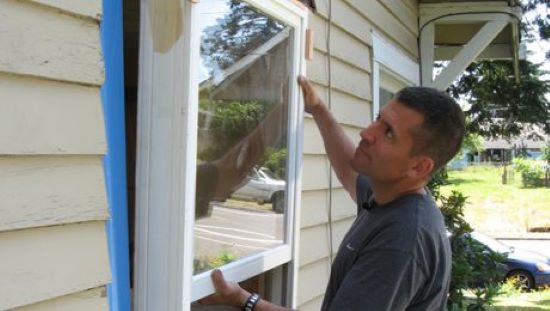
Installation. Professional window film installation prevents air bubbles and peeling. The sequence: protect floors and frames, clean glass thoroughly, measure and cut film, apply with slip solution, squeegee out moisture, trim edges, final wipe. Installation typically takes one to two days for residential projects (15–25 windows). Films may appear hazy for a few days to weeks during curing.
Follow-up. Walk through the finished job with the homeowner. Cover care instructions: use a soft cloth and mild cleaner for window film care. Window films require minimal maintenance after installation. Schedule a 30 to 60 day check-in to confirm comfort improvements and request reviews.
Startup Costs, Pricing, and Profit Margins
A residential energy efficiency window film business can launch as a low-overhead, home-based operation, and many owners choose a mobile window franchise model to keep fixed costs low while serving clients on-site.
Startup costs (2026 estimates):
- Mobile setup (tools, initial film inventory, vehicle branding, insurance, licensing): $9,500–$14,000
- Single-bay shop with expanded inventory: $22,000–$38,000
- Premium two-bay operation with multiple staff: $55,000–$85,000
Pricing to homeowners: Installed residential window film runs $5–$12 per square foot depending on film type. A 20-window project using ceramic film might total $3,000–$6,000. Bundling energy saving window films with privacy or decorative upgrades raises the average ticket.
Margins. Material cost for premium ceramic or spectrally selective film runs $3–$7 per square foot. At a $8–$12 installed price, gross margins for a solo operator often reach 50–60%. A solo operator completing 8–12 projects per month at $3,000–$6,000 average can generate $36,000–$72,000 in monthly revenue before overhead.
Most homeowners recover installation costs within three to five years through lower energy bills. The business itself can recoup startup investment in under 12 months with consistent lead flow, and many operators confirm that a window tinting business can be highly profitable when priced and marketed correctly. Market research can help identify competitive gaps in window film demand in your area.

Marketing Your Home-Based Window Film Business
Homeowners must first understand that window films are a credible, proven energy solution, which is why operators who buy an established window tinting business often benefit from existing reputation and reviews. Education-focused marketing closes that gap.
Priorities for a new operator:
- Build a clear website with service pages for residential energy saving window films, security films, and commercial window services. Optimize for local SEO terms like “save energy” and “reduce heat gain” plus your city name.
- Collect Google Business Profile reviews with photos after every job. Customer satisfaction drives referral volume, especially for operators aligned with top home service franchise systems that emphasize online reputation.
- Publish blog posts answering real questions: “Can films be applied to my existing windows?” or “How much can I reduce glare in a home office?”
- Local partnerships can enhance lead generation and sales for window film businesses. Build referral relationships with HVAC contractors, real estate agents, and interior designers who encounter comfort and energy complaints daily.
- Use consultative in-home selling: bring film samples, hold them against the actual glass, and let homeowners see the difference in visible light and heat rejection themselves.
FAQs About Starting a Residential Energy Efficiency Window Film Business
How much training do I need before installing window film professionally?
Basic application skills can be learned in a few days of intensive hands-on training, but professional results on bay windows, high glass, or specialty films require weeks of practice. Plan to install on sample glass and low-risk personal projects before taking paid jobs. Training should cover not just technique but also film selection, measurement, job costing, and aftercare.
Can energy saving window films be applied to all existing windows?
Most residential glass, including single-pane, double-pane, and tempered patio doors, can accept professionally selected films. Installers must check manufacturer film-to-glass compatibility charts for insulated, wired, or specialty glass to avoid thermal stress. Always inspect frames, seals, and existing damage before quoting.
What realistic energy savings can homeowners expect from window films?
Window films can reduce cooling expenses by 10 to 30 percent on treated spaces. Energy-efficient window films can lower heating and cooling bills by up to 30 percent in homes with high sun exposure. Total household bill impact varies by climate, insulation quality, HVAC efficiency, and how much glass area is treated.
Will window films make a home too dark or reduce natural light?
Modern spectrally selective and nano-ceramic films reject a high percentage of solar heat while transmitting 60–70% of visible light. Keep physical samples and a light meter on hand so homeowners can see brightness levels before and after. Many clients report spaces feel brighter after installation because they stop closing blinds to manage heat.
How long do residential energy efficiency window films last?
Most window films last 10 to 20 years with proper care. Many manufacturers offer lifetime residential warranties against peeling, bubbling, and discoloration. Longevity depends on sun exposure, climate, and cleaning practices.
Is this business seasonal, or can I earn year-round?
Demand peaks in late spring and summer when cooling costs and complaints about excessive heat are highest. Low-e all-season films, security window film projects, and decorative installations keep revenue flowing in fall and winter. Use slower months for training, marketing, and nurturing relationships with commercial properties and referral partners.
What licenses or insurance do I need to operate legally?
Requirements vary by state, but most operators need a business license, general liability insurance, and sometimes a contractor or specialty license. Check local regulations for rules on glazing work and reflectivity limits. Consult an insurance agent familiar with trades to cover jobsite accidents, product liability, and vehicle use.
Why Choose This Business Model Over Other Home Services
Compared to roofing, HVAC installation, or full remodeling, a residential energy efficiency window film business offers distinct advantages, especially when you plug into a proven franchise business model in this booming industry:
- Low startup capital ($9,500–$14,000 for a mobile operation) and home-based overhead, similar to the structure of the best home-based window film franchises
- Clean, low-noise job sites; no demolition, no dust
- Fast project cycles: most jobs completed in a single day with quick payment
- Strong consumer interest in improving energy efficiency and environmental sustainability
- Ability to serve both residential and commercial window clients with the same core skills, especially if you launch under a specialized window film franchise brand
- Scalable: add crews, expand into adjacent territories, or layer on security films and decorative surfaces
The model fits veterans, first responders, and career changers seeking hands-on work that delivers clear value. Many of these groups gravitate toward a home-based window tinting franchise opportunity that combines training, support, and flexible scheduling. Employee performance stays high when the work is tangible and results are visible the same day.
Next Steps: Moving From Research to Your First Client
Understanding the technology is step one. Building a business requires action.
- Research local demand and competition; identify gaps in residential energy efficiency offerings in your area.
- Contact at least two film manufacturers or distributors to understand product lines, training programs, and support.
- Build a simple brand identity and starter website focused on energy saving window films and comfort solutions for homes and retail spaces.
- Invest in hands-on training and practice installations before going live.
- Set clear revenue goals for the first 12 months: number of estimates per week, networking events, and online campaigns to hit them.
Interview local homeowners about their biggest issues with heat, glare, and cooling costs. Talk with small business owners who rely on large glass storefronts. Every conversation is a data point and a potential first client.
Pick one action item from this list and complete it this week. The gap between research and your first paid installation is smaller than you think; close it by moving from reading to doing.