Table of Contents
Experienced entrepreneurs are constantly evaluating their next strategic move, seeking highly profitable investment opportunities that offer strong returns. The question of “how much does it cost to buy a small business” is often the first hurdle, and it is a valid one. However, the true measure of any investment is not just its initial price tag, but the value it delivers, the support it provides, and its long-term profitability.
This article aims to provide a confident, data-informed, and reassuring breakdown of these costs, particularly within the context of a franchise. It will position CoolVu as a transparent, best-in-class investment opportunity designed for superior financial returns. While the cost to buy a small business varies, a CoolVu franchise offers a transparent, best-in-class investment opportunity with robust support and a proven system designed for superior financial returns, making it a strategic choice for savvy investors.
Navigating the Investment Landscape: Understanding Small Business Acquisition Costs
Embarking on the journey of small business acquisition requires a clear understanding of the financial landscape. It is more than just a purchase price; it is an investment in a future cash flow, a brand, and a proven system.
The Driving Forces Behind Small Business Valuation
Before diving into specific costs, it is crucial to understand what fundamentally drives the value of any small business. These factors directly influence the small business acquisition costs you might encounter.
Market Demand and Industry Trends
The health and trajectory of the industry in which a business operates are paramount. A business in a stable or expanding sector, such as the energy-efficient window film industry, will naturally command a higher valuation. This is due to its inherent growth potential and lower risk profile. Identifying industries with sustained demand and upward trends is key to securing strong returns.
Business Model and Operational Efficiency
A well-defined business model with streamlined, efficient operations can significantly boost a business’s value. This includes factors such as a strong customer base, diversified revenue streams, effective cost management, and a clear competitive advantage. Businesses that demonstrate predictable cash flow and strong profit margins are inherently more attractive as investments.
Geographic Location, Target Market, and Competitive Landscape
The physical location of a business, the demographics of its target market, and the intensity of local competition all play a role.
A business situated in a high-traffic area with a receptive target market and limited direct competition will naturally be more valuable than one in a saturated or declining market.
Understanding these dynamics is crucial for forecasting future profitability and growth.

Distinguishing Between Different Types of Small Business Acquisitions
The path to small business ownership is not monolithic. Each acquisition type presents a different risk-reward profile and, consequently, a different cost structure.
Buying an Existing Independent Business
This involves acquiring an already operational business. The costs here can include the purchase price for assets, such as equipment, inventory, customer lists, or goodwill, or the purchase of stock, representing shares of the company. Legal fees, due diligence expenses, and potential assumed liabilities are also part of this path. While it offers immediate cash flow, it also comes with the risks of inheriting existing problems or outdated systems.
Starting a New Independent Venture from Scratch
This path offers maximum autonomy but also maximum risk. Startup costs include everything from developing a business plan, market research, branding, product or service development, equipment, real estate, permits, and building a customer base from zero. These startup costs are often unpredictable and heavily dependent on the industry and vision.
Investing in a Franchise System
Franchising provides a hybrid model. You own your business, but you operate under an established brand and a proven system. While there is an initial franchise fee and ongoing costs, these are often offset by reduced risk, accelerated growth, and robust support. For many, the transparency and structured pathway of a franchise system make understanding how much it costs to buy a small business much clearer and more predictable.
Setting the Stage for a Data-Informed Investment Decision
Regardless of the chosen path, making an investment decision without thorough financial analysis is akin to navigating blind.
The Importance of Financial Transparency and Due Diligence
Every prospective buyer must engage in meticulous due diligence. This involves scrutinizing financial statements, operational records, legal documents, and market data.
For a franchise, this process is significantly streamlined and regulated through the Franchise Disclosure Document (FDD), which provides a standardized, transparent view of the investment. This comprehensive document offers crucial insights into the small business acquisition costs.

Addressing Initial Concerns About Small Business Acquisition Costs
Many entrepreneurs are concerned not just with the absolute figure of small business acquisition costs, but with whether that cost translates to tangible value, scalability, and robust returns. Our analysis will demonstrate how a well-structured franchise investment, despite its various components, offers a predictable path to achieving these objectives. It minimizes risk while maximizing the potential for success.
Franchise vs. Independent Business: A Strategic Cost Comparison
For an experienced entrepreneur, the decision between acquiring a franchise and building an independent business is a strategic one. It is heavily influenced by risk mitigation, scalability, and support structures, all of which have direct cost implications.
The Appeal of Franchising for Experienced Entrepreneurs
Franchising offers a compelling alternative to independent ventures, especially for those seeking to leverage an existing framework for greater success.
Mitigating Risk Through a Proven Business Model and Established Brand Recognition
One of the most significant advantages of franchising is the inherent risk reduction. You are not starting from scratch. Instead, you are investing in a concept that has already been tested, refined, and proven in the market. This includes an established brand name that already resonates with customers, reducing the substantial marketing and brand-building costs an independent startup would incur. This directly addresses the entrepreneurial concern of ensuring a stable, predictable path to profitability.
Access to Proprietary Systems, Operational Processes, and Supply Chains
Franchisees gain immediate access to a complete operational playbook, covering everything from daily procedures and customer service protocols to sales strategies and technology platforms. This also extends to established relationships with suppliers, often at negotiated bulk rates. This can significantly reduce inventory and supply costs compared to an independent business negotiating on its own.
Inherent Scalability Advantages and Structured Growth Paths
For an entrepreneur focused on proven scalability, a franchise system is inherently designed for growth. The franchisor provides a blueprint for expansion, whether that involves opening additional units or expanding service offerings. This structured growth path, combined with ongoing support, makes scaling a business far more efficient and less risky than attempting to grow an independent venture organically.
Initial Investment: Franchises vs. Independent Startups
When we talk about how much it costs to buy a small business, the initial outlay is often the most scrutinized. Here, the differences between franchise and independent models become particularly clear.
Franchise Fees: The Cost of Entry into an Established Brand and System
The franchise fee is a one-time payment made to the franchisor for the right to use their brand name, trademarks, proprietary systems, and initial training. This fee is unique to franchising and typically covers the substantial investment the franchisor has made in developing the brand and system. It is the gateway to immediate brand recognition and a ready-made business model, offering a transparent initial franchise investment.
Startup Costs: Similarities and Key Differences
Both franchises and independent startups will face common startup costs for physical assets like equipment, real estate, and initial inventory. However, a franchise’s startup costs include distinct advantages. These include comprehensive initial training programs, grand opening marketing support, access to approved vendor lists, and the immediate use of established brand assets and marketing collateral. These elements often lead to a faster and more efficient launch compared to an independent venture, where these aspects must be developed from scratch.
Understanding the Holistic Initial Franchise Investment
While an independent business might seem to have a lower upfront cost if you do not account for the time and resources spent on trial-and-error, branding, and system development, the initial franchise investment provides a complete package. It bundles many of the hidden costs and uncertainties of an independent startup into a more predictable and value-driven sum, minimizing potential overruns and maximizing efficiency.
Ongoing Costs: Support vs. Autonomy
Beyond the initial investment, ongoing costs represent another significant divergence between franchise and independent models.
Royalty Fees and Marketing Contributions in Franchising
Franchisees typically pay ongoing royalty fees, usually a percentage of gross revenue, and marketing or advertising contributions. These fees are not just an expense. They are an investment in the continued health and growth of the entire brand. Royalty fees fund the franchisor’s ongoing research and development, operational support, training updates, and system improvements. Marketing contributions pool resources for national or regional advertising campaigns, benefiting all franchisees by building brand awareness and driving customer traffic.
Independent Businesses: Self-Funding Marketing, Research and Development, and Support
An independent business owner retains full autonomy but also full financial responsibility for all ongoing development. This means self-funding all marketing efforts, conducting their own research and development, seeking and paying for their own ongoing training, and independently sourcing any professional support services. These expenses can be substantial and, critically, are often undertaken without the benefit of a proven blueprint or the collective buying power of a larger system.
Evaluating the Long-Term ROI and Operational Advantages
For an experienced investor, the strategic question is clear: which model offers a better long-term return on investment and more robust operational advantages? The structured support, brand power, and proven systems of a franchise often lead to faster market penetration, higher revenue potential, and greater operational efficiency. While the initial franchise cost breakdown may include specific fees, these costs are offset by the reduced operational friction, accelerated growth, and continuous support that contribute directly to superior financial returns and increased business valuation over time.
The Core Components of Your Initial Franchise Investment
To truly understand how much it costs to buy a small business within a franchise context, we must meticulously break down the initial investment. This is not just a list of expenses. It is an aggregation of the necessary elements that enable you to launch a successful, fully supported enterprise.
Franchise Fee: The Gateway to the System
The franchise fee is perhaps the most distinctive component of the initial franchise investment. It represents a critical upfront cost in the franchise cost breakdown.
What the Franchise Fee Covers
This fee grants you the legal right to operate a business under the franchisor’s brand, trade name, and trademarks.
More importantly, it covers comprehensive initial training at the franchisor’s headquarters or designated training center, detailed operational manuals that serve as your business bible, guidance on site selection, if applicable, and crucial initial launch support to get your business off the ground.
It is the cost of entry into a proven system, vastly accelerating your path to market.

Factors Influencing the Franchise Fee Amount
Franchise fees vary widely, typically ranging from $10,000 to $100,000 or more, depending on the industry, brand recognition, and complexity of the system. A higher fee often reflects a more established brand, a more comprehensive support system, or a more valuable proprietary product or service. For a savvy investor, evaluating this core franchise investment means assessing the tangible and intangible value received, including accelerated market entry, reduced risk, brand equity, and a proven pathway to profitability.
Ensuring This Core Franchise Investment Aligns with the Overall Value Proposition
For entrepreneurs, the franchise fee is not just a number; it must align with the overall value proposition. Does the franchisor provide robust support, proven scalability, and a system designed to outperform other investments? If so, the franchise fee is an essential investment in a streamlined and high-potential business model, ensuring your startup costs are well spent.
Real Estate, Leasehold Improvements, and Location Setup
Depending on the business model, real estate costs can be a significant portion of the initial outlay. These are important considerations for small business acquisition costs.
Identifying and Securing Suitable Locations
Some franchises require a physical storefront, while others, like CoolVu, can operate from a smaller office or even a mobile base. The process involves identifying a location that aligns with the franchisor’s demographic and operational requirements, negotiating a lease, and understanding the long-term implications of your chosen site.
Costs Associated with Lease Deposits and Tenant Improvements
These costs include security deposits, the first and last month’s rent, and any necessary leasehold improvements to customize the space to the brand’s specifications. Tenant improvements can range from cosmetic changes to significant structural alterations, all of which contribute to the startup costs.
Branding and Aesthetic Requirements for the Physical Location
Franchises have strict branding guidelines to maintain consistency. This means costs for signage, interior design elements, fixtures, and fittings that adhere to the franchisor’s aesthetic standards, ensuring your location reflects the established brand image.
Equipment, Inventory, and Technology Package
Every business requires tools to operate effectively. This component is integral to understanding your small business acquisition costs.
Essential Tools, Specialized Equipment, and Vehicles
This category covers everything from hand tools, specialized machinery specific to the industry, such as film cutting equipment for CoolVu, office furniture, and often, branded vehicles necessary for service delivery or mobile operations.
For a window film business, a professionally branded vehicle is a crucial mobile billboard.

Initial Inventory Stock
You will need an initial supply of products or raw materials to serve your first customers. This inventory ensures you can hit the ground running and avoid delays in fulfilling orders, which is critical for customer satisfaction and early revenue generation.
Point-of-Sale Systems, Proprietary Software, and IT Infrastructure
Modern businesses rely heavily on technology. This includes costs for point-of-sale systems for transaction processing, proprietary software provided by the franchisor, such as customer relationship management, scheduling, or inventory management, and the necessary IT infrastructure, including computers, printers, and internet setup, to manage operations efficiently.
Working Capital: Fueling Your First Few Months
Often underestimated, working capital is the lifeblood of a new business. It directly impacts the effective startup costs.
The Critical Role of Working Capital
Working capital is the cash reserve needed to cover your day-to-day operating expenses during the initial ramp-up phase, before your revenue streams become consistent and sufficient to cover costs. This includes salaries for employees, utility bills, ongoing supply purchases, local marketing efforts, and other administrative overhead. It bridges the gap between launch and sustainable profitability.
Recommended Capital Reserves for Unexpected Challenges
A robust working capital fund also acts as a buffer for unexpected challenges or slower-than-anticipated sales. It provides financial resilience and allows you to focus on building the business without immediate cash flow pressures.
The Importance of Sufficient Startup Costs Allocation
Underestimating working capital is a common pitfall for new business owners. Ensuring sufficient allocation within your overall startup costs is vital for financial resilience and preventing premature failure. This foresight is critical to a strategic and successful launch.
Other Initial Startup Costs
Beyond the major categories, several other costs round out the initial investment.
Grand Opening Marketing and Promotional Expenses
To generate buzz and attract your first customers, a dedicated grand opening marketing budget is essential. This can include local advertising, launch events, social media campaigns, and promotional materials.
Business Licenses, Permits, and Legal Entity Formation Fees
These are the regulatory costs associated with legally establishing and operating your business. This includes local, state, and federal licenses, permits, and fees for forming your legal entity, such as an LLC or Corporation.
Initial Insurance Premiums
Before opening your doors, you will need various insurance policies to protect your business, assets, and employees. This typically includes general liability, property insurance, and workers’ compensation.
Beyond the Initial Outlay: Understanding Ongoing Franchise Costs
The financial commitment to a franchise does not end with the initial investment. Understanding the ongoing costs is crucial for long-term financial planning and accurately assessing your business’s profitability and business valuation. These recurring expenses are typically structured to support continuous brand growth and franchisee success.
Royalty Fees: The Cost of Ongoing Support and Brand Usage
Royalty fees are the cornerstone of the franchise relationship, funding the franchisor’s continued support and development. These are a key part of your operating expenses.
How Royalty Fees Are Typically Structured
Most commonly, royalty fees are a percentage of your gross revenue, incentivizing the franchisor to help you grow your sales. Some systems may opt for a flat weekly or monthly fee. The specific structure will be clearly detailed in your franchise agreement and the Franchise Disclosure Document (FDD).
What Ongoing Royalty Fees Fund
These fees are not simply a payment for brand usage; they fuel the entire franchise ecosystem. They fund the franchisor’s ongoing research and development to improve products and services, system-wide technology upgrades, national brand-building initiatives, and continuous operational support, including training updates, troubleshooting, and strategic guidance.

The Value of Continuous Innovation, Brand Strength, and Network Benefits
For an experienced entrepreneur, the value proposition of royalty fees is clear. You are investing in a shared future. The collective resources ensure that the brand remains competitive, innovative, and strong, directly benefiting your local business through enhanced brand recognition, improved operational efficiency, and access to a constantly evolving support system. This is a key differentiator from independent businesses, where these efforts would be solely at your expense.
Marketing and Advertising Contributions
Beyond local efforts, contributing to a collective marketing fund amplifies brand reach. This is a vital component of your ongoing operating expenses.
Mandatory Contributions to National or Regional Marketing Funds
Many franchise systems require franchisees to contribute a percentage of their revenue to a national or regional advertising fund. This pool of capital funds large-scale marketing campaigns that individual franchisees could never afford, ensuring consistent brand messaging across all markets and significantly boosting brand awareness and lead generation for the entire network.
Local Marketing Expenses
While national marketing builds broad brand recognition, you will also have a budget for local marketing initiatives tailored to your specific territory. This might include local search engine optimization, community sponsorships, social media campaigns, and targeted advertising to capture your immediate market.
The Synergy of Collective Marketing Power
The power of collective marketing cannot be overstated. By combining resources, the brand can achieve significantly greater market reach and more effective customer acquisition than any single franchisee could on their own. This shared investment directly translates into a stronger pipeline of potential customers for your business.
Operating Expenses: The Day-to-Day Realities of Business Ownership
These are the recurring costs of running any business, whether franchised or independent. A thorough franchise cost breakdown includes these vital elements.
Payroll and Employee Benefits
This includes wages, salaries, payroll taxes, and any employee benefits, such as health insurance or retirement contributions. Managing these costs efficiently is central to profitability.
Utilities, Rent, and Maintenance Costs
These are the regular costs of keeping your physical operation running, including electricity, water, internet, monthly rent payments, if applicable, and routine maintenance for equipment, premises, or company vehicles.
Ongoing Inventory Replenishment and Supply Purchases
As you make sales, you will need to continuously replenish your inventory of products, parts, or raw materials, as well as general office and operational supplies.

General Business Insurance and Professional Services
This covers your ongoing insurance premiums, fees for professional services like accounting, bookkeeping, and legal advice, and various administrative costs like office supplies, software subscriptions, and communications.
Renewal Fees and Other Periodic Costs
It is important to look beyond the immediate to fully understand long-term costs and their impact on your business valuation.
Understanding the Terms and Conditions for Renewal
Franchise agreements typically have a fixed term, for example, 5 or 10 years. At the end of this term, there is usually an option to renew, which often involves a renewal fee. The terms and conditions for renewal, including any associated costs, will be detailed in your franchise agreement.
Potential for Mandated Upgrades
To maintain competitiveness and brand consistency, franchisors may occasionally mandate technology upgrades, equipment replacements, or system enhancements. While these might represent an additional cost, they are typically designed to keep your business at the forefront of the industry and improve efficiency.
Forecasting Operating Expenses for Long-Term Planning
For an experienced entrepreneur, comprehensive financial planning involves forecasting all these operating expenses to accurately assess the long-term profitability and business valuation of the franchise. Transparency in these ongoing costs is a hallmark of a robust and trustworthy franchise system.
The CoolVu Franchise Investment: A Transparent Breakdown
Now, let us bring our discussion on how much it costs to buy a small business into sharp focus with a transparent look at the CoolVu franchise investment, emphasizing why it is a best-in-class opportunity for those seeking highly profitable returns.
CoolVu’s Position in the High-Demand Window Film Market
The window film business is not just a niche; it is a rapidly expanding sector offering substantial potential. This aligns perfectly with the desire for highly profitable investment opportunities.
Why the Window Film Business Offers Significant Potential
The window film market is experiencing robust growth, driven by increasing consumer awareness and demand. This translates into highly profitable investment opportunities with strong revenue potential. The demand for energy-efficient, comfort-enhancing, and security-boosting solutions for both residential and commercial properties ensures a broad and growing customer base. The recurring nature of some services, combined with the versatility of window film applications, provides a fertile ground for scalability and sustained profitability.
Market Growth Drivers
Market growth is driven by demand for energy efficiency, comfort, security, and aesthetics across residential and commercial sectors. Homeowners and businesses alike are continually seeking ways to improve their properties. From reducing energy bills with solar film to enhancing safety with security film, improving privacy with decorative film, or embracing cutting-edge smart film, the applications are diverse. This broad appeal across multiple sectors ensures consistent market demand, positioning a CoolVu franchise for long-term success.
CoolVu’s Diverse Service Offerings
CoolVu stands out with its comprehensive suite of services. This diversity, encompassing solar control, security and safety, decorative applications, and even smart film solutions, allows franchisees to tap into multiple revenue streams and cater to a wider range of customer needs, increasing market penetration and resilience.
CoolVu’s Initial Franchise Investment Details
CoolVu is committed to transparency, ensuring prospective franchisees have a clear franchise cost breakdown from the outset. This is a key part of our supportive approach to business ownership.
A Specific Franchise Cost Breakdown for the CoolVu System
The exact investment will be detailed in the Franchise Disclosure Document (FDD), but it generally covers the essentials to launch a robust operation. This clarity allows entrepreneurs to make informed decisions about their initial franchise investment.
Details of the CoolVu Franchise Fee
The CoolVu franchise fee grants you the right to operate under the respected CoolVu brand, leveraging our established reputation and proven business model. It includes comprehensive initial training at our headquarters, access to our proprietary operational manuals, initial marketing launch materials, and ongoing support to get your business successfully established. It is the strategic investment in a faster, more supported path to market leadership.
Estimated Ranges for Essential Equipment and Initial Inventory
A CoolVu franchise typically requires specialized equipment for professional film installation, an initial stock of various film types to meet diverse customer demands, and most importantly, a professionally wrapped and branded vehicle. This vehicle serves as your mobile showroom and a powerful marketing tool, ensuring high visibility in your territory. We provide clear estimated ranges for these components, enabling accurate budgeting.
Required Working Capital Recommendations
We provide clear guidance on the recommended working capital necessary to cover your initial operating expenses for the first few months. This recommendation is tailored to the CoolVu business model, ensuring you have the financial buffer to navigate the ramp-up phase smoothly and build a stable customer base, facilitating a strong start and sustained growth.
CoolVu’s Ongoing Royalty and Marketing Contributions
Our ongoing fees are designed to foster collective success and continuous brand evolution. This provides robust support for our franchisees.
How CoolVu Structures Its Ongoing Fees
CoolVu’s royalty fees are structured to be fair and transparent, typically a percentage of gross revenue. These fees are a commitment to the growth of the entire network, ensuring the brand remains strong and competitive. For an experienced entrepreneur, this means continuous investment in a system designed for robust support and proven scalability.
What These Fees Specifically Contribute To
These ongoing contributions are reinvested into areas critical for franchisee success. This includes proprietary product development, ensuring CoolVu maintains a competitive edge with exclusive, cutting-edge window film solutions.
It also funds advanced training, offering continuous learning opportunities through masterminds and rotating courses, keeping franchisees at the forefront of the industry.
Additionally, fees support national brand building through strategic marketing initiatives that increase CoolVu’s national recognition and drive leads to your local business.
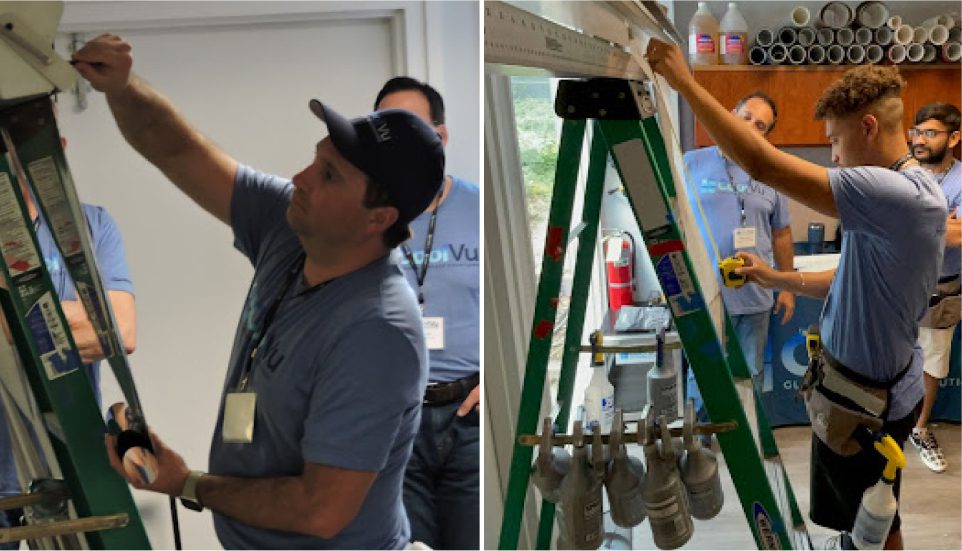
Finally, they enable investment in technology platforms, providing state-of-the-art software and systems that streamline operations, enhance customer management, and improve efficiency.
Transparency and Disclosure: The Franchise Disclosure Document (FDD)
CoolVu upholds the highest standards of transparency in financial disclosure. This is essential for understanding your franchise investment.
Explaining the Importance of Reviewing the FDD
The Franchise Disclosure Document (FDD) is the cornerstone of franchise transparency. We strongly encourage all prospective franchisees to thoroughly review this legal document, paying particular attention to Item 7: Estimated Initial Investment. This section provides a detailed breakdown of all anticipated startup costs, from franchise fees and equipment to working capital, giving you the comprehensive financial insights needed to make an informed decision about small business acquisition costs.
CoolVu’s Commitment to Financial Transparency
CoolVu is committed to providing clear and complete financial transparency. Our team is available to walk you through the FDD, answer any questions about the franchise cost breakdown, and help you understand how a CoolVu franchise represents a strategic and value-driven franchise investment.
Maximizing Your Return: Why CoolVu’s Value Outweighs the Cost
For experienced entrepreneurs, the ultimate measure of an investment is its ability to generate robust returns and outperform existing opportunities. CoolVu is strategically positioned to deliver on this promise, where the inherent value and support system significantly outweigh the initial and ongoing costs. This contributes to a strong business valuation.
Leveraging Proven Systems and Superior Support for Robust Returns
CoolVu is not just selling a business; it is selling a proven pathway to success, underpinned by unparalleled experience and support.
CoolVu’s Robust Support Infrastructure
Our robust support infrastructure is designed to accelerate your ramp-up and sustain your profitability. This includes comprehensive initial training that covers all aspects of the business, from technical installation to sales and marketing. You will also receive ongoing operational guidance, dedicated marketing assistance to generate leads in your territory, and proven sales strategies developed over decades in the industry. This comprehensive support minimizes guesswork and maximizes efficiency, directly contributing to faster revenue generation and higher profit margins.
How Robust Support Contributes to Success
The immediate access to established systems and continuous support means franchisees can typically achieve profitability much faster than independent startups. Operational efficiency is built into the CoolVu model, reducing waste and optimizing processes. This leads to sustained profitability, fulfilling the desire for highly profitable investment opportunities.
Three Decades of Founder Experience
Our founders bring three decades of unparalleled window industry and franchise development experience. This is not just a claim; it is a foundational pillar of CoolVu’s authority and a testament to our proven system. This deep expertise informs every aspect of our franchise model, from product selection to operational strategies, providing franchisees with an invaluable advantage that is truly best-in-class.
Scalability and Market Demand in the Window Film Industry
CoolVu is built for growth in a dynamic market. This aligns with the concept of business ownership that offers significant potential.
CoolVu’s Proven Business Model for Growth
Our business model is meticulously designed for proven scalability. With diverse service offerings, including solar, security, decorative, and smart film, across residential and commercial sectors, franchisees have multiple avenues for growth. As an experienced entrepreneur, you can strategically expand your territory or service offerings, leveraging a system built to support your ambition.
Capitalizing on Continuous Market Demand
The demand for window film solutions is constant and growing, driven by evolving consumer preferences for energy efficiency, enhanced security, privacy, and aesthetics.
CoolVu franchisees are equipped to capitalize on this continuous market demand, ensuring a steady stream of business opportunities from a broad spectrum of clients.
Demonstrating How a CoolVu Franchise Can Outperform Current Investments

By combining a high-demand service, a robust support system, and strategic market positioning, a CoolVu franchise is engineered to outperform current investments. The comprehensive training, marketing leverage, and proprietary products provide a distinct competitive advantage that translates into superior financial returns.
Proprietary Technology and Product Innovation as a Competitive Edge
Innovation is at the heart of CoolVu’s offering, enhancing the value of your franchise investment.
CoolVu’s Advantage Through Exclusive Offerings
CoolVu maintains a competitive edge through exclusive product lines, cutting-edge technology, and continuous research and development. Our commitment to innovation ensures franchisees always have access to the latest advancements in window and surface film, setting them apart in the market.
The Value of Offering Advanced Solutions
In a rapidly changing world, the ability to offer advanced solutions is paramount. CoolVu empowers franchisees to meet and anticipate evolving customer needs, from smart film integration to enhanced security features, ensuring relevance and demand for your services. This directly impacts the long-term business valuation.
Strong Brand Recognition and Marketing Power
Associating with a recognized brand is a powerful asset for any business ownership venture.
Tangible Benefits of a Recognized National Brand
CoolVu is building a strong national brand, and associating with it provides tangible benefits. Customers are more likely to trust and choose a recognized name, reducing your local marketing efforts and increasing customer attraction and retention.
Strategic National Marketing Initiatives and Local Marketing Support
We execute strategic national marketing initiatives that elevate brand awareness across the country. This is complemented by robust local marketing support, providing you with tools, strategies, and guidance to effectively promote your business within your specific territory.
Comparing ROI: CoolVu’s Advantage
For the astute investor, return on investment (ROI) is the bottom line. Our franchise investment framework supports strong ROI.
Discussion of Typical Return on Investment Frameworks
When evaluating ROI, investors consider factors like initial investment, time to profitability, and ongoing revenue streams. CoolVu’s comprehensive support, proven model, and strong market position significantly contribute to robust financial returns. Our system is designed to accelerate your path to profitability and sustain long-term growth.
Highlighting Tangible and Intangible Benefits
Beyond financial metrics, CoolVu offers intangible benefits that enhance your business valuation. These include the strength of the brand, the robustness of the system, the intellectual property, and the ongoing support network. These factors collectively contribute to a higher market value for your business should you choose to sell it in the future, solidifying its position as a strategic franchise investment for long-term wealth creation.
Financing Your Franchise Dream: Options and Opportunities
Understanding how much it costs to buy a small business is only one part of the equation; securing the necessary capital is the next. Fortunately, for a strong franchise investment like CoolVu, there are numerous financing options available to prospective franchisees.
Traditional Lending: SBA Loans and Bank Financing
These are often the go-to options for business acquisition.
Overview of Small Business Administration (SBA) Loan Programs
The Small Business Administration (SBA) offers various loan programs, such as the popular SBA 7(a) loan, which can be an excellent option for financing a franchise investment. These government-backed loans provide favorable terms, lower down payments, and longer repayment periods, making them accessible to a wider range of entrepreneurs. SBA Express loans offer a streamlined process for smaller loan amounts.
Requirements and Application Process for Conventional Bank Loans
Conventional bank loans are also a viable option. Lenders typically look for a strong credit history, a solid business plan, sufficient collateral, and demonstrated financial stability. The application process involves detailed financial disclosures, a comprehensive business plan, and often personal guarantees.
Tips for Preparing a Robust Loan Application
To successfully secure any loan, you will need to present a compelling case. This involves a robust business plan clearly outlining your strategy, market analysis, management team, and operational plan. You also need detailed financial projections, presenting realistic forecasts of revenue, expenses, and cash flow for the next three to five years.

Additionally, comprehensive personal financial statements demonstrating your personal financial health and ability to invest are crucial.
Alternative Financing Solutions
Beyond traditional banks, several other avenues can help fund your franchise. These provide flexible financing options.
Franchisor Financing or Access to CoolVu’s Preferred Lender Networks
Some franchisors offer direct financing for certain components of the initial franchise investment. More commonly, they have established relationships with preferred lenders who are already familiar with the franchise model and its financial viability, streamlining the application process. CoolVu proudly connects qualified candidates with experienced lenders who understand the unique aspects of franchise funding.
Rollovers for Business Start-ups (ROBS)
For those with existing retirement accounts, such as a 401(k) or IRA, a Rollover for Business Start-ups (ROBS) can allow you to use these funds without incurring early withdrawal penalties or taxes. This provides a tax-advantaged way to finance your small business acquisition costs using your own capital.
Home Equity Lines of Credit (HELOCs)
Leveraging personal assets, such as the equity in your home through a Home Equity Line of Credit (HELOC), can provide a source of capital with potentially lower interest rates. Other asset-backed loans may also be available depending on your personal financial situation.
Potential for Private Investors or Crowdfunding
While less common for individual franchise units, private investors or crowdfunding platforms can be explored in specific situations. This is particularly true for larger multi-unit developments or unique business models, offering flexibility for funding.
Personal Capital and Investment Strategies
The role of your own capital is often fundamental for business ownership.
The Role of Personal Savings and Existing Investment Portfolios
Many entrepreneurs combine various financing methods, with personal savings and existing investment portfolios forming a crucial part of the capital stack. Family contributions can also play a role, reducing the need for external financing to cover small business acquisition costs.
Understanding Personal Financial Readiness and Liquidity
Assessing your personal financial readiness involves evaluating your liquid assets, understanding your risk tolerance, and ensuring you have sufficient personal reserves to support yourself during the initial business ramp-up phase.
CoolVu’s Guidance and Resources for Financing
CoolVu is committed to supporting your entrepreneurial journey every step of the way.
How CoolVu Assists Prospective Franchisees
We understand that navigating the complex landscape of financing options can be daunting. CoolVu provides guidance and resources to help prospective franchisees understand their choices and build a strong financing strategy.
Connecting Candidates with Experienced Lenders
CoolVu leverages its network to connect qualified candidates with experienced lenders and financial advisors who specialize in franchise funding. These professionals understand our business model and can provide tailored advice, helping you secure the best possible financing for your CoolVu franchise investment.
Taking the Next Step: Unlocking Your CoolVu Investment Potential
We have explored the intricate question of how much it costs to buy a small business, dissecting the various financial components, from initial franchise fees and startup costs to ongoing royalty fees and operational expenses. We have strategically compared independent ventures with the robust, supported path of franchising, highlighting the predictable and value-driven nature of a structured system.
While the cost to buy a small business varies, a CoolVu franchise offers a transparent, best-in-class investment opportunity with robust support and a proven system designed for superior financial returns, making it a strategic choice for savvy investors. Our founders’ three decades of unparalleled window industry and franchise development experience underpin a model built for proven scalability and the ability to outperform current investments, delivering the highly profitable investment opportunities you seek.
CoolVu’s commitment to transparency, robust support, and the potential for superior financial returns makes it an undeniable leader in the business ownership landscape. We believe in empowering our franchisees with the tools, training, and continuous support needed to thrive in the high-demand window film business.
Ready to dive deeper into the investment potential of a CoolVu franchise? Download our Franchise Information Report today to get detailed financial insights and understand your path to profitability. For a personalized consultation to explore how CoolVu aligns with your entrepreneurial goals, contact the CoolVu team. We are here to help you unlock your investment potential and achieve your goals for business ownership.
Frequently Asked Questions
What is the typical initial franchise investment for a CoolVu franchise?
The typical initial franchise investment for a CoolVu franchise covers a range of essential startup costs. This includes the initial franchise fee, which grants you the right to operate under the CoolVu brand, along with costs for specialized equipment, initial inventory, a branded vehicle, and necessary working capital. Detailed estimated ranges for these components are provided in the Franchise Disclosure Document (FDD), specifically in Item 7.
How do ongoing royalty fees and marketing contributions benefit a CoolVu franchisee?
CoolVu’s ongoing royalty fees and marketing contributions are reinvested to support the entire franchise network. Royalty fees fund continuous research and development, operational support, advanced training, and system upgrades. Marketing contributions pool resources for national brand-building initiatives and strategic campaigns that boost brand awareness and generate leads for all franchisees. These collective efforts provide continuous benefits that individual business owners would struggle to achieve alone.
What financing options are available for purchasing a CoolVu franchise?
There are various financing options available for purchasing a CoolVu franchise. These include traditional methods like Small Business Administration (SBA) loans and conventional bank loans, for which CoolVu can connect qualified candidates with preferred lenders. Alternative options such as Rollovers for Business Start-ups (ROBS), using home equity lines of credit (HELOCs), or leveraging personal savings and investment portfolios are also common. CoolVu provides guidance and resources to help prospective franchisees navigate these financing options.
More Posts:
- Characteristics of a Franchise – Proven model, brand name, support, training, and exclusive territory.
- Franchise Statistics – Franchises succeed more often and grow faster than independent businesses.
- Smart films – Creates adaptable environments with one-touch privacy or openness.
- Master Franchisee: Leads and supports franchise growth in large territories.
- Franchise Trends 2025 – Niche markets, smart tech, and eco-friendly services lead the way.