
Table of Contents
What to Know Before Investing in a Window Franchise
Window franchises opportunity represent one of the fastest-growing segments in the home improvement industry, with the broader market projected to reach $165 billion by 2033. The industry is expected to continue its upward trajectory, offering stability and growth for those entering the market. The home improvement industry has seen remarkable growth, with total expenditure reaching $537 billion in 2022. Franchising enables individuals to own and operate a business under an established brand name, accessing proven systems, operational training, and ongoing marketing support. For entrepreneurs seeking to launch their own business with a proven franchise system, window installation and replacement services offer a compelling combination of essential service demand, recurring revenue potential, and manageable investment requirements.
This guide covers franchise models, startup costs, financial expectations, and evaluation criteria for both experienced business owners and first-time franchisees. As a business owner, you retain your independence and entrepreneurial control while benefiting from the support and credibility of an established franchise brand. Whether you’re exploring home based operations or full-service commercial ventures, understanding the window franchise landscape is critical before making your investment decision.
Direct answer: Window franchises offer turnkey business ownership opportunities with typical investments between $125,000 and $367,000, proven business models delivering average revenues of $650,000 to $740,000 annually, and break-even timelines of 12-24 months through essential residential and commercial services.
After reading this guide, you will understand:
- The three primary window franchise models and which suits your investment goals
- Realistic startup costs, ongoing fees, and profit potential based on 2024-2025 performance data
- Market drivers creating sustained demand for window services through 2033
- Critical evaluation criteria for comparing franchise opportunities
- Actionable next steps to begin your franchise ownership journey
Understanding Window Franchise Opportunities
Window franchises are business models where franchisees operate under an established brand, delivering window replacement, installation, repair services, and specialty upgrades to residential and commercial customers. Unlike starting an independent company from scratch, franchise ownership provides access to proven systems, vendor relationships, extensive training, and ongoing support that reduce startup risk while accelerating profitability. When you join an established window franchise network, you benefit from comprehensive support systems and the collective strength of a recognized brand. Window franchise opportunities provide risk reduction, speed, and scale compared to starting a business from scratch.
The relevance to today’s market is substantial: aging housing stock across the U.S. (with millions of homes built before 1980 still using inefficient single-pane windows), rising energy costs driving homeowners toward efficiency upgrades, and federal incentives under the Inflation Reduction Act creating billions in rebate opportunities all fuel sustained demand. Franchise owners in the window industry tap into consistent home improvement demand, support from national brands, and streamlined operational models.
Types of Window Franchise Models
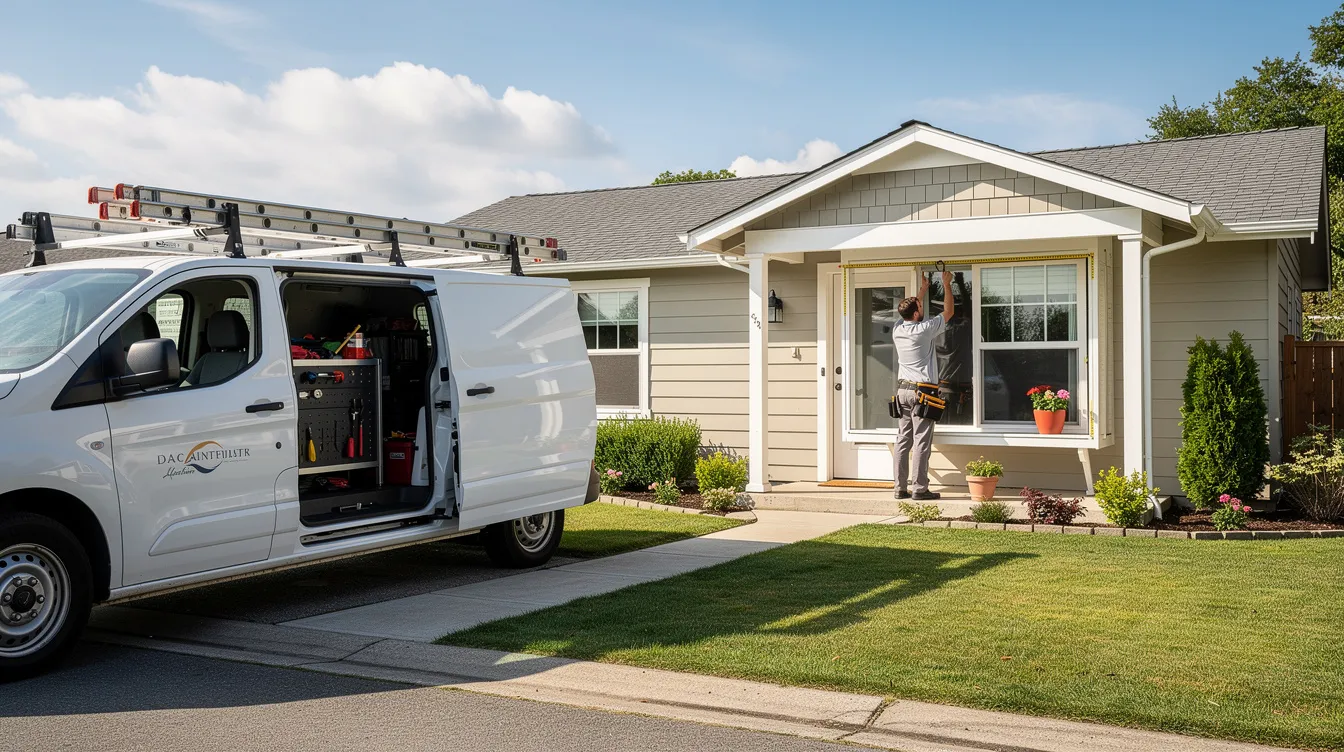
Home-based franchises with mobile operations represent the lowest barrier to entry in window franchise opportunities. These models operate without showrooms or office space, using service vehicles to reach customers directly. The Glass Guru, an industry leader, allows many franchise owners to launch with this approach, keeping fixed overhead minimal while focusing on restoration and smaller replacement jobs. Initial investments typically range from $126,000 to $200,000.
Semi-absentee models suit investors seeking passive ownership while maintaining other business or career commitments. These franchise opportunities allow owners to hire management teams and installation staff, delegating day-to-day operations while retaining strategic oversight. Territory protection enables scaling without constant hands-on involvement. Most franchisors offering this model require higher liquid capital ($150,000+) and net worth thresholds.
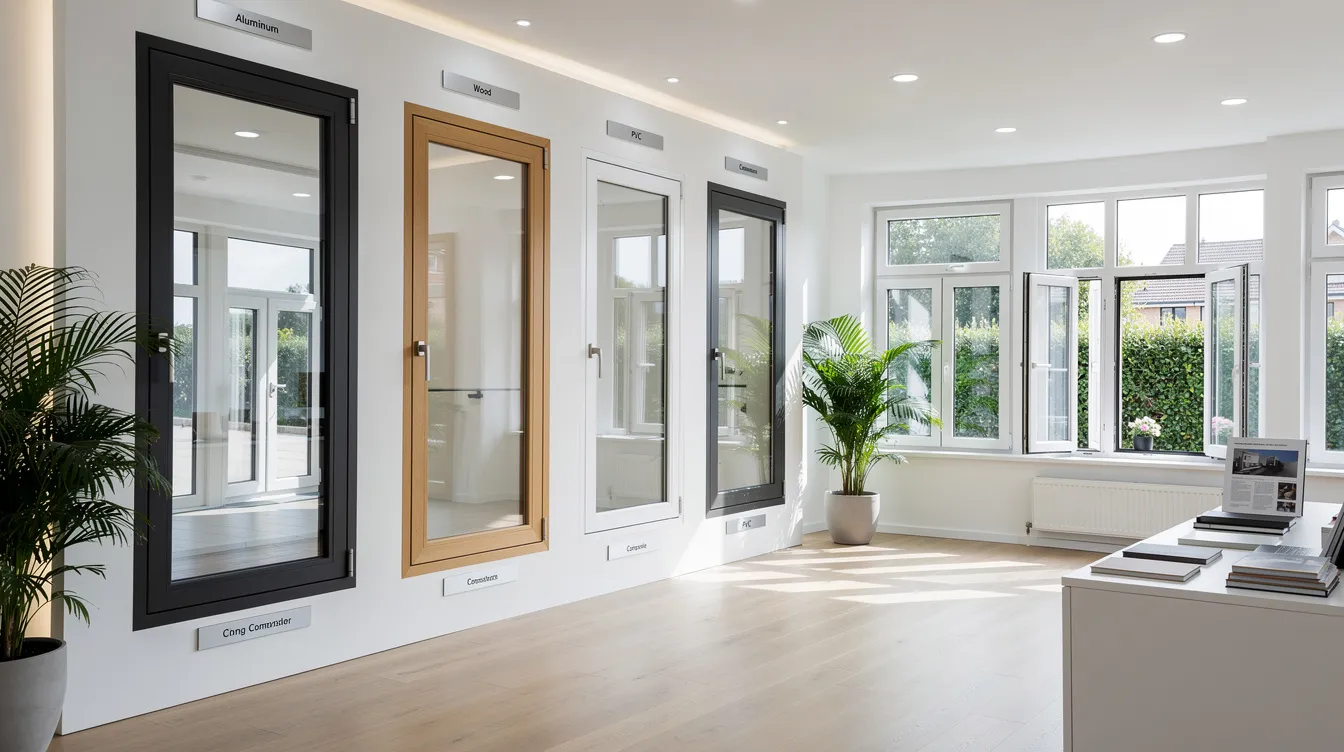
Full-service franchises with showrooms represent the highest investment tier but also the greatest revenue ceiling. These operations handle comprehensive residential work, commercial properties including office buildings, and contractor partnerships. Window World exemplifies this model, having installed over 23 million windows nationwide. Investment requirements often reach $250,000 to $400,000, but annual revenues can exceed $1.5 million for established territories.
Each model serves different lifestyle preferences and growth goals. Mobile operations favor hands-on business owners seeking lower risk; semi-absentee suits investors with existing commitments; full-service appeals to those targeting maximum market share.
Core Services and Revenue Streams
Window franchises generate revenue through multiple service offerings:
Window replacement and installation comprises the primary revenue stream, typically 55% or more of total sales. Projects range from single-window residential jobs ($600-$1,500 per window) to whole-home replacements and commercial contracts involving dozens of units.
Energy-efficient upgrades command premium pricing as homeowners seek lower utility bills and government rebates. Products featuring low-e coatings, gas fills, triple glazing, and thermally broken frames meet ENERGY STAR Most Efficient criteria (U-factor ≤ 0.20 in many zones) and qualify for federal tax credits.
Restoration and repair services offer higher margins with lower material costs. Services like foggy dual-pane seal repair extend window life at a fraction of replacement cost—a differentiator for franchises like The Glass Guru. Emergency repairs and maintenance contracts create recurring revenue stability.
Cleaning windows is a core professional service offered by many window franchises, serving both residential and commercial properties. This service emphasizes quality, operational efficiency, and is a proven, scalable franchise opportunity.
Specialty additions including smart glass, window tinting, shower enclosures, and door installation expand service catalogs and customer lifetime value.
Window cleaning franchises often operate on a mobile or home-based model, requiring minimal fixed overhead and delivering efficient project turnover with high average job value.
Diversified services create multiple income sources, mitigate seasonal fluctuations, and position franchise owners to capture broader market share within their protected territories.
Market Opportunities and Industry Growth
Building on the foundational franchise models, understanding market dynamics reveals why window services represent a compelling investment. The commercial windows market alone reached $3.27 billion in 2025 and projects to $5.09 billion by 2033 (5.7% CAGR). The window installation and repair market is expected to exceed $25 billion by 2028 in the U.S. alone, highlighting anticipated growth and revenue stability in the home improvement sector. Combined with residential demand, franchisees enter a market with robust fundamentals. Investing in a window franchise offers a stable opportunity in the $6.7 billion residential replacement market, which is considered recession-resistant due to ongoing maintenance needs.
Target Customer Demographics
Residential homeowners represent the largest customer segment, particularly those in homes 20+ years old seeking energy efficiency improvements, curb appeal enhancements, and property value increases. Middle-to-upper-income households prioritize quality installation, warranty coverage, and established brand recognition over lowest-price options.
Commercial property managers require code-compliant window solutions, tenant improvements, and energy performance upgrades to meet LEED certification requirements. This segment offers larger project sizes but longer sales cycles and more complex bidding processes.
New construction developers and contractors seek reliable window suppliers with consistent quality, competitive pricing, and professional installation capabilities. Establishing contractor relationships creates steady job flow beyond direct-to-consumer marketing.
Market Drivers and Trends
Rising energy costs make window efficiency a priority purchase rather than discretionary improvement. Heating and cooling account for nearly half of residential energy consumption, and high-performance windows deliver measurable savings customers can calculate against investment costs.
Aging housing stock creates structural demand. Millions of American homes still contain original windows from pre-1980 construction, many single-pane or failed dual-pane units. This replacement backlog ensures sustained demand regardless of new construction cycles.
Government incentives and rebates under the Inflation Reduction Act provide $9+ billion in home energy rebate programs, with exterior window credits contributing to household tax savings. Windows meeting NFRC-certified specifications (U-factor, SHGC, air leakage ratings) qualify homeowners for these benefits, creating sales advantages for franchises offering compliant products.
Sustainability focus among younger homeowners drives preference for restoration over replacement where feasible, creating demand for franchises like The Glass Guru that specialize in extending window life through seal repair rather than landfill-bound disposal.
Competitive Advantages of Franchising
Choosing a franchise over independent business startup provides measurable advantages:
Established brand recognition differentiates franchise owners from unknown competitors. National brands carry consumer trust, warranty credibility, and marketing visibility independent contractors cannot match.
Vendor relationships provide preferred pricing on glass units, frames, and hardware. Franchisors negotiate bulk purchasing agreements franchisees could never secure independently, improving margins on every job.
Proven operational systems eliminate trial-and-error business development. Estimating software, CRM platforms, installation procedures, and quality control checklists arrive tested and refined through hundreds of existing franchise locations.
Territory protection ensures marketing investments and reputation-building benefit the franchise owner rather than a nearby competitor within the same system.
Key takeaway: Window franchises operate in a growing market with identifiable customer segments, strong demand drivers, and structural advantages over independent competitors.
Investment Requirements and Financial Expectations
Understanding market opportunity naturally leads to financial commitment questions. Window franchise investment varies significantly by model, territory size, and brand positioning.
Startup Costs and Fee Structure
Total investment requirements include multiple components beyond the initial franchise fee:
Franchise fees range from $30,000 to $75,000 depending on brand, territory population, and exclusivity provisions. The Glass Guru charges $30,000-$50,000 based on territory size; Window World requires liquid capital of approximately $75,000.
Initial investment totals including equipment, vehicles, inventory, insurance, and working capital typically range from $125,000 to $367,000 for mobile/light-asset models, and $250,000 to $400,000+ for showroom-based full-service operations.
Working capital requirements for the first 6-12 months should cover payroll, marketing, vehicle expenses, and overhead before revenue stabilizes. Most franchisors recommend $50,000-$100,000 in reserves beyond startup costs.
Ongoing fees include royalties (typically 5% of gross revenue), advertising/brand fund contributions (approximately 3%), and technology fees (around 1%) for CRM, estimating, and operational software access. These fees fund continued marketing support, system improvements, and franchise network development.
Franchise Comparison Analysis
| Criterion | The Glass Guru | Window World |
|---|---|---|
| Franchise Fee | $30,000-$50,000 | ~$75,000 liquid capital required |
| Total Investment | $126,000-$367,000 | $75,000-$250,000 |
| Royalty Fee | 5% | Varies |
| Marketing Fund | ~3% | Varies |
| Average Revenue | $740,050 mean; $658,729 median | Not publicly disclosed |
| Unit Count | ~85-90 locations | 200+ locations |
| Key Differentiator | Foggy window restoration specialty | Full exterior remodeling services |
Both brands offer proven franchise system advantages but serve different investment profiles and service strategies. The Glass Guru emphasizes restoration services alongside replacement; Window World positions as comprehensive exterior remodeling including siding and doors.
ROI and Profit Potential
Financial performance data from franchise disclosure documents provides realistic expectations:
Gross margins on window installation projects typically range from 35-45%, varying by material costs, labor efficiency, and local competition. Restoration services often deliver higher margins (40-50%) due to lower material requirements.
Revenue potential for established territories varies significantly by model and market penetration. The Glass Guru reports average gross sales of $740,050 (mean) and $658,729 (median) per unit in 2024, with top performers exceeding $2.2 million annually.
Break-even timelines typically range from 12-24 months for full-scale operations. Mobile/light-asset models may achieve cash flow positive status in as little as 30-90 days under favorable conditions. Full-service showroom operations require longer runway due to higher fixed costs.
Net profit margins for mature window franchises generally fall between 15-20% after all expenses, royalties, and owner compensation.
Synthesis for investors: Lower-investment mobile models offer faster break-even and lower risk but cap revenue potential; higher-investment full-service models require patience but deliver greater long-term income opportunity.
Reviewing the Franchise Disclosure Document
Reviewing the Franchise Disclosure Document (FDD) is a critical step for anyone considering franchise ownership in the window cleaning or home services industry. The FDD is a comprehensive legal document that outlines every aspect of the franchise system, including the business model, initial and ongoing investment requirements, royalty and advertising fees, and the support franchise owners can expect. By carefully examining the FDD, prospective franchise owners gain a clear understanding of the proven franchise system, the costs involved, and the potential revenue streams. The document also details the franchisor’s obligations for ongoing support, training, and marketing, helping owners align their growth goals with the franchise’s established track record. Reviewing the FDD allows future owners to assess the benefits and risks of the opportunity, compare service offerings, and make an informed decision about joining a window cleaning franchise or other home services business. Ultimately, a thorough review of the FDD ensures that franchise owners are well-prepared to invest in a business that matches their expectations for support, revenue, and long-term success.
Role of a Franchise Consultant
A franchise consultant is an invaluable resource for prospective franchise owners navigating the complex world of franchise opportunities in the home improvement industry. These experts have deep knowledge of the franchise system, business models, and industry trends, enabling them to match individuals with the right window cleaning franchise or other home services business based on their skills, experience, and investment goals. Franchise consultants provide guidance on evaluating costs, benefits, and brand reputation, and can help owners access established brand recognition, proven systems, and marketing support. By working with a franchise consultant, new owners benefit from insider expertise, streamlined decision-making, and a clearer understanding of what it takes to succeed in franchise ownership. Consultants also assist with reviewing the franchise disclosure document, comparing service offerings, and preparing for the transition to business ownership. Their support helps franchise owners make confident, informed investments and increases the likelihood of long-term success in the competitive home improvement industry.
Training and Onboarding
Comprehensive training and onboarding are foundational to the success of any window cleaning franchise or home services business. Leading franchise systems provide extensive training that covers both the technical aspects of window cleaning and installation, as well as essential business management skills. This ensures that new franchise owners are equipped with the tools, expertise, and confidence needed to deliver high-quality services and manage daily operations effectively. Training programs typically include hands-on instruction, classroom learning, and access to proven systems for sales, marketing, and customer service. Ongoing support is also a key benefit, offering franchisees continuous guidance, updated best practices, and access to a supportive community of fellow owners. By investing in thorough training and onboarding, franchisors help new owners achieve their growth goals, build a loyal customer base, and establish a strong presence in their local community. This commitment to training and support is a hallmark of successful franchise systems and a major reason why so many franchise owners thrive in the window cleaning and home services industry.
Home Based Franchise Opportunities
Home-based franchise opportunities are an attractive option for entrepreneurs seeking to start a business with lower overhead and greater flexibility. Many window cleaning franchises and home services businesses can be operated directly from a home office, eliminating the need for costly office space or retail locations. This business model allows franchise owners to focus on building customer relationships, driving sales, and delivering exceptional service, all while maintaining a healthy work-life balance. With access to proven systems, comprehensive training, and ongoing support from the franchisor, home-based franchise owners can generate recurring revenue and grow their business efficiently. The ability to operate from home also fosters a strong sense of community involvement and personal fulfillment, as owners serve local homeowners and businesses. For those looking to achieve their entrepreneurial dreams without sacrificing lifestyle or incurring excessive costs, home-based window cleaning franchise opportunities offer a practical and rewarding path to business ownership.
Common Challenges and Solutions
Every business model presents obstacles. Understanding common challenges—and franchisor-supported solutions—prepares new franchise owners for realistic business management expectations.
Seasonal Revenue Fluctuations
Window installation slows during winter months in cold-climate regions, creating cash flow variability.
Solution: Develop commercial accounts and emergency repair services for year-round income stability. Build cash reserves during peak spring and summer seasons to cover slower winter months. Pursue indoor restoration work (foggy seal repair, hardware replacement) that doesn’t require favorable weather conditions.
Competition from Independent Contractors
Local business competitors and independent contractors often undercut franchise pricing, particularly on straightforward residential jobs.
Solution: Leverage established brand recognition, comprehensive warranty programs, and NFRC-certified products to differentiate from local competitors. Customers paying for essential service upgrades often prioritize quality assurance over lowest price. Focus on superior customer service, professional presentation, and the credibility that franchise ownership provides.
Managing Installation Teams and Quality Control
Finding skilled installers and maintaining consistent quality across jobs challenges many window franchise owners.
Solution: Implement franchisor extensive training programs and certification requirements for all installation staff. Use quality control checklists, job site photography documentation, and customer follow-up systems to maintain standards. Most franchisors provide ongoing support including regional training centers and continued education opportunities.
Supply Chain and Material Cost Volatility
Glass, sealants, and frame materials experience price fluctuations and occasional shortages affecting project margins.
Solution: Utilize franchisor vendor relationships providing bulk pricing and priority allocation. Build inventory buffers for commonly used items. Adjust pricing to reflect material cost changes while communicating value to customers.
These challenges underscore why proven business models with franchisor support succeed where independent startups often struggle. The tools, training, and community provided by established franchise systems directly address these operational realities.
Success Stories and Testimonials
Success stories and testimonials from existing franchise owners are a powerful testament to the potential of window cleaning franchises and other home services businesses. Hearing directly from franchisees who have achieved their growth goals, built recurring revenue streams, and established thriving local businesses provides invaluable insight for prospective owners. These real-world accounts highlight the effectiveness of the franchise system, the strength of the business model, and the tangible benefits of ongoing support and training. Testimonials often showcase how franchise owners have overcome challenges, leveraged proven systems, and delivered exceptional service to their communities. By sharing these stories, franchisors build trust and credibility, helping new investors understand what it takes to succeed and what kind of support they can expect. For anyone considering a window cleaning franchise, reviewing success stories and testimonials is an essential step in evaluating the true potential of the opportunity and making a confident investment in their future.
Conclusion and Next Steps
Window franchises offer viable business ownership opportunities supported by strong market fundamentals: a growing industry projected to reach $165 billion by 2033, aging housing stock requiring replacement, energy efficiency mandates driving upgrades, and government incentives supporting customer purchases. Franchisees gain access to proven systems, established brand recognition, and ongoing support that independent competitors cannot replicate. Additionally, franchise owners in the window industry benefit from consistent home improvement demand, support from national brands, and streamlined operational models that often do not require a retail storefront. To maximize long-term success, it is essential for franchisees to develop a well-defined growth and business development strategy as part of their overall approach.
Immediate actionable steps:
- Research franchise opportunities matching your investment capacity and lifestyle preferences (mobile vs. showroom models)
- Request and thoroughly review the franchise disclosure document (FDD) from top candidates, focusing on Item 7 (investment) and Item 19 (financial performance)
- Speak with current franchise owners about real-world experience, support quality, and revenue expectations
- Assess your local market for competition, housing demographics, and territory availability
- Secure financing through SBA loans, franchisor financing partners, or personal capital
- Engage a franchise consultant if navigating multiple opportunities
Related topics to explore include franchise financing options, territory selection strategies, business plan development for lender presentations, and family transition planning if building a legacy business.
If you’re exploring a Window Franchises Opportunity, CoolVu offers a proven business model in the growing window film and surface solutions industry. Visit their website to learn how this franchise combines strong support, brand recognition, and recurring revenue potential.
Frequently Asked Questions
What is the minimum investment required to start a window franchise?
Investment requirements vary by franchise brand and operating model. Light-asset mobile franchises typically require $125,000-$200,000 total investment with $75,000-$150,000 in liquid capital. Full-service showroom operations range from $250,000-$400,000+. The Glass Guru specifically requires approximately $150,000 in liquid capital and $350,000 net worth for most territories.
How long does it take to become profitable in the window franchise business?
Under favorable conditions with proper execution, mobile/restoration-focused franchises often achieve cash flow positive status within 12 months or less. Some brands report positive cash flow in 30-90 days for smaller territories. Full-scale showroom operations typically require 18-24 months to cover higher fixed costs and reach sustainable profitability. Success stories from experienced franchisees highlight that market penetration speed depends heavily on owner involvement and local marketing effectiveness.
Do I need prior experience in construction or home improvement to succeed?
Most window franchisors explicitly state that prior glass or construction industry experience is not required. Business management skills, sales ability, and leadership capability matter more than technical expertise. Franchise systems provide extensive training covering technical installation, estimating, measuring, safety standards, and customer sales processes. Many successful franchise owners come from completely unrelated backgrounds including corporate careers, finance, and retail.
What ongoing support do window franchisors typically provide?
Most franchisors offer comprehensive ongoing support including initial and continued training (both technical and business operations), marketing support with templates and lead generation systems, vendor/supply chain access with preferred pricing, CRM and estimating software, regional training centers, and operational consultation. The Glass Guru provides remote and in-person training plus regional support for franchisees. Marketing fund contributions support national advertising that benefits all locations.
Are window franchises suitable for semi-absentee ownership?
Semi-absentee ownership is possible with certain franchise models, particularly territory-based operations allowing delegation to management teams. Success requires strong franchisor systems, capable hired management, and sufficient capital for appropriate staffing. Initial owner involvement typically remains necessary to establish operations, hire and train teams, and build market presence before transitioning to oversight roles. Discuss semi-absentee expectations directly with franchisors during discovery process.
How do I evaluate different window franchise opportunities?
Effective evaluation requires comparing multiple factors beyond investment cost. Review the franchise disclosure document carefully—especially Item 19 financial performance representations and Item 7 initial investment breakdowns. Speak with multiple existing franchisees about actual experience versus franchisor claims. Assess territory size, exclusivity provisions, and local market competition. Verify product certifications (NFRC, ENERGY STAR) ensuring eligibility for government incentives. Consider franchisor stability, growth trajectory, and support reputation within the franchisee community. A franchise consultant can provide objective comparison guidance across multiple opportunities.