Table of Contents
A window tinting franchise provides entrepreneurs with a turnkey entry into the professional installation of window films across automotive, residential, and commercial markets. These franchise opportunities combine established brand recognition with comprehensive training programs and ongoing operational support, allowing franchise owners to tap into a rapidly expanding segment of the automotive aftermarket industry.
This guide covers both automotive styling centers and architectural window film services—the two primary revenue channels within the tinting franchise sector. Whether you’re exploring a single store operation or considering multi-store franchises for broader market penetration, this content addresses the financial, operational, and strategic considerations essential for informed decision-making. The target audience includes aspiring entrepreneurs evaluating their own business options, investors comparing franchise opportunities across the automotive industry, and existing business owners seeking diversification through a proven business system.
The timing for entering this market couldn’t be stronger. The total US automotive aftermarket is projected to reach $574 billion by 2026, up from $560 billion, while the total US window film market is projected to grow from $11.56 billion in 2023 to $16.56 billion by 2030. This growth trajectory makes window tinting franchises one of the fastest growing automotive accessories segments available to entrepreneurs today.
Direct answer: Tinting franchises offer turnkey business opportunities in professional installation of window films with proven business systems, comprehensive training, supplier networks, and marketing support—enabling faster market entry and higher success rates than independent startups in this specialized field.
By reading this complete guide, you will gain:
- Clear understanding of tinting franchise business models and their multiple revenue streams
- Precise investment ranges and profit potential backed by actual franchise performance data
- Detailed breakdown of franchisor support structures including training, marketing, and technology
- Step-by-step navigation of the franchise application process and brand evaluation criteria
- Practical solutions for the most common challenges new franchisees face
Understanding the Tinting Franchise Business Model
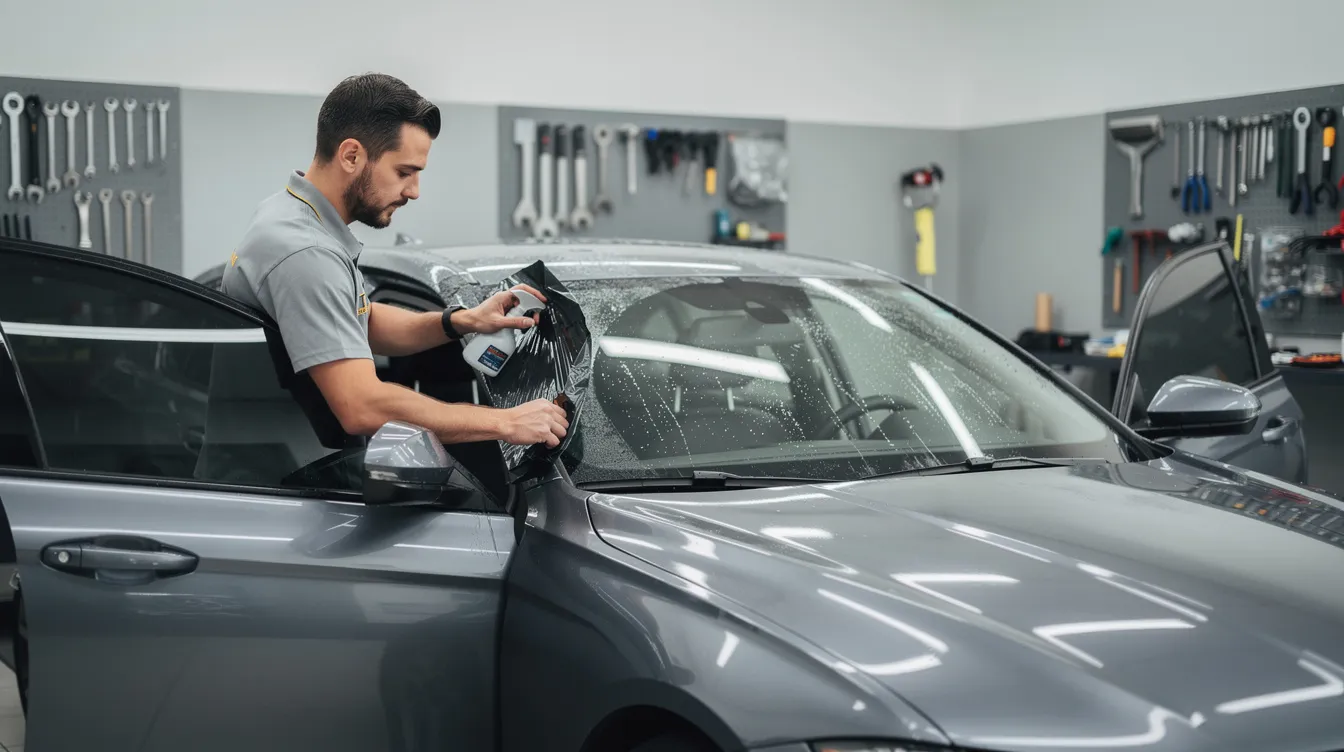
A window tinting franchise operates as a licensed business specializing in the application of protective films across multiple market segments. Unlike independent window tint shop operations, franchise systems provide structured approaches to operations, quality control, customer acquisition, and technical training that significantly reduce the learning curve for new business owners.
The distinction matters because the auto accessory and window tinting market is largely populated by independent craftsmen who often lack the capital resources, business skills, marketing, and buying power to compete effectively against established franchises. Franchises like Tint World and Turbo Tint leverage national buying power and standardized operations to gain a competitive edge over local independent shops, which often struggle with marketing and operational consistency.
Core Services and Revenue Streams
Modern automotive styling centers extend far beyond basic window tint application. A comprehensive franchise system typically encompasses:
Automotive window tinting remains the foundation—ranging from basic dyed films to premium ceramic options offering superior heat and UV rejection. Professional tinting services often operate at 70–85% gross profit margins because raw film costs are low compared to the high value of skilled labor. This margin structure makes high quality window tinting an attractive core service.
Paint protection film represents a premium upsell opportunity. Paint protection installation requires specialized training but commands premium pricing, with customers paying significantly more for front-end protection packages. This service attracts vehicle owners invested in preserving their automotive assets.
Ceramic coating and detailing services provide recurring revenue opportunities. These protective coatings require periodic reapplication, building ongoing customer relationships beyond single-transaction window film installations.
Architectural window film for commercial and residential properties opens entirely different customer segments. Commercial window tinting serves contractors, property managers, and architects requiring energy efficiency solutions, security films, or decorative applications.
Many franchises offer more than just automotive tinting, including home-based residential and commercial window film services, vehicle wraps, and detailing, providing year-round income. This diversification protects against automotive seasonal fluctuations—when vehicle tinting slows during colder months, architectural services and protective coatings maintain revenue stability.
Franchise Support Structure
Franchise support in the tinting industry typically includes comprehensive training programs that equip franchisees with the necessary skills to operate their business successfully. The Tint World franchise system, for example, provides extensive in store training covering both technical installation and daily operations management.
Training programs typically combine classroom instruction with hands-on technical training. New franchisees learn installation techniques, quality control standards, customer service protocols, and daily management techniques. The turbo tint franchise system emphasizes operational efficiency through structured training that prepares owners for everyday operations from day one.
Marketing assistance ranges from national brand campaigns to local market grand opening support. Franchisors provide digital marketing frameworks, lead generation systems, and often online ordering platforms for customers to pre-select services. This marketing infrastructure would cost independent operators significantly more to develop independently.
Purchasing power delivers tangible cost advantages. Franchise systems negotiate bulk pricing on window films, protective films, and installation supplies. These committed support relationships with manufacturers also ensure consistent product quality and warranty backing for customers.
Technology platforms include point-of-sale systems, customer relationship management tools, and scheduling software. The turbo tint franchise owners benefit from streamlined technology that handles appointment booking, inventory management, and customer communications.
Ongoing operational support is a key component of franchise support, helping franchisees with daily management, marketing strategies, and customer acquisition techniques. This support team accessibility often differentiates franchise performance from independent operations.
Understanding these support structures naturally leads to the critical question of investment—what financial commitment does this support require?
Investment Requirements and Financial Considerations
The robust support infrastructure described above requires significant financial investment. Understanding the complete financial picture—from initial capital requirements through ongoing operational costs—separates successful franchise owners from those who struggle with undercapitalization.
Total startup costs for a franchise can range from roughly $150,000 to over $450,000, depending on the brand and location, though some models to buy a window tinting business through franchising position themselves as more affordable points of entry. This range reflects different franchise concepts, market requirements, and build-out specifications.
Initial Investment Breakdown
Franchise fees represent your initial payment for brand access and system rights. Single-store franchises typically require fees between $30,000 and $50,000, with multi-unit packages offering reduced per-location rates. The tint world franchise fee, for example, sits around $49,950 for a single location, while smaller concepts like residential-focused brands may start at $30,000.
Equipment and inventory costs vary based on service scope. A full auto styling franchise requires professional installation bays, film cutting systems, specialized lighting, and diverse film inventory. Budget between $20,000 and $150,000 depending on whether you’re establishing a comprehensive automotive styling center or a more focused operation.
Real estate and buildout often constitute the largest variable expense. Site selection significantly impacts both cost and revenue potential. Leasehold improvements for a proper installation facility—including climate control, dust management systems, and customer showroom areas—typically range from $70,000 to $190,000. Franchise systems often provide real estate guidance and market analysis to assist franchisees in selecting optimal locations for their businesses.
Working capital requirements address the reality that new locations need runway. Plan for 6-12 months of operating expenses including rent, utilities, payroll, marketing, and supplies before reaching profitability. Underestimating this category creates cash flow pressure that hampers growth.
Revenue and Profit Potential
Performance data from established systems provides realistic expectations, and broader industry analyses of window tinting business profitability and scalability help frame these numbers in context:
Average gross sales reported in the tinting franchise industry are approximately $987,189. The average annual total revenue for Tint World franchisees is approximately $1,060,773, with top-performing locations exceeding $1.4 million annually.
Tint World franchisees report an average gross profit margin of 79%, reflecting the favorable economics of skilled labor applied to relatively low-cost materials. The average annual profit (EBITDA) for Tint World franchisees is around $264,539.
Several factors affect where your location falls within these ranges:
- Geographic location influences both customer volume and operating costs
- Local market competition density affects pricing power
- Service mix determines average transaction values
- Operational efficiency impacts labor costs and throughput
- Marketing execution drives customer acquisition and retention
These figures represent mature locations with established customer bases. First-year operations typically achieve 60-70% of mature unit performance while building market presence.
Financing Options
Multiple financing pathways exist for qualified candidates, whether you’re launching independently or following structured guidance on how to start a tinting business with franchise support:
SBA lending programs remain popular for franchise purchases. Many tinting franchise brands maintain SBA registry, simplifying lender evaluation. Tint World, for instance, reports relatively low SBA default rates around 4%, indicating strong franchisee success rates and system support.
Approved lenders often work directly with franchise systems, understanding the business model and typical performance metrics. These relationships can streamline approval processes compared to approaching unfamiliar institutions.
Franchisor financing assistance varies by brand. Some offer preferred lender introductions, while others provide direct financing options for equipment or initial inventory. Veterans often qualify for VetFran discounts reducing franchise fees.
Leasing companies can address equipment needs without large capital outlays, though this shifts costs from initial investment to ongoing operational expenses.
Financial qualification naturally leads into the formal application process—understanding what documentation, timeline, and evaluation criteria determine candidate approval.
The Franchise Application Process and Evaluation
Moving from financial planning to actual franchise acquisition involves a structured candidate approval process designed to match qualified entrepreneurs with appropriate opportunities. Both parties are evaluating fit—you’re assessing the franchise system while the franchisor evaluates your qualifications and commitment.
Expect the journey from initial inquiry to grand opening to span 3-6 months, depending on site selection complexity, build-out requirements, and local permitting timelines.
Application and Qualification Process
The process follows a predictable sequence designed to protect both parties:
- Initial inquiry and qualification call establishes baseline fit. Franchise development representatives discuss your background, investment capacity, geographic preferences, and business goals. This conversation determines whether you meet minimum requirements for liquid capital, net worth, and operational commitment.
- Franchise disclosure document review provides legally mandated transparency, including key sections such as Item 20, which outlines franchise growth and closures. The FDD contains 23 items covering everything from franchisor history and litigation to financial performance representations and franchisee contact information. Pay particular attention to Item 7 (investment breakdown), Item 19 (financial performance), and Item 20 (current franchisee contact details). This document forms the foundation for informed decision-making.
- Financial verification confirms your capacity to fund the investment and sustain operations through the ramp-up period. Expect requests for tax returns, bank statements, and credit reports. Preparing these materials in advance accelerates the process.
- Territory selection and market analysis identifies your operating geography. Franchise systems protect territories with varying degrees of exclusivity—understanding these boundaries matters for long-term growth potential. Market demographics, competition analysis, and site selection assistance typically occur during this phase.
- Tint World Discovery Day or equivalent events provide immersive exposure to franchise operations, similar in purpose to CoolVu’s step-by-step franchise onboarding process. These sessions—whether at headquarters or operating locations—allow you to meet leadership, observe daily operations, speak with existing franchise owners, and experience the franchise family culture firsthand.
- Final approval and franchise agreement execution formalizes the relationship. The franchise agreement governs your rights, obligations, territory, fees, renewal terms, and exit provisions. Legal review before signing is essential.
Franchise Brand Comparison
Evaluating options requires systematic comparison across consistent criteria, and studying real-world franchising examples in the window services industry can clarify which models best match your goals:
| Criterion | Tint World | Turbo Tint | Lower-Investment Options |
|---|---|---|---|
| Total Investment | $240,000–$450,000 | $295,510–$415,400 | $55,550–$150,000 |
| Franchise Fee | ~$49,950 | $45,000 (single); $99,000 (3-pack) | $30,000–$45,000 |
| Royalty/Ad Fund | 6% + 6% | 7% + 1% | Varies |
| Avg. Revenue | ~$1,060,773 | ~$987,189 | Less data available |
| Service Scope | Full auto styling + architectural | Automotive-focused + expanding | Often specialized niches |
| Unit Count | 140+ locations | 60+ locations | Varies widely |
| Track Record | Franchising since 2007 | Franchising since 2021 | Brand dependent |
| Tint World offers the most comprehensive products and services range among established brands—functioning as full automotive styling centers with architectural capabilities, while other systems like CoolVu’s leadership-driven architectural film franchise focus more heavily on glass and surface solutions. Their strong business system and longer track record provide extensive franchisee data and proven support infrastructure. The united franchise group backing provides additional corporate resources. |
Turbo Tint delivers impressive average gross sales figures with a newer, streamlined operational model. Successful turbo tint owner stories emphasize efficient operations and modern customer experience approaches. The lower advertising fund requirement (1% vs. 6%) improves early-stage cash flow, though the higher royalty partially offsets this advantage.
Lower-investment options like Vizta Tint focus primarily on residential and commercial window tinting rather than full automotive styling. These franchise opportunities suit entrepreneurs with limited capital who prefer a more focused business model.
Franchise options in the tinting business include single-store franchises, multi-store franchises, and home-based concepts focused on architectural films and surface finishes like multi-service CoolVu-style window tinting franchises, allowing for various levels of investment and commitment. Single-store franchises are the most popular option, providing a turnkey startup of a new location with comprehensive training and operational support. Multi-store franchises allow entrepreneurs to develop multiple locations, providing step-by-step guidance as they grow in their market area.
The Tint World franchise system offers scalability, enabling franchisees to choose between single location or multiple market franchise options that fit their lifestyle and entrepreneurial scalability goals.
Understanding what challenges you’ll face—and how franchise systems address them—completes the evaluation picture.
Common Challenges and Solutions for New Franchise Owners
Even with robust franchise support, new franchisees encounter predictable challenges during their first year. Understanding these obstacles before signing the franchise agreement allows realistic planning and proactive mitigation.
Lack of Automotive Experience
Many prospective franchise owners worry that their lack of automotive industry background disqualifies them from success. The reality proves otherwise.
Window tinting is often categorized as a precision “art,” requiring specific techniques that most people haven’t encountered. However, franchise training programs specifically address this knowledge gap. Both the turbo tint franchise system and Tint World provide intensive technical training covering film application, quality standards, and troubleshooting.
The solution combines franchisor-provided training with strategic hiring. You don’t need to become the primary installer—you need to manage business operations while qualified technicians execute installations. Many successful franchise owners started without industry background, leveraging the franchise system’s offer knowledge to accelerate their learning curve.
Local Market Competition
Every market contains independent window tint operations and other window tint shop competitors. Your challenge is differentiation.
Franchise systems provide competitive advantages independent operators cannot easily replicate: national brand recognition, buying power for premium window films, marketing infrastructure, and quality consistency. When a potential customer chooses between an unknown independent shop and a recognized brand with warranty backing, brand matters.
Actionable differentiation steps include:
- Emphasizing manufacturer-backed warranties
- Maintaining impeccable facility standards (maintaining a clean, dust-free environment is critical to avoid bubbles and debris in window film)
- Offering premium services like ceramic coatings and paint protection film that independents may lack
- Leveraging digital presence and professional marketing materials
- Building commercial relationships with dealerships, fleet operators, and property managers
Staffing and Skill Development
Finding and retaining skilled technicians is a common struggle in the tinting industry, and training new staff can take 6–12 months. Quality control such as fixing bad installs can quickly eliminate profits in window tinting—making staffing arguably the most operationally critical challenge.
Franchise systems address this through:
- Structured technical training programs for new hires
- Certification pathways that build installer credentials
- Compensation frameworks that reduce turnover
- Cross-training enabling staff flexibility across services
- Quality control protocols catching issues before customer delivery
Budget for ongoing training investment—technical excellence directly impacts customer satisfaction, referral rates, and warranty costs.
Customer Acquisition in New Markets
Brand recognition takes time to establish in a new market. The window tinting industry includes services such as automotive, residential, commercial, and marine tinting, plus detailing, electronics, and ceramic coatings—meaning diverse customer segments require different acquisition strategies, especially when targeting commercial window tinting solutions for businesses.
Effective new-market approaches include:
- Strategic grand opening campaigns with promotions driving initial trial
- Digital presence optimization for local search visibility
- Partnership development with complementary businesses (dealerships, detailers, real estate professionals)
- Commercial outreach to property managers and contractors for architectural window applications
- Mobile services options for fleet accounts or convenience-focused customers
- Community engagement building local awareness
Franchisors typically provide marketing templates, digital advertising support, and lead generation systems that accelerate customer acquisition compared to independent startup approaches.
Conclusion and Next Steps
The tinting franchise sector presents compelling opportunities within a growing automotive aftermarket industry projected to reach $574 billion by 2026 and an expanding window film market headed toward $16.56 billion by 2030. Franchise systems offer structured entry into this market—providing training, support, brand recognition, and operational frameworks that reduce startup risk compared to independent ventures.
The most successful franchise owners combine adequate capitalization with commitment to operational excellence, continuous technical training, and proactive customer acquisition. Whether you pursue a comprehensive auto styling franchise like Tint World or a more focused system like Turbo Tint, the proven business system advantages over independent operation remain clear.
Immediate next steps for interested entrepreneurs:
- Research specific franchise brands and request franchise disclosure documents from your top 2-3 options. Compare Item 19 financial performance data, territory provisions, and franchisee satisfaction indicators.
- Assess your financial position including liquid capital, net worth, and access to financing. Pre-qualify with approved lenders to understand your realistic investment capacity.
- Attend discovery events or schedule consultation calls with franchise development teams. Speaking directly with existing franchise owners provides invaluable perspective on everyday operations and support quality.
- Evaluate your local market for competition density, demographic fit, and real estate availability. Understanding your specific operating environment informs brand selection and financial projections.
- Engage professional advisors—franchise attorneys can review agreements while accountants can stress-test business plans against realistic assumptions.
Related exploration paths include automotive detailing franchise opportunities, mobile services models for lower-overhead market entry, and fleet service specialization for commercial focus.
Frequently Asked Questions
What experience do I need to open a tinting franchise?
Most franchise systems do not require prior automotive or window tinting experience. Comprehensive training programs provided by franchisors cover both technical installation skills and business operations. The window tinting industry includes services requiring specialized techniques, but franchise training specifically addresses these knowledge gaps. What matters more is business management capability, adequate capital, and commitment to following the proven business system. Many successful franchise owners came from entirely different professional backgrounds before joining the franchise family.
How much can I expect to earn with a tinting franchise?
Average gross sales reported in the tinting franchise industry are approximately $987,189, with Tint World franchisees reporting average annual total revenue of approximately $1,060,773. Tint World franchisees report an average gross profit margin of 79%, and the average annual profit (EBITDA) is around $264,539. However, individual results vary significantly based on location, market conditions, operational execution, and how quickly you build customer base. First-year operations typically achieve 60-70% of mature unit performance while establishing market presence.
What is the typical timeline from application to opening?
Expect 3-6 months from initial inquiry to grand opening. This timeline includes qualification calls, franchise disclosure document review, financial verification, site selection, franchise agreement execution, build-out, training completion, and launch preparation. The most variable components are real estate acquisition and build-out—markets with limited retail availability or complex permitting may extend this timeline. Franchisors provide guidance throughout to maintain momentum.
Do tinting franchises require exclusive territories?
Most franchise systems provide protected territories, though exclusivity provisions vary by brand. Your franchise agreement will specify territorial boundaries, digital marketing allocations, and policies regarding customer origination outside your territory. Understanding these provisions matters for long-term growth potential, especially if you’re considering multi-store franchises. Ask specific questions during Discovery Day about territorial policies and any planned expansion that might affect your market.
What ongoing fees should I expect after the initial investment?
Ongoing fees typically include royalties (5-7% of gross sales) and advertising/marketing fund contributions (1-6% of gross sales). Some systems charge additional technology fees for POS systems or software platforms. These fees are non-negotiable and factor significantly into your operating economics. When comparing franchise opportunities, total fee load matters more than any single component—a lower royalty with higher advertising contribution may net similar impact to the reverse structure.
Can tinting franchises be operated as multi-unit businesses?
Yes—multi-store franchises allow entrepreneurs to develop multiple locations with reduced per-unit franchise fees and coordinated development support. The Tint World franchise system and turbo tint franchise system both offer multi-unit packages. This entrepreneurial scalability enables operators to build regional presence and leverage operational efficiencies across locations. Multi-unit development typically requires demonstrating successful operation of initial locations before expansion approval.
What are the busiest seasons for window tinting services?
Automotive window tinting peaks during spring and summer months when customers prepare vehicles for warmer weather. However, architectural window film often follows different patterns tied to construction cycles, energy rebate programs, and commercial project timing. Diversified franchise operations offering both automotive and commercial window tinting, plus services like ceramic coating and paint protection, experience more stable year-round revenue. Strategic service mix planning addresses seasonal fluctuation concerns.
How do franchise locations handle commercial vs. residential customers?
Commercial customers—including fleet operators, property managers, contractors, and architects—typically involve longer sales cycles, competitive bidding, and larger project values. Residential and automotive customers are more transaction-focused with shorter decision timelines. Successful franchise operations develop distinct approaches for each segment: relationship-building and contractor networks for commercial work, digital marketing and showroom experience for consumer services. Some franchise owners specialize in one segment while others pursue balanced portfolios across all customer types.