Table of Contents
Why Glass Safety Solutions Franchises Are Thriving in 2026
What Is a Glass Safety Solutions Franchise (and How It Differs From Traditional Glass Services)?
Beyond Security: Energy Efficiency, Privacy, and Comfort Upgrades
Glass Safety, Building Codes, and Risk Management
How the Glass Safety Solutions Service Process Works
Why Glass Safety Solutions Franchises Are Thriving in 2026
Glass is often the weak point in any building. A single pane can be the difference between a secure commercial space and an easy target for break ins, storm damage, or accidental injury from shattered glass. As concerns around forced entry, natural disasters, and workplace safety continue to grow, demand for specialized glass solutions has accelerated sharply. The global safety and security film market was valued at approximately USD 1.8 billion in 2025, and projections place it near USD 3.2 billion by 2034.
A glass safety solutions franchise focuses on upgrading existing glass with safety and security film, solar control products, privacy solutions, and architectural surface finishes rather than ripping out and replacing windows. This article is written from the perspective of a surface and window film franchise system – not a traditional glass replacement brand. You will learn how these franchises work, what essential services they offer, how they align with modern building codes, and what potential franchise owners should evaluate before investing. Glass safety franchises often encounter high liability risks during installations, so the bar for training and compliance is high, and that creates a real barrier to entry for less serious competitors.
What Is a Glass Safety Solutions Franchise (and How It Differs From Traditional Glass Services)?
A glass safety solutions franchise is typically a home-based business centered on window film, tinting, and surface protection rather than cutting, fabricating, or installing new glass. Common franchise services include glass repair, replacement, and safety solutions, but film-focused models concentrate on enhancing the glass already in place.
Core glass services in this model include safety and security film, solar control film, privacy film, decorative graphics, and architectural surface finishes for walls, doors, and cabinetry. Franchise opportunities in the glass safety sector include window film and glass repair, but the film-first approach stands apart from legacy glass industry brands – think Glass Doctor–type providers or auto glass shops – that focus primarily on fabrication, windshield repair, and replacement services.
The advantage of a film-focused model is lower overhead costs. There is no need for a large fabrication shop, heavy inventory, or specialized cutting equipment. Mobile glass safety operations generally incur lower overhead costs than brick-and-mortar setups, letting franchise owners operate from a home-based franchise model. Glass safety franchises operate in commercial storefronts and residential environments, giving owners access to both B2C clients (homeowners) and B2B accounts (offices, schools, healthcare, government buildings).
Core Safety and Security Glass Solutions: How Window Film Delivers Better Protection
Most safety glass services revolve around upgrading existing glass using films rather than full glazing replacement. Here is what that looks like in practice:
- Security window film for forced entry delay. Security film is a multi-layer polyester product designed for impact resistance and forced entry protection. It strengthens glass against breakage and forced entry by holding broken glass in the frame, buying critical time for alarms and law enforcement response. Thicker security films resist forced entry better than thinner films, which is why professionals match film mil thickness to the threat level. Commercial window glazing paired with security film enhances shatter resistance across retail and office environments, and commercial glazing can improve burglary protection with reinforced glass configurations.
- Safety film for interior hazard reduction. Safety film holds broken glass shards together, preventing injuries from accidental impact – particularly important in schools, gyms, retail spaces, and anywhere children or the public interact with glass partitions and glass doors. Tempered glass breaks into small granules, reducing sharp shards, while laminated glass holds together when shattered, reducing injury risk. Laminated glass holds fragments together after breakage, reducing injury risk in corridors and entryways.
- Storm and debris protection. Security film reduces repair costs after accidents or storms and supports better protection against windborne debris, especially in coastal states and tornado-prone regions. Impact-resistant glass withstands strikes from objects like rocks, but film retrofits offer a far more cost-effective path for buildings with standard glass already in place.
- Fire resistance strategies. Fire-rated glass slows the spread of flames during emergencies, and specialty films paired with rated framing and glazing assemblies can contribute to fire resistance strategies. Code-compliant design is crucial here; films alone do not replace fire-rated assemblies.
- Real use cases. Glass doors in daycare centers, hospital corridors with large glass panels, and storefronts with high-value retail displays – all benefit from clear security films that are nearly invisible and do not affect clear visibility or natural light. Clear protection with no aesthetic compromise is a major selling point.
Beyond Security: Energy Efficiency, Privacy, and Comfort Upgrades
A strong glass safety solutions franchise rarely sells security in isolation. Bundling safety with energy efficiency, UV protection, and privacy upgrades increases the ticket size per project and delivers practical comfort benefits that clients immediately notice.
- Solar control films. These films cut solar heat gain, easing HVAC loads and improving energy efficiency in office buildings, schools, and homes. With energy costs rising and post-2020 energy codes getting stricter, reducing utility bills through film retrofits is a compelling value proposition in a booming window film franchise industry. The U.S. window film market reached approximately USD 3.35 billion in 2025 and is forecast to grow to USD 5.31 billion by 2033, driven in large part by energy performance demand.
- UV blocking. Security film can block up to 99% of harmful UV rays, protecting flooring, merchandise, artwork, and medical equipment from fading or degradation. That same UV rejection protects skin and reduces glare, making spaces more comfortable for occupants.
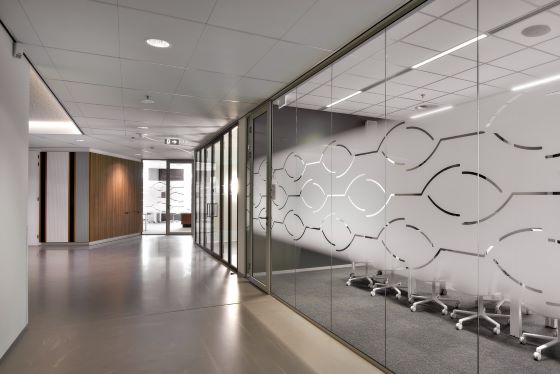
- Privacy and frosted films. Conference rooms, exam rooms, shower enclosures, and residential bathrooms benefit from privacy films that protect sensitive information and personal space. These films maintain natural light while eliminating clear visibility from the outside.
- Decorative films and architectural surfaces. Decorative films and architectural surface finishes transform existing walls, glass doors, and cabinets without full replacement, appealing to designers and property managers looking for aesthetic appeal on a budget and opening up home decor franchise style opportunities focused on glass and surfaces. This increases property value without major renovation.
- Revenue diversification. These add-on glass solutions increase higher profit margins per project and diversify revenue for franchise owners. Replacing windows with reinforced glass is significantly more expensive than applying film, and security film provides strong protection at a fraction of the price of replacements – a message that resonates with cost-conscious facility managers.
Glass Safety, Building Codes, and Risk Management
Code compliance and liability reduction are primary demand drivers for glass safety upgrades in commercial properties and institutional settings.
- Hazardous location requirements. Modern building codes require safety-rated glass in specific areas – near doors, in wet areas, near floors, along guardrails, and in stairways. Films can help upgrade non-compliant standard glass and broken panes in retrofit scenarios, addressing safety standards without full glazing replacement.
- Film limitations. While safety and security film meaningfully improves impact resistance and hazard mitigation, it does not convert ordinary glass into fully laminated glass or fire-rated assemblies. Commercial glazing must meet strict safety regulations to reduce liability, and safety film helps businesses comply with glass safety standards in many – but not all – situations. Safety glass can meet strict safety regulations in commercial settings when specified correctly.
- Glass identification. Franchise technicians are trained to identify tempered glass, annealed glass, and laminated glass before recommending any film. Applying film to the wrong glass type can cause thermal stress and warranty conflicts. ANSI and UL standards test security film for strength and performance, providing the technical standards and quality control protocols that are critical for maintaining safety in glass franchises.
- Insurance benefits. Some insurance carriers view documented security film and impact protection upgrades favorably. Installing security film can lower insurance premiums for businesses, potentially supporting premium discounts or loss-control credits – valuable assets for property owners managing risk.
- Coordination with authorities. For fire resistance, blast mitigation, and high-risk applications in schools and government buildings, always coordinate with local code officials and engineers. Glass safety franchise demands include compliance with local building codes, and cutting corners here creates serious liability exposure.
How the Glass Safety Solutions Service Process Works
Here is a step-by-step view of a typical project for a home or commercial property in 2026:
- Initial consultation and site survey. A trained technician visits the property to measure glass, note frame condition, identify occupancy type, and discuss the client’s main concerns – whether that is forced entry, reducing glare, heat, privacy, or all of the above.
- Risk mapping. High-risk openings are prioritized: ground-floor glass doors, street-facing windows, areas frequently occupied by children or the public, and any broken panes or non-compliant glazing.
- Product recommendation. Based on the risk assessment, the technician recommends specific film thickness, tint level, and attachment system – factoring in energy efficiency targets, glare reduction needs, and interior design preferences.
- Installation day. Surface preparation, film application, trimming, and edge work are completed with minimal disruption. Professional installation ensures security film bonds tightly to glass, and crews are trained to work around occupied spaces so facilities can stay open during the process – delivering prompt service without downtime.
- Post-install inspection and education. A walk-through with the client covers curing expectations (typically 30–90 days for full clarity depending on film type), cleaning guidance, and warranty documentation. Security film typically lasts 10 to 15 years with proper care, and professional services include long-term maintenance guidance.
Who Buys These Glass Safety Solutions? Key Markets and Applications
A strong glass safety solutions franchise serves both residential and commercial clients across multiple verticals.
- Residential clients. Homeowners in suburbs and urban condos want better protection, reduced glare, and increased privacy without replacing windows. Films protect against UV rays that fade furniture and flooring while cutting energy costs.
- Commercial buildings. Offices, retail chains, retail spaces, and warehouses need impact resistance, smash-and-grab protection, and energy savings as part of their glass services plan. Stronger glass through film retrofits makes commercial space safer for employees and customers.
- Schools and universities. Safety and security window film on classroom windows, entry vestibules, and interior glass partitions has become a priority since the early 2020s. Layered security that includes glass upgrades is now a baseline expectation.
- Healthcare and government facilities. Privacy and security glass for exam rooms, labs, and administrative spaces in government buildings and hospitals – with strict building codes and documentation requirements – represent high-value, recurring accounts.
- Specialty environments. Data centers, labs, and manufacturing spaces use films for glare reduction, controlled visibility, and better protection of sensitive equipment, including bullet resistant glass alternatives and smart glass integrations where applicable.
Becoming a Franchise Owner in Glass Safety and Window Film
If you are evaluating franchise options in the broader glass industry and want a clear example of a business franchise model, here is what to consider:
- Financial profile. Typical candidates have around $50,000 in liquid capital and strong motivation. Startup costs for glass safety franchises can vary significantly based on the model, but a realistic total investment including franchise fee, vehicle, equipment, initial marketing, and working capital often falls in the low six figures, with potential franchise owner salary ranges tied to execution, territory, and brand strength.
- Experience. Prior glass industry experience is not usually required because of extensive training programs. The operational model of a glass safety franchise may require technical training for franchisees, but backgrounds in sales, operations, or project management are often more valuable than direct industry experience, especially in concept-adjacent models like an interior design franchise focused on window and surface solutions.
- Day-to-day operations. Franchise owners handle lead generation, consultations, hiring and overseeing installers, building B2B relationships, and executing local marketing strategies. Franchisees benefit from bulk purchasing agreements for materials and equipment, keeping costs manageable as volume grows.
- Scalability. Starting as an owner-operator and growing to a multi-crew operation serving large commercial portfolios is a well-worn path. Territory size and design are important considerations for glass franchise operations, and recurring revenue models can stabilize cash flow for glass safety franchises through maintenance contracts and multi-location rollouts. When weighing franchise vs non-franchise paths, Franchise Disclosure Documents detail costs, obligations, and specifics required by the FTC – always review them carefully.
- Lifestyle. Service territories allow owners to work primarily daytime hours, with occasional off-hours commercial work when a client’s commercial space needs to stay operational during business hours.
Training, Support, and Technology in Modern Glass Safety Franchises
Comprehensive training is critical when dealing with safety, impact resistance, and building codes.
- Initial training structure. Extensive training programs cover film types, professional installation techniques, sales processes, safety protocols, and code awareness. This is not a weekend certification – it is an intensive program designed to build real competence.
- Ongoing support. Franchise owners receive access to technical hotlines, updated installation standards, marketing resources, and peer groups. Ongoing support is a hallmark of top service franchises in the window film space and ensures that as glass products evolve and codes change, franchisees stay current.
- Digital tools. CRM systems, quoting software that factors in glass size and film type, and cloud-based job management keep mobile crews efficient and maintain a professional image with clients.
- Manufacturer relationships. Partnerships with premium film manufacturers ensure access to high-quality products tested for impact resistance, forced entry delay, and UV performance – not commodity glass products from unverified sources.
- Consistency. Strong training produces consistent results across safety-critical projects, from small retail locations to multi-story office towers, driving customer satisfaction and long term success.
Common Mistakes to Avoid When Choosing a Glass Safety Solutions Franchise
Avoiding costly missteps before signing any agreement can save you years of frustration, and using an expert guide to the best franchises to buy into can help you benchmark options objectively.
- Don’t chase a famous name blindly. A well-known brand in the glass industry does not guarantee strong margins, support quality, or a service mix that matches market demand. Examine whether the franchise emphasizes film and safety glass solutions or just commoditized replacement services.
- Underestimating local competition. Traditional glass services, small tint shops, and national safety-film providers are all in the market. Your differentiation comes from specialized glass solutions, code knowledge, and multi-service offerings – not just price, aligning closely with the top things to consider in a window tinting franchise.
- Ignoring building codes and testing standards. Any glass solutions business must operate with safety and compliance front and center. Cutting corners on code compliance is a direct path to liability.
- Treating security film as a cure-all. Security film is powerful, but transparent communication about what films can and cannot do in forced entry and extreme events builds trust and avoids claims problems. It is not a substitute for bullet resistant glass in every scenario.
- Skipping due diligence. Speak with multiple existing franchise owners about real-world support, lead flow, and profitability before committing. Review the Franchise Disclosure Document line by line.
FAQs About Glass Safety Solutions Franchises
How does security window film actually improve impact resistance and forced entry protection?
Security window film is a multi-layer polyester product bonded to glass with high-strength adhesive. When impact occurs, the film holds glass fragments in the frame rather than allowing shattered glass to scatter. Optional edge attachment systems anchor the film to the window frame, creating a membrane that resists penetration even after the glass itself cracks.
Film does not make glass unbreakable. What it does is significantly slow intruders and reduce dangerous glass fragments, buying time for alarms, response teams, and evacuation. In retail settings, storefronts with installed security film have repeatedly delayed smash-and-grab attempts long enough for law enforcement to arrive – turning a seconds-long crime into a minutes-long struggle.
Can window film upgrades help my building meet safety or energy efficiency goals?
Safety films can mitigate hazards from non-tempered standard glass and support safer breakage behavior, though they do not replace all code-required safety glazing. For energy efficiency, solar control films reduce heat gain and glare, contributing to measurable reductions in energy costs for offices, schools, and homes. Franchise installers typically provide performance data and documentation for facility managers and energy consultants who need to verify results against targets.
Do I need prior glass industry experience to own a glass safety solutions franchise?
Most systems are designed for people without prior glazing or glass doctor team experience, provided they are willing to learn technical details and follow safety standards. Experience in sales, construction management, or small business ownership is often more valuable than a direct glass background. Comprehensive training and ongoing mentorship fill technical gaps quickly, and the learning curve is manageable for motivated self-starters.
How long do safety and security films last on glass doors and windows?
Security film typically lasts 10 to 15 years with proper care, depending on exposure, film type, and climate conditions. Factors that affect longevity include direct sun, whether the application is interior or exterior, cleaning practices, and frame movement. Many manufacturers offer warranties against peeling, bubbling, discoloration, and adhesive failure when films receive professional installation.
What kind of initial investment is typical for a home-based glass safety solutions franchise?
A realistic range for a home-based glass safety solutions franchise in 2026 is in the low six figures, including the franchise fee, a wrapped vehicle, tools, initial marketing, training travel, insurance, and working capital. Major cost categories break down into licensing, equipment (possibly including plotters for decorative work), launch marketing, and operating reserves. Always obtain and review the Franchise Disclosure Document from any brand you consider, and speak with existing franchisees about real numbers.
Will a glass safety solutions franchise conflict with local glass shops or complement them?
Many traditional glass businesses focus on fabrication, broken panes, and replacement services, while film-focused franchises specialize in enhancing existing glass. Some franchise owners form referral partnerships with local glaziers: they handle window film, privacy solutions, and surface finishes, while the glass shop handles full replacements and hardware. Positioning as a complementary glass solutions expert – not a direct competitor – is often the path to long term success.
Why Choose Our Franchise Model for Glass Safety and Surface Solutions
A dedicated window film and surface solutions franchise is a compelling alternative to traditional glass franchises. Where legacy models require heavy fabrication facilities and auto bays, our approach keeps overhead costs low with home-based operations and mobile crews.
- Multiple revenue streams. Safety and security film, solar control, privacy, decorative graphics, smart glass options, and architectural finishes for walls and surfaces – all from one platform.
- Comprehensive training. Technical installation skills, building codes awareness, sales processes, and local marketing strategies for both residential and commercial accounts.
- Protected territories and support. Marketing assets, ongoing coaching, and a peer network designed specifically for service-based franchise owners.
- Modern differentiation. Focus on modern glass solutions and surface technology rather than commoditized repair-only glass services. This positions you as the go-to provider for professional services that upgrade properties without full demolition.
Conclusion and Next Steps
Glass safety solutions franchises address a growing set of modern needs: better protection against forced entry and natural disasters, energy efficiency upgrades for aging building stock, and compliance-friendly improvements for existing glass. This business model sits at the intersection of safety and security, sustainability, and design – serving both homes and commercial properties with professional services that traditional replacement cannot match.
If you are evaluating franchise opportunities, compare traditional glass services with film- and surface-focused models side by side. Look at overhead costs, service mix, training depth, and the breadth of markets you can serve. Request a detailed franchise guide, schedule a consultation call, and talk to existing franchise owners to understand training, territories, and real financial performance before making your decision.