Table of Contents
Step 1: Laying the Foundation with Research and Self-Assessment
Once you affirm that a system-driven business model aligns with your goals, the journey begins. This foundational stage is about pairing rigorous external research with honest self-reflection. It’s where you transform the abstract idea of business ownership into a concrete evaluation of viable opportunities. The quality of your work here sets the trajectory for everything that follows.
How to Research and Identify the Best Franchise Opportunities
The franchise landscape is vast, and your initial task is to narrow the field. Most prospective owners begin by exploring franchise directories, industry publications, and “best of” lists. This broad-level research helps you understand which sectors are growing, what investment levels are common, and which brands have name recognition.
As you identify concepts that pique your interest, the next step is a preliminary investigation into the franchisors themselves. A crucial part of this process involves requesting and reviewing the Franchise Disclosure Document (FDD). This legal document is your first deep look into the company’s history, leadership, financial performance, and the specific obligations of both the franchisor and franchisee.

Analyzing an FDD can be a complex and demanding task, often requiring you to parse dense financial statements, legal clauses, and operational rules on your own.
Evaluating Your Skills and Market Demand
While researching external opportunities, you must simultaneously look inward and outward at your immediate environment. A successful franchise launch happens at the intersection of your personal strengths and the market’s needs.
First, conduct a candid self-assessment. Are you a natural salesperson who thrives on building relationships? Do you excel at managing teams and operations? Aligning the daily demands of a franchise with your innate skills and passions is critical for long-term satisfaction and success. An owner who loves networking may struggle in a model that requires solitary, technical work.
Next, analyze your local market. A brilliant franchise concept can fail if there is no local demand or if the territory is already saturated. Ask critical questions:
- Who is the target customer for this service in my community?
- What is the demographic and economic profile of my territory?
- Who are the existing competitors, both independent and franchise-based?
- Is there a clear, unmet need that this business can fill?
Undertaking this market analysis independently is a significant challenge. It requires sourcing demographic data, conducting competitive research, and accurately gauging consumer demand, all without a framework or established methodology.
The Advantage of a Franchisor Who Guides Your Research
Here lies the most critical distinction between an average franchisor and a true strategic partner. A standard franchisor will provide the FDD and expect you to perform your own due diligence. A premier franchisor, however, actively participates in your research and validation process, transforming it from a solitary effort into a collaborative analysis.
Instead of leaving you to guess about market viability, an elite franchisor provides the tools and data for you to make an informed decision. They have already done the macro-level research and can help you apply it to your specific territory. This guided approach is designed to minimize risk and accelerate your path to clarity. For an experienced entrepreneur, this partnership eliminates the friction of starting anew, allowing you to focus your expertise on strategic decisions rather than tedious data gathering.
A supportive franchisor helps you validate the opportunity by providing:
- Detailed demographic and psychographic analysis of your specific territory.
- Data on local industry demand and growth potential.
- A clear profile of the ideal customer, helping you see the opportunity through a proven lens.
- A transparent framework for evaluating the competitive landscape.
This collaborative approach doesn’t just save you time. It fundamentally changes the nature of your decision from a speculative leap to a calculated, data-driven business launch. It is the first and most powerful indicator that you are joining a system truly invested in your success.
Step 2: Understanding Franchise Startup Costs and Funding
With a clear vision of the industries that align with your goals, the next practical step is to understand the financial landscape. For any entrepreneur, especially one looking for a smooth integration, a transparent and realistic financial plan is non-negotiable. This is where a franchisor’s quality first becomes apparent. A premier partner provides a crystal-clear financial roadmap, while others may leave you to navigate a maze of unexpected costs.
Deconstructing the Initial Investment
Your initial investment is the total amount of money required to open your doors. This figure is more than just the one-time franchise fee, which is your licensing cost to use the brand’s name and operating system. A comprehensive breakdown, which a reputable franchisor will detail in Item 7 of their FDD, includes several key components:
- Franchise Fee: The upfront entry fee for joining the system.
- Real Estate and Build-Out: Costs for securing and preparing a physical location, if one is required. For service-based models like CoolVu, these costs are often significantly lower.
- Equipment and Supplies: The necessary tools of the trade, from vehicles and installation equipment to computer systems.
- Initial Inventory: The starting stock of products needed to service your first customers.
- Working Capital: A crucial cash reserve to cover initial operating expenses like payroll, utilities, and marketing before your business becomes cash-flow positive.
A trustworthy franchisor provides a realistic range for these costs based on the experience of their existing franchisees. This transparency is your first line of defense against the operational friction that comes from budget overruns and unforeseen expenses.
Understanding Ongoing Costs: Royalty and Marketing Fees
Beyond the initial startup costs, your business will have recurring expenses that are vital for sustained growth. The most common are royalty and marketing fees. These should not be viewed as mere costs, but as your investment in the franchisor’s ongoing partnership.
A royalty fee, typically a percentage of your gross revenue, funds the continuous support you receive from the corporate office. This includes access to ongoing training, proprietary software, business coaching, and product innovation. A marketing fee contributes to a national or regional advertising fund, building brand awareness on a scale that would be impossible for a single operator. The true test of a franchise system is the value delivered in exchange for these fees.
A Guide to Your Franchise Funding Options
Securing the necessary capital is a critical milestone, and fortunately, there are several well-established paths for funding a franchise. The best choice will depend on your personal financial situation.
Common funding avenues include:
- SBA Loans: The U.S. Small Business Administration works with lenders to provide loans, and its 7(a) loan program is particularly popular with franchisees.
- Conventional Bank Loans: Traditional loans from banks or credit unions, often requiring a strong credit history and a comprehensive business plan.
- Rollovers as Business Startups (ROBS): This allows you to use eligible retirement funds to finance your business without incurring taxes or early withdrawal penalties.
- Home Equity Lines of Credit (HELOC): Using the equity in your home can provide a flexible line of credit.
Here again, the quality of your chosen franchisor makes a significant difference. Established franchisors often have dedicated funding specialists or relationships with lenders who are familiar with their business model. This can dramatically streamline the application process, as the lender already has confidence in the brand’s track record, a powerful advantage for any entrepreneur who values time and efficiency.
Step 3: Mastering the Discovery Process and Due Diligence
Once you have a handle on the financial requirements, you enter the most critical phase of your journey: due diligence. This is your opportunity to look under the hood, ask the tough questions, and validate that the franchise is a perfect fit for your entrepreneurial ambitions. A strong franchisor will not just tolerate this scrutiny, they will welcome it, confident that their system holds up.
How to Effectively Interview a Franchisor
The discovery process is a two-way interview. While the franchisor is evaluating you, you must be rigorously evaluating them. Your goal is to understand the reality of their support system, company culture, and long-term vision. Prepare questions that go beyond the surface-level information in their marketing materials.
Consider asking:
- “What does your initial training program look like day-to-day, and how do you support franchisees in their first 90 days?”
- “Can you describe the process for how franchisee feedback is collected and used to improve the system?”
- “What are the biggest challenges new franchisees face, and what specific resources do you provide to help them overcome these hurdles?”
- “What is your company’s vision for the next five years, particularly regarding technology and market competition?”

A powerful partner will provide detailed, transparent answers. Vague responses or an unwillingness to dive into specifics should be considered a major red flag. This conversation is a direct window into the level of partnership you can expect after you sign the franchise agreement.
Gaining Candid Insights from Existing Franchise Owners
The single most valuable resource in your due diligence process is the network of existing franchisees. Their real-world experiences will either validate the franchisor’s claims or expose potential weaknesses. The FDD (in Item 20) provides a list of all current owners, and you should make it a priority to speak with several of them.
When you connect, aim for a candid conversation about their experience. Go beyond a simple “Are you happy?” and dig deeper with questions like:
- “How does the reality of running the business compare to the expectations set during the discovery process?”
- “When you’ve needed support from the corporate office, how responsive and effective have they been?”
- “From a financial perspective, were the initial investment estimates and timeline to profitability accurate?”
- “Knowing what you know today, would you invest in this franchise all over again?”
A franchise system filled with profitable, enthusiastic owners is the ultimate proof of a successful model. A franchisor who is confident in their system will actively encourage you to have these conversations, knowing their partners are their best advocates.
Validating the Brand’s Reputation and Track Record
Finally, step back and evaluate the brand from a 30,000-foot view. A proven track record is about more than just the number of years in business or the quantity of locations. It’s about the quality and trajectory of the entire brand.
First, investigate the brand’s reputation with its customers. Look at online reviews, social media, and testimonials. Is the brand well-regarded in the marketplace? A strong consumer-facing reputation makes your job as a new owner infinitely easier.
Second, research the leadership team. The founders and executives are the architects of the system. Do they have deep industry experience and a history of building successful enterprises? A leadership team with a clear, innovative vision is essential for long-term growth and adapting to market changes. This combination of a strong public brand and expert leadership provides the stable foundation that experienced entrepreneurs seek.
Step 4: Understanding the Franchise Disclosure Document (FDD)
After you engage with the franchisor and confirm mutual interest, you will receive the Franchise Disclosure Document, or FDD. This is a comprehensive legal document that U.S. federal law requires franchisors to provide to prospective franchisees. Think of it not as a sales brochure, but as a detailed owner’s manual for the business relationship you are about to enter. Its purpose is to give you the information needed to make an informed decision.
What is an FDD and Why is it Important?
The FDD is designed to protect you. It provides a standardized framework for disclosing critical information about the franchise system, its officers, and its financial health. It lays out the obligations of both the franchisor and the franchisee, the total investment costs, and any history of litigation.
Receiving this document marks a formal step in the process. You are legally required to have it in your possession for at least 14 days before you can sign any agreements or pay any money to the franchisor. This “cooling off” period is designed to give you ample time to review the document thoroughly, ideally with the help of a qualified franchise attorney.
Key Sections to Scrutinize
While the entire FDD is important, a few of its 23 “Items” warrant particularly close attention. Scrutinizing these sections will give you a clear picture of the opportunity and the organization behind it.
- Item 1 & 2: The Franchisor and Business Experience. This section details the company’s history and the experience of its key leadership. Look for a leadership team with deep, relevant experience not just in the industry, but specifically in franchise development.
- Item 7: Estimated Initial Investment. This is a detailed, itemized table of all potential costs to open the franchise, from the initial franchise fee to equipment and working capital. A trustworthy franchisor provides a comprehensive and realistic range.
- Item 12: Territory Rights. This item defines your operational territory. It will specify whether your territory is exclusive, meaning the franchisor cannot open another location or operate within your defined area. Understanding these rights is crucial for your long-term growth plan.
- Item 19: Financial Performance Representations. This is an optional but highly significant section. If a franchisor makes any claims about franchisee earnings potential, they must be detailed here. Look for clear, data-driven information on the performance of existing units.
- Item 20: Outlets and Franchisee Information. This provides tables showing the number of franchises opened, closed, or transferred over the past three years. It also includes contact information for current and former franchisees, an invaluable resource for your validation calls.

How a Transparent FDD Signals a Trustworthy Partner
The FDD is more than a legal requirement, it is a direct reflection of the franchisor’s character. A transparent, detailed, and easy-to-understand FDD is the hallmark of a confident partner.
When a franchisor provides a robust Item 19 with clear financial data, it shows they are proud of their franchisees’ performance. When they provide a complete list of franchisees in Item 20, they demonstrate they have nothing to hide. Conversely, an FDD that is vague or omits an Item 19 should be seen as a significant red flag. It suggests a lack of confidence in the system or a desire to conceal potential problems.
Why Your Franchisor’s System Is Your Most Critical Asset
The FDD gives you the legal and financial blueprint of a franchise. However, the document itself does not generate revenue. Your ultimate success hinges on the quality of the franchisor’s operating system, the living framework you will use to run your business every day. While many guides focus on the logistical steps of starting a business, they often miss this critical factor. The franchisor’s system is the true determinant between a stressful launch and a profitable, scalable business.
The Difference Between a Manual and a True Operating System
Many franchise opportunities come with a thick binder, a business manual. It contains rules and basic procedures. While necessary, a manual is static. It tells you what to do, but not always how to do it efficiently in a dynamic market.
A true operating system, by contrast, is a fully integrated ecosystem designed for performance. It is a comprehensive suite of tools, processes, and support structures that work in harmony. This includes:
- Integrated technology for CRM, scheduling, invoicing, and marketing.
- Proven sales and marketing engines that generate leads.
- Streamlined operations for everything from customer contact to project completion.
- Continuous support and training for ongoing improvement.
A manual is a reference. A true operating system is a launchpad.
A System Designed for the Experienced Entrepreneur
For an experienced entrepreneur, time is the most valuable commodity. Your goal is not to learn how to build a business from scratch, but to leverage a new vehicle for growth without getting bogged down by operational friction. This is where a superior franchise system proves its worth.
A well-designed system minimizes the time required for integration. It is engineered to be “plug-and-play,” allowing you to focus your energy on high-value activities like leadership, team building, and market development. Instead of spending months creating your own marketing, vetting software, and developing sales scripts through trial and error, you are handed a proven toolkit on day one. This dramatically shortens your ramp-up time and accelerates your path to profitability.
The Power of a Framework Built on Experience
The quality of an operating system is a direct result of the experience embedded within it. A framework built by a team with decades of franchise development experience has already anticipated the challenges you will face. The system has been pressure-tested, refined, and optimized over many years and across hundreds of territories.
Every process and piece of technology has been developed to solve a specific problem or capitalize on an opportunity, ones you would otherwise have to discover on your own. This is the fundamental difference between going it alone and partnering with an expert. With a proven system, you are not just buying a brand. You are acquiring decades of institutional knowledge and investing in a framework designed from the ground up for your success.
Launching Your Territory: The First 90 Days with a Proven Partner
Signing your franchise agreement marks the end of your due diligence and the beginning of your entrepreneurial reality. This initial 90-day period is the most critical phase. For many, it can be a frantic and uncertain time. However, when you partner with a franchisor that has perfected its launch process, these first three months become a structured, supported, and highly effective sprint toward profitability. This is where the true value of a superior system is revealed, transforming potential chaos into controlled, accelerated growth.
Inside a World-Class Onboarding and Training Program
The gap between signing a contract and serving your first customer is where many new business owners feel most vulnerable. A world-class onboarding and training program is designed to eliminate this vulnerability and replace it with confidence. An effective program instills the operational DNA of the business, ensuring you understand not just what to do, but how and why to do it for maximum success.
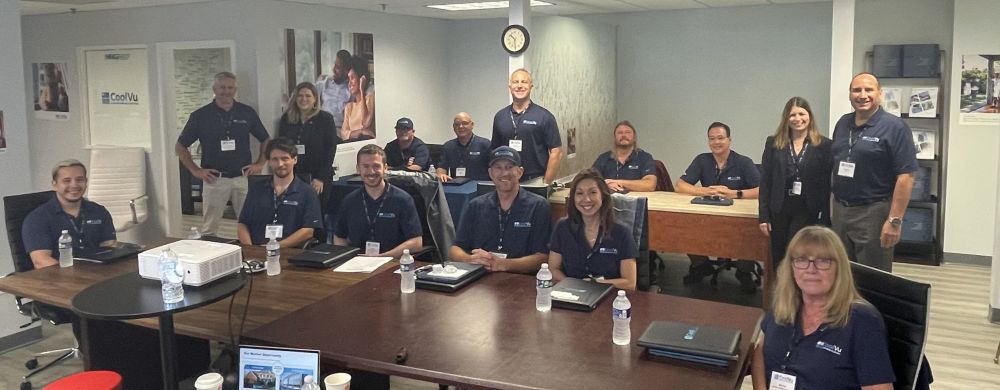
At CoolVu, this process is meticulously choreographed. Our immersive training covers every facet of your new enterprise:
- Business and Operations Mastery: You receive in-depth training on our proprietary software systems, financial management practices, and daily operational workflows. The goal is a turnkey business framework so you can focus on growth, not on building systems.
- Technical and Installation Excellence: Our hands-on training ensures you and your team can install our full range of products to the highest standards. This builds both technical skill and confidence.
- Sales and Consultation Philosophy: We teach you a consultative sales process that prioritizes customer education and problem-solving. This approach builds trust and positions you as a local authority, leading to higher close rates.
The Role of Integrated Support
For an experienced entrepreneur, the biggest drain on resources is building and integrating the core functions of a business. A premier franchise system removes this burden by providing a fully integrated support structure from day one. This is the difference between being handed a toolbox and being given the keys to a high-performance engine.
A proven partner provides a cohesive ecosystem where marketing, sales, and operations work in harmony. You launch with a powerful marketing engine already running, including national brand campaigns and a localized digital marketing strategy managed for you. A superior system also provides a professionally managed contact center, a robust CRM to manage your pipeline, and a proven quoting process. This seamless operational backbone allows you to manage a greater volume of work with less stress.
Hitting the Ground Running: How a Proven System Accelerates Success
The culmination of comprehensive training and integrated support is a dramatically accelerated launch. While a standalone entrepreneur might spend the first year building brand awareness and refining processes through costly trial and error, a franchisee within a top-tier system can achieve profitability in a fraction of that time.
This acceleration is a direct result of stepping into a proven model. The system is designed to help you:
- Avoid Common Pitfalls: The playbook you receive is written from the collective experience of hundreds of successful launches, helping you sidestep common mistakes.
- Build Momentum Quickly: By generating leads and converting sales from the first week, you create immediate cash flow and market momentum.
- Establish a Professional Reputation Instantly: You inherit the credibility of an established national brand. You project professionalism and trustworthiness from your very first customer interaction.
Ultimately, a proven system doesn’t just make your launch easier, it makes it more strategic, more profitable, and significantly faster. It empowers you to perform like a seasoned operator from the moment you open for business.
To learn how to start a business with a proven system built for faster growth and less operational friction, connect with CoolVu Franchise and explore the opportunity.
Frequently Asked Questions
What is the most important factor when starting a franchise?
While financials and brand recognition are important, the most critical factor is the quality of the franchisor’s operating system. A proven, integrated system for marketing, sales, and operations is the true determinant between a stressful launch and a scalable, profitable business.
How much does it cost to start a franchise?
Franchise startup costs vary widely by industry and brand. The total initial investment includes more than just the one-time franchise fee. It also covers equipment, inventory, marketing, and working capital. A trustworthy franchisor will provide a detailed and realistic estimate of these costs in Item 7 of their Franchise Disclosure Document (FDD).
What is a Franchise Disclosure Document (FDD)?
The FDD is a legal document required by federal law that a franchisor must provide to a prospective franchisee. It contains 23 sections detailing the company’s history, leadership, financial health, estimated costs, territory rights, and the legal obligations of both parties. It is a critical tool for conducting your due diligence.
How can a good franchise system help an experienced entrepreneur?
For an experienced business owner, a superior franchise system minimizes operational friction and accelerates growth. Instead of building business functions from scratch, you get a “plug-and-play” model with proven marketing, sales, and operational processes. This allows you to focus your time on high-value activities like leadership and strategic growth, rather than getting bogged down in startup logistics.
More Interesting Posts: