
Table of Contents
Architectural Glass Solutions: What They Are and Why They Matter in 2026
Core Types of Architectural Glass and Glass Systems Used Today
Decorative and Custom Glass Options That Transform Interiors
Energy Efficiency, Comfort, and Safety: Performance-Driven Glass Solutions
How an Architectural Glass or Film Project Typically Works
Architectural Glass Solutions: What They Are and Why They Matter in 2026
An architectural glass solutions business provides high-performance glass and film systems for buildings, combining window films, energy-saving coatings, security laminates, decorative glass, smart glass, and switchable surfaces to improve energy efficiency, safety, privacy, aesthetics, and long-term durability across commercial and residential projects. Architectural glass goes well beyond a simple pane in a frame, allowing for large transparent spaces and daylighting while serving as a critical part of the building envelope.
The stakes are higher than ever. The global architectural glass market will reach USD 110,250 million by 2027, growing at a CAGR of 6.8 percent. That growth is driven by stricter building codes adopted after 2020, rising energy costs since 2022, post-pandemic retrofits, and increased demand for privacy in dense urban infill. Energy-efficient glazing is becoming significant due to evolving building codes and sustainability requirements, and architectural glass is increasingly becoming a critical driver in sustainable architecture.
Written for property owners, facility managers, designers, contractors, and other building stakeholders, this guide focuses on practical, project-ready information from a business built to serve real installation needs, not manufacturing theory, with access to a world-scale range of architectural glass solutions through broader product partnerships and backed by industry veterans who founded the CoolVu brand. Whether you are planning a new construction project or retrofitting an existing building, the sections below walk through core glass types, decorative and custom options, energy-efficiency and safety features, the installation process, key selection factors, common questions, and why CoolVu is selected for these projects.
Core Types of Architectural Glass and Glass Systems Used Today
Understanding which glass systems match your project starts with knowing what is available. Here is an overview of real glass systems commonly specified in North American commercial and higher-end residential projects.
Float glass is the base material for nearly all architectural glass. It is available in tinted and clear varieties, and thickness matters: 6 mm works for interior partitions or cabinet doors, while 10 mm or thicker is specified for structural and exterior applications. Where uncoated float glass is still appropriate-picture windows, interior walls-performance can be upgraded with professionally installed film rather than full replacement.
Insulated glass units improve energy efficiency in buildings by combining two or three glass lites separated by air or argon gas fills and warm-edge spacers. Typical double-pane IGUs with low-E coatings and argon deliver U-values around 0.20–0.30 and solar heat gain coefficients of 0.30–0.50, meeting energy codes updated after 2021. Architectural glass features coatings, laminates, tempered or laminated glass, and insulating units tailored to climate and code. Precise fabrication also affects fit, quality control, and project coordination.
Tempered glass is known for its strength and safety features, shattering into small granules rather than dangerous shards. Laminated glass provides safety and sound insulation benefits through PVB or SGP interlayers, making it the standard for railings, canopies, and security applications. Laminated safety glass also pairs well with security film attachment systems for enhanced protection.
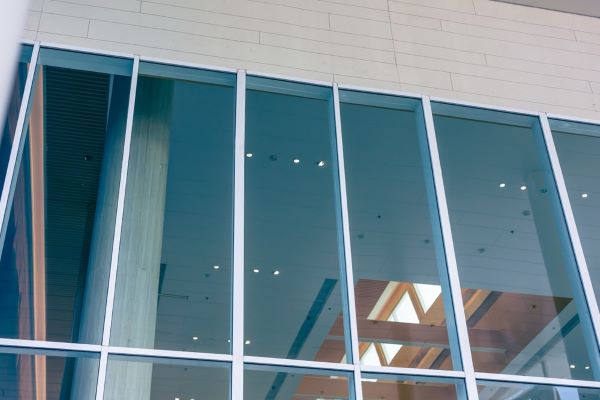
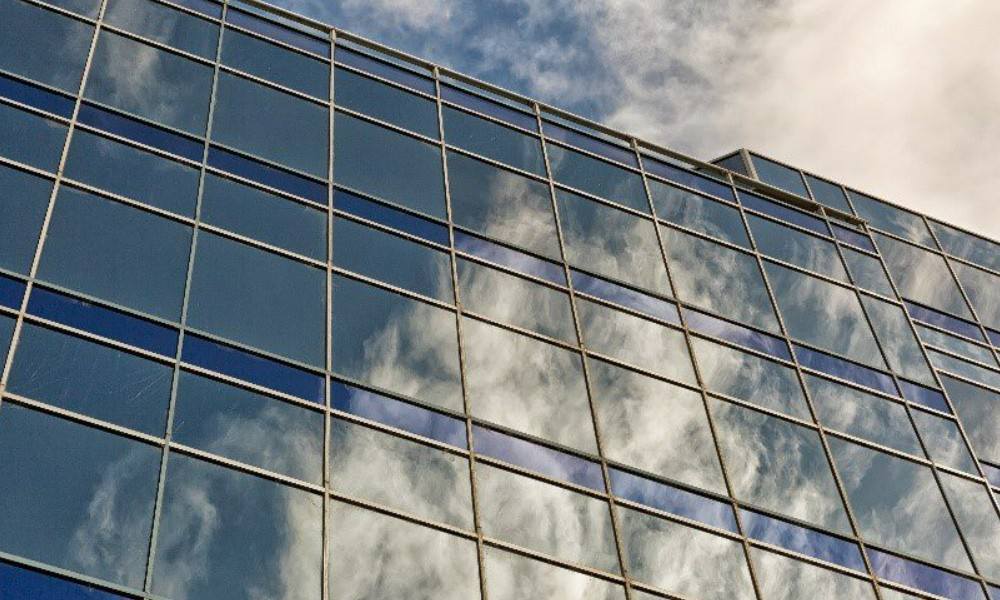
Curtain walls are non-structural exterior glass walls that maximize daylight and aesthetics, and façades are one of the main uses in office towers and airports. Structural elements in buildings may include transparent staircases and all-glass balconies. Skylights are designed to flood interior spaces with natural sunlight, while interior partitions can use transparent or switchable privacy glass walls. All of these glass systems can be specified as new construction or enhanced through retrofit films and architectural surface finishes.
Decorative and Custom Glass Options That Transform Interiors
Decorative architectural glass has become central to branding, wayfinding, and interior design across offices, hospitality, healthcare, and higher-ed projects since 2020. Designers now treat glass as a canvas, not just a barrier.
Decorative glass products span several categories. Patterned and fritted glass creates visual texture on conference room walls and reception areas. Etched glass provides elegant privacy for exam rooms and executive suites. Digitally printed glass uses inkjet technology for designs, enabling photo-quality murals on glass backsplashes in multifamily projects or branded feature walls in hotel lobbies. Antique mirror glass is popular in modern interior design, frequently specified for restaurants, bars, and boutique retail to add warmth and visual depth.
Custom glass solutions now commonly include films and graphics applied to existing partitions. Privacy bands, frosted gradients, branded wall graphics, and distraction markers can be added without replacing a single pane, making them ideal for home decor franchise owners focused on window and glass enhancements. Glass barn doors in loft apartments, specialty decorative glass feature walls in hotels, and back-painted glass accent panels in corporate lobbies are all achievable through custom options that layer decorative film over safety-rated glass to keep a space code-compliant while delivering the desired look.
Energy Efficiency, Comfort, and Safety: Performance-Driven Glass Solutions
Architectural glass controls heat, light, glare, acoustics, and security-and getting the balance right directly affects operating costs and occupant comfort. Architectural glass can reduce solar heat gain and improve daylight penetration simultaneously when the right coatings or films are specified. Low-E glass features microscopic metallic coatings that reflect infrared and ultraviolet light, keeping interiors cooler in summer and warmer in winter. High-performance glazing supports energy-efficiency targets in buildings across every climate zone.
For major renovations, vacuum insulating glass delivers R-values up to R-20, and aerogel-infused double-pane IGUs now achieve center-of-glass U-values as low as 0.13–0.16. But many existing buildings can reach similar comfort improvements with properly specified solar control films. A mid-rise office building in Dallas retrofitted with spectrally selective film saw its solar heat gain coefficient drop from 0.60 to 0.30 while visible light transmission stayed around 55 percent-and the estimated ROI came in under three years.
Safety remains a top priority. Security film and laminated glass protect retail storefronts against smash-and-grab incidents, and schools upgrading glazing after 2020 rely on impact-resistant laminates that do not require dark tinting. UV blocking protects furnishings and merchandise, glare reduction improves focus in open-plan offices, and thermal performance improvements eliminate hot and cold spots near windows. Architectural glass enhances occupant comfort and workspace usability while helping windows comply with updated local codes without full replacement. Smart glass systems are increasingly used in modern construction projects, offering dynamic control of privacy and light at the touch of a switch, and switchable smart glass film for offices and medical environments delivers that functionality without full glass replacement. Architectural glass can influence future building performance through energy optimization, and competitive differentiation in architectural glass relies on high-performance unique products.
How an Architectural Glass or Film Project Typically Works
Knowing what to expect removes uncertainty. Here is the typical process when you engage a local architectural glass solutions provider operating within a proven franchise business model in the window film industry.
Consultation and site assessment. A technician visits your site, measures existing glass systems, reviews sun exposure and glare patterns, and discusses privacy, security, and budget constraints.
Solution design and specification. The team matches architectural glass types, window film performance data, and decorative options to your goals. You receive samples, mockups, and-where useful-thermal performance modeling so you can compare options side by side.
Installation. For retrofit film projects, work is typically scheduled during off-hours to minimize disruption. A 10,000-square-foot office floor might take two to three nights. For replacement glazing, coordination with curtain wall framing and structural requirements is handled in advance.
Inspection and aftercare. A final walkthrough covers punch-list items, warranty documentation, maintenance guidelines, and recommended cleaning methods to avoid scratching coated glass or damaging film edges.
What Clients Should Know Before Choosing Architectural Glass Solutions
Choosing the right fit means evaluating more than price. Start by defining your performance goals: is the priority energy use reduction, safety, privacy, or aesthetics? A facility manager focused on cutting cooling costs has different needs than a designer pursuing a sleek, minimal-frame design vision with custom colors.
Learn to interpret key performance specs. U-value measures resistance to heat flow (lower is better). SHGC tells you how much solar heat passes through (lower means less heat gain, but cold-climate buildings may benefit from moderate SHGC). Visible light transmission indicates how much daylight enters. Compare these against local code compliance requirements adopted between 2021 and 2025.
Common mistakes include specifying dark tint where natural light is crucial, ignoring glare on screens, choosing non-safety glass where codes demand laminated or tempered glass, and selecting low-cost films without proper certifications. The architectural glass industry includes top architectural glass manufacturers and specialty fabricators-companies like Wagner, an industry leader in customizable architectural glass balustrade systems; American Insulated Glass, which offers insulated, laminated, and tempered glass products; Bendheim, which has supplied decorative architectural glass for four generations; and Glass + Metal Craft, with over 50 years of experience in custom glass systems-as well as franchise-driven custom window opportunities serving local markets. When evaluating glass companies and glazing contractors, ask about experience with similar commercial projects, certifications, sample installations nearby, and realistic timelines. Prioritize custom solutions that align with how the space is actually used.
Frequently Asked Questions About Architectural Glass Solutions
These are the questions we hear most from homeowners, architects, facility managers, and general contractors evaluating glass solutions, specialty glass, and films for 2026 projects.
What is the difference between architectural glass and standard window glass?
Standard single-pane window glass offers minimal insulation and no safety rating. Architectural glass is engineered with coatings, laminates, and fabricated glass configurations that deliver energy efficiency, impact resistance, UV blocking, and design flexibility. The difference shows up in both performance data and code compliance.
Can I upgrade my existing windows without replacing all the glass?
Yes. Window films, secondary glazing, and laminated overlays can dramatically improve thermal performance, security, and privacy on existing glass. These retrofit options are cost-effective for homes, offices, and retail spaces where full replacement is not practical or necessary.
How long do window films and decorative glass solutions typically last?
Quality architectural films last 10 to 20 years with proper installation and care. Properly specified glass-tempered, laminated, or insulated-lasts decades. Warranties from reputable manufacturers and installers commonly cover materials and labor for 10 to 15 years.
Will energy-efficient glass or film make my building look too dark?
Modern spectrally selective products reject infrared heat while transmitting 55 to 70 percent of visible light. A clear solar control film on a commercial project can cut cooling costs without noticeably reducing daylight or altering views.
What building codes or standards affect architectural glass choices?
Safety glazing standards, IECC 2024, ASHRAE 90.1-2022, and fire rated glazing requirements all influence specification, and many projects are delivered by top service franchises specializing in window films and surface treatments. Schools, healthcare facilities, and multi-family residential projects face additional requirements. Work with experienced glass experts who understand your local jurisdiction.
How do I budget for an architectural glass upgrade on a commercial project?
Cost depends on square footage, access conditions, type of glass or film, and scope-security versus decorative versus energy efficiency. Request a detailed, line-item quote with options so you can phase the project and prioritize the areas with the highest impact first.
Why Choose Our Team for Architectural Glass and Film Solutions
Our company specializes in window films, tinting, decorative graphics, architectural surface finishes, and smart glass solutions for both residential and commercial clients, capabilities that also underpin the CoolVu window film franchise opportunity for entrepreneurs. As a leading supplier of retrofit glass and surface technologies, we operate with low overhead and flexible scheduling-so your project gets done on your timeline, not ours, mirroring the advantages promoted in CoolVu’s best home-based franchise model.
Our expertise covers solar control and energy efficiency upgrades, security and safety films, privacy and decorative glass solutions, and surface refinishing that complements existing glass systems. Every project begins with an on-site assessment, detailed proposal, and samples before you commit. Our technicians are background-checked, manufacturer-trained, and familiar with local building types and climates.
Whether it is a medical office needing privacy film on interior partitions, a retail storefront requiring security upgrades, or a residential project focused on reducing energy use, we deliver high performance products paired with clear communication from the first estimate through the final walkthrough. We are a trusted partner for architects, contractors, and building owners who value quality, aesthetics, and results, supported by strong CoolVu franchise reviews from owners in the field.
Next Steps: How to Start Your Architectural Glass or Film Project
Moving from research to action is simpler than most clients expect, just as evaluating the best franchises to buy into across service industries becomes clearer with the right criteria. Projects can be phased and tailored to your budget and timeline-you do not need to commit to the entire building at once.
Start by requesting a site visit or uploading floor plans and photos for a preliminary review. Have approximate square footage, photos of existing glass systems, recent energy bills, and any security or privacy concerns ready. Pick one priority area-a sun-exposed façade, a high-visibility storefront, or a sensitive interior zone like a conference room or exam area-and build from there.
The perfect glass solution pays for itself in improved occupant comfort, safety, aesthetics, and long-term value for both homes and commercial spaces. Contact our team today to schedule a consultation and see what the right architectural glass solutions can do for your building.