Table of Contents
Why Architectural Security Solutions Franchises Are Surging in 2026
What Is an Architectural Security Solutions Franchise?
Market Demand in 2026: Why Architectural Security Solutions Are Booming
Core Services Offered by an Architectural Security Solutions Franchise
Investment, Franchise Fees, and Financing Options
Why Architectural Security Solutions Franchises Are Surging in 2026
Rising concerns about forced entry, smash-and-grab retail crime, and active shooter threats have pushed building owners to rethink how they protect people and property. At the same time, energy costs remain stubbornly high, and privacy expectations in healthcare and corporate environments continue to tighten. The result is a surge in market demand for solutions that address all three problems at once-without turning a building into an eyesore.
An architectural security solutions franchise blends physical security measures-security film, glass reinforcement, intrusion resistance-with design-friendly materials like window films, architectural finishes, and privacy glass. Instead of bulky bars or unsightly barriers, franchisees deliver protection that looks intentional and professional. Franchising in the security industry provides a proven business model and has high market demand, aligning with many of the core advantages of purchasing a franchise, making 2026 a compelling time to explore this path.
This model suits aspiring entrepreneurs seeking home-based business ownership with low overhead and strong B2B and B2C demand. In the sections ahead, you will learn about investment expectations, franchise fees, the franchise disclosure document review process, daily responsibilities, comprehensive training, financing options, and how to evaluate franchise opportunities in this space.
What Is an Architectural Security Solutions Franchise?
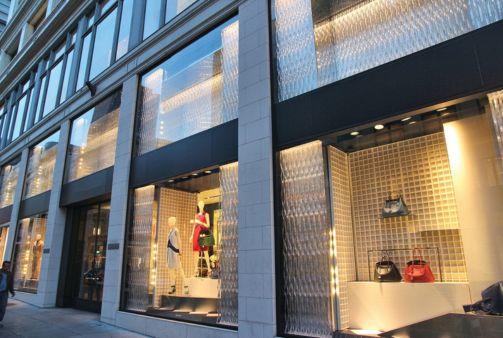
At its core, architectural security involves designing security measures into the physical structure of buildings-glass, doors, walls, and surfaces-rather than relying solely on electronic alarms or cameras. An architectural security solutions franchise specializes in reinforcing these building elements with security window film, safety glass overlays, privacy films, decorative graphics, and durable architectural surface finishes that harden a structure against break-ins and accidents while preserving its aesthetics.
This differs from a traditional security franchise that focuses mainly on alarm monitoring, camera installation, and access control hardware—areas often highlighted among top service franchises in the security and window film space. While those systems detect threats, architectural security aims to deter, detect, delay, and control unauthorized access at the physical layer. The two approaches complement each other, but the emphasis here is on the building envelope itself.
Typical services include installation of anti-shatter and forced-entry-delay films on storefront and lobby glass, privacy solutions for clinics and offices, branded decorative wall finishes, and durable resurfacing for doors, elevators, and counters—services that closely parallel starting a CoolVu window film franchise built around energy-saving and security-focused films. Architectural security solutions integrate physical safety and electronic access control into buildings, meaning many franchise teams work alongside alarm companies and integrators to create layered protection for their clients.
Market Demand in 2026: Why Architectural Security Solutions Are Booming
The numbers tell a clear story. The security solutions market is projected to reach $600 billion by 2030, driven by increased investment in building safety across schools, healthcare, retail, and government facilities. Within that broader market, the global architectural window films segment alone was valued at $3.82 billion in 2025 and is projected to reach $5.73 billion by 2034 at a CAGR of roughly 4.6%.
Several forces are accelerating demand right now. Post-2020 retail smash-and-grab incidents prompted chains to retrofit ground-floor glazing. School districts across the country-from Duval County, Florida (128,000+ square feet of security film across 15 campuses) to the Seneca Valley School District in Pennsylvania-have launched multi-year safety upgrade programs. And commercial building owners running through 2024–2026 retrofit cycles are prioritizing solutions that combine safety and energy efficiency in a single installation.
High demand for architectural security solutions is driven by increased investment in building safety, yet building owners increasingly reject solutions that compromise design, mirroring broader trends in the booming window and film industry franchise model. Security film, architectural finishes, and decorative privacy overlays deliver protection without the aesthetic penalty of metal bars or full glass replacement, which is why this niche continues to outpace general construction growth.
Core Services Offered by an Architectural Security Solutions Franchise
An architectural security solutions franchise typically offers a portfolio that spans four service categories. Here is what each involves and why clients need them.
Security and safety film. Polyester-based films applied to existing glass bind broken fragments together, resist impact, and delay forced entry-buying critical minutes during an intrusion attempt. When paired with structural attachment systems (silicone bead or mechanical frame anchoring), the filmed glass stays in the opening even after breakage. Projects range from school entry vestibules to retail storefronts and government lobbies.
Privacy and decorative films. Frosted, patterned, and branded films transform conference rooms, healthcare spaces, and residential bathrooms. They satisfy patient privacy expectations, reduce visual clutter in open offices, and deliver branded aesthetics for hospitality and retail-without permanent alterations to the glass, making them a natural fit with home decor franchise models focused on films and glass.
Architectural surface finishes. Durable vinyl resurfacing for doors, cabinets, walls, and elevators refreshes interiors while improving scratch and impact resistance. This service appeals to property managers looking to upgrade common areas at a fraction of the cost of demolition and reconstruction.
Smart and switchable films. Emerging smart films transition from clear to opaque on demand, bridging privacy, design, and modern security expectations. They serve high-end commercial, healthcare, and conference room clients and can impress clients with switchable smart glass film that delivers on both function and aesthetics.
Beyond these core offerings, the broader security industry includes complementary services. Access control includes electronic locks, keyless entry, and biometric systems. Companies like FlyLock offer access control systems with card reader technology, electrified lock selection for door security, and install and maintain surveillance cameras for security. FlyLock also integrates cloud-managed systems for modern security needs. While an architectural security solutions franchise focuses primarily on films and finishes, understanding this wider ecosystem helps franchisees position their services as part of a complete security strategy.
How Architectural Security Integrates with Access Control and Other Security Solutions
Layered security is the principle that no single measure is sufficient on its own. Architectural security integrates multiple layers of security measures to enhance overall safety-reinforced glass works alongside door hardware, access control, and surveillance to form a comprehensive defense.
Consider a typical school entry vestibule. An access control system manages who enters, cameras monitor the entrance, and security film on sidelites and glass doors prevents intruders from simply breaking the glass to reach card readers or door levers. Without the film, an attacker bypasses thousands of dollars in electronic security in seconds. Surveillance Secure franchises focus on video surveillance systems, while architectural security franchisees address the physical vulnerabilities that cameras alone cannot stop.
On commercial projects, franchise teams frequently collaborate with locksmiths, low-voltage contractors, and integrated security systems integrators. The franchise owner handles the glass and surface hardening; the integrator handles cameras, alarms, and access control systems. Together, they deliver a solution that deters, detects, delays, and denies entry. Even if a client already has cameras and alarms, architectural security solutions buy critical time, reduce injuries from flying glass, and preserve evidence by keeping broken panes intact.
Who Is the Ideal Franchise Owner for Architectural Security Solutions?
Industry experience is helpful but not required. What matters more is a commitment to excellence, a drive for sales, and the ability to build relationships. B2B sales in this space focus on relationships with commercial clients like contractors and property managers-people who value reliability and expertise over the lowest bid.
Typical franchise owners include former corporate professionals seeking business ownership, veterans and first responders drawn to mission-driven security work, project managers from construction, and design-minded entrepreneurs. Technical knowledge is necessary to specify security systems and ensure proper installations, but structured training programs bridge that gap quickly for new owners, much like the support and education outlined in seven key benefits of franchise ownership.
Key traits of successful franchisees include:
- Comfort with B2B selling to property managers, facility directors, school boards, and small business owners
- Willingness to learn the technical details of film grades, attachment systems, and surface applications
- Desire to deliver exceptional service and retain clients through long-term relationships
- Leadership skills to build a small team as the business scales
Franchise owners focus on long-term client relationships because repeat work-annual film upgrades, new locations, seasonal decorative projects-drives predictable revenue. Most systems operate as home-based operations with a small team at launch, making them appealing to owners who prefer low overhead and direct involvement in their local community.
Investment, Franchise Fees, and Financing Options
Actual numbers vary by brand and territory, but understanding the typical range helps prospective franchisees plan realistically. Here is what to expect.
Start-up investment components:
| Cost Component | Typical Range |
|---|---|
| Initial franchise fee | $40,000–$49,500 |
| Vehicle, tools, and installation equipment | $25,000–$60,000 |
| Launch marketing and local advertising | $10,000–$25,000 |
| Working capital (3–6 months) | $30,000–$75,000 |
| Total estimated investment | $150,000–$350,000+ |
| For comparison, Surveillance Secure franchise fees range from $45,000 to $90,000, with a total investment of $116,000 to $173,700 and a minimum net worth required of $150,000. Architectural security solutions franchises generally fall within a similar investment band, depending on territory size and equipment needs. | |
| Ongoing costs typically include royalties (4%–8% of gross sales), technology fees for CRM and scheduling tools, and optional marketing fund contributions (1%–4%). These recurring franchise fees support the established systems, brand marketing, and operational infrastructure you rely on. |
To understand earning potential, look at comparable security franchise data and consider guidance like whether buying a franchise is worth it. The average revenue for the top 20% of FlyLock franchises is $1,566,813, while the average unit volume for FlyLock franchises overall is $771,827. Your results will depend on territory size, effort, and the mix of residential versus commercial projects.
Territory evaluation is essential for estimating break-even timelines in franchising, so work with the franchisor to understand population density, commercial building stock, and competition in your target area while you build a realistic franchise investment budget and review broader insights from CoolVu’s franchise investment and funding blog.
Financing options many candidates explore in 2026 include SBA-backed loans (many franchise systems are SBA-eligible), retirement rollovers (ROBS), and in-house or third-party financing for part of the franchise fee and equipment. Reviewing the franchise disclosure document-especially Item 7 (estimated initial investment) and Item 19 (financial performance representations)-with a qualified advisor is essential before committing money to any franchise opportunity, and a solid grasp of key terms from a franchise dictionary will make those conversations far more productive.

From Inquiry to Opening Day: How the Franchise Process Works
The journey from first inquiry to your first paid project typically takes 60 to 120 days. Here is how the process unfolds.
It starts with an initial call with the franchise development team. This conversation confirms mutual fit-your background, goals, liquid capital, and whether the territory you want is available. There is no pressure; it is a two-way evaluation.
Next comes a deeper concept review where you learn unit economics, typical project types, and what a day in the life of a franchise owner actually looks like. This is where you start to see whether the business model aligns with your financial success goals.
You then receive the franchise disclosure document. U.S. law requires a mandatory 14-day review period before you can sign anything. Use this time to study every section-especially Items 5, 6, 7, 17, and 19-and consult a franchise attorney, applying the same rigor you would when reviewing criteria for selecting the best franchises to buy or guidance on the best franchises to own in 2025.
Validation calls with existing franchisees come next. Speaking with existing franchise owners about their real-world experience-ramp-up time, support quality, lead generation-is one of the most valuable steps in the entire process. Ask direct questions about what surprised them.
Discovery Day or a virtual leadership meeting lets you assess the culture, meet the team, and confirm that the franchise system values innovation and mutual support. Franchising supports local ownership while providing centralized brand expertise, and this is where you feel that dynamic firsthand.
Once you are confident, you sign the franchise agreement, pay the initial franchise fee, and schedule your training dates. Security contracting requires specific state or local operating licenses and liability insurance, so the franchisor will guide you through obtaining those credentials before launch.
After completing your comprehensive training program and pre-launch marketing, you begin conducting paid projects in your protected territory. Franchising reduces risks associated with starting a new business by giving you established systems, a proven model, and a network of franchise partners from day one, as you can see in a real-world example of a business franchise model. For reference, FlyLock has been franchising since 2015, demonstrating the long-term viability of franchise models in the security industry.
Training, Support, and Day-to-Day Responsibilities of a Franchise Owner
Technical training and support are essential due to complex security system integration. A strong franchisor delivers initial training that covers both technical execution and business operations, then follows up with ongoing support that evolves as your business grows.
Initial training typically includes:
- Hands-on installation of security film, decorative film, and architectural surface finishes
- Sales training for both residential and commercial clients, including proposal writing and objection handling
- Operations, pricing, quoting, and software usage
- Training in system commissioning and end-user system training so clients understand how their new solutions work
Franchisees receive comprehensive training in operations and technology, often through a combination of classroom instruction, field work, and digital learning. Some franchisors in the security industry, such as FlyLock, provide online classes for owners and technicians to keep skills current after initial training is complete.
Ongoing support structures include:
- Marketing assistance for online and printed materials, including SEO guidance, local ads, and social media content
- A dedicated regional sales manager who supports franchisees through territory development and key account strategy
- Access to technical specialists for complex glass and surface specifications
- A peer network of franchise owners sharing best practices through regular calls and annual conferences
Franchisors in the security industry provide training, marketing support, and operational systems that allow owners to focus on sales and customer experience rather than reinventing processes, echoing many of the advantages outlined when evaluating whether it’s a good idea to buy a franchise. Franchisees also typically gain access to established supplier networks for better pricing on materials, which directly improves margins and supports the kind of scalable growth highlighted in why CoolVu is a top franchise opportunity.
Typical daily responsibilities:
- Meeting with prospects such as property managers, school districts, or homeowners
- Conducting on-site glass and surface surveys and preparing detailed proposals
- Coordinating installation crews and performing quality checks
- Following up with clients to ensure exceptional service and secure repeat work
The most successful franchisees spend roughly 60% of their time on sales and relationship-building in the first year, with the balance split between project management and operations.
How to Evaluate Architectural Security Franchise Opportunities
Not all franchise opportunities are equal. Use these criteria to compare options and protect your investment:
- Product line depth. Does the franchise offer security film, solar control, decorative finishes, architectural surfaces, and smart film? A broader portfolio means more revenue streams and the ability to serve diverse customers.
- Training quality. Evaluate the comprehensive training program-length, format, hands-on components, and whether ongoing education is available.
- Territory protection. Understand how territories are defined (population, zip codes, or geography) and whether exclusivity is guaranteed.
- FDD transparency. Look for clear, detailed financial data in the franchise disclosure document. Vague or missing Item 19 data is a red flag.
- Installation standards and compliance. Compliance with safety regulations is critical for architectural security. Ask whether the system references ASTM standards (such as ASTM F3561-22 for forced-entry resistance) and carries manufacturer-backed warranties.
- Culture and franchise partner satisfaction. Speak with multiple existing franchise owners. Ask about ramp-up time, profitability, lead generation, and how responsive the support team is, using criteria similar to those in the best franchises to buy in 2025.
Work with a franchise attorney to review the franchise agreement and ensure you fully understand obligations, renewal terms, transfer restrictions, and exit options before signing.
Common Mistakes to Avoid When Starting a Security Solutions Franchise
- Underestimating working capital needs. Building a client base takes time-especially with institutional customers who have longer sales cycles. Plan for 6 to 12 months of operating expenses beyond your initial investment.
- Neglecting sales activity. New franchise owners sometimes over-focus on perfecting installations while ignoring the pipeline. Prioritize networking with local decision-makers-property managers, contractors, school boards-from week one.
- Skipping training refreshers. The security industry evolves with new products, standards, and cutting edge technology. Ignoring ongoing training leaves you behind competitors who offer the latest solutions.
- Competing only on price. Undercutting independent installers erodes your margins and your brand’s reputation. Emphasize quality, warranties, long-term protection, and the lasting value of proper specification and installation.
- Overlooking recurring revenue. Recurring revenue models in security involve ongoing service contracts and alarm monitoring. Service revenue in security franchises includes repairs, maintenance, and software support, which aligns with broader trends in industries most likely to franchise. Build these into your offerings early rather than chasing one-time project sales exclusively.
Set realistic growth milestones, track your marketing results, and lean on franchisor support early and often. The proven system exists to accelerate your success-use it.
Why Choose Our Architectural Security Solutions Franchise System
We built our franchise model around the idea that security, design, and energy performance should never be mutually exclusive. Our system is home-based with low fixed overhead, protected territories, and a portfolio that spans security film, privacy solutions, decorative graphics, smart switchable films, and architectural finishes for both residential and commercial projects.
We offer in-house financing options, a comprehensive training program designed for entrepreneurs who may be new to the security or construction industries, and marketing support that covers everything from local SEO strategy to branded print collateral. Our franchise partners are never left to figure things out alone-ongoing support from our operations and sales leadership teams ensures you have the tools to deliver exceptional service from your first project forward.
Our dedication to operational efficiency, rapid response times, and a commitment to excellence helps franchisees retain clients and win repeat work with schools, healthcare systems, retail chains, and professional offices. We are an established brand that values innovation-from surface solutions to smart glass-and we invest in keeping our franchise owners at the forefront of what customers need.
Whether you start as a solo operator or quickly scale to a multi-crew operation serving larger institutional clients, our franchise model gives you a clear, scalable pathway to financial success and meaningful community impact.
FAQs About Architectural Security Solutions Franchises
What is the difference between an architectural security solutions franchise and a traditional security franchise?
A traditional security franchise typically focuses on alarm systems, cameras, and access control hardware-detecting and alerting to threats. An architectural security solutions franchise specializes in reinforcing glass and surfaces with films and finishes that physically resist intrusion, reduce injury from broken glass, and preserve the building’s appearance. Many clients choose both types for complete, layered protection. The architectural approach is unique because it addresses the building envelope itself rather than relying solely on electronics.
Do I need prior industry experience to become a franchise owner?
Most franchise owners start without prior security or construction experience. Structured initial training, installation labs, ride-alongs, and ongoing field support prepare new owners for every aspect of the business. Attitude, sales focus, and genuine customer care matter far more than a technical background. Franchisees receive comprehensive training in operations and technology that bridges any knowledge gaps quickly.
How much can franchise owners earn with an architectural security business?
Earnings vary widely by territory size, effort, and the mix of residential versus commercial projects. As a benchmark, the average unit volume for FlyLock franchises is $771,827, while the top 20% average $1,566,813 in revenue. For any specific franchise you evaluate, review Item 19 of the franchise disclosure document for available financial performance data and speak directly with successful franchisees for realistic expectations about your entrepreneurial journey.
Is this a home-based franchise, or do I need a storefront?
Most architectural security solutions franchises operate as home-based businesses. You typically need a wrapped service vehicle, a small storage area for film inventory and tools, and cloud-based software for scheduling, quoting, and CRM. Skipping the storefront keeps overhead low and makes early profitability more attainable-putting more of your money toward growth rather than rent.
What does a typical week look like for a new franchise owner?
A balanced week includes prospecting and sales meetings (visiting property managers, school administrators, and local business owners), conducting on-site surveys and preparing estimates, managing one or two installations, and handling administrative tasks like invoicing and follow-up. In the first 6 to 12 months, pipeline-building activities should dominate your schedule. As your team grows and your network expands, you shift toward leadership, key accounts, and scaling operations.
Can I start part-time, or is full-time commitment required?
While some franchise owners ease in during the first few months-especially if transitioning from another career-the most successful franchisees treat the business as a full-time commitment early. In competitive metros where speed to market matters, a part-time approach risks losing ground to established competitors. Many franchisors expect full-time dedication within 90 days of launch.
Are there exclusive territories and ongoing support?
Most systems grant exclusive or protected territories defined by population, zip codes, or geographic boundaries. This means franchise owners are not competing against each other locally. Ongoing support typically includes marketing guidance, product updates, technical assistance, and a peer network of franchise owners offering mutual support and sharing best practices. This offering franchise opportunities with built-in protection is a key advantage over starting an independent security business from scratch.
Next Steps: Explore Architectural Security Franchise Opportunities
The architectural security solutions franchise model offers a rare intersection of growing market demand, design-forward services, and scalable business ownership. Whether you are drawn to the mission of protecting schools and healthcare facilities, excited by the design possibilities of decorative and smart films, or motivated by the financial opportunity of a proven franchise model, this industry rewards people who take action.
Your next step does not require a commitment-just a conversation. Reach out to learn about territory availability in your area, ask detailed questions about franchise fees, financing options, and the support structure, and see whether your background and local market are a fit.
Prepare a short list of questions before your first call: What does the comprehensive training program include? What financing options are available? How large is my protected territory? What do existing franchisees say about their experience? These questions will help you evaluate the unique opportunity clearly and confidently.
If you are ready to explore a security-focused path to business ownership that creates lasting value in your community, contact our franchise development team today. We will walk you through the process, share real numbers, and help you decide if this is the right move for your future.