Table of Contents
Why Commercial Glass Upgrades Are a Franchise Goldmine in 2026
The Commercial Glass Upgrade Market in 2026
Comparing Commercial Glass Upgrade Franchises to Traditional Glass Franchises
Inside the Business Model: How a Commercial Glass Upgrade Franchise Makes Money
Investment, Start-Up Timeline, and Risk Considerations
Why Commercial Glass Upgrades Are a Franchise Goldmine in 2026
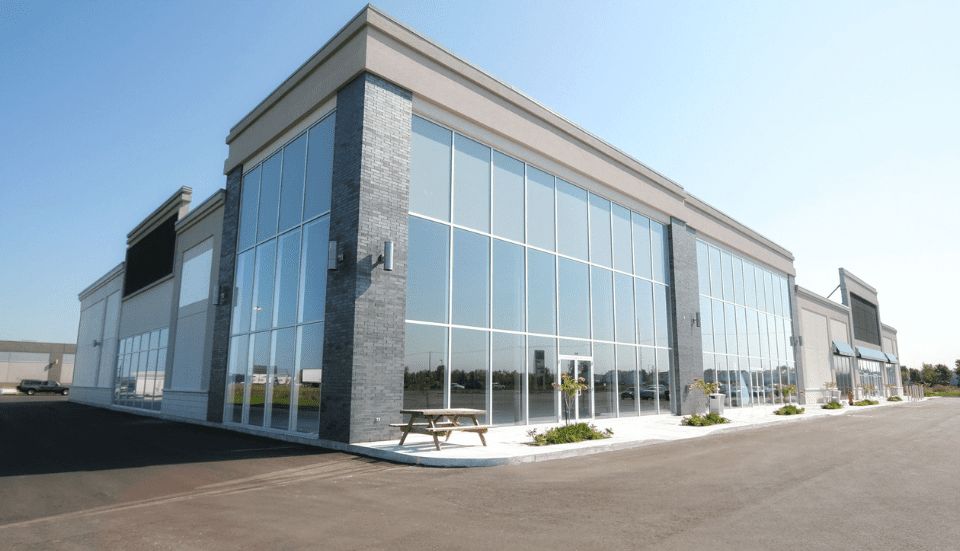
A commercial glass upgrade franchise is not about replacing broken panes. It is about transforming existing glass and surfaces with energy-saving window films, security coatings, privacy solutions, decorative graphics, and smart switchable films that turn buildings into higher-performing assets. While traditional glass franchise models revolve around repair and replacement services, this newer category focuses on enhancement, retrofitting aging facades and interiors without ripping anything out.
Consider a 1980s office tower in Phoenix with a massive curtain-wall facade baking in the afternoon sun. Rather than replacing thousands of square feet of glass, a commercial glass upgrade franchise owner installs high-performance solar control film that cuts cooling loads by 20–25%, drops tenant complaints about glare, and pays for itself within two to three years. That is the core pitch: upgrade, do not replace.
The 2026 market context makes this even more compelling. Stricter energy codes like ASHRAE and Title 24 are pushing building owners toward better envelope performance. Post-pandemic demand for occupant comfort, privacy, and security keeps growing. Commercial glass services include fixing storefront glass and upgrading office partitions, but the real momentum is in the upgrade side of the equation.
The Commercial Glass Upgrade Market in 2026
The global commercial window film market hit roughly $3.064 billion in 2025 and is growing at an 8.1% CAGR toward $5.64 billion by 2033. In the U.S. alone, the broader window film market earned about $3.354 billion in 2025 with a 6.1% annual growth rate. The glass industry is projected to grow significantly by 2030, with 2 million new homes expected alongside massive commercial renovation activity, supporting demand for top service franchises in window film and surface treatments.
This niche complements rather than competes with classic glass repair brands. Glass Doctor specializes in residential, commercial, and automotive glass services. The Glass Guru serves both residential and commercial customers and offers window restoration services at half the cost of full replacement. A commercial glass upgrade franchise sits alongside these established players but focuses on a different set of solutions: solar control films, UV and glare reduction, privacy glass alternatives, safety and security film, branded decorative glass, architectural surface wraps, and smart switchable films.
The potential for multiple revenue streams exists within commercial glass franchises. Recurring revenue comes from ongoing film upgrades, tenant improvement projects, and periodic renovations every 5–10 years, similar to what window tinting franchise models specializing in films and finishes are built around. Cutting edge tech like PDLC smart films and low-e retrofit films separates a surface-focused franchise from a generic glass franchise centered only on replacement services, and aligns closely with window tinting for businesses focused on energy savings and privacy.
Comparing Commercial Glass Upgrade Franchises to Traditional Glass Franchises
Picture two franchise owners side by side. One runs a traditional glass franchise, handling broken windows, shower enclosures, mirrors, and auto glass repair from a fully equipped fabrication shop. The other runs a surface and film-focused franchise from a home office, dispatching mobile crews to install energy films, decorative graphics, and architectural finishes on commercial markets.
Here is how they differ:
- Service focus: Repair and replacement versus upgrade and enhancement
- Typical jobs: Broken glass, in glass pet doors, and custom glass solutions versus window film installs, privacy bands, lobby wraps, and smart glass
- Equipment: Glass cutting tables, fabrication presses, large inventory versus a branded vehicle, hand tools, and film rolls
- Overhead: Warehouse or storefront versus home-based with mobile crews
- Margins: Glass replacement carries material-heavy costs; film installations often deliver better margins in the 40–60% gross range
The investment gap is significant. The Glass Doctor franchise initial investment ranges from $152,900 to $317,100. Glass Doctor has over 50 years of franchise experience. Franchise fees for The Glass Guru start at $17,600, and most locations of The Glass Guru require about $65,000 in liquid capital. American Mobile Glass Repair, which started in 2010 and expanded in 2012, has an initial franchise fee of $25,000 with estimated startup costs ranging from $37,450 to $90,700. American Mobile Glass Repair offers insulated and single pane glass replacement. Initial investments for a commercial glass franchise can exceed $300,000 when fabrication equipment and showrooms are involved.
Operational models for franchises can vary between needing a physical location or a mobile setup. A commercial glass upgrade franchise can coexist with local glass repair shops, often becoming their preferred partner for films and finishes rather than a direct competitor, and can resemble a home decor franchise centered on window films and smart glass.
Inside the Business Model: How a Commercial Glass Upgrade Franchise Makes Money
The core business model is home-based operations with a branded vehicle and a small installation team. Revenue comes from a B2B and B2C mix covering offices, retail, schools, healthcare, government facilities, and some residential work. Commercial glass businesses heavily rely on recurring B2B channels for revenue, and commercial glass franchises typically involve specialized B2B relationships with property managers, facility directors, and general contractors.
Main revenue streams include:
- Solar and energy-efficiency window films
- Security and anti-shatter films
- Privacy and decorative films for conference rooms, clinics, and storefronts
- Architectural surface finishes on doors, walls, cabinets, and fixtures
- Smart switchable glass films for high-end projects
A commercial glass upgrade franchise provides glass repair and replacement services as part of its broader offering, and franchise owners can offer emergency glass repair services when building owners need prompt service.
Example scenario: a franchise owner wins a contract to upgrade 50,000 square feet of office glass with solar film and privacy bands. At gross margins of 50–55%, the project generates strong profit, with follow-on work including lobby graphics and elevator wraps that create repeat business. Commercial glass upgrades can involve consuming significant working capital due to payment delays on larger contracts, so cash flow planning matters.
The auto option fits as an add-on. Some systems support automotive window tinting as an extra revenue channel, but the core focus stays on commercial and architectural work. As volume grows, owners scale from one crew to multiple teams, building a scalable business model where they work on the business rather than in it.
Who Makes a Strong Commercial Glass Upgrade Franchise Owner?
Prior experience in the glass industry or construction helps but is not required. Comprehensive training and a systemized installation process close the gap quickly. What matters more are these traits:
- Sales and relationship-building skills for working with property managers, contractors, and facility directors
- Comfort with technology like quoting software, CRM platforms, and digital marketing strategies
- Operational discipline and project management instincts
- A desire to build a team rather than work solo forever
- Community-minded networking in local markets
Ideal candidates follow the franchise playbook, leverage centralized marketing support, and invest in training their installers. Bad-fit owners seek completely passive income from day one, resist proven systems, or avoid sales activity. Many successful franchise owners come from sales, management, military, first responder, or corporate backgrounds. One example: a former facility manager in Dallas launched in 2024 and quickly built a recurring base of school and municipal projects by leveraging industry experience in building operations.
Understanding local market demand is critical for evaluating franchise opportunities. Specific licensing may be required for commercial glass operations based on local regulations, so candidates should research their state and county requirements early. Successful franchisee relationships can enhance market competitiveness for commercial glass businesses in any territory, and resources like a franchise evaluation and funding blog for glass and surface solutions can help structure that analysis.
Training, Support, and Technology: What You Actually Get

Franchisees receive comprehensive initial training covering business operations, typically one to two weeks at headquarters. This includes product knowledge, film and finish installation techniques, job costing, and the sales process. Franchisors can provide corporate training for business management instead of technical skills alone, and training support from franchisors typically includes operations and customer service education. American Mobile Glass Repair provides on-site training for franchisees. The Glass Guru offers a dedicated support team for franchisees. Franchisees can access certification programs for continuing education as products and techniques evolve.
Ongoing support includes marketing assistance and operational guidance through a dedicated franchise coach. Centralized marketing support is often provided by parent franchises, covering SEO, paid ads, lead nurturing, and review-building campaigns. Franchise owners receive operational playbooks to streamline startup processes from day one.
Franchisees can benefit from economies of scale through shared vendor networks, and franchises benefit from bulk purchasing power for materials and supplies. Technology tools include cloud-based CRM platforms, digital measurement and proposal software, and KPI dashboards showing leads, close rates, and job profitability.
Compared to what a Glass Doctor franchise owner or a Glass Guru franchise owner might receive, this model’s support is specifically tuned to window film and surface enhancement rather than full-glass fabrication.
Investment, Start-Up Timeline, and Risk Considerations
A home-based, mobile commercial glass upgrade franchise typically breaks down like this:
- Initial franchise fee: commonly $30,000–$60,000
- Vehicle, tools, and starter inventory: $30,000–$60,000
- Launch marketing budget: $5,000–$15,000
- Working capital for three to six months: $20,000–$50,000
Compare that to shop-based glass franchise models where investment can reach $300,000–$500,000 with fabrication equipment and showrooms.
Sample timeline from first inquiry to first revenue:
- Weeks 1–2: Discovery process and validation
- Weeks 3–6: Signing, financing, and scheduling training
- Weeks 7–10: Initial training programs and territory set-up
- Around 60–90 days: First revenue-generating projects
Risk factors include the need to actively sell and network, a learning curve on installation and project management, and local economic cycles impacting commercial renovation budgets. Operational complexities in commercial glass require effective logistics management, especially when juggling multiple job sites.
A franchise offers reduced risk through established systems instead of building from scratch. Franchise Disclosure Documents provide essential details like costs and operational requirements. Prospective franchise owners should read the franchise disclosure document carefully, speak to current franchisees, and understand royalty and marketing fee structures before committing, following a structured franchise purchase preparation checklist for discerning investors and weighing the broader advantages of purchasing a franchise for savvy investors.
How the Franchise Discovery and Onboarding Process Typically Works
The process typically follows four stages:
- Initial inquiry: Online form or phone call with a quick qualifications check covering liquid capital, territory interest, and goals.
- Deep-dive call: The franchise development team reviews territory availability, the business model, financial requirements, and your fit.
- Business review visit: Virtual or onsite meeting to see the training center, meet leadership, and review the technology stack.
- Agreement and launch plan: Finalize territory, set training dates, and outline a 90-day launch roadmap.
Serious candidates will receive the franchise disclosure document and should review it with a franchise attorney. Franchisees partner with established brands for market trust and recognition, so verify the brand’s registration in your state. Ask about market exclusivity, typical ramp-up time, and marketing expectations at every step when evaluating whether buying a franchise is worth it as an investment.
Frequently Asked Questions About Commercial Glass Upgrade Franchises
These are common questions from prospective franchise owners comparing glass franchise options, including brands like Glass Doctor, The Glass Guru, and other systems seeking to position themselves among top service franchises in the window and surface space.
Do I need previous experience in the glass or construction industry?
No. Prior experience is helpful but not required. Franchisees receive comprehensive training covering installation, sales, and operations. Comfort with sales, project coordination, and leadership matters more than technical glass knowledge.
How is a commercial glass upgrade franchise different from a traditional glass repair or replacement franchise?
The focus is on upgrades like window film, tinting, decorative graphics, architectural finishes, and smart glass rather than cutting and installing new glass or replacing broken panes. Glass Doctor and The Glass Guru handle glass repair, shower enclosures, mirrors, and window repair. This model centers on surface enhancement.
Can I run this business from home, or do I need a storefront?
Most commercial glass upgrade franchises operate from a home office with inventory stored in a garage or small storage unit. Mobile installation crews handle field work, keeping overhead far below what many glass franchise models require.
What does a typical day look like for franchise owners?
Morning team huddle, then site visits and estimates. Check in on active glass installations mid-day. Afternoon is for networking with property managers or contractors, reviewing KPIs, and planning marketing activity. Owners who stay ahead on sales consistently outperform.
How quickly can I expect to see revenue after opening?
Many owners land smaller projects within weeks if they follow the sales process. Larger commercial contracts involve longer sales cycles. No guarantees apply, but a disciplined approach to prospecting creates a steady stream of opportunities.
Is there an automotive auto option component to this franchise?
Some systems support automotive tinting as an add-on. It can generate extra revenue but requires different tools and sometimes separate licensing. The core focus remains residential and commercial architectural work for long term growth.
How do commercial glass upgrade franchises get customers?
Lead generation combines centralized digital marketing, local SEO, strategic partnerships with general contractors and architects, networking with facility managers, and referral programs that retain customers and drive repeat business.
Why Choose This Type of Surface and Glass Upgrade Franchise Over Other Business Options?
A commercial glass upgrade franchise is a smarter business option than starting an independent tint shop from scratch, joining a generic service franchise, or committing to a high-capital glass fabrication model, especially when you understand what a business franchise is and how it reduces risk. Here is why:
- High demand driven by energy efficiency mandates, security needs, and privacy requirements are not fads
- Multiple revenue streams across residential and commercial projects
- Home-based, lower-overhead operations versus traditional glass shops
- Proven business model with proven systems, marketing plans, and vendor relationships that shorten the learning curve and can support strong franchise owner salary potential in window film
- An environmentally friendly service that helps buildings reduce energy consumption
When evaluating alternatives like a Glass Doctor franchise, a Glass Guru franchise, or other glass franchise brands, match the model to your strengths. If you prefer consultative upgrades over hands-on repair, B2B relationships over retail foot traffic, and a mobile setup over a fabrication shop, then a commercial glass upgrade franchise is the franchise opportunity built for you.
Next Steps: Is a Commercial Glass Upgrade Franchise Right for You?
Reflect on your goals. Do you want a business that offers lifestyle flexibility, strong owner success potential, and community impact? Assess your fit with sales, leadership, and project-based work. Compare this model against other glass franchise and home-service franchise options, including home decor and window solutions franchises, to see where your strengths align.
Request detailed franchise information from the brand you are considering. Speak with current franchisees to hear real-world experiences. Schedule a discovery call to review territory availability and the business model in depth.
The commercial glass upgrade market is expanding through 2030 and beyond, powered by tightening energy codes, aging building stock, and growing demand for smarter surfaces. Joining now puts you ahead of the curve in a high demand industry with room to grow.