Table of Contents
Why an Energy Savings Window Film Franchise Makes Sense Now
Understanding Energy Saving Window Films and How They Cut Energy Costs
Main Energy-Efficient Window Film Types Your Franchise Will Offer
How Much Energy and Money Clients Can Save With Window Films
Why an Energy Savings Window Film Franchise Is a Strong Business Model in 2026
This article walks you from what energy saving window film actually does, through the types of films you would sell, realistic energy savings data, and into the franchise economics, support systems, and decision-making checklist. You will learn how much energy films block, what kind of financial benefits your clients can expect, and what makes a window film franchise attractive in 2026.
Why an Energy Savings Window Film Franchise Makes Sense Now
Electricity rates across the U.S. climbed again in 2025 and 2026, and summer heat waves in states like Texas, Arizona, and Florida pushed air conditioning systems to their limits. Commercial buildings and homeowners alike are searching for ways to reduce energy costs without gutting their budgets on full-scale renovations.
Energy saving window film addresses this demand directly. Applied to existing glass surfaces, these films can cut heating and cooling costs by 15–30% while preserving natural light and views. For property owners facing five-figure window replacement quotes, film offers a fast, non-disruptive alternative at a fraction of the price.
That creates a compelling opportunity for aspiring franchise owners. A home-based energy savings window film franchise lets you serve homeowners, offices, schools, and healthcare facilities with a low-overhead, service-based business. This article is written for entrepreneurs and side-hustle seekers who want to understand the real numbers, services, and support behind this model before making a decision.
Understanding Energy Saving Window Films and How They Cut Energy Costs
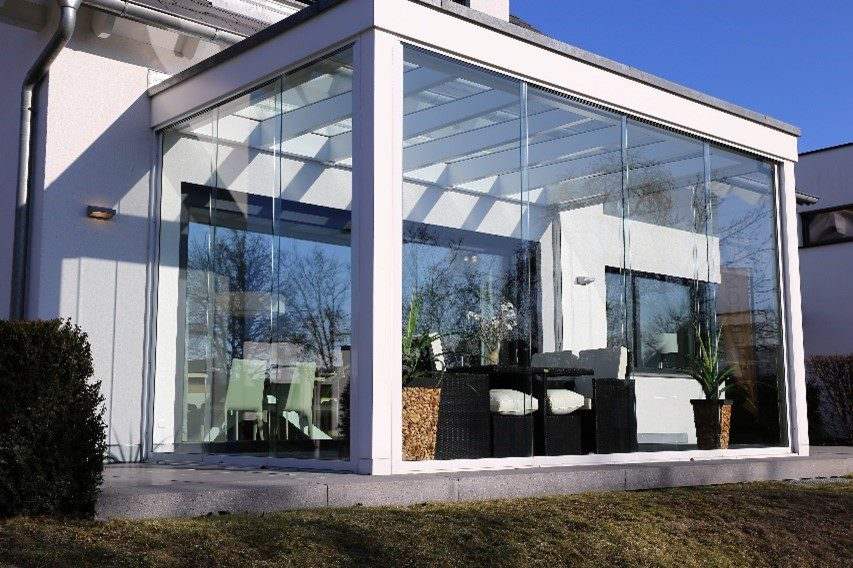
Window films are thin laminate layers-metallic, ceramic, or sputter-coated-applied directly to existing glass windows. They modify how solar energy passes through, creating an energy efficient window system without tearing anything out. Think of them as a performance upgrade for glass you already own.
Different films target different parts of the solar spectrum. Solar control window film blocks up to 80% of solar heat, while advanced ceramic and spectrally selective films reject infrared light aggressively but still allow natural light to pass through. Window tinting can block up to 80% of solar heat depending on the product grade. Nearly all architectural films block up to 99% of UV rays, protecting interiors from fading and occupants from harmful uv rays.
In practical terms, energy saving window films help buildings manage solar heat, glare, and insulation all at once. During summer, films reduce solar heat gain entering through glass, lowering the cooling load on hvac systems. Energy saving films can reduce HVAC run time by 20–30%, which directly translates to lower energy bills. During cold weather, low e films reduce heat loss through the glass, helping retain heat indoors.
Here is a quick example: a 2,000 sq. ft. home with large west-facing windows in a hot climate might spend $230 per month on summer electricity. After installing energy saving window film, that homeowner can expect a 20–25% drop, bringing the bill closer to $175–$190 depending on usage patterns and window orientation.
Main Energy-Efficient Window Film Types Your Franchise Will Offer
A strong franchise toolkit includes several categories of energy efficient window film to fit different climates, building types, and client priorities. These solutions align with the growing demand for window tinting for businesses that want year-round comfort and lower operating costs. Here is what you would carry and when to recommend each.
Solar control films are the workhorse for hot, sunny regions. They reduce heat gain, provide glare reduction, and minimize uv exposure at the glass surface. Sun control window film is ideal for south and west-facing exposures on residential and commercial buildings where direct sunlight drives up cooling costs.
Low e window film is designed for mixed and cold climates. Low-E films reflect indoor heat back into homes and can reflect up to 93% of heat back indoors, significantly reducing winter heat loss. They improve insulation for single pane window and double pane configurations alike, and can block up to 93% of solar heat gain during warmer months. Low e films enhance energy efficiency in mixed climates by working in both directions-keeping indoor heat in during winter and rejecting solar heat in summer. Insulating films like these enhance window performance in cold climates where heating costs dominate.
Ceramic and spectrally selective films represent the premium tier. Ceramic window film rejects 80% of infrared light while maintaining high visible light transmission, so rooms stay bright and comfortable. Ceramic window films block more than 99% of harmful uv rays, making them excellent for storefronts, museums, and homes with valuable furnishings. These advanced films are the right window film choice when preserving natural light is non-negotiable.
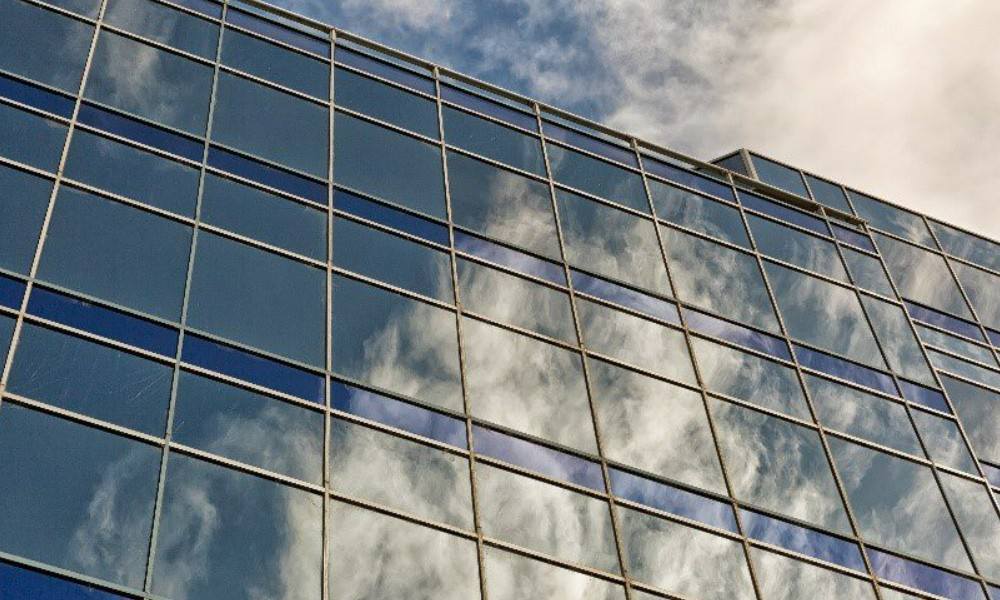
Reflective and dual-reflective films deliver maximum heat rejection and daytime privacy. Reflective films can block up to 78% of solar heat gain and are commonly used on large commercial facades, schools, and office towers where solar control and energy production efficiency are priorities.
How Much Energy and Money Clients Can Save With Window Films
As a franchise buyer, you need realistic expectations about energy savings-not marketing hype. The numbers are strong enough on their own.
Window film can reduce energy bills by 15 to 30 percent in cooling-dominated climates. Energy saving window films can reduce annual cooling and heating costs by 10% to 20% in more moderate regions. Up to 85% of solar heat gain can be rejected by high-performance films, and high-performance architectural films can reject up to 79% of solar heat gain on standard commercial glass. Window films can lower cooling and heating bills by up to 30% in buildings with significant untreated glass exposure, especially on west and south-facing windows where window orientation drives the highest loads.
Solar control films reduce indoor temperatures while retaining heat during winter months, making them effective year-round. Energy performance films can reduce HVAC cooling loads, leading to lower utility bills and less wear on air conditioning systems.
Residential example: A homeowner spending $230/month on summer cooling sees that drop to $175–$190 after a window film installation on exposed windows. Over a year, that is $500–$700 saved just on cooling costs.
Small office example: An 8,000–12,000 sq. ft. office suite with south and west glass exposure can save several thousand dollars per year in combined heating and cooling expenses after installing energy efficient window film.
Window film installations frequently pay for themselves in 2 to 5 years through lower utility bills. Energy saving window film pays for itself in 3 to 5 years in most residential settings, and energy saving window films can pay for themselves in 2–3 years in high-cooling-demand markets. Beyond utility savings, reducing strain on hvac systems extends equipment life and lowers maintenance and replacement costs for your clients.
Beyond Energy Savings: Benefits That Help You Sell Window Film Services
Energy savings open the door during a consultation, but these additional benefits often close the sale.
Glare reduction is a major selling point for home offices, classrooms, and open-plan commercial spaces. Window films can reduce glare by up to 95%, making computer screens and reading materials far easier on the eyes. Energy saving films help soften harsh sunlight indoors, and reduced glare improves visibility for reading and computer use throughout the day. Window films enhance comfort by balancing indoor lighting across entire rooms, and glare reduction boosts productivity in home offices where direct sunlight creates hot spots and screen washout.
UV protection goes beyond comfort. UV protection prevents furniture and flooring from fading, which matters to homeowners who have invested in hardwood floors, artwork, or leather furnishings. Commercial retailers use film to protect merchandise from uv exposure in storefront windows. Films block harmful uv rays across the full UVA and UVB spectrum.
Comfort and hot-spot elimination round out the pitch. Allowing natural light while blocking heat means fewer complaints about “that one conference room window that roasts everyone at 3 p.m.” Even indoor temperatures reduce thermostat battles and improve occupant satisfaction in commercial buildings.
Privacy and security add another layer. Security films and security window film keep glass fragments together on impact and make forced entry more difficult-a strong selling point for storefronts, schools, and healthcare facilities. These are not just add-ons; they are standalone revenue generators.
Why an Energy Savings Window Film Franchise Is a Strong Business Model in 2026
Rising utility costs, extreme weather events, and corporate sustainability mandates are converging to create sustained demand for energy efficient window solutions. Property owners are motivated to reduce solar heat gain regardless of broader economic conditions, and window film franchises tap into a booming market driven by sustainability and rising utility costs.
Window replacement is significantly more expensive than window film-often five to ten times the cost per window. Window film enhances existing windows at a fraction of replacement costs, making it the practical choice for budget-conscious homeowners, facilities managers, and commercial property owners chasing green building certifications. Many regional utility providers offer cash rebates for retrofitting buildings with solar control films, which shortens client payback periods and makes your sales conversations easier.
This franchise model is home-based with low fixed overhead. There is no large showroom to lease, film rolls occupy minimal warehouse or vehicle space compared to other retail goods, and you can launch with a single branded vehicle and basic installation equipment. Services span residential, commercial, educational, healthcare, and government buildings, which diversifies your revenue streams and reflects many of the advantages highlighted in top service franchises.
Follow-on revenue is built into the model. After an initial energy project, clients often return for decorative window films, privacy glass graphics, and architectural surface finishes. That layered approach increases lifetime customer value and keeps your schedule full between larger commercial bids.
Core Services Offered by an Energy Savings Window Film Franchise
Franchisees are not just installers-they are consultative solution providers for glass surfaces and surface enhancement. Here is what you would actually sell day to day.
Residential energy saving window films for houses, condos, and apartments. You help homeowners reduce cooling costs, save energy, block harmful uv rays, and protect interiors-all while preserving natural light. Typical projects address heat reduction on exposed windows and improving overall energy efficiency throughout the home and tap into the broader trend toward custom window opportunities that balance function with aesthetics.
Commercial energy efficient window film services for offices, retail, schools, and public buildings. The focus here is on controlling heat loads, lowering operating costs, and improving occupant comfort across large glass surfaces. Many architectural film franchises target multiple markets including residential and commercial sectors, and franchises specializing in energy saving window films focus on commercial contracting and environmental sustainability.
Specialty solutions expand your service menu. Security and safety films, privacy and frosted films, decorative glass graphics, and architectural surface wraps that mimic wood, stone, or metal all generate additional project revenue. Franchises can cross-sell services such as decorative glass films and automotive tinting, building multiple income streams from a single client relationship within a proven franchise business model in a booming industry.
Smart and switchable films represent the cutting edge. These films change opacity on demand, appealing to conference rooms needing instant privacy, medical facilities, and high-end residential applications. As this technology becomes more cost-effective, early adopters gain a competitive advantage.
Franchise Economics: Startup Costs, Pricing, and ROI
Serious candidates want hard numbers. Here is what the landscape looks like.
Startup investment for a single-unit energy savings window film franchise typically falls in the low-to-mid six-figure range, including franchise fee, vehicle branding, tools, initial marketing, and working capital. Exact figures depend on your territory and package selection, and resources that detail how to start a CoolVu window film franchise can help you understand specific investment ranges. Franchisees generally operate as low-overhead businesses from home offices or mobile operations, which keeps fixed costs manageable compared to retail-based franchises.
Revenue drivers break down across two main channels:
- Residential projects typically range from $750 to $5,000 depending on home size, film type, and number of windows treated. Window film installation costs between $750 and $5,000, giving you flexibility in how you price and package services.
- Commercial projects can range from a few thousand dollars to mid-five figures for large office buildings, schools, or healthcare facilities. Franchisees generate revenue from B2B channels and work with commercial property managers and businesses to land recurring contracts.
Window film has a gross profit margin profile typically ranging from 60% to 80%. Materials cost is relatively low as a percentage of project price-comparable franchises report cost of goods around 24%-leaving healthy room for labor, overhead, and profit. Franchises like Tint World offer a combination of residential and commercial window film services, and CoolVu’s home-based window tinting franchise follows a similar multi-market approach with additional surface solution revenue streams.
Committed owners who follow the marketing system and actively pursue both residential and B2B accounts typically see meaningful revenue within the first year. Many CoolVu franchise reviews highlight this combination of home-based flexibility, strong demand, and robust support. Full payback on the franchise investment often lands within a few years, depending on territory size, local energy costs, and sales effort.
How the Franchise System Supports You: Training, Territory, and Operations
Prior window tinting or construction experience is helpful but not required. Franchises provide training and brand support to reduce the trial-and-error period of starting independently, and CoolVu’s experienced leadership team has built a structured approach that gets new owners operational quickly.
Initial training covers installation techniques-window film installation requires precision to avoid bubbles and ensure quality-as well as film selection for different climates, energy analysis basics, sales methodology, and local marketing execution. You learn how much energy a specific building can save based on its glass type, exposure, and climate zone, following a clear roadmap on how to become a franchise owner with CoolVu.
Territory protection is a core feature. Many architectural and energy film franchises operate on a protected-territory model, giving you an exclusive or semi-exclusive geographic area with a defined population and commercial base to avoid internal competition, which is a key advantage when comparing franchise vs non-franchise paths in the window services industry.
Ongoing operational support includes quoting tools, proposal templates, and job-site problem-solving. Need help specifying film for a tricky curved glass facade or preparing a commercial bid? You get virtual or phone-based support from experienced operators who have handled similar projects, reflecting several of the key benefits of franchise ownership over going it alone.
Marketing assistance rounds out the system: branded assets, lead-generation campaigns, digital marketing guidance, and help positioning yourself as the local energy efficiency expert in window films. These resources echo the top things to consider when looking at a window tinting franchise, and you do not have to figure out messaging, SEO, or advertising strategy from scratch.
What to Look For Before You Commit to an Energy Savings Window Film Franchise
Not all franchises are equal. Before signing anything, do your homework.
Review the Franchise Disclosure Document (FDD) carefully. Focus on fees, territory rights, training obligations, ongoing royalties, and any financial performance representations. Prospective franchise owners should evaluate territory protection and supplier relationships to ensure they have access to the best window film products from reputable manufacturers.
Call existing franchisees. Ask about lead flow, the mix of residential versus commercial work, and how well the system supports larger energy projects. Find out how long it took them to reach positive cash flow and what they wish they had known before starting.
Assess the product catalog. Does the franchise offer modern energy efficient window film technologies-ceramic, low e window film, spectrally selective films-or only commodity tints? The best window film solutions require a range of options for different climates and building types, and real-world franchising examples in the window industry can help you see how diversified product lines support growth.
Evaluate how the franchise helps you talk about energy savings credibly. Consultative approaches involve assessing a building’s glass exposure and running energy-loss calculations, and professionals conduct thermal audits to demonstrate quantifiable payback periods to clients. Resources that explain what the best franchises to buy into look like often emphasize this kind of data-driven support. If the franchise does not train you on this consultative selling process, you will struggle to win commercial accounts.
Why Choose This Energy Savings Window Film Franchise Model
CoolVu focuses on glass and surface solutions with a strong emphasis on energy performance, comfort, and aesthetics. It is not a tint-only shop-it is a full-spectrum service business designed around improving energy efficiency and enhancing how buildings look and feel.
Key differentiators include home-based operations with low overhead, access to a broad portfolio of high quality films for energy savings, and the ability to serve both homeowners and commercial property managers from day one. This aligns closely with what many entrepreneurs seek in the best home-based franchise opportunities. You are not locked into a single revenue stream.
Training and support are built into the DNA. New owners get hands-on guidance with proposals, film selection, troubleshooting tricky installations, and preparing for larger commercial bids. You build confidence on residential projects and scale into commercial work as your skills grow.
Franchisees can layer in additional revenue streams-decorative graphics, architectural finishes, and smart glass-on top of core energy saving projects. This increases per-customer lifetime value and smooths out seasonal revenue fluctuations. Many of these topics are covered in depth within CoolVu’s franchise FAQs. The network operates as a collaborative community where owners share best practices, learn about new film technologies, and stay current on sustainability trends and local energy rebate programs.

FAQs About Energy Saving Window Film Franchises
How much energy can energy saving window films really save for my customers?
Based on independent testing and field results, well-selected films can typically reduce cooling energy use by 15–30% and heating losses through glass by 10–20%. The largest gains occur in buildings with big, sun-exposed windows on south and west facades. How much energy a specific project saves depends on glass type, climate, and hvac system efficiency.
Will energy efficient window film make rooms too dark or block natural light?
Modern ceramic and spectrally selective films are designed to let in high levels of visible light while blocking most infrared light and UV. Many projects maintain bright interiors with significantly lower glare and indoor heat. These are not the dark, mirror-like films of decades past-today’s advanced films reject solar heat while allowing natural light to fill the space.
Do I need prior construction or glazing experience to start this franchise?
Most new owners come from sales, management, or service backgrounds rather than glass trades. Hands-on training covers installation skills, and the system provides standard processes and support for complex jobs. You learn film selection, energy analysis, and customer consultation as part of the onboarding process.
How quickly can a window film franchise reach profitability?
Timelines vary by region, effort, and sales ability. Committed owners who follow the marketing plan and actively pursue residential and B2B accounts often see meaningful revenue within the first year and aim for full payback of their investment within a few years. Markets with high energy costs and strong commercial demand tend to accelerate this timeline.
Can I offer commercial energy efficient window film as a new franchisee, or is that advanced work?
Many franchisees start with residential projects to build installation skills and client confidence, then bid on small commercial jobs with franchise support. As experience grows, you move into larger office, institutional, and government projects. The system is designed to scale with you rather than hold you back.
What happens if a client asks, “How much energy will this specific project save?”
Franchisees use manufacturer performance data, past project examples, and-where available-utility rebate tools or third-party energy modeling to provide realistic, non-exaggerated estimates. You learn to assess window performance, glass window exposure, and local energy production costs to build credible proposals that help clients make confident decisions about their environmental benefits and financial benefits.
Call to Action: Take the Next Step Toward an Energy Savings Window Film Franchise
Energy saving window films solve real problems that are not going away-rising energy costs, extreme heat, glare, fading interiors, and building sustainability mandates. A CoolVu franchise gives you a scalable, home-based business model built around these growing demands.
Request an information packet, schedule a discovery call, or attend a virtual franchise overview session to learn how territories, training dates, and financing options work. Bring your questions about startup costs, territory availability, and how to sell energy efficiency to homeowners and commercial clients in your local market. The next step is a conversation-no commitment required.