Table of Contents
What Is a Franchise for Installers? (And How It Differs from Just Being a Subcontractor)
Who Is the Ideal Candidate for a CoolVu Installer Franchise?
Service Offerings: What an Installer Franchise Actually Sells Day-to-Day
The Initial Investment: What It Really Costs to Launch a Franchise for Installers
Training, Certification, and Hands-On Support for Installers
A franchise for installers is no longer a niche concept reserved for garage-floor-coating outfits or glass repair shops. In 2026, skilled tradespeople across the home improvement industry are rethinking the “one-van operation” model and choosing franchise-backed businesses that deliver consistent leads, brand recognition, and a clear path to scale. The global window film market alone was valued at approximately $11.4 billion in 2024 and is projected to reach $19.7 billion by 2034, driven by energy efficiency demand and building retrofit activity. That kind of growth creates real opportunity for installers who want to stop chasing word-of-mouth referrals and start owning a business with systems behind it.
The old model-picking up jobs from Craigslist, relying on a general contractor’s overflow, or hoping a neighbor tells a friend-is losing ground to digital lead generation, utility rebate programs, and rising home improvement needs among both homeowners and commercial property owners. Transitioning hands-on skills into a franchise business can scale income and leverage brand systems that would take years to build independently. CoolVu sits at the center of this shift: a home-based franchise in window film, tinting, decorative graphics, and architectural surface finishes that lets experienced installers own the brand instead of subcontracting under someone else’s name.
In this guide, you will learn how this business model works, what the initial investment looks like, what support you get, and whether the lifestyle fits your goals.
What Is a Franchise for Installers? (And How It Differs from Just Being a Subcontractor)
A franchise for installers is a structured arrangement where a skilled tradesperson purchases the rights to operate under an established brand, follows a proven business model and operations playbook, receives training and marketing support, and works within a protected territory. It is a middle path between full-blown entrepreneurship and subcontracting-giving the installer business ownership with guardrails that reduce the trial-and-error learning curve.
The distinction matters. An independent installer makes every decision alone: which products to carry, how to price, where to advertise. That freedom comes with volatility-unpredictable lead flow, no brand power, and the burden of building trust from zero with every new customer. A subcontractor working under other brands, such as big-box retailers or general contractors, often has steadier work but no local brand presence, no territory protection, and limited control over pricing or growth. Independent contractors in this position are essentially renting access to someone else’s pipeline.
A franchise owner, by contrast, operates as a local business owner under a recognized company name with support systems already in place. Think of the structures behind garage-floor-coating franchises, siding and repair franchises, glass repair operations, or window tinting chains. Franchising reduces risks associated with starting an independent business by providing tested operations, vendor relationships, and customer acquisition playbooks. CoolVu fits this category precisely: giving installers access to window film, security film, privacy and decorative graphics, and architectural surface services under one scalable brand. Renovation franchises include bath, kitchen, and flooring services, while home inspection franchises conduct over 150,000 inspections annually-the installer franchise space is broad, and CoolVu occupies a high-growth, low-overhead corner of it.
Who Is the Ideal Candidate for a CoolVu Installer Franchise?
The ideal candidate has hands on experience in a related trade-glazing, painting, automotive tinting, general construction, or remodeling-and a genuine interest in running their own operation rather than just showing up on someone else’s job site. But direct window film expertise is not mandatory. Many new franchise owners come from general home improvement backgrounds, project management, or sales roles where they developed the customer-facing and problem-solving skills that matter on residential and commercial properties.
CoolVu is actively seeking franchisees from specific groups: veterans receive a waived franchise fee, first responders get 50% off, and women and minority entrepreneurs may also qualify for discounts. The required liquid capital is approximately $50,000, making this accessible to a wider pool of prospective franchisees than many home improvement franchise opportunities that demand six-figure reserves.
Soft skills carry real weight here. You need to communicate clearly with homeowners during in-home consultations, handle B2B conversations with property managers or architects, solve field issues on the fly (adhesion problems, environmental conditions, substrate surprises), and eventually manage a small team. If you are comfortable both installing and selling, and you want to build a thriving business rather than remain a solo technician indefinitely, this franchise model is worth serious research.
The Initial Investment: What It Really Costs to Launch a Franchise for Installers
The total initial investment for many franchises in the home services space usually falls between $50,000 and $150,000, depending on the concept, territory, and equipment requirements. Many construction and home services franchises require specific foundational investments in equipment, branding, and working capital. For CoolVu specifically, the total investment range runs from approximately $63,000 to $111,000, with a franchise fee of $19,900. For context, franchise fees across the industry typically range from $5,000 to $72,000, and initial investment for siding franchises ranges from $40,000 to $80,000-so CoolVu falls within a moderate range that reflects its broader service offerings.
Common initial costs include franchise fees, equipment, and marketing. Here is how the main cost categories typically break down for a home-based installer franchise like CoolVu: the franchise fee covers your license and territory rights. Training and travel costs account for multi-day in-person sessions at a central facility. Tools and installation equipment include specialized squeegees, heat guns, digital cutters, ladders, and safety gear. Demo kits, samples, and branded materials help you close sales in the field. Franchises often require equipping and branding service vans and purchasing specialized tools, so vehicle wrapping and basic signage are part of the launch budget. Finally, working capital for the first three to six months covers fuel, insurance, marketing spend, and living expenses before consistent revenue kicks in.
Compared with many renovation or restoration franchises requiring showrooms or large warehouses, a CoolVu-style franchise is home-based with modest storage needs, which dramatically reduces overhead costs. Many installer franchisees launch within 60 to 120 days of signing because there is no retail buildout or commercial lease negotiation required. Before committing, always review the Franchise Disclosure Document-particularly Items 7, 11, and 19-and consult a franchise attorney or CPA who understands startup costs in this industry.
Service Offerings: What an Installer Franchise Actually Sells Day-to-Day
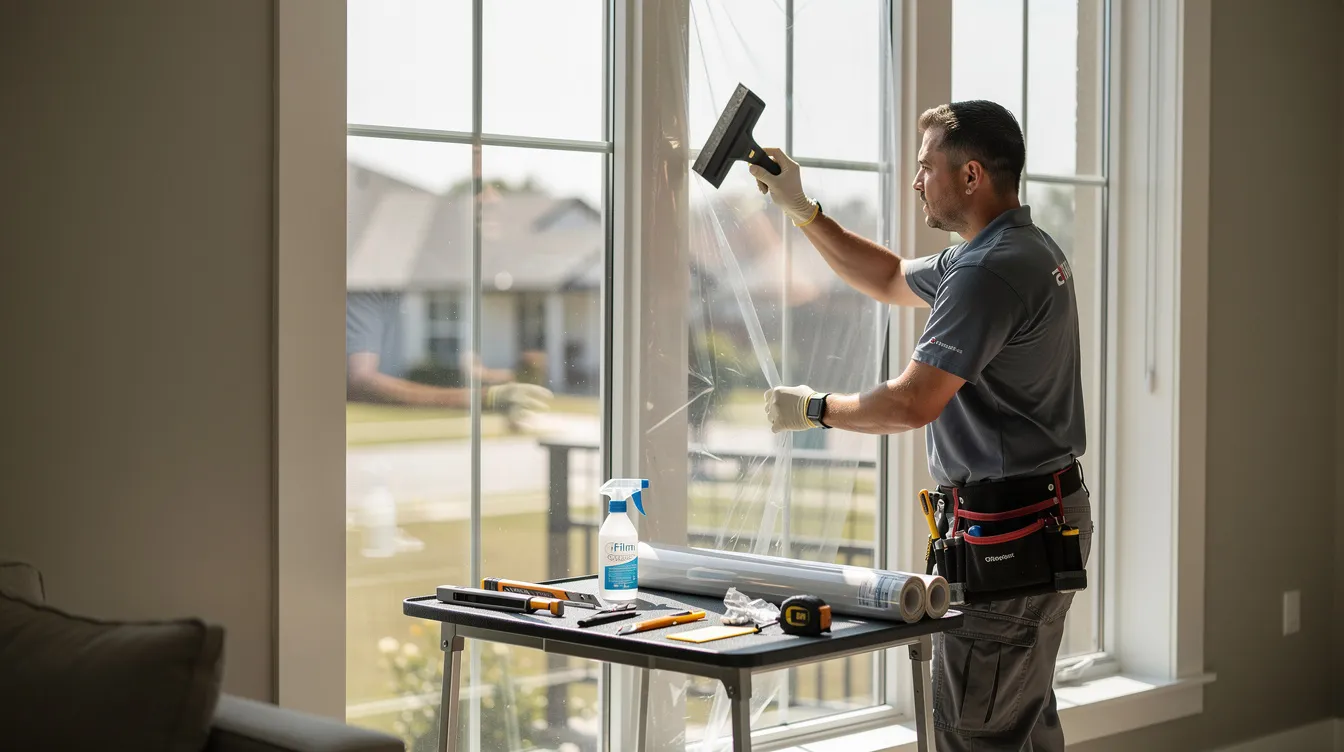
Successful installer franchises build multiple revenue streams rather than relying on a single job type. Models for franchises in the home services sector often focus on smaller, frequent projects, while niche franchises in home services offer focused, high-ticket services. CoolVu bridges both, giving franchise owners the ability to take a $400 residential tinting job in the morning and quote a $12,000 commercial security film project in the afternoon.
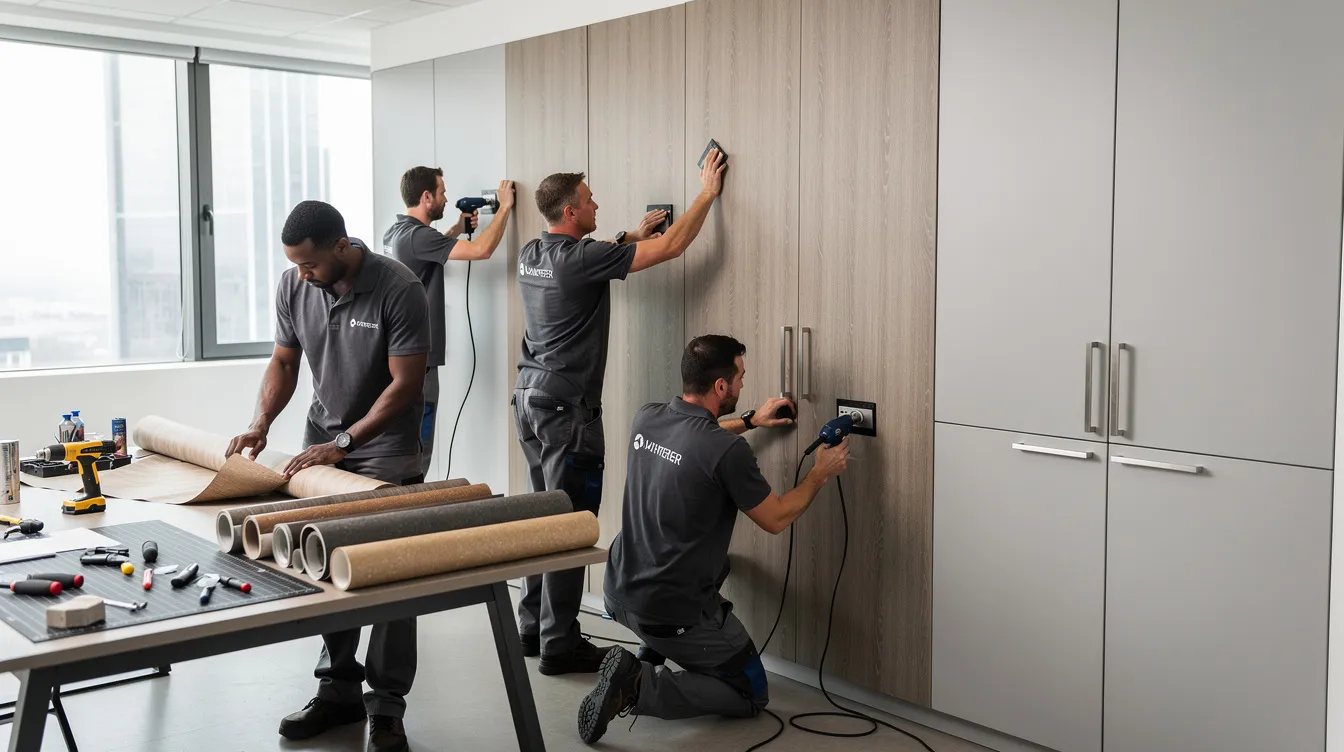
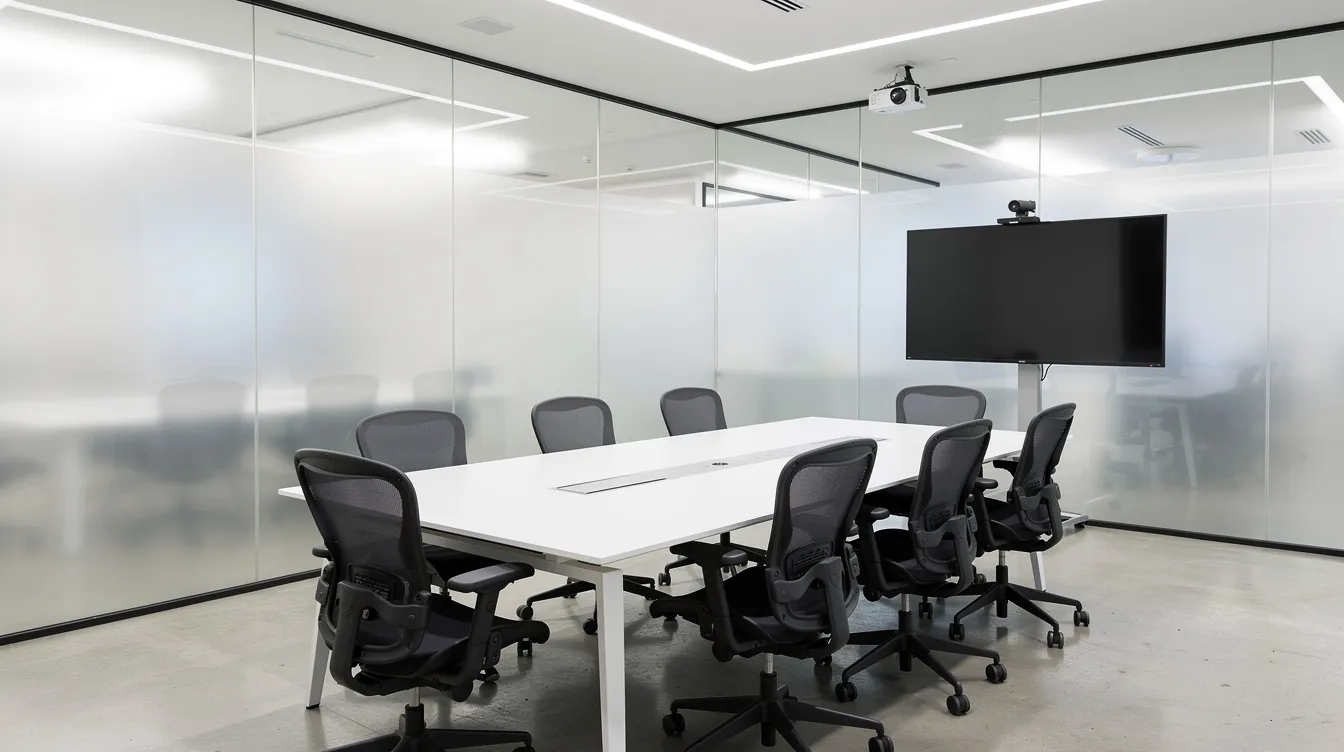
CoolVu’s service offerings span five core verticals. Residential and commercial window film and window tinting deliver energy efficient solutions for UV reduction, glare control, and heat rejection-sun control film alone accounts for roughly 38.6% of the global window film market by product share. Security and safety films protect glass in schools, offices, and storefronts from break-ins, blasts, and severe weather impacts. Privacy and decorative glass graphics serve offices, healthcare facilities, and homes that need visual separation without construction. Architectural surface finishes-think cabinet door overlays, wall panel wraps, elevator interiors, and furniture resurfacing-offer a cost-effective alternative to window replacement or full renovation. And smart switchable films, which turn glass from clear to opaque on demand, represent a premium product category with higher margins and repeat business from commercial clients.
These services align directly with broader home improvement needs: cutting energy bills, improving comfort, adding privacy, upgrading dated interiors, and boosting curb appeal without tearing anything out. A franchise for installers that can combine B2C work for homeowners with B2B contracts for property managers, retail chains, architects, and government institutions creates smoother revenue across seasons and reduces the feast-or-famine cycle that plagues many independent operators.
Franchise vs. Independent Installer: Control, Risk, and Earning Potential
The franchise-versus-independent question is one every installer must answer honestly. Independent work offers full autonomy-you pick your products, set your prices, and answer to no one. But that autonomy comes with challenges: unpredictable lead flow, no brand recognition in new neighborhoods, and the cost of building every system from scratch. Annual profits for siding franchises vary based on location and demand, and the same principle applies across all installer categories. The ceiling for an independent is real unless you invest heavily in marketing and operations on your own.
A franchise delivers tools that compress that timeline. Franchises offer established brand recognition to franchisees, which means a homeowner searching online sees a professional website, verified reviews, and a name they may already recognize. Proven pricing and proposal systems help you close faster and protect your margins. Some franchise networks also offer national accounts and lead-sharing, giving franchisees access to commercial projects they would never land solo. Structured customer service and follow-up programs create repeat business without the owner manually tracking every past client.
The myth that franchises always cost more to run does not hold up when you look at the numbers. Strong installation quality, backed by manufacturer warranties and franchise guarantees, reduces callbacks and increases average ticket value. One industry example: top-performing franchisees in comparable window film and coating networks have reported net sales exceeding $1,000,000-numbers that very few solo operators reach. A former independent tinter who joins a franchise with multiple service lines, competitive pricing guidance, and lead generation support can realistically see close rates and average job sizes climb within the first year, even accounting for royalties and franchise fees.
Training, Certification, and Hands-On Support for Installers
CoolVu provides complete training through an intensive initial training program covering technical installation on film and surface products, sales methodology, estimating, and operations management. Franchisors provide comprehensive training programs for franchisees, and CoolVu’s structure includes approximately four days of in-person instruction at a central facility. Franchisees can expect initial training to last several weeks when you include pre-work, travel, and post-training supervised projects. Training includes marketing strategies and customer service best practices so that new owners are equipped for both field execution and business development from day one.
Certification covers glass and window film installation best practices, including surface cleaning, squeegee technique, and managing temperature and humidity for proper adhesion. Ladder and lift safety, OSHA-aligned jobsite basics, and surface preparation for architectural finishes round out the technical curriculum. Franchisors also offer access to operations manuals and computer systems that standardize how jobs are quoted, tracked, and invoiced across franchise locations.
Ongoing support is where franchise ownership separates from a one-time training course. Franchisees receive ongoing operational support from franchisors through field visits, webinars, product launch education, and access to a technical support team for complex projects. CoolVu provides ongoing training, ongoing technical assistance, and design and fabrication support that keeps franchisees current as new products-like next-generation smart films-hit the market. A lack of previous window film experience is not a deal-breaker; hands on experience in related trades accelerates learning, and the comprehensive training fills in the gaps.
Marketing, Lead Generation, and Territory Protection
Digital marketing has fundamentally changed how installer-based franchises acquire customers. Franchising provides access to established marketing systems that generate leads without the franchisee building everything from scratch. Franchisees benefit from national advertising conducted by franchisors, which builds brand awareness that local operators can leverage in their territories.
CoolVu franchisees receive marketing support that includes an SEO-optimized local website and landing pages, Google Business Profile setup assistance, paid search and social media advertising templates, and review and reputation management guidance. This is a significant advantage over the independent installer who is left to figure out local advertising, content creation, and online reputation on their own.
Protected territories are a core feature of the CoolVu franchise model. Each franchise agreement defines a geographic area-typically by ZIP codes or metro population-where only one franchisee operates, reducing direct internal competition. This territory protection gives the business owner confidence that their marketing spend and relationship-building efforts are not undercut by another CoolVu installer across town.
Local relationship-building remains essential. Networking with general contractors, interior designers, property managers, and energy auditors generates recurring installation referrals that sustain the business through slower seasons. A new franchisee should realistically expect lead flow to begin building within the first 90 days after launch, with momentum increasing as online presence matures and local referral networks take hold.
Home-Based Operations and Daily Workflow for Installer Franchise Owners
A typical day for a home-based franchise owner-operator starts with reviewing the schedule and loading materials into a branded service van. Morning hours might include an on-site estimate for a commercial property manager, followed by a residential window film installation over midday, then invoicing and next-day prep from a home office in the afternoon. The workflow is predictable compared with restoration franchises that operate after catastrophic events like floods, where emergency calls dominate nights and weekends.
Not needing a retail showroom keeps fixed costs low. Film rolls, cutting tools, ladders, squeegees, architectural wraps, and demo boards fit in a garage or small climate-controlled storage unit. This lean structure means more of each dollar earned flows to the bottom line rather than to a landlord. Many franchises in other segments require storefronts or large warehouses that add $2,000 to $5,000 per month in rent before a single job is sold.
Over time, owners gradually build small crews or subcontractor relationships while maintaining a scalable structure. The first hire-even a part-time helper-frees the owner to focus on estimates, sales, and client relationships instead of handling every squeegee stroke personally. The lifestyle benefits are tangible: fewer late-night emergencies, predictable scheduling, and the ability to balance fieldwork with family life.
Common Mistakes Installers Make When Going Franchise (And How to Avoid Them)
The first and most common mistake is underestimating initial marketing spend. Even with franchisor-provided templates and digital assets, local campaigns require budget-Google Ads, boosted social posts, and community sponsorships. Franchisees who underfund marketing in the first six months often see weak lead flow and blame the franchise model when the real issue is visibility. Allocate funds beyond what feels comfortable in months one through six; it pays back quickly once reviews and referrals compound.
Staying too hands-on in the field is the second trap. Many installers love the craft so much they resist stepping back to sell, network, or manage. Successful franchise owners prioritize operational systems and recruiting skilled labor early. Even one helper can double your installation capacity, freeing you to close the next job. Not using the CRM and job-tracking systems the franchisor provides is a related pitfall. Many installation franchises include customer relationship management systems to improve efficiency, and ignoring them leads to lost leads, delayed invoicing, and inconsistent follow-up that kills repeat business.
Ignoring the franchisor’s pricing guidance is another costly error. Independent installers often undercharge to win jobs, but a franchise with consistent quality, warranties, and brand backing can command higher prices. Between 2023 and 2025, rising energy prices made customers more price-sensitive but simultaneously more willing to invest when return on investment was clearly demonstrated. Franchisees who positioned energy savings, utility rebates, and long-term comfort saw stronger close rates than those pitching aesthetics alone. Failing to hire early and failing to adapt service offerings to growing demand for security film, smart film, and surface finishes are the remaining mistakes that keep otherwise talented installers from building successful businesses.
How a Franchise for Installers Fits Today’s Home Improvement and Energy-Efficiency Trends
Homeowners in 2025 and 2026 are prioritizing energy efficiency, comfort, and sustainable upgrades over full tear-outs. Commercial buildings are upgrading for glare control, privacy, and security without replacing entire glass façades. Window film and architectural surface finishes sit squarely in this sweet spot: they reduce HVAC loads, extend the life of existing glass and surfaces, and support green building objectives at a fraction of the cost of full replacement.
The numbers back this up. Commercial buildings that install solar control or insulating window films can realize 5 to 15 percent reductions in total energy consumption, with payback periods of two to five years depending on climate zone and building usage. North America holds roughly 34.8 percent of the global window film market, driven by building-code enforcement, utility rebates, and aging building stock that makes retrofits cost-effective. Siding installation franchises hold a 15.0% revenue share in the U.S. market, and landscaping franchises enhance curb appeal through exterior work-but window film and surface enhancement sit in a growing demand category that overlaps with energy, safety, and aesthetics simultaneously.
Consider a concrete example: a 1980s office building with large single-pane windows upgrades with solar control and safety films instead of replacing all the glass. The property owner saves on materials, labor, and downtime while improving tenant comfort and lowering cooling costs. Adjacent segments-floor coatings, siding, roofing, glass repairs-are complementary rather than competing, and CoolVu franchisees can build referral partnerships with these service providers to capture a larger share of every property’s improvement budget.
Time Commitment, Growth Path, and Exit Options for Installer Franchisees
In the first year, expect 40 to 50 hours per week. You will likely handle sales, estimates, installations, and administration yourself, with perhaps one helper. This is normal for any new business, and the intensity is front-loaded. By year two or three, as revenue stabilizes and you hire crew members, your role shifts toward 20 to 30 hours of management, business development, and quality oversight while your team handles the fieldwork.
Common growth paths include scaling within a single territory by adding crews and vehicles, acquiring adjacent territories if the franchisor allows expansion, and moving from owner-operator to general manager. Some franchise owners build to three or four crews within five years, creating a profitable business that generates revenue whether they are personally on a ladder or not.
Long-term exit options give this model real asset value. You can sell the franchise territory to another qualified buyer, transfer ownership to a family member or partner, or step back into semi-passive ownership with a local manager running daily operations. Unlike an independent installer whose business value disappears when they stop showing up, a franchise with systems, customer databases, recurring accounts, and brand equity is something you can build and one day sell. Owning a franchise means owning an asset, not just a job.
Regulations, Licensing, and Insurance Installers Must Understand
Franchisees must follow local laws and regulations that govern installation work. Construction or contractor licenses may be required for franchisees in many states, and some jurisdictions classify window film and architectural finishes under glazing, specialty contractor, or general home improvement licensing. Licensing requirements vary by location and franchise type, so franchisees should research state-specific certification requirements before launch.
Necessary insurance includes general liability coverage for customer property damage and bodily injury, workers’ compensation for any crew members, commercial auto insurance for service vehicles, and possibly umbrella policies for large commercial or government projects. Compliance with regulations enhances credibility and customer trust-clients, especially commercial ones, want to see proof of proper licensing and adequate coverage before approving any work.
The franchisor’s role is to provide guidance, example licensing checklists, recommended insurance providers, and sample contracts. However, final responsibility rests with the franchise owner to verify compliance locally. Compared with navigating all of this alone as an independent installer, having a franchisor’s playbook and network of experienced peers makes the regulatory side far more manageable.
Why Choose CoolVu Over Other Franchise Opportunities for Installers?
When you compare CoolVu to typical franchise opportunities in the home improvement space-siding, glass repair, floor coatings, handyman repairs-several differences stand out. CoolVu’s total investment and home-based model create significantly lower overhead costs than franchises requiring showrooms or dedicated workshop bays. For comparison, some competitor window film franchise networks require initial investments of $200,000 to over $1 million, while other tinting franchises start at $230,000 or more with fixed-location requirements.
CoolVu’s combined focus on window film, security film, privacy solutions, decorative graphics, and architectural surfaces under one brand is unusual. Most competitors specialize in one or two of these verticals. Access to smart switchable film technology-a high demand product category that many local competitors cannot source or install-adds another differentiator. In-house financing options for qualified candidates reduce the barrier to entry further, and protected territories ensure that your marketing investment builds equity in your area alone.
The dual B2B and B2C revenue mix is a strategic advantage. Serving residential homeowners gives you steady volume. Commercial property owners, retail chains, healthcare facilities, and government institutions bring larger contracts. This balance smooths revenue seasonality and builds a market position that is difficult for a solo service provider to replicate. CoolVu is actively seeking franchisees who want to leverage this breadth, and the franchise model rewards expertise across all five service verticals with higher average ticket values and stronger customer retention.
FAQs About Franchise Opportunities for Installers
Do I need previous window film or tinting experience to own a CoolVu franchise?
No. While hands on experience in a related trade accelerates your learning curve, CoolVu’s comprehensive training program covers technical installation, sales, and operations from the ground up. Many franchise owners come from painting, general contracting, or project management backgrounds.
What is the typical initial investment and how fast can I launch?
The total investment for a CoolVu franchise ranges from approximately $63,000 to $111,000, including the $19,900 franchise fee, equipment, training, and working capital. Most franchisees launch within 60 to 120 days of signing the franchise agreement.
Can I keep doing some independent installation work while building my franchise?
This depends on the terms of your franchise agreement and whether outside work creates a conflict of interest. Discuss this directly with CoolVu during your discovery call to understand any restrictions and how to transition your existing client base.
How big is my territory, and can other CoolVu installers compete in my area?
Territories are defined geographically-typically by ZIP codes or metro population. Only one CoolVu franchisee operates within each territory, so you are not competing against other franchise locations for local customers.
What kind of support do I get after the initial training?
CoolVu provides ongoing support including field visits, webinars, product launch education, ongoing technical assistance, design and fabrication help, and sales and performance coaching. You also have access to a support team for complex or unusual projects.
How soon do most franchisees complete their first paying installation?
Many franchisees complete their first paying job within 60 to 90 days of signing, depending on how quickly they finish training and begin local marketing. The home-based model eliminates buildout delays common with storefront franchises.
Can I start as an owner-operator and later hire a manager?
Absolutely. Most CoolVu owners start by handling installations and sales themselves, then gradually hire crew members and eventually a local manager as revenue grows. This is one of the primary growth paths in the franchise.
How does CoolVu help with commercial projects and national accounts?
CoolVu provides guidance on quoting, specifications, and compliance for commercial work. The brand’s reputation and quality materials help franchisees win projects in healthcare, retail, education, and government that would be difficult to land as an unknown independent.
Conclusion: Is a Franchise for Installers Your Next Step in Home Improvement?
The case for a franchise for installers comes down to a simple question: do you want to keep trading hours for dollars as a solo operator, or do you want to build a scalable asset within a proven system? CoolVu offers brand backing, diversified service offerings, and structured support that help trade pros transition from “installer” to business owner-without requiring a massive upfront investment or a commercial lease.
The decision is about more than startup costs. It is about positioning yourself inside a market with strong tailwinds: rising energy costs driving high demand for window film, commercial security concerns fueling safety film adoption, and a growing preference for sustainable surface enhancement over costly full replacements. The future of this industry favors installers who combine technical expertise with business systems. Whether you stay independent or scale through a franchise model like CoolVu, make that choice deliberately-and with full information.
Call to Action: Explore CoolVu’s Franchise for Installers
Ready to take the next step? Download CoolVu’s current Franchise Information Kit or request the latest Franchise Disclosure Document after a brief introductory call. Schedule a 20 to 30 minute discovery call to review territory availability in your city or region and discuss how your background and financial readiness align with the opportunity. Experienced installers, tradespeople, and motivated newcomers can complete a short online inquiry form to get the conversation started. CoolVu can walk you through financing options, upcoming training dates, and a realistic launch timeline-giving you a clear path from installer to franchise owner.