Table of Contents
What “No Real Estate Required” Really Means
How Franchise Investments Usually Work (Even Without a Storefront)
Types of Franchises With No Real Estate Required
Business Model Basics: How “No Real Estate” Franchises Make Money
Real-World Examples of Low-Overhead, No-Storefront Franchise Opportunities
What “No Real Estate Required” Really Means
You cannot start a serious franchise with literally zero money. But you can launch a franchise with little capital by choosing concepts that require no commercial real estate, and that single decision can significantly reduce your total investment by six figures or more. The average franchise requires $250,000 in total investment when you factor in lease build-outs, tenant improvements, and fixtures. Franchises without real estate investments are often home-based or mobile, letting you skip the biggest line item on most startup budgets entirely.
When we say “franchise with no real estate required,” we mean no storefront build-out, no long-term commercial lease, and no major tenant improvements. You still run a fully professional business, just from a home office, a branded vehicle, or a combination of both. Home-based franchises eliminate rent and utility costs that can drain $3,000 to $10,000 per month before you serve your first customer.
CoolVu is a concrete example of this model in action. As a home-based window tinting and surface enhancement franchise in the home and commercial surface enhancement space, CoolVu franchisees deliver window film, tinting, decorative graphics, and architectural finishes at client locations. The total investment ranges from $68,000 to $108,000, with no retail showroom required. This article covers how the business model works, typical investment ranges, financing options, due diligence steps including reading the franchise disclosure document, and how to evaluate franchise opportunities that skip real estate altogether.

How Franchise Investments Usually Work (Even Without a Storefront)
Even “no real estate” franchises follow the standard franchise model: an upfront franchise fee plus startup costs plus ongoing royalties and marketing fees. Franchises often provide a proven business model that reduces risk, but that model still carries costs. Understanding exactly where your money goes is the first step toward making informed decisions.
Here are the core cost components for a typical no-storefront franchise:
- Initial franchise fee: One-time payment for brand rights, training, and systems. Initial franchise fees typically range from $20,000 to $85,000, depending on the brand and territory. Franchise fees for real estate franchises sit in that same range.
- Equipment costs and tools: Installation kits, specialized materials, software, branded uniforms.
- Vehicle: For mobile or service models, a reliable van or truck with branding wraps.
- Insurance, licenses, and permits: Liability coverage, state-specific licensing, bond requirements.
- Initial marketing launch: Website, local ads, vehicle signage, lead generation campaigns.
- Working capital: Cash to cover your own salary, fuel, materials, and overhead for the first 3–6 months while revenue ramps up.
Service based franchises often require minimal startup investment compared to restaurant or retail concepts. Many low-overhead, no-real-estate franchise opportunities fall in the $40,000 to $150,000 range for total investment. Low-cost franchises can start for $15,000 or less in some categories, though most reputable service brands require more. By contrast, traditional brick and mortar location franchises frequently demand $250,000 to $1,000,000 or more once you include lease deposits, construction, fixtures, and inventory.
Liquid capital of $50,000 or more is common for franchises in the service space. These franchises typically require lower startup capital than their storefront counterparts, but you still need enough cash reserves to weather the first year.
Ongoing royalties usually range from 4% to 12% of gross sales. Real estate franchises typically charge 5-7% royalty fees. National marketing fees generally add another 1% to 3%. Operating costs are generally lower for service-based franchises than traditional businesses, which means your breakeven threshold drops meaningfully when there’s no lease payment eating into margins each month.
Lenders and investors still expect a clear, realistic financial plan, even if the franchise model is home-based. Having the numbers organized before you apply for financing makes everything smoother.
Types of Franchises With No Real Estate Required
Franchises that skip brick-and-mortar real estate fall roughly into four categories: home-based service, mobile, digital/online, and hybrid service models. Each one eliminates the need for a retail location, but they differ in how services are delivered, what equipment you need, and how you attract customers.
Many real estate-adjacent services like home inspection and surface enhancement operate successfully without a dedicated retail office, making them especially attractive to first-time owners. Avoiding real estate reduces ongoing fixed costs (rent, utilities, CAM charges) and shortens the gap between signing your franchise agreement and opening the business.
Here’s a quick overview:
- Home-Based Service – Admin from home, service delivered at client sites
- Mobile – Vehicle functions as the “storefront”
- Digital/Online – Entirely remote, knowledge-based delivery
- Hybrid – Home-based with light storage or warehouse, no public-facing retail
Home-Based Service Franchises
Home-based franchises run from a home office, but services are delivered at the client’s location. Think home inspection, residential window tinting, coaching, bookkeeping, or digital marketing consulting. Scheduling happens via phone, email, or CRM. Tools and samples get stored in a garage or small storage unit instead of an expensive showroom.
Flexibility in work schedules is a significant advantage of home-based franchises, making them popular with career-changers leaving corporate roles or real estate sales. Many home-based franchises can launch faster than brick-and-mortar businesses because there’s no construction timeline or municipal permitting for a retail space. However, home-based franchises may require strong self-discipline for effective management, and zoning rules can affect the ability to operate home-based franchises legally in some areas.
Many home-based models, including CoolVu, blend B2B and B2C work. That means diversified income across homeowners, commercial properties, schools, healthcare facilities, and government clients. Consider Jane, a former corporate manager who invests $85,000 in a home-based service franchise. She starts doing two residential jobs per week at roughly $2,500 each, scales to five per week within 10 months, replaces her previous salary, and hires her first technician by month 15, all without ever signing a commercial lease.
Mobile Franchises
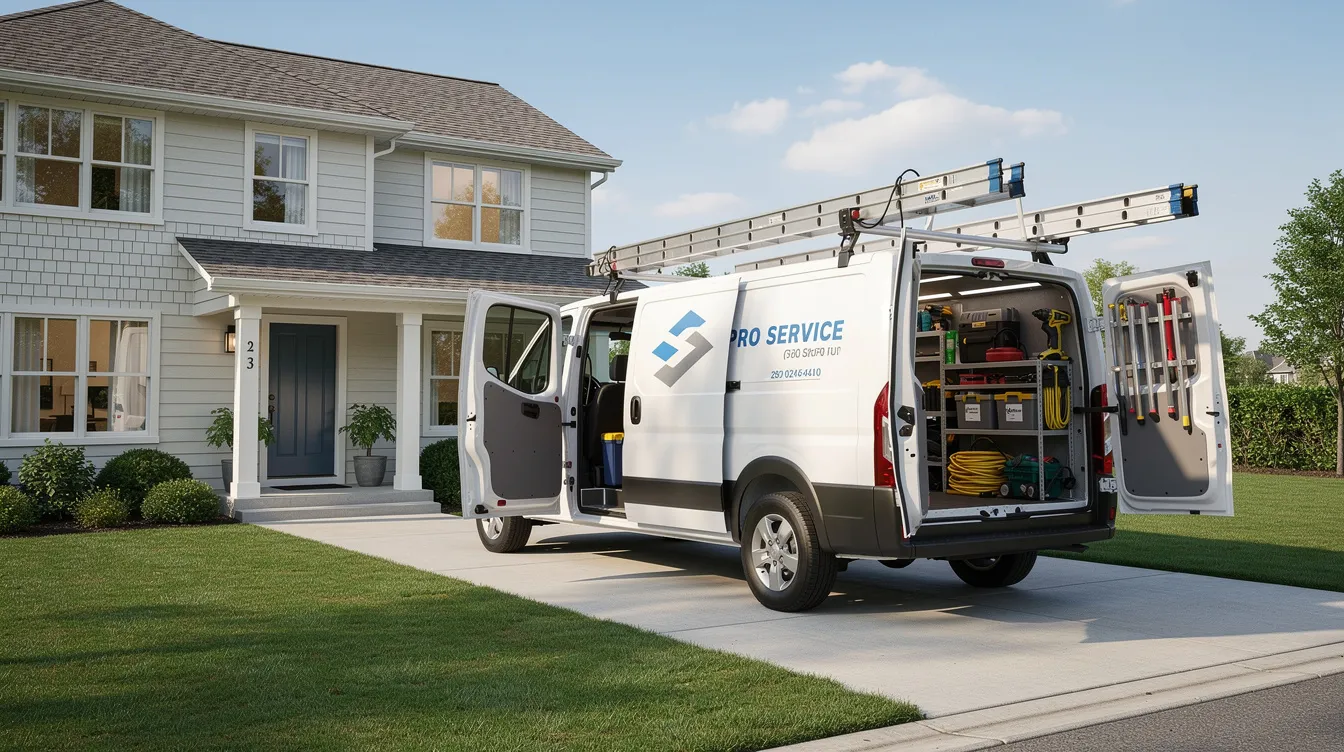
Mobile franchises operate from a vehicle, reducing overhead costs by turning a van or truck into the primary workspace. Examples include mobile auto detailing, mobile pet grooming, and on-site window film installation for office towers and retail stores. Initial costs for mobile pet grooming can be lower than those for a physical pet salon, which illustrates the savings potential across this category.
Startup capital shifts accordingly: more goes toward a reliable, equipped vehicle and branding wraps, and none goes toward fixed retail real estate or tenant improvements. Route planning and territory density become key components of the business model. Good market analysis helps maintain efficient schedules and high utilization.
Mobile or home-based franchises can operate without a physical storefront, but they face unique challenges. Dependence on vehicle maintenance is a challenge for mobile franchises, and fuel costs can eat into margins if routes aren’t optimized. Many mobile franchise brands provide detailed playbooks and scheduling tools to keep travel time and costs under control.
| Cost Category | Mobile Franchise | Storefront Franchise |
|---|---|---|
| Rent / Lease | $0 | $2,000–$8,000/month |
| Build-out / Improvements | $0 | $30,000–$150,000+ |
| Vehicle & Branding | $8,000–$25,000 | Optional |
| Utilities | Home only | $500–$2,000/month |
| Staffing at Location | None needed | Often required |
Digital and Online Franchise Models
Digital franchises can be run from anywhere with internet access. This category includes social media management, digital marketing agencies, online tutoring, travel planning, and other knowledge-based service businesses. Service-based franchises in the digital space often require minimal upfront investment since the core tools are a laptop, high-speed internet, a CRM platform, project management software, and video conferencing.
Marketing for franchises without a storefront often relies on digital channels: SEO, paid ads, social media, and email campaigns. Competition can be higher because entry barriers are small, which means brand recognition, proven systems, and franchisor digital marketing support become the differentiators that matter most.
Hybrid Models: Service + Light Storage
Hybrid franchises are home-based but use a small storage unit or shared warehouse instead of a public-facing retail location. Window film and tinting, architectural surface finishes, and light construction trades commonly fit here.
CoolVu is a clear example. Franchisees work from home offices, store window film rolls and architectural finishes in modest storage space, and travel to client sites for consultations and installations. This structure supports larger B2B and commercial projects without requiring a physical location open to walk-in customers.
Franchises without physical locations can scale by expanding service areas or hiring more employees. The cost difference is dramatic: leasing a 1,500-square-foot retail showroom in 2026 can run $3,000 to $7,000 per month in many markets, while a 500-square-foot climate-controlled storage unit typically costs $200 to $600.
Business Model Basics: How “No Real Estate” Franchises Make Money
Revenue in service-based, no-real-estate franchises flows through project-based fees, recurring service contracts, and sometimes maintenance agreements. Franchise owners can earn significant commissions on sales and rentals of services, particularly when commercial contracts are involved. The project lifecycle for a CoolVu-style franchise looks like this:
- Lead generation – Web ads, local SEO, referrals, B2B outreach
- Inquiry and estimate – Meet the customer on site, assess needs
- Proposal – Present options, pricing, product samples
- Sale closed – Schedule the work
- Installation – Technicians dispatched, service delivered
- Payment collected – Often at completion
- Follow-up – Reviews, referrals, repeat business requests
Access to advanced technology tools enhances operational efficiency at every stage, from CRM-driven scheduling to digital quoting platforms. Franchises often provide access to advanced technology and marketing tools that independent operators would struggle to build on their own.
Unit economics matter. CoolVu’s 2025 FDD data shows an average invoice per project of roughly $2,701 to $3,084, with a closing rate around 57–58%. Resources detailing how much it costs to buy a CoolVu franchise can help you connect those revenue metrics with real-world investment decisions. Without rent payments dragging down the margin, breakeven sales thresholds drop substantially. Many owners start as owner-operators doing consultations and installations themselves, then transition to hiring technicians and shifting into a sales and management role once revenue stabilizes.
For franchises like CoolVu, B2B work with office towers, schools, healthcare facilities, and real property management companies can significantly increase average ticket size and smooth out slow periods compared to purely residential models. That mix of daily operations across both commercial and residential channels is what keeps revenue consistent across seasons and economic downturns.
Real-World Examples of Low-Overhead, No-Storefront Franchise Opportunities
Here’s a practical look at several industries where franchise opportunities commonly operate without brick-and-mortar real estate. These models often attract real estate professionals, construction veterans, sales agents, and corporate managers seeking more control and proven systems without managing a physical office.
Local marketing is crucial for franchises without storefronts to attract customers, so each of these categories relies heavily on referrals, digital presence, and community relationships, just like other top service franchises in the window solutions space.
- Home Inspection and Real Estate Support – $40,000–$90,000 typical investment
- Surface Enhancement / Window Film – $68,000–$150,000 typical investment
- Residential and Commercial Cleaning – $20,000–$100,000 typical investment
- Digital Marketing Agencies – $50,000–$130,000 typical investment
- Senior Care / Home Care – $80,000–$220,000 typical investment
Home Inspection and Real Estate Support Franchises
Home inspection franchises are license-driven service businesses where inspectors drive to properties with basic equipment and software. No dedicated storefront is required. These franchises benefit from strong referral relationships with real estate agents and mortgage professionals, making local networking critical.
Home inspection can provide steadier income across hot and slow real estate market cycles because home sales transactions continue even when prices fluctuate. Prospective franchisees should review state licensing rules, required certifications, and FDD Item 19 for performance ranges. Brands like these work closely with real estate professionals and often complement the broader real estate industry ecosystem without competing directly in property sales.
Home and Commercial Surface Enhancement (CoolVu Example)
CoolVu delivers residential and commercial window tinting, energy efficiency films, security and privacy films, decorative graphics, and architectural surface finishes for walls, doors, and casework, all within a proven franchise business model in a booming industry. Franchisees operate from home and travel to client locations, serving both homeowners seeking comfort and UV protection and commercial clients pursuing energy savings, branding graphics, and security upgrades.
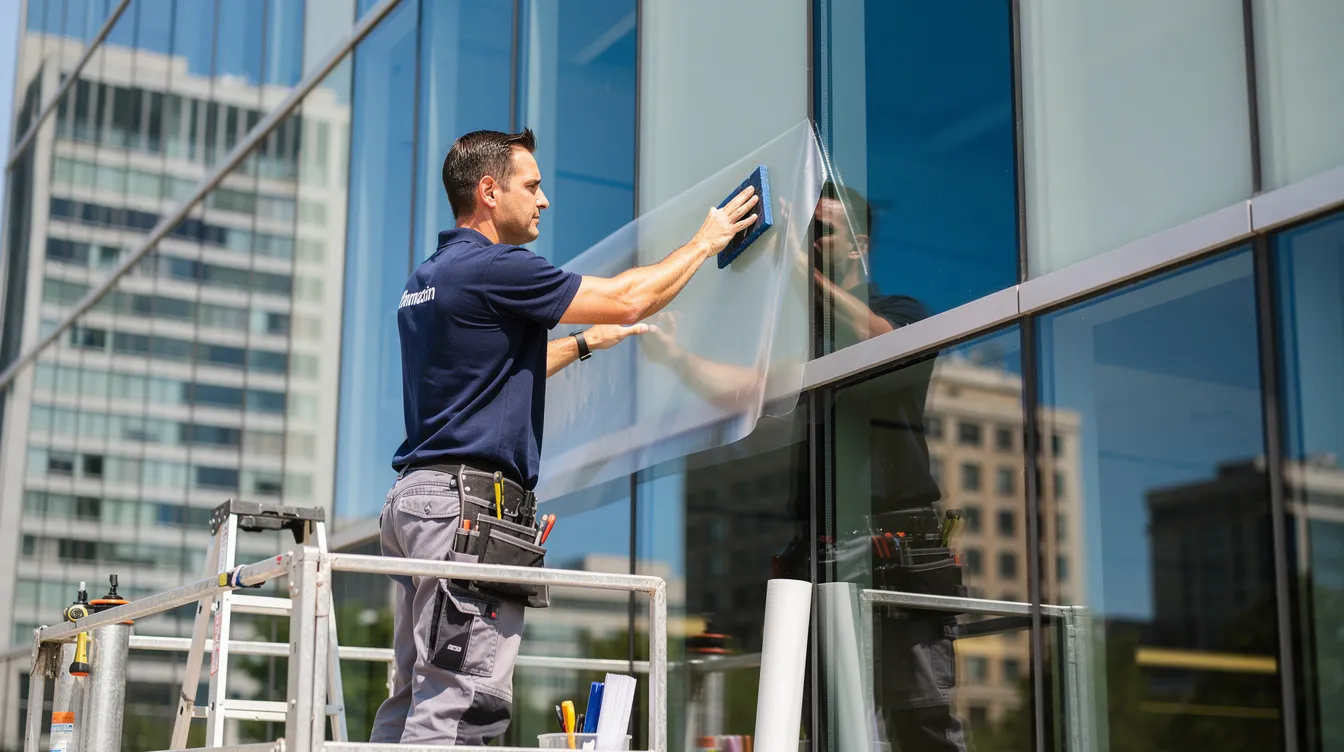
The dual B2B/B2C revenue streams help stabilize revenue year-round. A $3,000 residential privacy film project on Monday might be followed by a $25,000 commercial office tower energy film contract on Wednesday. CoolVu provides comprehensive training, digital marketing campaigns, protected territories, and in-house franchisor financing options for qualified candidates, all with an initial investment between $68,000 and $108,000.
Digital Marketing and Online Service Franchises
Digital marketing franchises serve small businesses nationwide from a home office, and investors can benefit from in-depth guidance on evaluating and funding franchise opportunities before choosing a brand. Owners leverage remote staff or freelancers, making these models attractive to marketing and real estate sector professionals transitioning into business ownership. Strong franchisor support in lead generation, sales scripts, and digital toolsets is critical in this competitive space.
When evaluating these opportunities, compare return on ad spend expectations, churn rates, and average client lifetime value. In the real estate franchise industry, some brands like Coldwell Banker and eXp Realty operate with extensive digital infrastructure, demonstrating that even traditional real estate franchises now lean heavily on technology. However, dedicated digital marketing franchise brands serve entirely different markets and should not be confused with property management or home sales operations.
Financing Options When You Have Little Capital
Even “no real estate required” franchises need capital, but creative financing options can significantly lower your out-of-pocket burden. The financial investment required is real, but it’s far more manageable than funding a storefront build-out.
Major funding paths include:
- SBA loans through the Small Business Administration
- Franchisor financing or in-house programs
- Home equity lines of credit (HELOCs)
- ROBS (Rollover as Business Startup) using retirement funds, though be aware of early withdrawal penalties if structured incorrectly
- Microloans and CDFIs for smaller capital needs
- Private partners or investors
Lenders evaluate personal credit scores (often 680+), business plan quality, and the strength of the franchise brand. Home-based models with lower total investment can make loan approvals easier and reduce monthly debt service. You’ll need a business plan, personal financial statement, 2–3 years of tax returns, and a copy of your signed franchise disclosure document receipt page.
Franchisor Financing and In-House Programs
Franchises with low fees may offer internal financing options. CoolVu, for example, provides in-house financing for qualified candidates, plus special incentives: veterans may have the upfront franchise fee waived entirely, while women, minorities, and first responders may qualify for a 50% reduction.
The advantages include simplified underwriting and faster approval versus traditional bank loans, especially when you understand the typical costs involved in buying and operating a franchise. The potential downsides: sometimes higher interest rates and limited flexibility. Ask franchisors about down payment minimums, interest rates, payment deferral periods, and whether personal collateral is required.
A CoolVu candidate with $50,000 in savings might combine franchisor financing for a portion of the initial franchise fee and equipment package with personal funds covering working capital and marketing launch costs, getting operational for well under $100,000 out of pocket.
SBA, Microloans, and Alternative Lenders
SBA loans can cover up to $5 million for franchise financing, with 10-year terms for working capital and down payments starting around 10–20% depending on collateral and borrower profile. Franchises often require a 10-20% down payment for loans regardless of the lending source.
Low-overhead, service-based franchises with no build-out risk can sometimes be more attractive to lenders than high-rent restaurants or retail stores, particularly when you can clearly explain the typical costs involved in purchasing a CoolVu franchise. SBA microloans and community development financial institutions serve smaller funding needs in the $25,000 to $150,000 range.
Alternatives like HELOCs, equipment financing, and ROBS exist, but consult a CPA or financial advisor due to tax implications and interest rates that vary by market conditions. Financing conditions change, so always verify with current lenders and advisors.
How to Evaluate a Franchise With No Real Estate Requirement
Skipping due diligence because the model “seems simple” is a common and costly mistake, and resources that explain whether buying a franchise is worth it can help you frame the decision objectively. Here’s a step-by-step evaluation approach tailored to home-based and mobile franchises, where site selection is less critical but other factors matter more.
Core evaluation checklist:
- Brand history and years in franchising
- Litigation history in Items 3 and 4 of the FDD
- Average unit performance in Item 19
- Quality of training and support systems
- Technology tools and CRM platforms provided
- Marketing support and lead generation programs
- Territory definitions and exclusivity terms
- Franchisee satisfaction and turnover rates
- Scalability from solo operator to team-based model
- Compatibility with your skills and financial profile
For CoolVu and similar systems, evaluating the caliber of current franchisees and the strength of referral and B2B relationships is as important as the franchise brand name itself, and independent CoolVu franchise reviews and testimonials can provide additional perspective.
Reading and Interpreting the Franchise Disclosure Document (FDD)
The franchise disclosure document is the primary legal and financial roadmap for any franchise. In the U.S., franchisors must provide it at least 14 days before you sign. Pay special attention to these items:
- Items 5–7: Fees, initial investment ranges, and what’s included. Compare initial costs for a home-based brand versus real estate-heavy concepts. The difference in working capital needs alone can be substantial.
- Item 11: Franchisor’s obligations, training, and marketing support commitments.
- Item 19: Financial performance representations. Look for metrics like average invoice size, closing rate, and gross revenue ranges.
- Item 20: Outlet counts, closures, and turnover. High closure rates may signal franchise system issues.
Consult a franchise attorney to review the FDD, especially clauses affecting territory rights, non-compete, renewal, and transfer, and make sure you understand core concepts like what a business franchise is and how it works. An existing franchise system’s FDD tells you more about real-world performance than any sales presentation.
Talking to Current Franchisees and Checking Brand Health
Speak with at least 5 to 10 current franchisees listed in the FDD, focusing on those operating in home-based or mobile formats. Franchisors provide ongoing training and support to franchisees, but the quality varies. Ask these questions:
- What were actual startup costs vs. estimated?
- How long to breakeven?
- Quality and volume of leads from corporate marketing?
- Ratio of residential vs. commercial business?
- Were you ever pressured to add a physical location?
Look for patterns rather than relying on any single glowing or negative review. In a franchised company like CoolVu, ask specifically about how digital marketing drives both B2B and B2C leads, and review the franchisor’s own frequently asked questions for prospective CoolVu partners to clarify costs, territories, and support. Compare what you hear from franchisees against what you’d experience running a non franchised company or independent brokerage on your own.
Market Analysis and Territory Evaluation (Without Site Selection)
Even without a storefront, territory quality matters. Key factors include population density, household income, age of housing stock, commercial building density, climate, and local competition. Hotter climates with high AC usage drive more demand for window tint and energy efficiency films. Markets with high transaction volume benefit home inspection or staging services.
A strong, exclusive territory definition in the franchise agreement can be as important as a prime retail corner for traditional brands. CoolVu territories include minimum counts of owner-occupied homes and commercial buildings, structured by contiguous ZIP codes. Use census data, municipal records, utility rebate programs, and chamber of commerce reports to gauge demand, and compare two potential territories side-by-side before committing. Understanding market shifts in your region helps you plan for long term success and benchmark your opportunity against the best franchises to buy right now.
Common Mistakes to Avoid With No-Real-Estate Franchises
Saving money on rent doesn’t remove the need for disciplined budgeting, lead generation, and time management. Here are the most frequent errors that create unique challenges for first-time owners, especially those chasing “hot” concepts without first comparing them against the best franchises to buy in 2025:
- Underestimating working capital – Travel, materials, insurance, and seasonal dips can drain cash fast
- Ignoring marketing entirely – No foot traffic means no passive leads
- Choosing a brand solely on low fees – The cheapest option isn’t always the most profitable
- Overextending too early – Too many vehicles, too large a territory, too many hires before revenue stabilizes
- Skipping legal and regulatory homework – Licenses, certifications, and permits are non-negotiable
- Failing to learn the franchise system – Even with training, the owner must invest sweat equity early on
Underestimating Marketing and Digital Lead Generation
No-real-estate franchises can’t rely on foot traffic. They live or die by digital marketing, referrals, and outbound sales activity. Skimping on local SEO, Google Business Profile optimization, paid ads, and review generation to save a few hundred dollars is a false economy. Marketing materials and marketing tools provided by the franchisor only work if you deploy them consistently.
Strong franchisor support, like turnkey campaigns, creative assets, and CRM workflows, can shorten the ramp-up period. CoolVu provides territory-level digital campaigns and national branding to help franchisees attract customers from day one. Budget $500 to $1,500 per month for local marketing in your first year. Real estate franchises offer brand recognition for faster client attraction, and no-storefront service brands operate the same way: the recognizable brand does the heavy lifting that an independent company cannot replicate alone.
Ignoring Time and Skill Requirements
Home-based or mobile does not mean hands-off. Owners must prospect, sell, schedule, manage jobs, and sometimes perform the work initially. For technical services like window film installation or home inspection, franchisors provide comprehensive training programs for new franchisees, but you must be willing to learn and meet industry standards.
Overcommitting to a franchise while still working full-time elsewhere can slow growth and create operational bottlenecks, so review the step-by-step process of how to become a CoolVu franchise owner before deciding on your transition timeline. Be honest about your comfort with sales, customer service, and basic operations before choosing a franchise model. Real estate franchises allow for easy scalability after initial success, and the same applies to service brands, but only if the owner invests enough time up front.
Is a No-Real-Estate-Required Franchise Right For You?
Not every model fits every person. Here’s a quick self-assessment:
You may be a good fit if you:
- Are a motivated self-starter comfortable working from home
- Enjoy meeting clients on-site and building local relationships
- Have enough liquid capital to invest and carry early cash flow
- Want to scale by hiring, not by signing a bigger lease
- Value flexibility but maintain strong self-discipline
- Are transitioning from corporate, military, first responder, or real estate careers
You may want to reconsider if you:
- Prefer a physical retail presence with walk-in customers
- Are uncomfortable with variable income during ramp-up
- Need immediate high income with no tolerance for slow periods
- Live in a geography with low demand for your chosen service
Veterans, first responders, and career-changers from corporate roles often excel in structured franchise systems because they appreciate proven processes and support systems, which is reflected in why CoolVu is considered a top franchise opportunity for these groups. Compare this path with starting an independent brokerage or a traditional brick-and-mortar business based on your risk tolerance and available capital.
Why Choose a Home-Based Surface Enhancement Franchise Like CoolVu?
CoolVu offers a distinctive position in the no-real-estate franchise space as one of the best home-based franchise opportunities for window and surface solutions. Unlike single-service brands, CoolVu franchisees access multiple revenue streams: window film, tinting, decorative graphics, architectural surface finishes, and smart or switchable films, aligning closely with what to look for in a top-tier window tinting franchise opportunity. This diversification serves both residential homeowners and commercial clients in real property management, healthcare, education, and government, supported by an experienced CoolVu franchise leadership team and mission-driven culture.
Key differentiators:
- No retail real estate required – Home-based operations with protected territories
- Diversified demand – B2B and B2C, residential and commercial
- Energy efficiency appeal – Products that reduce HVAC costs and support sustainability goals
- Security and privacy solutions – Growing demand across the real estate sector and closely connected to the rising interest in home decor franchises focused on window enhancements
- In-house franchisor financing – Available for qualified candidates
- Fee incentives – Veterans may have fees waived; women, minorities, and first responders may qualify for 50% reductions
- Comprehensive training – Product knowledge, installation skills, sales, and operations comparable to a robust interior design-focused window solutions franchise
- Marketing support – Digital campaigns, national branding, and marketing materials
CoolVu’s initial franchise fee is $19,900 at standard rates, with the total investment between $68,000 and $108,000, fitting neatly within broader benchmarks for how much it costs to buy a franchise. Interested readers should request CoolVu’s franchise disclosure document and speak directly with the franchise development team to review exact costs, territory availability, and terms.
Frequently Asked Questions About Franchises With No Real Estate Required
How much money do I need to start a franchise with no real estate required?
Many home-based service franchises fall in the $50,000 to $150,000 total investment range as of 2026, though low-cost franchises can start for $15,000 or less in some limited categories. Avoiding real estate can cut six figures from the startup budget compared to brick-and-mortar, but you still need to plan for equipment, a vehicle, marketing, insurance, and several months of working capital. Cross-check numbers in Item 7 of the franchise disclosure document and build a personalized budget with a financial advisor.
Can I run a no-storefront franchise part-time while keeping my job?
Some digital or consulting models may allow a phased transition, but most service franchises like window film installation or home inspection are best run with full-time owner involvement, especially in the first 12–18 months. Franchisors typically prefer candidates planning to transition fully into their own business. Have an honest conversation with the franchisor about whether part-time operation is compatible with the specific franchise model.
How long does it take to launch a home-based franchise after I sign?
Expect 60 to 120 days for most no-real-estate franchises, covering training, licensing, equipment ordering, branding, and initial marketing setup. Models like CoolVu often move faster than brick-and-mortar brands because there’s no construction timeline. Use pre-opening time to line up local partnerships with real estate agents, property management firms, and contractors to accelerate first-month revenue.
Do I need industry experience to open a service franchise like window tinting or home inspection?
Many franchisors, including CoolVu, design their systems for first-time owners and provide technical, sales, and operations training. Previous experience in construction, real estate, or customer service helps but is typically not required. In regulated fields, you may need licenses or certifications. Franchisors provide ongoing training and support to franchisees and should guide you through every requirement.
If there’s no storefront, how do I build brand recognition in my territory?
Vehicle wraps, yard signs, jobsite signage, local sponsorships, and community events all build visibility. Pair that with strong digital marketing: SEO, paid ads, social media, and Google review generation. Consistent, professional branding across vehicles, uniforms, and online profiles often matters more than a physical office that few customers ever visit. Established franchise brands like CoolVu bring national-level brand recognition and marketing tools that an independent company simply cannot replicate.
What happens if I later want a showroom or small office?
Many home-based franchise agreements allow owners to add a small showroom or office later if the business scales and local demand justifies the expense. Confirm this in the FDD and franchise agreement. Run careful ROI projections before taking on a lease, weighing added rent, utilities, and staffing against potential increases in gross sales. Many successful owners stay home-based long-term, especially in B2B-focused models where clients rarely visit the business location.
Conclusion and Next Steps
Franchises with no real estate required offer a realistic path into business ownership with dramatically lower overhead. But they still demand capital, commitment, and thorough due diligence. The franchise model, franchisor support, digital marketing strength, and territory quality matter far more than simply finding the lowest possible financial investment.
Start by narrowing down two or three brands. Request their franchise disclosure documents. Speak with current franchisees. Consult with financial and legal professionals who understand the franchise system you’re evaluating. Use market analysis, not gut feeling, to choose your territory.
If you’re drawn to a home-based surface enhancement franchise with diversified revenue streams, protected territories, and proven systems, CoolVu may be the right fit. Request more information, review the investment details, and schedule a discovery call to see if your market is still available. Smart preparation in 2026 can turn a low-overhead franchise into a long term, scalable business.