
Table of Contents
A franchise without storefront is exactly what it sounds like: a franchise model that does not require you to lease, build out, or maintain a retail store. Instead, you run the business from a home office, dispatch mobile crews in branded vehicles, and deliver services directly to your customers. A franchise without a storefront is often called a home-based or mobile franchise, and it has become one of the fastest-growing segments in franchising heading into 2026.
In this guide, you will learn how home based franchises actually operate day to day, what the real initial investment ranges look like, where the tradeoffs hide, and how to evaluate franchise opportunities like CoolVu – a home based surface solutions franchise serving residential and commercial clients. We will contrast home based franchises against traditional storefront franchises with concrete numbers, not theory. Think of the difference between a mobile window film installation business that launches from a garage and a fast-food outlet that needs six figures just for kitchen equipment and tenant improvements.
If you are seriously considering becoming your own boss through a franchise model that skips the storefront, this is the decision framework you need.
Home-Based vs. Storefront Franchises: The Core Tradeoffs
The structural difference between a home based franchise and a storefront franchise comes down to fixed overhead. A storefront franchise – say, a retail optical store that sells sunglasses and window coverings – requires a commercial lease, tenant improvements, display fixtures, signage, utilities, parking, and full retail staff. Home-based franchises typically have lower start-up costs than storefront franchises because they avoid all of that.
A home based window film and surface solutions franchise like CoolVu, by contrast, starts with a vehicle, installation tools, film inventory stored in a garage or small warehouse, and a home office. The owner handles sales and estimating; a small crew handles installations. Fixed costs stay low, so break-even arrives faster.
Here are the core tradeoffs to weigh:
- Flexibility and schedule control: Home based franchises allow for flexible working hours and no commute. You set the rhythm.
- Lower real estate exposure: No lease, no CAM charges, no build-out. More working capital available for marketing and sales.
- Foot traffic vs. outbound sales: A storefront franchise benefits from built-in foot traffic and impulse buyers. Without a physical location, you rely on outbound marketing, referrals, and online presence.
- Brand presence: Retail stores offer passive brand recognition. Home based models build presence through wrapped vehicles, uniforms, reviews, and local SEO.
Many service brands shifted to or doubled down on home based models after 2020, driven by remote work adoption and rising commercial real estate costs. That trend has only accelerated.
What Counts as a Franchise Without Storefront in 2026?
Not every non-storefront franchise looks the same. The main categories break down like this:
- Home based franchises: The owner works from a home office and dispatches crews or delivers services in the field. Examples include window tinting, home cleaning, and digital marketing agencies.
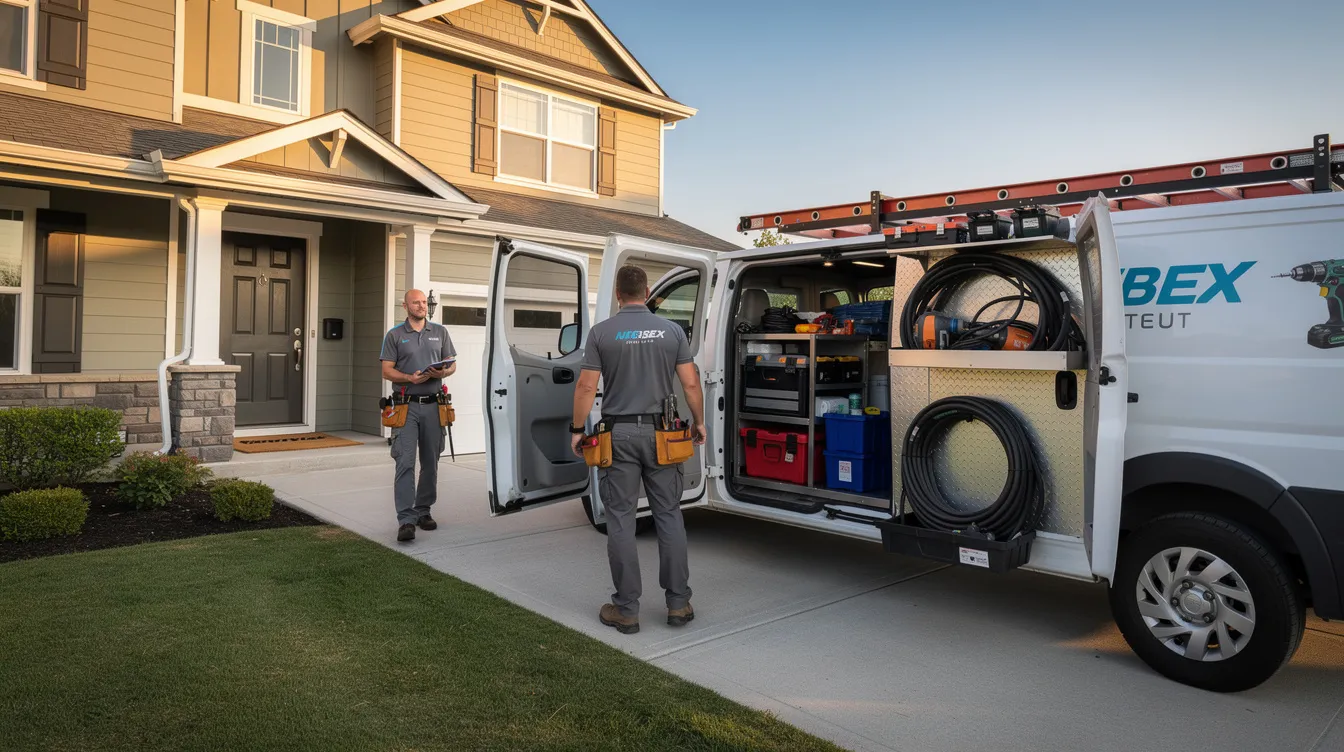
- Mobile franchises: The business operates from vehicles – vans, trucks, or trailers – reducing overhead costs further. Think pest control trucks, mobile detailing rigs, or film installation vans.
- Hybrid models: A home office base plus a small warehouse or occasional pop-up showroom. CoolVu fits here, blending home based management with mobile installation crews.
Low-cost service franchises can start for $15,000 or less in some categories, and many low-cost franchises do not require a physical storefront. Low-cost franchises often focus on service-based industries, and many non-storefront franchises operate in high-demand service-oriented industries where customers need work done at their own location.
Here are concrete examples across the landscape:
| Franchise | Category | Investment Range |
|---|---|---|
| Lawn Doctor (600+ units nationwide) | Lawn care, mobile | $116,465–$141,815 |
| Molly Maid (1.7 million cleans/year) | Home cleaning | $127,200–$184,450 |
| Garage Experts | Home improvement, hybrid | $62,387–$150,522 |
| Scoop Soldiers (franchising since 2019) | Pet waste removal | $61,300–$111,300 |
| The Carpet Chemist (founded 2017) | Carpet cleaning, mobile | Service-based |
| Men in Kilts | Exterior cleaning, low overhead | Service-based |
| Mosquito Hunters | Pest control, residential & commercial | Service-based |
| CoolVu | Window film & surface solutions | $70,000–$120,000 |
| Some franchise systems, including CoolVu, are specifically designed to be home based and scalable territory by territory. The operational pattern is consistent: the workday starts from a home office, then crews dispatch in branded vehicles to homes and commercial sites. |
Key Advantages of a Home-Based Franchise Without Storefront
The lifestyle advantages are real. No commute. More control over your schedule. The ability to be present for family while building a successful business. But the financial advantages matter more for long-term viability.
Home-based franchises typically have lower startup costs and overhead, and many aspiring owners wonder whether buying a franchise is worth it compared with starting from scratch. By avoiding rent, tenant improvements, and large retail staff, you keep more working capital available for the activities that actually generate revenue – marketing, sales, and service delivery. Home-based franchises often require minimal resources to start compared to retail franchise opportunities.
Owners can launch non-storefront franchises faster than traditional franchises. CoolVu franchisees, for example, can launch between 45 and 60 days after signing their territory agreement and completing onboarding. Compare that to 6–9 months for a typical storefront buildout involving lease negotiations, permits, and construction.
Franchises without storefronts can significantly reduce overhead costs, which means a franchisee starting with one van and a small team can hit break-even with fewer monthly jobs than a retail location would need, while still enjoying key benefits of franchise ownership like training and marketing support. As revenue grows, scalability comes through adding crews, vehicles, or sub-territories – not signing new leases.
Common Challenges: What You Don’t Get Without a Storefront
Let’s be candid. Limited brand visibility is a real disadvantage for non-storefront franchises. You lose walk-in traffic, impulse buyers, and the passive credibility of a physical location. Lack of a physical location can limit customer interaction unless you compensate with strong outbound sales.
Non-storefront franchises may need to handle storage and inventory challenges. Even with just-in-time ordering, you still need a garage, storage unit, or small warehouse for film rolls, tools, and vehicle supplies. Plan for this in your business plan.
Operating a non-storefront franchise can lead to feelings of isolation, especially in the early months before you have a full crew. Home-based franchises require strong self-discipline for productivity – there is no store to open at 8 a.m. that forces structure on your day. You need a CRM, a daily call list, and a weekly activity plan to keep the pipeline moving.
Here is a realistic scenario: a new franchisee who underestimates prospecting time spends the first three months waiting for leads to come in organically. By month four, the pipeline is thin and stress is high. The fix is simple but requires discipline – block two hours every morning for outbound calls, networking, and follow-ups before any installation work begins.
“No storefront” does not mean “no presence.” You still must show up visibly in your local market – online, in neighborhoods, and at business events.
Numbers That Matter: Franchise Fee, Initial Investment & Ongoing Costs
Understanding the financial structure of a home based franchise requires careful consideration of three cost layers: the initial franchise fee, the total investment to launch, and the ongoing costs that hit every month.
Home services franchises carry an average minimum investment of roughly $118,229 across major brands, compared to food franchises averaging near $574,494 with a storefront. CoolVu’s initial franchise fee is $19,900, with territory fees of $50,000 for the first territory. The total investment ranges from $70,000 to $120,000 depending on territory size and equipment choices.
Franchise fees and ongoing royalties are still required for non-storefront franchises – the home based model lowers your startup costs and fixed expenses, but you still pay into the system. Typical cost line items include:
- Vehicle or van purchase/lease
- Tools and installation equipment
- Launch marketing budget
- Insurance (liability, commercial vehicle, workers comp)
- Technology platforms (CRM, scheduling, estimating)
- Working capital for the first 6–12 months
To read these numbers properly and understand how much it costs to buy a franchise like CoolVu, look at the franchise disclosure document FDD. Item 5 covers the franchise fee. Item 7 breaks down estimated initial investment costs line by line. Plan for at least 6–12 months of personal living expenses on top of business working capital – this is the buffer that keeps you from making desperate decisions early on.
Doing Real Due Diligence on a Franchise Without Storefront
Due diligence for a franchise without storefront goes beyond reading brochures and should follow a structured approach similar to expert guides to the best franchises to buy into. Start by requesting the franchise disclosure document, which is the most important document in any franchise evaluation. It is a legal requirement for most franchisors to provide it at least 14 days before you sign anything.
Focus on these FDD sections:
- Item 19 (financial performance representations): Look for average job size, revenue per territory, and close rates. CoolVu’s FDD reports an average job invoice of $2,701.42 and a closing rate of approximately 57%.
- Item 6 (ongoing fees): Royalty rates, brand fund contributions, and technology fees. Understand how these impact your margins.
- Item 20 (system growth and exits): How many units opened, closed, or transferred in the last three years.
Speak with at least 3–5 current franchisees, including both new franchisees and multi-year owners, and review independent CoolVu franchise reviews to compare their experiences with the brand’s promises. Ask about ramp-up timelines, lead flow, and hidden costs. Instead of visiting retail stores, visit franchisees in the field – ride along in service vans, shadow estimates, and observe back-office workflow.
Have a franchise attorney review the franchise agreement, especially around territory protection and non-compete clauses. This step alone can save you from a bad deal.
Market Analysis: Matching the Franchise to Your Local Market
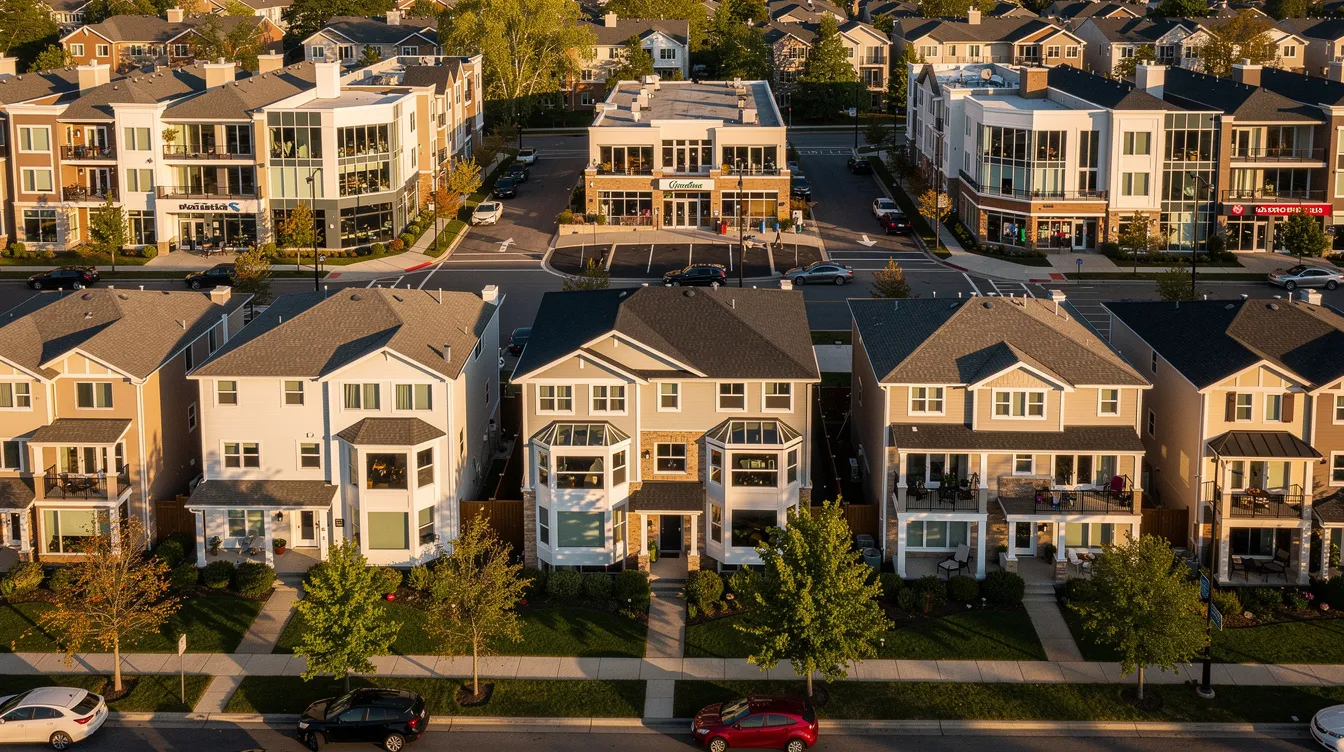
Market analysis is especially critical when you do not have a storefront to pull in random foot traffic, especially in a booming window film franchise industry where territory quality drives long-term growth. Your target market must be researched and validated before you sign a franchise agreement.
For a surface solutions business like window film installation, research the housing stock in your area – older homes with single-pane glass are prime candidates for energy efficiency upgrades. Look at commercial development: office parks, medical facilities, retail storefronts, and schools. The U.S. window film market produced revenues of $3.35 billion in 2025 and is projected to reach approximately $6.9 billion by 2031, so the industry tailwind is real.
Practical data sources for your market research include census data on owner-occupied homes by ZIP code, local chamber of commerce reports, utility rebate programs for energy-efficient window film, and real estate transaction volumes. Map potential verticals: homeowners, small medical offices, retail stores, schools, and government buildings that might need window film, privacy solutions, or security upgrades.
The franchisor should provide baseline demand data for your territory. Validate it independently. Consumer behavior changes from market to market – what works in Phoenix may not apply in Portland. Your own market analysis is a determining factor in whether the territory can support your revenue goals.
Building a Business Plan for a Home-Based Franchise
A business plan for a franchise without storefront should cover four pillars: executive summary, market analysis, operations plan, and financial projections, just like any proven business franchise model.
Sales activity planning matters more than anything in the first year. Map out networking targets – home shows, local builders and contractors, property management companies, and online lead generation channels. Your marketing budget should be specific, not vague.
Ground your revenue forecasts in FDD Item 19 data plus conservative local assumptions. Do not copy top-performer numbers from the franchise brand’s marketing materials. Include a marketing calendar with monthly KPIs: estimates performed, close rate, average ticket size, and 90-day pipeline value.
Lenders and investors will scrutinize whether the home based business model is realistic in your specific market, much like they would compare franchise vs. non-franchise paths for risk and support. Transparency and conservative assumptions earn credibility. A solid business plan is what separates prospective franchisees who get funded from those who don’t.
Who Thrives in a Franchise Without Storefront?
The ideal owner profile for a home based franchise is a self-starter who is comfortable with sales, networking, and managing technicians. Prior industry experience is rarely required – what matters more are consultative selling skills, project management ability, local relationship building, and basic financial literacy. These are unique skills that transfer from many careers.
Three personas that tend to succeed:
- The former corporate sales rep who wants operational autonomy and is tired of someone else controlling their schedule.
- A veteran or first responder seeking a structured but flexible path to owning their own business, often supported by franchise fee discounts and veteran incentives.
- A couple running the business together – one handling admin, scheduling, and the home office; the other in the field doing estimates and managing crews.
CoolVu and similar systems often see the highest success rate with owners who are present in their community and committed to long-term territory development, not passive investors looking for hands-off income, which aligns with the leadership team’s mission and history for the brand.
How a Home-Based Surface Solutions Franchise Like CoolVu Operates Day to Day
A typical week for a home-based window tinting franchise owner with CoolVu starts at the home office. Monday morning: review the CRM for new leads, confirm the week’s installation schedule, and follow up on outstanding estimates. By mid-morning, the owner is in a branded vehicle heading to a commercial property for an on-site consultation – presenting film and finish samples, measuring windows, and building a quote.
Installations run through the week. A small crew handles residential window tinting on Tuesday, a privacy film job at a medical office on Wednesday, and decorative surface finishes at a boutique hotel on Thursday. The owner manages scheduling, quality checks, and customer follow-up from the home office.
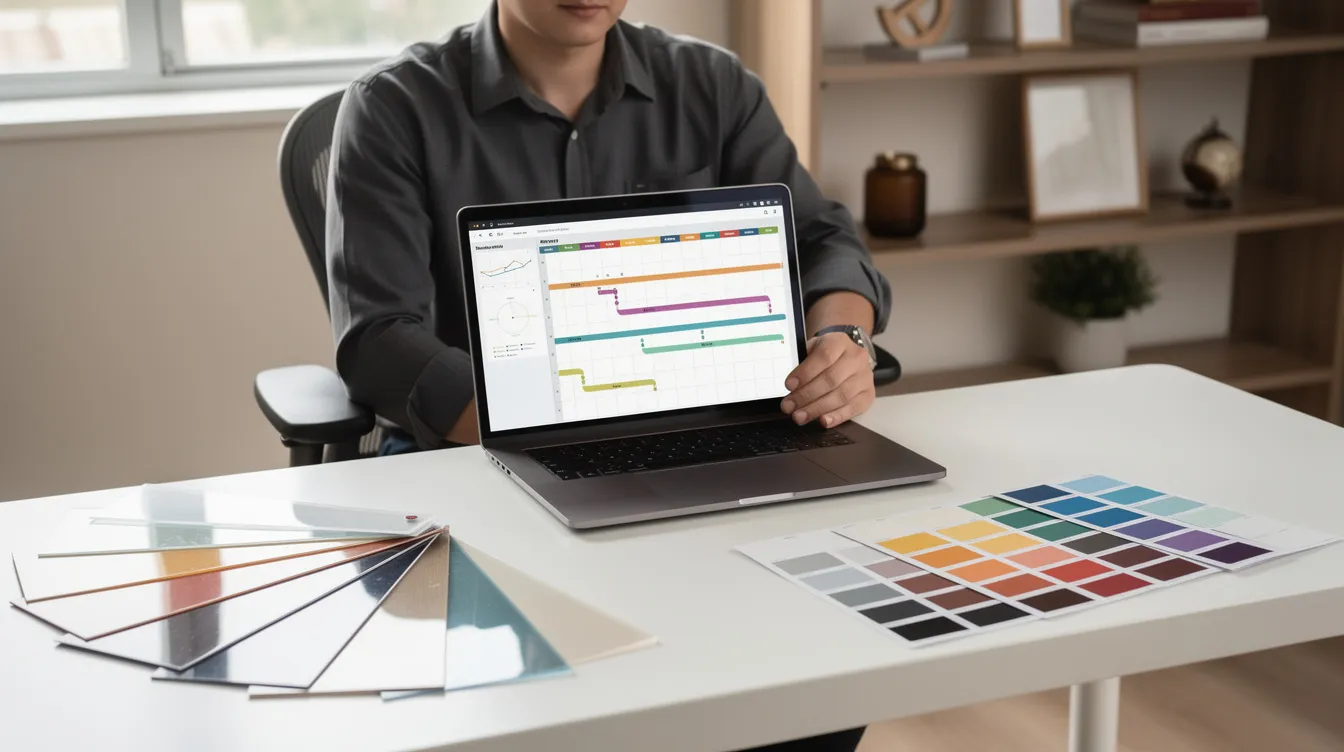
The operational tools include CRM systems, digital measuring tools, scheduling and route-planning software, vendor ordering platforms, and mobile payment systems, all of which are covered in CoolVu’s process for how to become a franchise owner. Inventory is stored in a small warehouse or garage – minimal stock, with frequent just-in-time ordering from suppliers.
The business model is specifically designed for professional presentation even without a public-facing retail space. Branded vehicles, professional uniforms, sample libraries, and strong online reviews replace the showroom.
Evaluating Franchise Opportunities: Red Flags and Green Flags
Green flags for a franchise without storefront, especially when you’re comparing the best franchises to buy in 2025:
- Transparent FDD Item 19 with specific financial performance representations
- Clear territory definitions with demographic minimums
- Comprehensive training provided covering installation, sales, and marketing
- Strong digital lead generation and national advertising support
- History of successful launches in similar markets
Red flags to watch for when you’re evaluating any window tinting franchise opportunity:
- Vague initial investment ranges or fuzzy territory boundaries
- Requirement for an expensive showroom despite “home-based” claims
- No performance metrics shared with prospective franchisees
- High royalty or hidden technology fees
- Poor CRM or technology support
Check how many units have closed or transferred in the last 3–5 years (FDD Item 20). Speak to former franchisees listed there, not only handpicked references. Ask current owners whether the franchisor is still investing in digital lead generation, brand awareness, and new product lines.
Home-Based vs Mobile vs Hybrid: Choosing the Right Operational Model
These three models serve different strengths and can even overlap with interior design-focused window and surface franchises:
| Model | How It Works | Best For |
|---|---|---|
| Pure home based | Office-only at home, services delivered at client sites | Consulting, digital services |
| Mobile | Fully equipped vehicles are the business platform | Window tinting, pest control, cleaning |
| Hybrid | Home office + small warehouse or flex space | Surface solutions, home improvement, multi-service |
| Mobile franchises operate from vehicles, reducing overhead costs to the essentials. A hybrid model like CoolVu blends home based management with mobile crews, giving owners the flexibility to grow into a larger footprint later if the customer base supports it. Align the model to your strengths: if you prefer field work and direct sales, mobile fits. If you prefer operations and team coordination, hybrid gives you room to build. |
Funding a Franchise Without Storefront: Practical Options
Major funding paths for home based franchises include SBA 7(a) loans, home equity lines, retirement rollovers (ROBS), and franchisor financing; looking at why CoolVu is a top franchise opportunity can also clarify how real owners structure their funding. Lenders often favor service franchises with low overhead and lower fixed expenses, but they still expect a meaningful cash injection and good credit.
Treat the initial investment range in the FDD as a starting point. Build a contingency of 10–20% on top. CoolVu offers in-house financing and preferred lender relationships to help with the franchise fee and equipment costs. They also offer franchise fee waivers for veterans and 50% reductions for women, minorities, and first responders.
The most common cause of stress in the first 12–18 months is underfunding working capital. Make sure you have enough money set aside to cover both business expenses and personal living costs while revenue ramps.
How Local Marketing Works Without a Storefront
Local marketing efforts are critical for the success of non-storefront franchises. Your online presence is your digital storefront – your Google Business Profile, website, social proof, before-and-after photos, and educational content on energy efficiency and privacy solutions.
For a window film and surface solutions or home decor-focused franchise, effective local marketing includes:
- Partnering with real estate agents, home builders, and energy auditors
- Presenting to property managers and facility directors
- Yard signs at completed job sites
- Wrapped vehicles that generate brand recognition in every neighborhood you serve
- Neighborhood mailers and local home shows
Track marketing ROI: cost per lead, cost per booked job, and repeat or referral rates. Strong franchisors provide templates, digital campaigns, and brand standards so owners do not have to invent everything from scratch. Your marketing budget should be a planned line item, not an afterthought.
Why Choose a Home-Based CoolVu Franchise Specifically?
CoolVu is not a generic home based franchise opportunity, and its franchise FAQs spell out costs, territory protections, and support in detail. It operates in the surface solutions industry – a market growing at over 7% annually – offering window film, tinting, security and privacy films, decorative graphics, and architectural surface finishes for both homes and commercial properties.
What sets CoolVu apart from retail franchise opportunities and competitors:
- Low overhead, home based operations with protected territories
- Three complementary revenue streams: window film, decorative graphics, and architectural surface finishes
- Comprehensive training – no prior industry experience required
- In-house financing and incentives for veterans, first responders, women, and minorities
- B2B and B2C customer segments: residential homeowners, commercial offices, healthcare facilities, schools, and government buildings
The franchise brand is built for owners who want a scalable business with recurring relationship opportunities – property managers who need quarterly work, commercial clients who expand to multiple locations, and homeowners who refer neighbors, much like other top franchises to buy right now that emphasize recurring demand. As buildings modernize and energy codes tighten, the service line becomes more future-resilient, not less.
Common Mistakes to Avoid When Choosing a Franchise Without Storefront
- Underestimating marketing effort: Without foot traffic, you must sell proactively. Budget time and money accordingly.
- Skipping independent market analysis: Do not rely solely on the franchisor’s data. Validate demand in your specific area, whether it is a small town or a major metro.
- Focusing only on the lowest franchise fee: The cheapest franchise is not always the best deal. Evaluate support, training, and territory quality.
- Ignoring cultural fit with the franchisor: Visit headquarters if possible. Talk to the leadership team. Access to responsive support matters more than a slick pitch.
- Assuming “home based” means “part-time”: Year one and two require full-time owner involvement to build the customer base and establish the company in your market.
- Not understanding ongoing fees: Royalties, brand fund contributions, and technology fees listed in FDD Item 6 directly impact profitability. Model them into your projections.
Keep personal and business finances separate from day one. Plan for taxes, insurance, and retirement contributions. Consumer behavior changes, and your business needs to be financially resilient enough to weather slow months.
FAQs About Franchises Without Storefronts
How much does a typical home based franchise cost to start in 2026?
Most home based service franchises require a total investment between $60,000 and $200,000. Some low-cost concepts start under $15,000, while brands like CoolVu fall in the $70,000–$120,000 range. Startup costs for ecomaids range from $116,465 to $141,815. The initial investment for a Lawn Doctor franchise is $116,465 to $141,815. Molly Maid’s total estimated initial investment is $127,200 to $184,450. Garage Experts requires an investment of $62,387 to $150,522, and Scoop Soldiers investment costs range from $61,300 to $111,300.
Is a franchise without storefront easier to run than a traditional retail franchise?
It is different, not necessarily easier. You trade retail management for outbound sales and field operations. The capital required is lower, but the discipline required is higher.
What should I look for in the franchise disclosure document before I invest?
Focus on Item 19 for financial performance representations, Item 7 for initial investment costs, Item 6 for ongoing fees, and Item 20 for system growth. This is the most important document in your evaluation process.
Can I run a home based franchise while keeping my full-time job?
Most franchisors expect full-time commitment, especially during ramp-up. Some consulting-based models allow part-time starts, but service franchises like window film installation typically need your full attention to build sales momentum. Home-based franchises can be operated from your home, but that does not mean they are passive.
How do I know if my local market can support a window film or surface solutions franchise?
Research housing stock age, commercial building density, climate (sun and heat drive demand), local energy codes, and existing competition. Use census data, chamber of commerce reports, and utility rebate programs to build your market analysis.
How long does it usually take to reach break-even in a home based franchise?
Most home based service franchises reach stable cash flow within 6–24 months depending on sales activity, territory size, and the owner’s commitment to prospecting. CoolVu franchisees can launch within 45–60 days of signing, which gives them a head start.
Are there special programs for veterans, first responders, women, or minorities?
Yes. Many franchise systems offer incentives. CoolVu provides a franchise fee waiver for veterans, a 50% reduction for women, minorities, and first responders, and additional discounts for full payment. These programs make the idea of franchise ownership more accessible for underrepresented groups.
Do I need prior experience in window film or construction?
No. CoolVu and similar brands provide full training on installation, estimating, sales, and marketing. The training provided covers everything you need regardless of background.
Taking Your Next Step Toward a Franchise Without Storefront
The core of what you have learned here comes down to a few principles: a franchise without storefront offers lower overhead and faster launch timelines, but demands strong sales discipline, proactive local marketing, and thorough due diligence. Read the franchise disclosure document cover to cover. Validate demand in your local market independently. Build a conservative business plan grounded in real numbers.
Give yourself a 60–90 day decision timeline for research, FDD review, franchisee interviews, and business planning. Do not rush – and do not stall. If CoolVu’s home based surface solutions model aligns with your capital, lifestyle, and appetite for building relationships in your community, request the franchise guide or schedule a one-on-one call with the development team. Find more articles and resources on the CoolVu franchise site to continue your research.
Home based franchising is not a shortcut. It is a practical, proven path to business ownership for disciplined, community-minded entrepreneurs who want to build something real – without the weight of a storefront lease holding them back.