Table of Contents
Why Training and Support Make or Break a Franchise
What Is a Franchise Training Program? (And What It Should Include)
Why Franchise Training and Support Are Critical to Your Investment
Types of Franchise Training: Initial, On-Site, and Ongoing
How Franchise Training Is Delivered: In-Person, Online, and Hybrid Models
Why Training and Support Make or Break a Franchise
Most people fixate on brand names when evaluating franchise opportunities. But the franchise owners who actually thrive will tell you something different: what matters most is the quality of the training and support behind the brand. A well-known logo means nothing if you don’t know how to run the business profitably on day one.
Consider the stakes. Franchises contributed approximately $670 billion to the US economy in 2022, and by 2023 the industry generated roughly $963 billion in economic output. Startup costs range from under $50,000 for home-based models to well over $1 million for restaurant or retail concepts. That’s a significant financial commitment whether you’re investing $60,000 or $600,000.
This article breaks down what franchises with training and support actually look like from the inside. We’ll use CoolVu, a home-based franchise in window film, tinting, and architectural surface solutions, as a real-world example throughout. You’ll learn what a franchise training program should include, how to evaluate ongoing support before investing, and how to avoid the mistakes that trip up new franchise owners.
When we say “franchise training and support,” we mean three things: initial training before launch, on site training during your first weeks in business, and ongoing training and support that continues for the life of the franchise agreement.
What Is a Franchise Training Program? (And What It Should Include)
A franchise training program is the structured education system a franchisor delivers to bring new owners up to speed on every aspect of running the business. It should cover operations, marketing, and customer service at minimum, plus finance, technology, and compliance, mirroring what you’d expect from a business franchise built on a proven model.
The best systems blend multiple formats. Classroom training at corporate headquarters provides immersion in the business model and culture. Hands on training in the field gives owners practical experience with real customers. Online training through digital platforms lets franchisees learn at their own pace and revisit material when needed. Relying on a single format is a red flag, especially in top service franchises that compete on consistent execution.
Key content areas in a strong initial training program include an operational playbook covering daily workflows and quality control, customer service standards that define the brand experience, pricing and quoting processes that protect margins, a local marketing playbook for building pipeline, software and CRM systems for scheduling and tracking, and safety and legal compliance requirements.
For service brands like CoolVu, training also includes product-specific instruction. Franchisees learn window film types (solar, security, privacy, decorative), installation techniques, architectural surface prep, and the performance properties of each product. This technical depth is what separates a comprehensive franchise training program from a generic orientation weekend.
Why Franchise Training and Support Are Critical to Your Investment
Even “lower-cost” service franchises typically require $50,000 to $200,000 in total investment. A comprehensive training program is crucial for franchisee success because without it, mistakes in quoting, operations, or marketing can eat through that capital fast. Poor training is an expensive mistake with no easy recovery.
The contrast between franchise categories makes this clear. Opening a national fast-food franchise might demand $1 million or more in upfront capital. A home-based window film franchise like CoolVu sits in the $56,350 to $94,350 range. But at every investment level, the quality of training directly determines how quickly an owner reaches profitability. Quality training ensures franchisees meet brand standards and customer expectations, which drives the reviews, referrals, and repeat business that sustain revenue.
The emotional side matters too. Many new franchise owners are leaving corporate roles, the military, or first-responder careers. They’re skilled and motivated but unfamiliar with running a business. Proper training reduces fear, accelerates competence, and shortens the path to first revenue. Ongoing support helps franchisees navigate business complexities effectively, especially in the uncertain first year.
Training quality also connects directly to scalability. Franchisees who want to grow from one territory to multiple franchise locations need systems that are clearly documented and repeatable. When training is thin, every expansion requires reinventing the wheel. When systems are strong, growth becomes a matter of execution rather than experimentation.
Types of Franchise Training: Initial, On-Site, and Ongoing
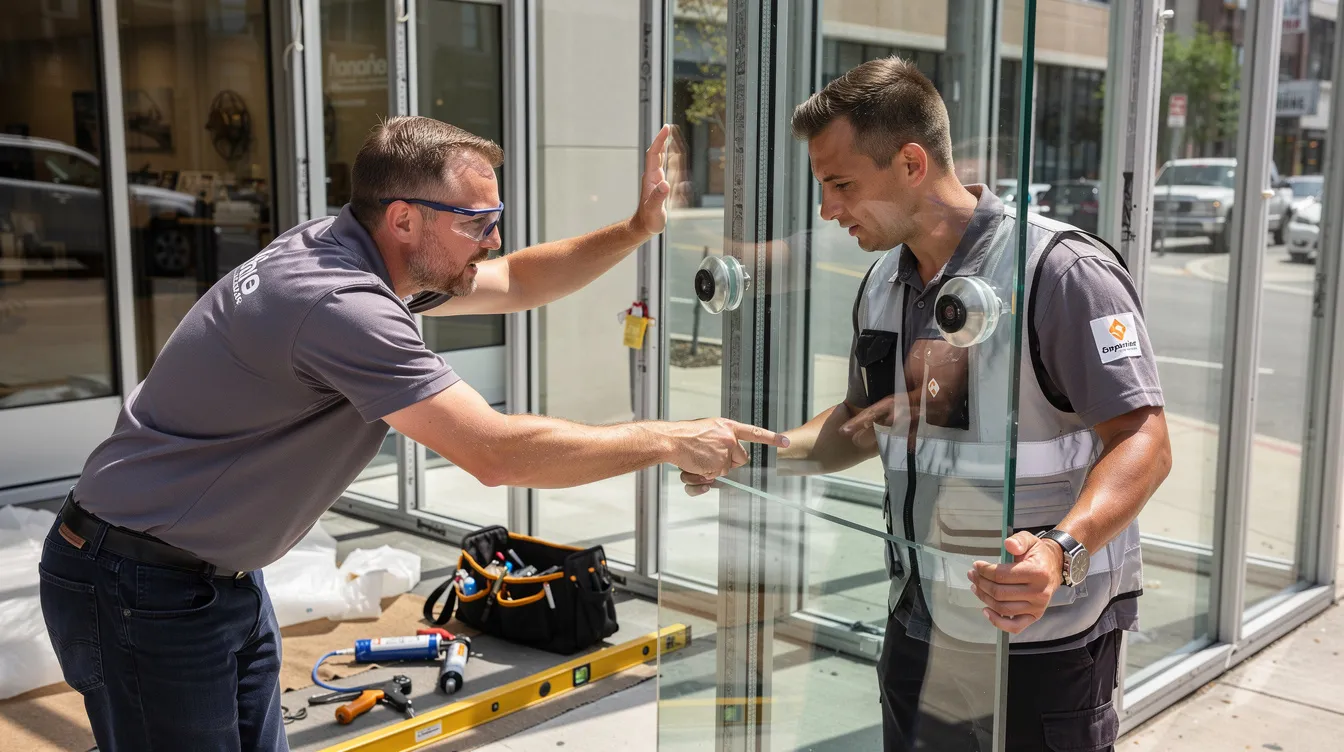
Top franchises for training and support provide rigorous initial onboarding and long-term assistance. They don’t treat training as a single event. Instead, they layer it across three phases that build on each other throughout the franchise journey, a structure you’ll see in proven franchise business models in booming industries like window film.
Initial training typically occurs before opening the franchise location. For many service and home-based brands, this phase spans one to four weeks. Franchise training programs can last from a few weeks to several months depending on complexity. During this window, new franchisees learn the business model, daily operations, launch planning, and core systems. CoolVu, for example, runs a four-day in person training program with executives and regional performance coaches, led by an experienced franchise leadership team with deep industry history.
On site training happens in the franchisee’s territory. A company representative shadows installations, reviews sales processes, and helps enforce what was learned during initial training. CoolVu provides up to two days of on-site opening assistance after launch. This hands-on reinforcement is where confidence gets built.
Ongoing training is what separates a successful franchise from one that stalls after year one. This includes regular webinars, regional meetings, annual conventions, and on-demand online courses. Franchisees receive regular updates and ongoing training sessions to stay current on products, marketing strategies, and best practices. Hybrid models mixing in person, on-site, and online training are now standard across the franchise industry.
How Franchise Training Is Delivered: In-Person, Online, and Hybrid Models
Most strong franchise systems now use a hybrid approach that combines corporate headquarters training, remote learning, and in-field coaching.
In person training at the corporate location functions as “franchise university.” It’s an immersive experience focused on systems, culture, and practice. CoolVu’s initial training covers product knowledge, installation techniques, sales and estimating, marketing strategies, territory profitability, and technology as part of a clearly defined process for becoming a CoolVu franchise owner. Certified trainers and executive coaches lead these training sessions, giving new franchisees direct access to leadership.
Online training elements include self-paced video modules, live webinars, recorded sales role-plays, quizzes, and digital training material accessible through a learning management system. In today’s digital age, these platforms allow franchisees and their staff to refresh skills, learn new products, and access updated procedures from a laptop or phone, aligning with the expectations outlined in CoolVu’s franchise FAQs on training and support.
The benefits of hybrid models are practical. They reduce travel costs, speed up onboarding for new hires, and let franchisors roll out updates across the entire franchise system rapidly. When a new marketing campaign launches or a product line expands, every franchise owner gets access simultaneously.
Compare this to outdated one-and-done classroom training. Brands that offer only a single week of training with no built-in follow-up tend to see more quality drift, more operational issues, and more franchisee frustration. Modern continuous learning ecosystems are what robust training programs look like in practice.
What Great Franchise Training Programs Actually Cover
Comprehensive training covers operations, marketing, and customer service, but the best programs go much deeper. Here’s what a thorough curriculum addresses.
Operations management training teaches franchisees daily operations workflows, job checklists, scheduling, supply ordering, quality control, and vendor relations. For field-based businesses, this also includes mobile dispatch, vehicle branding, and route planning. These operational procedures form the backbone of consistent service delivery.
Sales and estimating training teaches franchisees how to quote jobs accurately, manage material and labor costs, close sales, and handle objections. Franchisees learn to estimate square footage, understand product performance specs, and present proposals that win both residential and commercial clients. This area directly impacts financial management and profitability.
Marketing support training covers local SEO, Google Business Profile optimization, referral partnerships with contractors and architects, community outreach, and leveraging national advertising campaigns. Franchise training ensures brand consistency and operational efficiency across all franchise locations by aligning local efforts with the brand’s mission and reinforcing key benefits of franchise ownership such as built-in marketing support.
Financial and business management instruction includes reading income statements, managing overhead, tracking royalties, budgeting, and setting pricing. Franchise training includes hands-on sessions with proprietary software for quoting, CRM, and scheduling, giving owners the essential knowledge to run their business operations confidently.
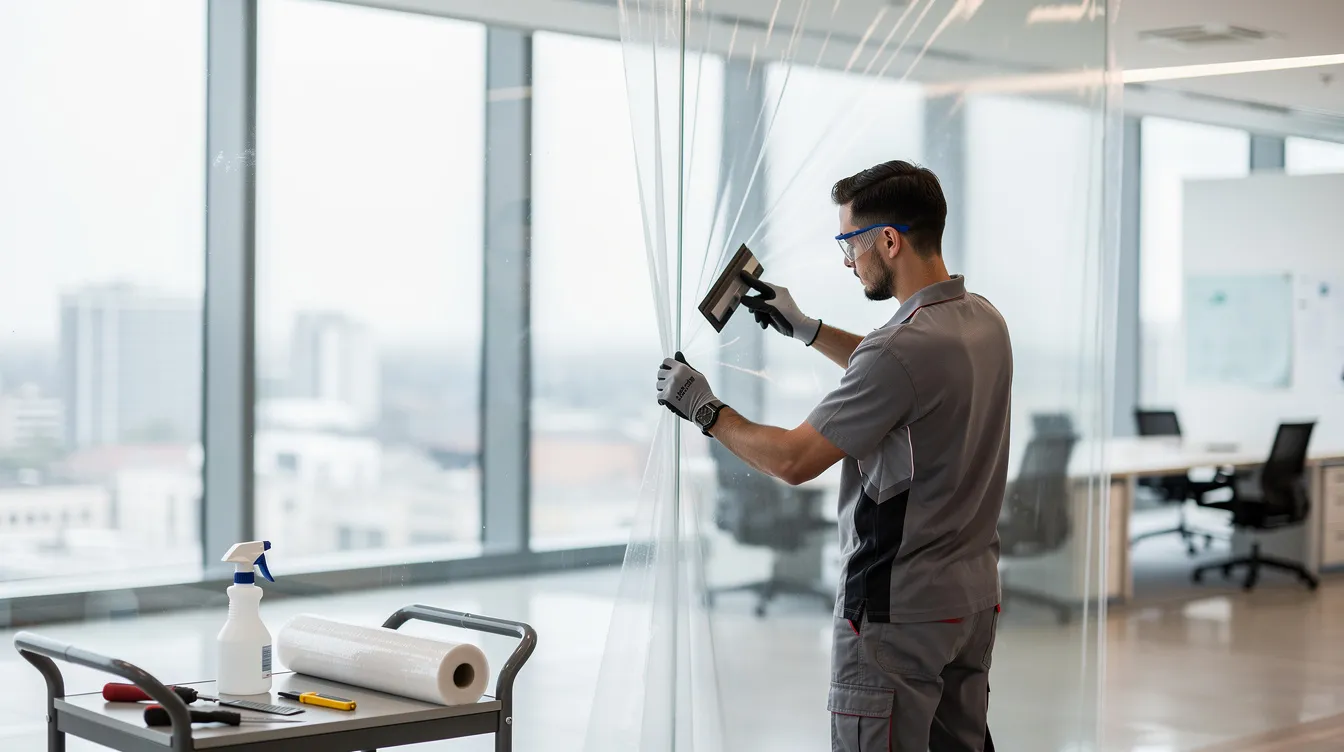
For technical franchises like CoolVu, specialized product training is critical. This covers window film types, energy efficiency ratings, safety and security film standards, architectural surface finishes, and smart switchable films. These topics are best taught with both classroom theory and hands on training in real-world installations, especially in window tinting franchises that offer multiple revenue streams across films and finishes. The American Franchise Academy offers specialized programs to help franchisees with profit maximization, and similarly, top franchise brands build technical depth into their own curricula.
Beyond Training: The Ongoing Support Systems Top Franchises Provide
Initial franchise training delivers knowledge. Ongoing support is what sustains performance month after month. Franchisors provide ongoing support to ensure franchisee success well beyond the launch phase.
Continuous support includes marketing assistance and operational guidance through field operations coaches who visit territories, marketing teams running campaigns, technology help desks, and preferred vendor networks. Franchisors often have a network of representatives for franchisee support, ensuring that help is never more than a phone call away, a theme echoed in CoolVu franchise reviews that highlight strong ongoing support.
For service brands, this looks like centralized teams booking appointments, operations managers analyzing KPIs with local owners, and marketing professionals developing creative assets and marketing materials. Ongoing support helps franchisees stay updated with industry best practices and adapt to market shifts.
Strong community matters too. Peer-franchisee networks, annual conferences, and mastermind groups let franchise owners learn from fellow franchisees. CoolVu holds annual conferences and masterminds where business partners share proven strategies and solve problems together, as showcased in CoolVu franchisee testimonials and reviews. This strong community of other franchisees is often cited as one of the most valuable aspects of franchise ownership.
How to Evaluate a Franchise’s Training and Support Before You Invest
Start with the Franchise Disclosure Document. Item 11 legally describes the franchisor’s training obligations: topics covered, hours, location, and costs. This is where marketing claims meet contractual reality. Every prospective franchisee should read this section carefully.
Prepare specific questions for the franchisor. Ask how many days or weeks initial training lasts, whether technicians and installers get hands on training, how often ongoing training occurs, what online training portals are available, who covers travel and lodging, what post training support looks like in the first 90 days, and what happens if performance lags. These aren’t casual questions. They reveal how seriously the brand treats its support systems.
Speak with at least three to five current franchisees. Ask about their real experience with training and day to day operations support. Find out how the franchisor responded when sales dipped or when they hit obstacles. Franchisee satisfaction in training and operational assistance can be found on franchise rating platforms, which provide unfiltered feedback and complement broader guidance on whether it’s a good idea to buy a franchise and what to evaluate.
Work with a franchise-savvy attorney or consultant to interpret FDD disclosures and ensure support obligations are clearly defined in the franchise agreement. Vague promises aren’t enforceable. Clear commitments are.
CoolVu’s Franchise Training and Support: A Real-World Example
CoolVu is a home-based franchise opportunity in window film, tinting, decorative graphics, architectural finishes, and smart switchable films. It launched its franchise system in January 2022, backed by decades of industry experience through its founders and parent company, FutureVu Brands.
CoolVu’s initial training is a four-day in person program covering product knowledge, installation techniques, sales and estimating, marketing strategies, territory profitability, and proprietary software systems. Up to two principal owners or one owner plus one technician can attend. This training provided at the outset gives new franchisees a solid foundation in both technical skills and business fundamentals.
After launch, CoolVu delivers up to two days of on-site support in the franchisee’s territory. Ongoing training and continuous support include sales and performance coaching, in-field installation assistance, large project guidance, marketing support, and new product rollout training. Franchisees benefit from being part of a national vendor network through Window Film Depot, gaining supply chain advantages that independent operators can’t match.
CoolVu’s total initial investment ranges from $56,350 to $94,350, with a franchise fee up to $19,900. Financing is available. The model targets motivated self-starters, including veterans, first responders, women, and minorities. No prior industry experience is required because the training program is designed to build every necessary skill from scratch, as further detailed in CoolVu’s franchise FAQ on costs, incentives, and qualifications.
Common Mistakes Prospective Franchisees Make About Training and Support
Mistaking brand recognition for operational strength is the most common error. A recognized brand with weak training is a worse investment than a lesser-known brand with robust systems. Evaluate the training cover and depth rather than just the logo.
Underestimating ongoing training is another frequent mistake. Some franchisors deliver excellent classroom training but offer minimal follow-up. Without additional training and coaching over time, quality drifts and the franchise’s success suffers, which is why many guides to the best franchises to buy right now emphasize strong support systems.
Skipping discovery days and failing to call enough franchisees leaves prospective owners with an incomplete picture. Ask for training calendars, sample training material, and real life examples of how the franchisor has supported struggling owners. If the brand can’t provide these, proceed with caution.
Finally, assuming low cost equals low risk is dangerous. A cheap franchise fee paired with underdeveloped support often leads to costly errors. Budget not just for the investment but for the working capital and time needed for proper training and ramp-up.
Is a Franchise with Strong Training Right for You? Key Signs You’ll Benefit
If you have little or no experience in the industry you’re entering, a training-centric franchise system is essential. It levels the playing field and gives you the necessary skills to compete immediately. CoolVu, for example, regularly onboards owners with zero background in window film or construction and is often cited in expert guides to the best franchises to buy into based on support and scalability.
Personality traits matter. Coachability, willingness to follow a proven track record system, comfort with ongoing learning, and the ability to implement feedback are all traits that thrive within a structured franchise. New franchise owners who embrace the system tend to reach profitability faster, especially in structured concepts backed by real-world franchising examples designed to inspire and guide newcomers.
If you’re a highly independent entrepreneur who resists standards and wants to build everything from scratch, a franchise may feel restrictive. That’s not a flaw in the model. It’s a fit question. Be honest with yourself before committing capital to a new business.
FAQs About Franchise Training and Support
How long does initial franchise training usually last?
For many service and home-based brands, initial training typically lasts a few weeks to several months depending on complexity. CoolVu’s initial training program runs four days in person, supplemented with pre-launch planning and post-opening field support. More complex retail or food concepts may require six to eight weeks or longer.
Is franchise training included in the franchise fee?
Most reputable brands include core initial training for the franchise owner in the franchise fee. However, travel, lodging, extra attendees, and optional advanced online courses may carry separate costs. Verify all training-related expenses in the FDD, specifically Items 5, 6, and 11.
What kind of ongoing training and support should I expect?
Ongoing training should include webinars, updated e-learning modules, field visits, regional meetings, and annual conventions. It should address new products, marketing campaigns, technology updates, and performance coaching. CoolVu provides sales coaching, installation support, and marketing strategy updates throughout the life of the relationship.
Do I need industry experience before I can benefit from training?
Many franchise systems, including CoolVu, are designed for people without prior industry experience. The training program focuses on teaching both technical skills and business ownership fundamentals. A willingness to learn, follow systems, and invest time matters far more than a specific background. New franchisees regularly come from corporate, military, or completely unrelated careers.
Can my staff or managers participate in franchise training programs?
Yes. Many franchisors allow or encourage key team members, managers, technicians, and installers to attend portions of training or access online training portals. CoolVu’s initial training covers up to two principal owners or one owner plus one technician. Ask in advance which roles are included and whether there are fees for additional trainees.
What happens if I struggle after opening, even after training?
Strong franchisors respond with targeted field visits, extra coaching calls, refreshed marketing plans, and access to advanced training sessions. Ask current franchisees how the brand reacted when their sales dipped or they ran into operational problems. A franchisor’s response during tough periods reveals more about the franchise system than any marketing brochure.
Why Choose a Training-Focused Franchise Like CoolVu?
Choosing franchises with training and support as a primary criterion protects your investment and accelerates your path to profitability. Quality training is essential for franchisee success and longevity, and it separates owners who struggle from those who scale.
CoolVu stands out with a home-based, low-overhead model, protected territories, in-house financing options, and a comprehensive training program built around window film, tinting, decorative graphics, and architectural finishes. The brand teaches franchisees every skill needed to serve both residential and commercial clients, regardless of prior experience, making it a compelling interior design franchise opportunity focused on window and surface solutions. Its proven strategies for sales, marketing, and operations give owners a clear playbook from day one.
CoolVu’s ongoing support, including operations guidance, marketing campaigns, supplier relationships, and access to industry trends, positions franchisees for long term success as a scalable home decor franchise centered on modern window and glass solutions. Whether you’re a veteran, first responder, career changer, or aspiring entrepreneur, the system is built to help you grow from your first installation to a thriving multi-territory business.
Next Steps: How to Explore Franchises with Strong Training and Support
Start by clarifying your budget and lifestyle goals. Shortlist franchises known for comprehensive training, request FDDs, attend discovery events, and speak with current owners. Do the homework before you sign anything, paying attention to which industries are most likely to franchise and where demand is growing.
If a home-based, B2B and B2C service model with strong training and continuous support resonates with you, CoolVu is worth a serious look as one of the best home-based window tinting franchise options available today. Contact CoolVu to request a franchise information kit, schedule a discovery call, or attend a virtual webinar to learn more about their franchise training program and support systems and decide if buying a franchise like CoolVu is a good idea for your goals. The right franchise doesn’t just sell you a brand. It teaches you how to build a business.