Table of Contents
The entrepreneurial spirit is a powerful force, driving individuals to seek new ventures and build lasting legacies. For many, the path to business ownership involves acquiring an existing small business rather than starting from scratch. This approach, while potentially lucrative, presents its own unique set of complexities and risks.
As an experienced business advisor and strategic investor, I understand the inherent challenges and the immense potential that lies within this journey. You, like “Experienced Entrepreneur Eleanor,” may be seeking highly profitable investment opportunities to expand your business empire, looking for guidance on how to secure strong returns and robust support. This comprehensive guide is designed to demystify the process of how to buy into a small business, offering a strategic, problem-solution approach that illuminates the critical factors and strategic steps involved.
We will explore the nuances of independent acquisition versus the significant advantages of a proven franchise system like CoolVu, ultimately positioning a robust franchise opportunity as a superior pathway to profitability and scalability, backed by data-informed insights and a track record of success.
Understanding Your Motivation: Why Buy Into a Small Business?
Embarking on the journey of small business investment requires a clear understanding of your underlying motivations and objectives. This isn’t just about buying an asset; it’s about acquiring a future, a challenge, and a potential legacy. Before you even begin to look at listings or crunch numbers, take the time for deep introspection.
Defining Your Entrepreneurial Goals and Aspirations
What does success truly look like to you? For some, it’s the freedom of being their own boss, for others, it’s about financial independence or building a multi-generational enterprise.
Perhaps, like Eleanor, your goal is to expand an existing business empire, seeking new ventures that offer strong returns and strategic growth opportunities.
Your goals will dictate the type of business you pursue, the level of risk you’re willing to undertake, and the resources you’re prepared to commit.
Clearly defined aspirations serve as your compass throughout the complex process of small business acquisition.

Assessing Your Risk Tolerance and Investment Capacity
Every investment carries risk, and small business investment is no exception. How much capital are you prepared to invest, and what level of potential loss can you comfortably absorb? Are you a high-stakes player looking for aggressive growth, or do you prefer a more stable, predictable return? Your personal financial situation and your psychological comfort with uncertainty will heavily influence the opportunities you should consider. Understanding your investment capacity involves a realistic appraisal of both your liquid assets and your ability to secure financing.
Identifying Your Ideal Business Type and Industry
The world of small businesses is vast, encompassing everything from local retail shops to specialized service providers. Which industries resonate with your interests or complement your existing portfolio? Do you have a passion for a specific niche, or are you drawn to sectors with high growth potential, like the window film and tinting industry? Research market trends, assess industry stability, and consider where your skills and experience can be best applied. This phase of the small business acquisition guide helps narrow down your search, making it more efficient and focused.
Evaluating Your Personal Strengths and Weaknesses
Successful entrepreneurs are often self-aware. What are your core competencies? Are you a natural leader, a meticulous manager, a marketing guru, or a financial wizard? Conversely, where are your weaknesses? Perhaps you excel at sales but lack operational expertise, or you’re a visionary but struggle with day-to-day administration. Identifying these areas is crucial because it helps you determine if a particular business requires skills you already possess or if you’ll need to hire a team or seek a partner to fill those gaps. This self-assessment is especially vital when considering franchise investment opportunities, as many offer comprehensive support to mitigate individual weaknesses.
Understanding the Time Commitment Required
Owning a small business is rarely a 9-to-5 endeavor, particularly in the early stages of acquisition and transition. Are you prepared for long hours, significant personal involvement, and the relentless demands of leadership? Will you be managing staff, handling customer service, overseeing operations, and driving sales? The time commitment required can be substantial, and a realistic understanding of this commitment is essential for long-term satisfaction and success in entrepreneurship. This is a critical factor for any entrepreneur, especially one looking to expand their empire, as it impacts the ability to manage multiple ventures.
The Independent Path vs. The Franchise Advantage: Key Differences
When considering how to buy into a small business, a fundamental decision arises: pursue an independent acquisition or invest in a franchise? Each path offers distinct advantages and disadvantages that warrant careful consideration, particularly for those like Eleanor who prioritize strong returns and robust support.
Independent Business Acquisition
The independent path offers the allure of complete autonomy and the potential for uncapped returns, yet it comes with significant challenges.
Advantages: Full Control, Potential for Higher Profits (with Higher Risk)
With an independent acquisition, you are the sole decision-maker. You have full creative control over branding, operations, product development, and strategy. There are no royalties or ongoing fees to a franchisor, meaning that all profits, after expenses, belong solely to you. This can translate to higher net profits if the business performs exceptionally well under your stewardship.
Disadvantages: Higher Risk, Greater Financial Burden, Extensive Operational Responsibilities, Marketing Burden, Need for Diverse Expertise
The flip side of full control is bearing all the risk. An independent business typically lacks a proven roadmap, meaning you must develop and refine every system from scratch. This translates into a significantly greater financial burden, as initial investments often cover not just the purchase price but also substantial working capital and unexpected costs. Operationally, you are responsible for everything: hiring, training, inventory, supply chain, compliance, and more. The marketing burden is entirely yours, requiring significant investment in brand building and customer acquisition without the leverage of a national brand. Furthermore, you need a diverse range of expertise—sales, marketing, finance, human resources, operations—often requiring you to wear many hats or hire a costly management team.
Steps Involved: Identifying Target Businesses, Conducting Due Diligence, Negotiating the Purchase Price, Securing Financing
The process begins with identifying target businesses that align with your motivations and investment capacity. This can be a labor-intensive search, often requiring brokers or extensive networking.
Following identification, rigorous due diligence is paramount. This involves deep dives into financials, market position, legal standing, and operational health.
The next step is negotiating the purchase price, a complex dance often involving multiple rounds and professional advisors. Finally, securing financing through traditional banks, SBA loans, or private investors is critical, a process that can be arduous for an unproven independent venture.

Examples of Common Pitfalls
Many independent buyers, despite good intentions, fall victim to predictable challenges. One common pitfall is underestimating working capital needs, leading to cash flow crises post-acquisition. Another is failing to account for the owner’s salary, effectively working for free while trying to stabilize the business. Ignoring the competition or changing market dynamics can quickly erode profitability, as can neglecting customer retention efforts in the enthusiasm of a new acquisition. Lastly, overpaying for a business based on historical performance without a clear growth strategy is a significant risk, especially if the previous owner was integral to its success.
Case Study: A Hypothetical Independent Acquisition Gone Wrong
Consider Hypothetical Scenario A, where an ambitious entrepreneur, let’s call him Mark, purchased “Widgets & More,” a seemingly thriving independent hardware store. Mark was attracted to its established customer base and steady revenues. However, he overlooked critical factors during his due diligence. He didn’t fully analyze the aging inventory, which included many obsolete items, nor did he assess the declining foot traffic in the shopping plaza due to a new bypass road.
Mark also failed to realize that the previous owner’s charisma was the primary driver of customer loyalty, and without him, the customer base began to dwindle. Mark invested heavily in modernizing the store and launching digital marketing, but without a proven system or established brand recognition, his efforts yielded slow returns. The capital he allocated for improvements quickly ran out, and he found himself in a constant struggle for cash flow, unable to compete with larger retailers or adapt quickly to market shifts. Within three years, Widgets & More was struggling, highlighting the immense risks of independent ventures without a robust support system.
Franchise Acquisition (CoolVu Example)
Investing in a franchise offers a fundamentally different proposition, leveraging a proven system and established brand to mitigate many of the risks inherent in independent acquisition. This is particularly appealing for those looking at “franchise investment opportunities.”
Advantages: Lower Risk, Established Brand Recognition, Operational Support, Marketing Assistance, Training and Ongoing Mentorship, Proven Business Model
The primary advantage of a franchise is the significantly lower risk profile. You are buying into a business with a proven track record, a recognized brand name, and an existing customer base. This drastically reduces the initial uncertainty. Franchisors provide comprehensive operational support, including detailed manuals, best practices, and often proprietary technology. Marketing assistance comes in the form of national campaigns, local marketing templates, and a strong brand presence. Crucially, franchisees receive extensive initial training and ongoing mentorship, bridging knowledge gaps and ensuring consistent quality. This proven business model provides a clear roadmap for success, helping you navigate the complexities of running a small business.
Disadvantages: Royalties and Fees, Less Creative Freedom, Adherence to Brand Standards
While beneficial, the franchise model does come with certain constraints. Franchisees typically pay initial franchise fees and ongoing royalties, which are a percentage of gross sales or a fixed fee. This reduces net profit margins compared to a highly successful independent business. You also have less creative freedom; you must operate within the established brand standards, approved suppliers, and operational guidelines set by the franchisor. While this ensures consistency and brand integrity, it means less room for individual customization or radical strategic shifts.
The CoolVu Franchise Model: Detailing the Franchise’s Proven Track Record and Support Systems
CoolVu exemplifies the best of franchise investment opportunities, particularly within the lucrative window film and tinting industry. Our founders bring three decades of unparalleled window industry and franchise development experience, providing an unmatched depth of expertise. This isn’t just theory; we have a proven track record with four years of experience launching new window film and tinting franchise territories across the country.
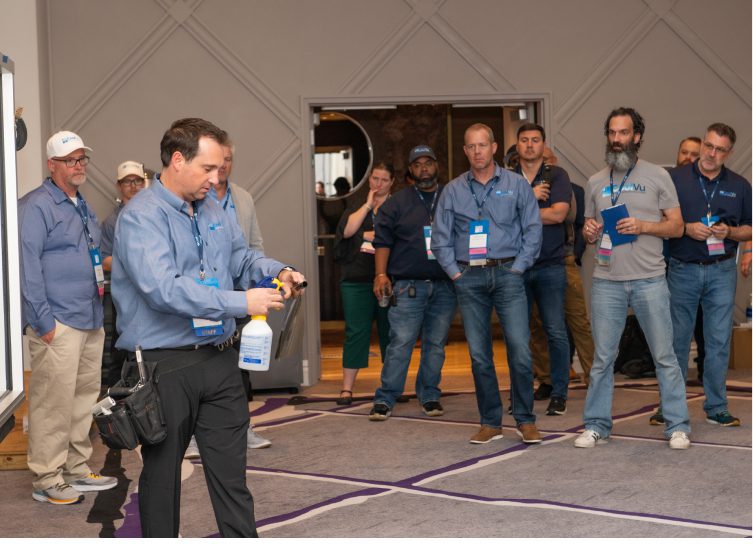
Our comprehensive support system is a cornerstone of our value proposition. It begins with a robust sales, marketing, and cultural onboarding program, ensuring every new franchisee is fully equipped from day one. This includes in-depth training on our products, sales techniques, installation best practices, and customer service protocols. Beyond the initial phase, CoolVu offers continuous learning and networking opportunities through ongoing masterminds and rotating courses, fostering a culture of excellence and shared growth. We also prioritize building a strong community, exemplified by our awesome annual conference where franchisees can connect, share insights, and learn from industry leaders. This holistic support system is designed to empower both seasoned business owners and aspiring entrepreneurs to achieve greater success and profitability.
Comparing the Financial Models: Independent vs. Franchise (Profit Potential and Risk Assessment)
When comparing financial models, the core difference lies in the risk-adjusted return. While a highly successful independent business might yield a higher percentage of gross profit as net profit (due to no royalties), the path to that success is fraught with higher startup costs, uncertain revenue generation, and greater operational risk. Many independent businesses fail or struggle for years to achieve profitability.
Hypothetical Example B: Let’s consider two entrepreneurs, both investing $250,000.
- Independent: John invests in a new, unproven service business. He spends $100,000 on startup costs (equipment, rent, initial marketing) and $150,000 as working capital. In year one, he generates $200,000 in revenue but struggles with customer acquisition and operational inefficiencies. After expenses (including his own modest salary), he breaks even or incurs a small loss. His risk exposure is 100% of his investment, and his path to scalability is unclear.
- Franchise (CoolVu): Sarah invests in a CoolVu franchise. Her $250,000 covers the franchise fee, territory rights, initial training, equipment, and enough working capital. She benefits from an established brand and a proven marketing playbook. In year one, with CoolVu’s support, she generates $350,000 in revenue. After expenses and a 6% royalty fee, her net profit is $70,000. While she pays royalties, her path to profitability is clearer, her operational risks are significantly reduced, and she has a blueprint for scaling her business.
This comparison highlights that while franchise royalties are a cost, they often lead to significantly higher gross revenues and a more consistent path to profitability due to the de-risking elements and comprehensive support, making it a strategic investment for those prioritizing strong returns and scalability.
Essential Steps to Buying a Small Business (Due Diligence, Valuation, Financing)
Acquiring a small business is a methodical process that demands meticulous attention to detail at every stage. This section of our small business acquisition guide focuses on the three pillars of a successful transaction: due diligence, business valuation, and securing appropriate financing.
Due Diligence
Due diligence is the exhaustive investigation of a business before an acquisition. It’s about uncovering everything—the good, the bad, and the ugly—to ensure you fully understand what you’re buying. This process helps minimize surprises and informs your negotiation strategy.
Financial Statement Analysis
This is often the first and most critical step. You’ll need to meticulously review the past three to five years of financial statements, including profit and loss statements, balance sheets, and cash flow statements.
Look for trends in revenue, expenses, and profitability. Pay close attention to discrepancies, one-time expenses, and the owner’s discretionary expenses that might inflate profits. Verify that all revenues are accurately reported and that no significant liabilities are hidden.
Understanding the true financial health is paramount for any small business investment.

Market Research and Competitor Analysis
Investigate the market in which the business operates. What are the industry trends? Who are the key competitors, and what are their strengths and weaknesses? What is the business’s market share, and is the market growing, stable, or shrinking? Understanding the external environment helps you assess the future viability and growth potential of the business. For instance, in the window film and tinting industry, understanding local market demand and competitive landscape is crucial.
Legal Review of Contracts and Agreements
A thorough legal review is essential to uncover any potential liabilities or obligations. This includes examining supplier contracts, customer agreements, employee contracts, leases, intellectual property rights, and any pending litigation or regulatory issues. Ensure there are no clauses that could hinder your ability to operate or sell the business in the future. A clean legal slate is vital for long-term trust and stability.
Operational Review: Assessing Efficiency and Potential for Improvement
Dive deep into the day-to-day operations. How efficient are the current processes? What systems and technologies are in place? Review staffing levels, employee turnover, and management structure. Identify bottlenecks, areas of waste, and opportunities for streamlining or automation. Understanding the operational heartbeat of the business allows you to project future performance and identify areas where your expertise can drive immediate improvements.
Customer Relationship Analysis: Understanding Customer Base and Loyalty
The customer base is the lifeblood of any business. Analyze customer demographics, purchasing patterns, and churn rates. How loyal are the customers? Are there many repeat clients, or is the business reliant on one or two major accounts? Conduct customer surveys or interviews if possible to gauge satisfaction levels and identify areas for improvement. A strong, diverse, and loyal customer base indicates a healthy, sustainable business.
Business Valuation
Determining a fair purchase price is central to a smart small business investment. Valuation is not an exact science but a blend of art and data-driven analysis.
Different Valuation Methods (Asset-Based, Income-Based, Market-Based)
Several methods can be used to value a small business, and often, a combination provides the most accurate picture.
- Asset-Based Valuation: This method calculates the value of the business based on the fair market value of its tangible and intangible assets, minus its liabilities. It’s often used for asset-heavy businesses or as a baseline.
- Income-Based Valuation: This approach focuses on the business’s ability to generate future earnings. Methods like Discounted Cash Flow (DCF) or capitalization of earnings (owner’s discretionary earnings multiplier) are common, projecting future cash flows and discounting them back to a present value.
- Market-Based Valuation: This method compares the business to similar businesses that have recently sold. It uses industry multiples (e.g., a multiple of revenue or EBITDA) to arrive at a value. This requires access to comparable sales data, which can be challenging for private businesses.
Determining a Fair Purchase Price
A fair purchase price is one that reflects the business’s true value, its growth potential, and current market conditions, while also providing a reasonable return on investment for the buyer. It’s not just about the seller’s asking price; it’s about what the business is realistically worth to you and the market.
Negotiating the Deal
Negotiation is a critical skill in business acquisition. Be prepared to present your valuation, justify your offers, and address the seller’s expectations. Focus on creating a win-win scenario where both parties feel satisfied. The deal structure can also be a point of negotiation, including earn-outs, seller financing, or non-compete clauses.
Utilizing Professional Valuation Services
For significant small business investment, engaging a professional business appraiser is highly recommended. These experts have the experience and access to data to conduct a thorough and objective valuation, providing you with a credible basis for your offer and negotiations. Their insights are invaluable for any buying an existing business checklist.
Financing Options
Securing adequate financing is often the make-or-break factor in any acquisition. Understanding your options is key to structuring a sustainable deal.
SBA Loans
The U.S. Small Business Administration (SBA) guarantees loans made by conventional lenders, reducing the risk for banks and making it easier for small businesses to obtain funding. SBA 7(a) and 504 loans are popular options for business acquisition, often featuring lower down payments and longer repayment terms than traditional loans. These loans are a cornerstone for many seeking small business investment.
Conventional Business Loans
Traditional banks offer various business loans, including term loans, lines of credit, and commercial mortgages. These typically require a strong credit history, substantial collateral, and a robust business plan. While conventional loans can be more flexible than SBA loans in some aspects, their underwriting criteria can be stringent.
Private Equity
For larger acquisitions or businesses with significant growth potential, private equity firms or angel investors might be an option. These investors provide capital in exchange for an equity stake in the business. While they bring capital, they also often come with expectations for involvement and a clear exit strategy.

Personal Savings and Investments
Many entrepreneurs use a portion of their personal savings or investments to fund their acquisition, either as a full down payment or to secure other financing. This demonstrates commitment and reduces the amount of external capital needed, though it also increases personal risk.
Franchise Financing Options (CoolVu’s Partnerships or Available Options)
One of the distinct advantages of exploring franchise investment opportunities, particularly with a reputable brand like CoolVu, is the potential for streamlined financing. CoolVu, understanding the importance of accessible capital, can guide prospective franchisees through various financing avenues. This often includes relationships with preferred lenders who are familiar with the CoolVu business model and have successfully financed other franchisees. These partnerships can simplify the application process and increase the likelihood of approval for SBA loans or conventional business loans, leveraging the brand’s proven track record and reducing perceived lender risk.
Mitigating Risk: The Role of a Proven Business Model
Risk is inherent in any small business investment, but the extent of that risk can vary dramatically depending on your chosen path. A key advantage of a franchise model, like CoolVu, is its ability to significantly mitigate many of the common risks associated with business acquisition.
Risk Assessment in Business Acquisition
Before discussing mitigation, it’s vital to categorize the primary risks you face when buying into a small business.
Market Risks
These relate to external forces impacting the industry or specific market segment.
- Economic Downturns: A general recession can reduce consumer spending, impacting revenues.
- Changing Consumer Preferences: Tastes evolve, potentially making products or services obsolete.
- Intensified Competition: New entrants or aggressive existing competitors can erode market share and profitability.
- Technological Disruptions: New technologies can fundamentally alter an industry, rendering existing business models less competitive.

Operational Risks
These are internal risks related to the day-to-day running of the business.
- Inefficient Processes: Poorly designed or executed operational workflows can lead to waste, delays, and dissatisfied customers.
- Key Employee Turnover: Losing critical staff members (e.g., skilled technicians, experienced sales personnel) can disrupt operations and impact service quality.
- Supply Chain Issues: Disruptions in the supply of materials or products can halt production or service delivery.
- Quality Control Problems: Inconsistent product or service quality can damage reputation and lead to customer churn.
Financial Risks
These concern the financial health and stability of the acquired business.
- Cash Flow Shortages: Insufficient liquid funds to cover operational expenses, despite being profitable on paper.
- Overvalued Business: Paying too much for a business that cannot generate sufficient returns to justify the investment.
- Unexpected Liabilities: Unforeseen debts, legal claims, or tax issues from the previous ownership.
- Interest Rate Fluctuations: Rising interest rates can increase the cost of financing, impacting profitability.
Legal and Regulatory Risks
These involve compliance with laws, regulations, and potential legal challenges.
- Non-Compliance: Failure to adhere to industry-specific regulations, labor laws, or environmental standards, leading to fines or legal action.
- Contractual Disputes: Disagreements with suppliers, customers, or employees over contract terms.
- Permit and Licensing Issues: Lack of proper permits or licenses, or difficulty in transferring them.
The Value of a Franchise System
A robust franchise system is inherently designed to address and mitigate these risks through its standardized processes, established brand, and ongoing support.
Reduced Operational Risks Through Proven Systems and Processes
Franchises come with comprehensive operational manuals and established standard operating procedures (SOPs). This means you don’t have to invent the wheel; you simply follow a tested blueprint. From customer intake to service delivery and inventory management, every process is optimized for efficiency and consistency. This drastically reduces the likelihood of internal inefficiencies and operational missteps that often plague independent startups or acquisitions.
Marketing and Brand Support Reducing Marketing Risks
Perhaps one of the most significant advantages of a franchise is the pre-existing brand recognition. You don’t need to build a brand from scratch or invest heavily in proving your credibility. Franchisors typically provide extensive marketing support, including national advertising campaigns, localized marketing strategies, digital assets, and lead generation tools. This collective marketing power significantly reduces your individual marketing burden and the risks associated with acquiring new customers, allowing you to focus on executing the small business investment.
Ongoing Training and Support to Mitigate Operational Challenges
CoolVu’s commitment to continuous learning through masterminds and rotating courses is a prime example of how franchises mitigate risk. Should operational challenges arise, franchisees aren’t left to fend for themselves. They have access to experienced support teams, peer networks, and ongoing training that covers everything from new product introductions to advanced sales techniques. This continuous mentorship helps franchisees adapt to new market conditions, troubleshoot issues effectively, and continuously improve their business performance.
Risk Mitigation Specific to CoolVu – Showcasing Their Risk Reduction Strategies
CoolVu’s extensive E-E-A-T signals directly translate into powerful risk mitigation strategies. The founders’ three decades of unparalleled window industry and franchise development experience mean that the CoolVu system has been refined through years of real-world application, anticipating and addressing potential pitfalls before they impact franchisees. Our proven track record with four years of successfully launching new window film and tinting franchise territories demonstrates a resilient and adaptable business model. This experience means CoolVu has already encountered and solved many of the challenges that an independent operator would face, effectively de-risking your small business investment. From market entry strategies to supplier relationships and technical training, CoolVu provides a protective layer of expertise.
Comparing Risk Profiles: Independent vs. Franchise
The contrast in risk profiles between independent acquisition and franchise investment is stark. An independent buyer shoulders the full burden of market, operational, financial, and legal risks, relying solely on their own foresight, capital, and expertise. This path offers unlimited potential reward, but also unlimited potential for failure.
Conversely, a franchisee operates within a protective ecosystem. While not entirely risk-free, the proven business model, established brand, comprehensive support, and collective strength of a franchise system significantly reduce the magnitude and probability of these risks. For an entrepreneur like Eleanor, seeking strong returns and scalability with reduced uncertainty, a franchise offers a strategically sound and de-risked pathway to expanding her business empire. The investment in a franchise fee and ongoing royalties can be seen as a premium paid for risk mitigation, support, and a higher probability of success, a trade-off many astute investors find highly favorable.
Beyond the Purchase: What Makes a Small Business Truly Grow?
Acquiring a small business is just the beginning. The true measure of a smart small business investment lies in its capacity for sustained growth and profitability under your stewardship. This requires a strategic focus on three core pillars: operational management, sales and marketing, and financial health with an eye toward scalability.
Operational Management & Efficiency
Efficient operations are the backbone of a successful business. Without them, even the best products or services will struggle.
Streamlining Processes
Review every aspect of your business’s workflow. Are there redundant steps? Can tasks be automated? For example, implementing a digital scheduling system for window film installations or automating inventory reordering can drastically reduce administrative burden and improve service delivery. Efficient processes lead to reduced costs, faster service, and happier customers.
Implementing Effective Technology
Technology is no longer a luxury but a necessity for growth. This includes robust CRM (Customer Relationship Management) systems to manage client interactions, accounting software for accurate financial tracking, and industry-specific tools that enhance service delivery. For a tinting franchise like CoolVu, specialized software for quoting or managing installation schedules can provide a significant competitive edge and improve technician efficiency.
Staff Training and Development
Your employees are your most valuable asset. Continuous training not only improves their skills and productivity but also boosts morale and retention. Invest in programs that enhance technical expertise, customer service skills, and sales acumen. A well-trained team is more capable of delivering consistent, high-quality service, which is essential for customer loyalty and positive word-of-mouth.
Customer Relationship Management
Building strong, lasting relationships with customers is critical for repeat business and referrals. This involves attentive service, effective communication, and proactively addressing feedback. A strong CRM system, coupled with personalized follow-ups, can transform one-time buyers into loyal advocates, fueling organic growth and ensuring a steady stream of revenue streams.
Sales and Marketing Strategies
Even the most efficient operation needs a robust pipeline of customers. Effective sales and marketing are the engines of business expansion.
Customer Acquisition Strategies
Beyond the initial marketing provided by a franchise, you need to develop local strategies to attract new clients. This could include targeted digital advertising campaigns, local partnerships, community events, or referral programs. Understanding your ideal customer profile and tailoring your messaging to their specific needs is key to efficient customer acquisition.
Building Brand Loyalty
Loyal customers are less sensitive to price changes, more likely to refer new business, and easier to retain. Strategies include offering exceptional service, implementing loyalty programs, personalized communications, and consistently exceeding expectations. For a CoolVu franchisee, upholding the brand’s reputation for quality and professionalism is paramount to fostering local loyalty.
Digital Marketing and Online Presence
In today’s landscape, a strong digital presence is non-negotiable. This includes an optimized website, active social media engagement, email marketing campaigns, and positive online reviews. Local SEO (Search Engine Optimization) is particularly important for small businesses, ensuring that when potential customers search for “window film near me,” your business appears prominently.
Local Marketing Initiatives
Connecting with the local community is vital. Sponsoring local sports teams, participating in community fairs, or partnering with complementary local businesses (e.g., auto dealerships, interior designers for a tinting franchise) can generate visibility and trust within your service area. These grassroots efforts build community goodwill and can be powerful drivers of local business.
Financial Management & Scalability
Sound financial management provides the clarity needed to make informed decisions, while a focus on scalability ensures your business can grow effectively.
Cash Flow Management
Understanding and managing your cash flow is more critical than simply tracking profits. Cash is king. Regularly monitor inflows and outflows, forecast future cash needs, and maintain sufficient reserves to cover unexpected expenses. Positive cash flow ensures you can meet payroll, pay suppliers, and invest in growth without financial strain.
Profit Maximization Strategies
Beyond increasing revenue, look for ways to maximize your profit margins. This could involve optimizing pricing strategies, negotiating better deals with suppliers, controlling operational costs, or introducing higher-margin products or services. Regularly analyze your cost structure and identify areas for improvement.

Planning for Expansion
From day one, consider how your business can scale. This might involve expanding into new territories, adding complementary service lines (e.g., for CoolVu, perhaps protective film or decorative films), or increasing capacity. A well-thought-out expansion plan minimizes risk and maximizes efficiency when the time comes to grow. This addresses Eleanor’s desire for expanding her business empire effectively.
Utilizing Support Systems Offered by Franchise Model (CoolVu Example)
One of the most powerful tools for scalability in a franchise model is the built-in support system. CoolVu, for example, provides not only initial training but also ongoing guidance on business expansion, financial benchmarking, and market analysis. Franchisees can leverage the collective experience of the network and the franchisor’s strategic insights to plan their next steps, identify new revenue streams, and replicate success across multiple territories with confidence. This robust support structure significantly de-risks the expansion process compared to an independent venture.
CoolVu: A Strategic Investment for Your Entrepreneurial Journey
For discerning entrepreneurs seeking to expand their portfolio with a secure and profitable venture, CoolVu stands as a compelling choice. Our model is meticulously crafted to empower individuals, offering a de-risked pathway in the dynamic window film and tinting industry.
Why CoolVu Aligns with Eleanor’s Goals (High Profitability, Expansion Opportunities) and Broader Target Audience Needs
“Experienced Entrepreneur Eleanor” is actively seeking new, highly profitable investment opportunities that offer strong returns and a clear path to expand her business empire. The CoolVu franchise opportunity directly addresses these desires. Our business model, refined over years of unparalleled industry experience, is engineered for profitability in a high-demand market. The comprehensive support structure, proven sales methodologies, and continuous training allow franchisees to maximize their earning potential. Furthermore, the scalable nature of the CoolVu model, coupled with strategic territory development, provides ample opportunities for multi-unit ownership and significant business expansion, making it an ideal choice for entrepreneurs focused on empire building. It also speaks to the broader group of aspiring entrepreneurs looking for guidance on how to enter business ownership with confidence and robust backing.
CoolVu’s Unique Selling Proposition (USP) and Competitive Advantages Within the Window Film and Tinting Industry
CoolVu’s USP lies in its blend of cutting-edge technology, diverse product offerings, and a superior operational framework. We are not just a tinting franchise; we are a comprehensive window and surface film solution provider, catering to residential, commercial, and automotive markets. Our competitive advantages include:
- Broad Product Portfolio: Offering a wide range of films (solar, safety, decorative, architectural) allows franchisees to tap into multiple revenue streams and customer segments, insulating them from market fluctuations.
- Proprietary Technology & Training: Access to advanced installation techniques and industry-leading products ensures franchisees deliver exceptional quality and service.
- Decades of Experience: The collective three decades of founders’ experience in the window industry provides an invaluable strategic advantage, navigating market complexities and identifying growth opportunities ahead of the curve.
- Robust Support Infrastructure: From initial onboarding to ongoing masterminds and marketing assistance, CoolVu offers a level of support that is unrivaled, directly contributing to franchisee success.
The CoolVu Franchise Opportunity: Detailed Explanation of the Investment, Support, and Potential Returns
Investing in a CoolVu franchise means buying into a proven blueprint for success. The investment includes an initial franchise fee, which grants you exclusive rights to a defined territory, comprehensive initial training, and access to our proprietary systems and brand assets. We then provide a detailed small business acquisition guide to setting up your operation.
From day one, you benefit from our robust sales, marketing, and cultural onboarding program. Our team works closely with you to establish your local presence, generate leads, and train your staff. We offer continuous learning opportunities through rotating courses and an annual conference, ensuring you stay ahead of industry trends and best practices.
This unparalleled support, combined with a high-demand product category and a scalable model, positions CoolVu franchisees for strong potential returns and sustained profitability.
We are committed to helping seasoned business owners achieve greater success and profitability compared to other franchises they may own, building on our strong community and shared learning environment.
Testimonials from Successful CoolVu Franchisees (Incorporating E-E-A-T Signals)
- Hypothetical Testimonial 1 – Sarah M., Multi-Unit Franchisee: “After years in another franchise system, I was looking for something that truly offered growth and better support. CoolVu, with its founders’ decades of experience, was a game-changer. The initial training was incredibly thorough, and the ongoing masterminds have connected me with a fantastic network. I’ve grown my initial territory and am already planning my second. The profitability is exactly what I was looking for!”
- Hypothetical Testimonial 2 – David L., New Franchisee: “As a first-time business owner, the idea of a small business acquisition was daunting. But CoolVu made the process manageable. The brand recognition and marketing support meant I wasn’t starting from scratch, and the continuous guidance from the corporate team has been invaluable. They literally gave me a buying an existing business checklist to ensure I was set up for success, covering everything from operational processes to local marketing strategies. My business is thriving, thanks to their proven model.”
- Hypothetical Testimonial 3 – Mark T., Seasoned Entrepreneur: “I’ve owned several businesses, but the level of expertise and support at CoolVu is simply unmatched. The founders’ deep roots in the window industry are evident in every aspect of the business. Their strategic approach to market penetration and the quality of their product lines have allowed me to achieve profitability much faster than any independent venture could have. This isn’t just a franchise; it’s a partnership geared for success.”
These hypothetical testimonials underscore the tangible benefits of aligning with CoolVu, reinforcing our E-E-A-T through the lens of franchisee success and the direct impact of our experienced leadership and robust support.
Start Your Franchise Journey with Confidence and Credibility
Ready to explore a small business investment with a proven blueprint for success? Learn more about the CoolVu franchise opportunity and download our comprehensive franchise guide. Discover how our unique approach, backed by unparalleled industry expertise and a track record of success, can provide the strong returns and robust support you need to expand your entrepreneurial journey. Your next strategic small business acquisition begins here.