Table of Contents
Beyond the Initial Fee: The Investor’s Guide to Evaluating a Business Franchise
Most prospective franchisees begin their search with a simple question: “What can I afford?” While pragmatic, this is a dangerously incomplete equation for the experienced entrepreneur. The initial franchise fee and startup costs are merely the price of entry. A true evaluation begins where this financial analysis ends, shifting the focus from upfront cost to the long-term potential for scalable, sustainable profit.
A sophisticated investor understands a low initial investment can signal a less developed support system, weaker operational playbooks, or a model that places the burden of trial and error squarely on the franchisee. The goal is not to find the cheapest franchise opportunity, but the one that offers the most robust and direct path to profitability. This requires viewing the business franchise not as a one-time purchase, but as a long-term capital investment where the quality of the system determines the ultimate return on investment (ROI).
Why Brand Popularity Can Be a Deceptive Metric
In the consumer world, brand recognition is a powerful asset. In franchise investing, it can be misleading. While a well-known name offers built-in customer awareness, it often comes with significant trade-offs that can erode your bottom line and limit your operational agility.
Highly popular franchise systems frequently command higher royalty fees, stricter marketing fund contributions, and less flexible territories. You may find yourself paying a premium for a brand only to discover your market is saturated with other franchisees, driving up local competition and driving down prices. The real measure of a franchise’s strength is not its public name recognition, but the efficiency and profitability of its underlying business model. A lesser-known brand with a superior operational system, stronger unit economics, and a dedicated support structure will almost always outperform a famous competitor in the long run.
Analyzing the Franchise Disclosure Document (FDD)
The Franchise Disclosure Document (FDD) is the single most critical tool in your due diligence process, yet most prospective owners only skim the surface. To properly vet an opportunity, you must analyze this document with the critical eye of an investor looking for evidence of a well-run, franchisee-focused organization.
Go beyond the fee schedules and legal boilerplate. The story of the franchise’s health and its commitment to your success is written in the details. Pay close attention to these key sections:
- Item 19: Financial Performance Representations. If a franchisor makes any claims about franchisee earnings, they must be detailed here. A strong franchisor will provide clear, comprehensive data. A lack of an Item 19, or one with vague information, is a significant red flag. It suggests a lack of confidence in the model or a system that produces inconsistent results.
- Item 20: Outlets and Franchisee Information. This section is a treasure trove of data. Analyze the tables showing franchise turnover rates. Are more locations opening than closing? A high rate of transfers or terminations can signal systemic problems. Crucially, this item provides contact information for current and former franchisees. Your most honest and valuable insights will come from speaking directly with them.
- Items 5, 6, and 7: Initial and Ongoing Fees. Scrutinize the ongoing fees like royalties. High royalty and marketing fees can severely impact your profitability. Look for clarity and fairness. The franchisor should clearly explain what you get in return for every dollar you contribute to the system.

The Founder Factor: Why Proven Leadership is Non-Negotiable
A franchise system is a direct reflection of its founder. It is the culmination of their experience, strategic vision, and core values. While a charismatic salesperson can sell you a franchise, only a founder with deep, authentic industry experience can provide the foundation for your long-term success. Investing in a business franchise is, in essence, investing in its leadership.
Assessing the Franchisor’s Industry Track Record
When evaluating leadership, look past corporate titles. The critical question is not whether they have experience running a business, but whether they have direct, hands-on experience running this type of business. Has the founder personally performed the work that your employees will be doing? Have they managed a flagship location, perfected service delivery, and solved the exact day-to-day problems you will inevitably face?
A leadership team that has “lived” the business from the ground up possesses an invaluable level of institutional knowledge. They understand the nuances of customer acquisition, the challenges of labor management, and the realities of seasonal demand in their specific industry. This is the kind of expertise that cannot be outsourced or learned in a classroom, and it is the bedrock of a resilient franchise model.
How Founder Expertise Creates a Resilient Business Model
A business model forged over decades of real-world trial and error is fundamentally different from one conceived in a boardroom. Seasoned founders have already made the costly mistakes so you don’t have to. Their experience is embedded directly into the franchise’s DNA, manifesting in tangible, profit-driving advantages.
This expertise creates a battle-tested operational playbook that anticipates challenges before they arise. It informs smarter supply chain relationships that secure better pricing and protect against disruptions. It drives marketing strategies that are proven to generate leads, not just brand awareness. Most importantly, it builds a model that has been pressure-tested by market cycles and economic downturns, giving you a clear and proven path to follow.
Gauging the Vision for Future Growth and Innovation
While a strong history is essential, a successful franchise must also have a clear vision for the future. A founder’s past success proves the model works today, but their commitment to innovation ensures it remains relevant and profitable tomorrow.
During your evaluation, probe the leadership’s plans. Are they reinvesting profits into research and development? Are they exploring new technologies to improve operational efficiency or enhance the customer experience? A leadership team actively building for the future is one dedicated to the long-term prosperity of its franchisees. Stagnation is the enemy of scalability.
Decoding the Support System: The Engine of Franchisee Success
While a recognizable brand can provide an initial boost, the franchisor’s support system ultimately determines a franchisee’s trajectory. A powerful brand might get customers to call once, but a robust operational framework ensures you can serve them profitably and earn their repeat business for years. Experienced investors look past the logo and scrutinize the underlying machinery, as this is where the real value of a franchise partnership is found.
Evaluating the Onboarding and Training Program
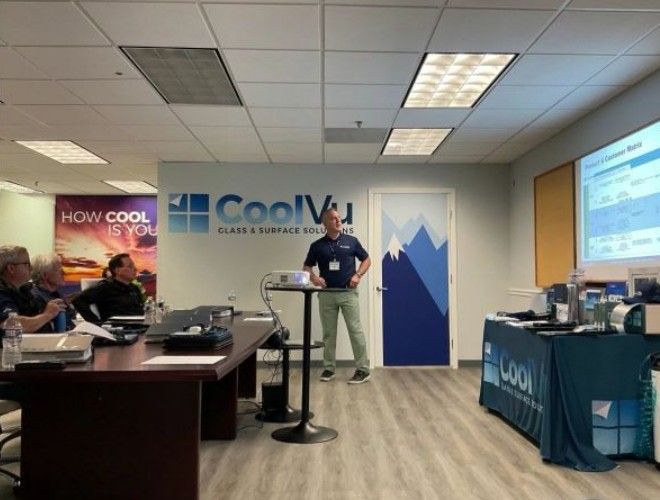
The quality of a franchise’s onboarding is the first and most telling indicator of its commitment to franchisee success. A truly comprehensive program is an immersive process designed to transfer not just technical skills, but the franchisor’s core business acumen and operational DNA.
When evaluating a training program, consider these benchmarks of excellence:
- Blended Learning: The best programs combine foundational classroom training with extensive, hands-on field application, covering everything from sales and marketing to financial management and service delivery.
- Leadership Involvement: The direct involvement of the founder or senior executive team in training is a powerful signal. It demonstrates a culture where expertise is shared from the top down.
- Structured Post-Launch Support: The learning curve is steepest in the first 90 days. Look for a structured “ramp-up” period that includes dedicated coaching and regular check-ins to help you achieve early momentum.
The Power of a Centralized Sales and Marketing Engine
For many independent business owners, consistent lead generation is the single greatest challenge. A premier franchise system solves this by providing a centralized sales and marketing engine. This allows you to shift your focus from finding customers to serving customers, a critical transition that unlocks your ability to scale.
A sophisticated marketing engine is an integrated system that actively drives qualified appointments to your calendar. This often includes a national call center to handle initial inquiries and a professionally managed digital marketing strategy, covering everything from national SEO to local ad campaigns. This centralized support dramatically reduces your local overhead and provides marketing firepower that would be prohibitively expensive to replicate on your own.
Analyzing Ongoing Operational and Technical Support
Initial training is just the beginning. The long-term value of a franchise relationship is realized through its systems for ongoing support.
- Dedicated Business Coaching: Once established, your needs evolve from basic training to strategic guidance. Top-tier systems provide a dedicated business coach who acts as a strategic advisor, helping you interpret financial statements, analyze performance indicators, and develop action plans to improve profitability.
- Technical and Product Support: In any service business, unexpected situations will arise. Direct access to a team of technical experts at the corporate level is invaluable. This support network mitigates risk and builds your confidence and credibility with customers.
- Peer Network and Community: Do not underestimate the power of a strong franchisee community. A smart franchisor actively cultivates a culture of collaboration through conferences, regional meetings, and online forums where franchisees can exchange best practices and solve common problems.
Scalability vs. Hype: How to Project True Return on Investment
Every franchise will present projections and financial performance representations. The astute investor, however, learns to distinguish between marketing hype and a business model truly engineered for growth. Projecting your potential return on investment requires looking beyond startup costs to analyze the core architecture of the business and its long-term potential for wealth creation.
Is the Business Model Engineered for Multi-Unit Growth?
For an experienced entrepreneur, the ultimate goal is not to buy a job, but to build an asset that generates wealth. This is only possible if the business model is intentionally designed for scalability. A franchise engineered for multi-unit ownership has several distinct characteristics.
First, you systematize and teach its operations, allowing you to train a general manager to run the day-to-day business. Second, you remove yourself as the primary bottleneck for growth. Systems like a centralized call center ensure sales opportunities continue to flow even when you focus on opening a second or third location. Finally, the franchisor provides a clear path for multi-unit expansion, which may include reduced fees for subsequent units. If the entire operational model relies on your personal salesmanship, you are not building a scalable business, you are creating a high-paying job with a glass ceiling.
Calculating Long-Term ROI Beyond Initial Projections
The Franchise Disclosure Document (FDD), particularly Item 19, provides a starting point for financial analysis, but it should not be your only tool. To calculate your true long-term ROI, you must think like a chief financial officer and model various scenarios. Go beyond top-line revenue figures and build a pro forma that accounts for all costs, including your own salary as a manager in the early stages.
Project your break-even point and model profitability at different stages of growth. This is where franchisee validation becomes critical. Speak with existing multi-unit owners and ask them pointed questions about their path to profitability, their cash-on-cash return, and the timeline to achieve their financial goals. A business’s long-term ROI is also tied to its exit potential. A scalable, system-dependent business is a valuable and sellable asset, which is a key part of your ultimate return.
Understanding Territory Protection and Market Saturation
Your territory is your primary asset. For any service-based franchise, a clearly defined and protected territory is a non-negotiable element. This protection ensures the franchisor will not sell another franchise within your designated area, preventing direct cannibalization of your customer base.
Investigate how the territory is defined. Is it based on zip codes, population counts, or household density? Ensure the territory has sufficient demographic and economic characteristics to support your long-term growth ambitions. Inquire about the franchisor’s long-term development strategy for your broader metropolitan area. A responsible franchisor has a logical plan that prevents oversaturation, preserving the long-term value of each franchisee’s market.

The Community Component: A Hidden Driver of Performance
A franchisor’s direct support provides a fundamental pillar of success, but the network of franchisees themselves drives the true day-to-day resilience of a franchise system. A strong, collaborative community is not a soft benefit, it is a hard asset that directly impacts operational efficiency, problem-solving speed, and long-term profitability. This peer-to-peer network acts as a powerful amplifier for the franchisor’s official support.
Measuring the Strength and Culture of the Franchisee Network
Gauging the authentic culture of a franchisee network requires direct, candid investigation. Your goal is to understand if franchisees view each other as colleagues or competitors. When conducting your due diligence, request a complete list of franchisees from the franchisor as a primary sign of transparency.
Go beyond “Are you happy?” and ask targeted questions about the network itself, such as, “Who did you call the last time you ran into a unique challenge?” or “How often do you share sales tactics with a neighboring franchisee?” Find out if there are informal chat groups or forums organized by franchisees, as the activity level in these channels reveals a genuine desire for collaboration.
The Link Between Franchisee Collaboration and Success
A franchise system where owners actively collaborate is inherently more robust and scalable. This creates a powerful feedback loop that strengthens the entire brand. When one franchisee discovers a more efficient technique, a strong network ensures another can benefit from that knowledge within days, not months.
This translates into tangible business advantages. System-wide collaboration fosters operational agility and accelerates growth by creating an environment of shared best practices. Instead of each owner reinventing the wheel on marketing, sales, and hiring, they can build upon the collective experience of the entire system. A franchisee in a new territory is not starting from zero, they are starting with the refined knowledge of hundreds of predecessors.
To see what a scalable business franchise looks like in practice, connect with CoolVu Franchise and explore the model in greater depth.
Frequently Asked Questions
What is more important than the initial fee when buying a franchise?
As an experienced investor, you prioritize the franchisor’s proven systems, the founder’s authentic industry expertise, and the quality of the ongoing support system. These elements determine long-term profitability and scalability, whereas the initial fee is simply the cost of entry. The best franchises to own are those that provide a robust framework for success.
Why shouldn’t I just choose the most popular franchise brand?
While popular brands offer name recognition, they often come with higher royalties, saturated markets, and less operational flexibility. A sophisticated investor knows that the strength of the underlying business model, unit-level profitability, and the quality of the support system are far better indicators of long-term success than public brand awareness.
What is the most important part of a franchisor’s support system?
A world-class support system has three critical components. First, a comprehensive training program that transfers deep operational knowledge. Second, a centralized sales and marketing engine that generates consistent leads, allowing you to focus on serving customers. Third, ongoing support through dedicated business coaching and a collaborative peer network to help you navigate challenges and grow.
How do I know if a business franchise is truly scalable?
A scalable business franchise is system-dependent, not owner-dependent. Look for a model where operations are highly teachable, allowing you to hire and train a manager to run the daily business. Key indicators of scalability include centralized lead generation, a clear path for multi-unit expansion, and a business that can operate efficiently without your constant personal involvement in sales or service delivery.
More Interesting Posts: