Table of Contents
The office privacy film business represents one of the most accessible and profitable opportunities in commercial building services for 2026. As modern offices increasingly embrace glass walls, open floor plans, and transparent conference rooms, demand for privacy window film solutions has surged—creating a substantial market for entrepreneurs ready to serve commercial spaces seeking visual privacy without sacrificing natural light.
This guide covers everything you need to launch and grow a successful window film company: market analysis, business models, startup requirements, pricing strategies, and scaling tactics. Whether you’re an aspiring entrepreneur evaluating new ventures, an existing contractor looking to add services, or a business owner ready to expand into commercial window film installation, this comprehensive resource will provide actionable guidance for building a profitable operation.
The short answer: Starting an office privacy film business requires an initial investment of $15,000–$50,000, offers gross profit margins of 60–80%, and typically reaches profitability within 6–12 months. With commercial buildings accounting for approximately 55% of privacy film market usage and the sector growing at 8.1% CAGR through 2033, the timing couldn’t be better.
By the end of this guide, you’ll understand:
- Current market opportunities and growth projections
- Three proven business models with varying revenue streams
- Step-by-step startup requirements including equipment and certifications
- Pricing frameworks that maintain competitive margins
- Strategies for scaling beyond your initial market
Understanding the Office Privacy Film Market
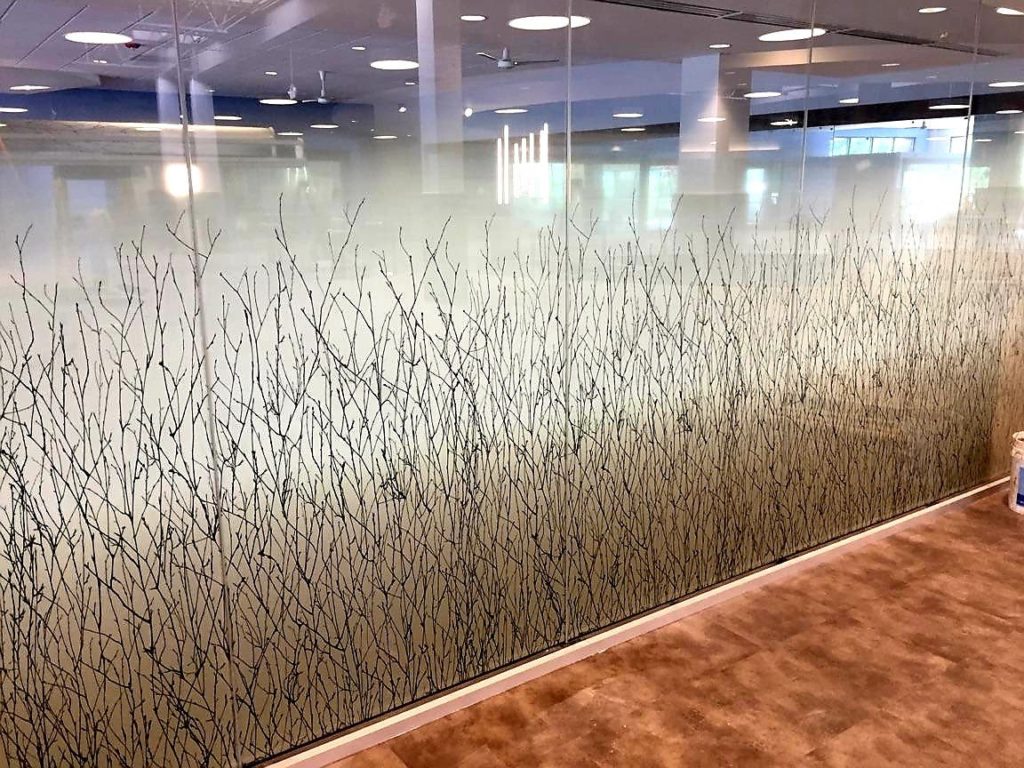
The office privacy film industry falls within the broader architectural and commercial window film sector. These products—including frosted films, decorative films, one-way privacy window film, and smart switchable technology films—are applied to glass surfaces to provide visual privacy, control glare, filter harmful UV rays, and enhance office aesthetics while maintaining how much natural light enters a space.
In 2025, decorative and static privacy films constituted nearly 75% of all privacy film applications, while smart or switchable films emerged as the fastest-growing segment despite representing approximately 5% of current usage. The commercial building segment is forecasted to grow at about 8.1% CAGR from 2026 to 2033, signaling sustained demand for these services.
Market Demand Drivers
Several converging trends are accelerating demand for office privacy window film solutions.
Open office design evolution: As workplace designs shift toward transparent glass partitions and floor-to-ceiling windows, conference rooms and private offices require solutions that maintain confidentiality without blocking light. Modern offices need to balance collaboration-friendly transparency with spaces for confidential discussions—privacy film delivers exactly this.
Employee productivity focus: Workers with ample natural light take up to 6.5% less sick leave and perform tasks faster than those in poorly lit environments. Additionally, managed lighting helps employees work longer without needing frequent visual breaks. Companies recognize that privacy solutions must preserve these benefits while adding discretion—unlike blinds or curtains that force a choice between privacy and light.
Energy efficiency requirements: According to the U.S. Department of Energy, up to 30% of energy used for heating and cooling escapes through windows. Window film helps cut operating costs without replacing glass, making it an attractive retrofit option for buildings pursuing sustainability goals and lower energy bills.
These trends create substantial business opportunities because privacy film offers what few alternatives can: complete visual privacy while allowing natural light to flow through, plus energy savings that appeal to cost-conscious facility managers.
Industry Segments and Applications
Commercial privacy film applications span multiple sectors, each with distinct needs:
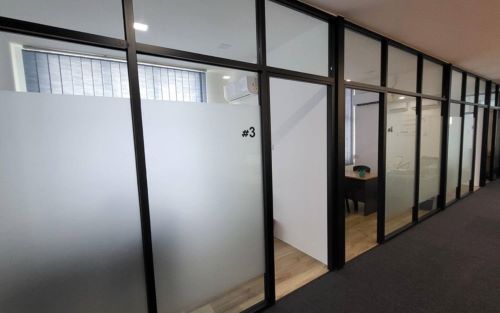
Corporate offices and conference rooms represent the primary market. Executive offices, meeting rooms, and glass-walled conference rooms require confidentiality without sacrificing the open, modern design aesthetic. Decorative privacy films can transform ordinary glass into visually appealing surfaces while reinforcing brand identity.
Healthcare facilities face strict patient privacy regulations requiring visual barriers in exam rooms, consultation areas, and reception areas. Frosted glass film provides a stylish alternative to traditional window treatments while meeting compliance requirements.
Legal and financial firms handle sensitive client information requiring attorney-client confidentiality and data protection. These professional services companies value privacy film that obscures views into sensitive areas without compromising natural light transmission.
Coworking and flexible office spaces need adaptable solutions as tenant configurations change frequently. Smart (PDLC) switchable films can change from clear to frosted with the flip of a switch, providing flexibility for spaces requiring both transparency and privacy.
Understanding these distinct segments allows you to customize service offerings and marketing messages for maximum impact in each vertical.
Business Models and Service Offerings
Operating an office privacy film business can take several forms, each with different revenue potential and operational requirements. Most successful companies eventually combine elements of all three approaches.
Installation-Focused Business Model
The core business model centers on selling and installing privacy film directly to commercial customers. This approach requires:
Equipment and tools: Film plotters or cutting tables for sizing, squeegees, wetting agents, edge sealing tools, heat guns, ladders or scaffolding for high façades, and a commercial vehicle for transport. A clean workspace for film preparation is essential to avoid dust contamination during cutting.
Technician training: Professional installation of privacy film is recommended for larger projects, as experts have the right tools and experience to ensure smooth application without issues like peeling or bubbling. Certification through manufacturer programs like 3M Preferred Installer or similar credentials from LLumar and XPEL adds credibility and often validates product warranties.
Staffing structure: Typical operations include installation technicians (often organized into crews), sales/estimating staff, and administrative support. Quality installation directly impacts customer satisfaction and warranty validity.
Design and Consultation Services
This model adds higher-value work commanding premium pricing:
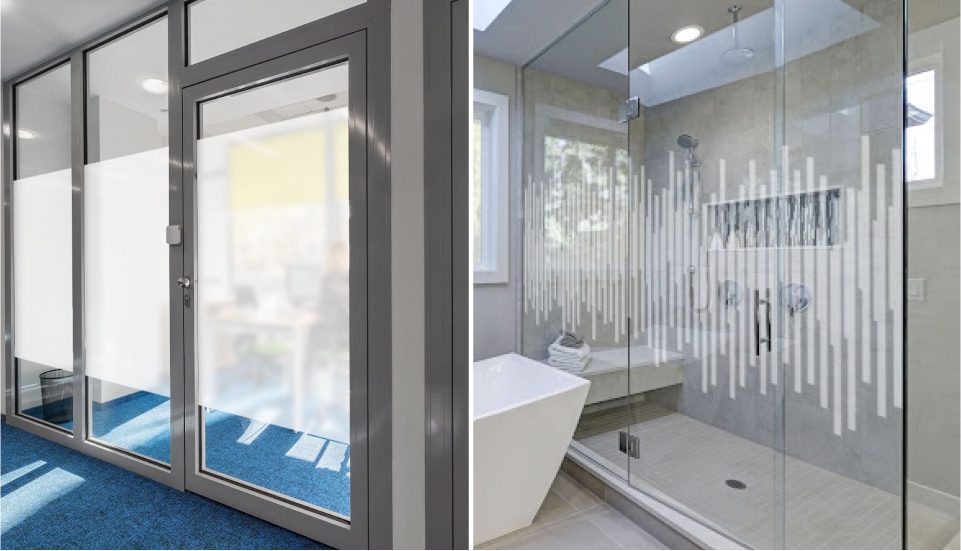
Custom design work: Creating branded and decorative films featuring company logos, custom films with decorative patterns, and coordinated privacy solutions across entire office interiors. Decorative privacy films come in various patterns and colors, allowing businesses to enhance their interior design while providing privacy for meeting spaces and partitions.
Space planning consultations: Working with clients to assess sightlines, light transmission specifications, and privacy requirements throughout their office space. This includes reviewing how gradient films or combinations of frosted or decorative films might address different zones.
Architect and designer partnerships: Collaborating with interior designers and architects who specify film solutions in their commercial projects, creating a steady referral pipeline for installation work.
Maintenance and Service Contracts
Recurring revenue stabilizes cash flow and builds long-term client relationships:
Cleaning and maintenance agreements: Proper maintenance of privacy film includes cleaning with a soft cloth and mild soap solution, avoiding abrasive sponges or harsh chemicals to prevent scratching. Offering this service professionally creates ongoing touchpoints.
Warranty and replacement services: Most privacy films can last between 7 to 15 years, depending on the type of film, exposure to sunlight, and quality of installation. Signs that privacy film may need replacement include bubbling, discoloration, or peeling at the edges. Maintenance contracts ensure you’re the first call when replacement becomes necessary.
Annual inspection programs: Regular assessments identify issues before they become visible problems, demonstrating proactive service that builds trust.
Target Customers and Market Opportunities
Identifying and understanding your primary customer segments enables focused marketing and tailored service delivery.
Commercial Office Buildings
Property managers and facility directors serve as key decision-makers for building-wide privacy solutions. They evaluate options during tenant improvement projects and lease renewal cycles, making these natural selling opportunities.
Volume advantages: Building-wide contracts covering multiple floors or common areas offer economies of scale for both parties. These relationships often lead to ongoing maintenance agreements and referrals to other properties in management portfolios.
Decision factors: Property managers prioritize minimal tenant disruption, verified contractor credentials, comprehensive insurance, and competitive pricing. Professional look and consistent quality across large projects matter significantly.
Professional Services Firms
Legal, medical, and financial offices have non-negotiable privacy requirements driven by regulations and professional obligations.
Law firms: Attorney-client confidentiality demands that conference room glass and partner offices prevent visual eavesdropping. Privacy films allow natural light to flow through while still protecting privacy, creating a balance between openness and protection that few other solutions provide.
Medical practices: Patient privacy compliance under HIPAA and similar regulations requires obscured views into exam rooms and consultation areas. Frosted films provide an etched glass appearance while allowing natural light to filter through.
Financial services: Sensitive data on computer screens and during client meetings needs protection. Cloaking technology films are designed to obscure digital screens from outside view while keeping the rest of the room visible—a specialized solution commanding premium pricing.
Coworking and Flexible Office Spaces
The rapid growth in flexible workspace demand creates substantial opportunity:
Adaptability requirements: These spaces reconfigure frequently as tenants change. Smart switchable films offer instant privacy adjustments without physical modifications, while more permanent solutions address shared conference rooms and meeting spaces.
Repeat business potential: As coworking spaces evolve, add locations, or refresh interiors, established relationships generate ongoing project work. By adding a layer of discretion, privacy film helps teams work without distractions or concerns about exposure, making it essential for confidential discussions in various professional settings.
Starting Your Office Privacy Film Business
Launching a successful privacy film business requires methodical preparation across several dimensions, and many entrepreneurs benefit from structured guidance on how to start a tinting business when planning their operations.
Initial Investment and Equipment Requirements
Follow these essential startup steps:
- Calculate your initial investment: Essential equipment, vehicle modifications, and initial material costs typically range from $15,000–$50,000 depending on scope. Core equipment includes cutting plotters (~$15,000), professional tools (~$2,000–$5,000), and an appropriately equipped vehicle (~$30,000+ if purchased new).
- Secure licensing and insurance: Commercial liability insurance protects against installation errors, while worker’s compensation covers technician injuries. Verify local building codes and contractor licensing requirements in your jurisdiction—these vary significantly by state and project size.
- Establish supplier relationships: Building relationships with film manufacturers enables volume discounts and priority access to quality films and premium films. Multiple supplier relationships prevent inventory disruptions and allow offering varied film type options.
- Complete training and certification: Manufacturer certification programs validate your installation quality and typically require for warranty coverage. Programs from 3M, XPEL, and similar manufacturers range from one-day courses to multi-day intensive training costing several hundred to over a thousand dollars.
- Build initial inventory: Stock essential film types—frosted window film, one-way privacy window film, decorative patterns, and solar control films—to enable prompt project completion without awaiting shipments.
Business Structure and Legal Considerations
Entity selection: LLC structure offers liability protection with pass-through taxation, suitable for most small operations. Corporations may benefit larger operations planning significant growth or outside investment, especially when aligning with a proven franchise business model in a booming industry that anticipates multi-market expansion.
Insurance requirements: Commercial general liability ($1 million minimum recommended), professional liability, completed operations coverage, and workers’ compensation are typically required for commercial projects. Many property managers verify coverage before approving contractors.
Contractor licensing: Requirements vary by jurisdiction. Some states require glazing or general contractor licenses for commercial window work, while others have minimal requirements. Research local regulations thoroughly—non-compliance can result in significant penalties.
Employee considerations: If hiring technicians, understand employment law requirements including proper classification, payroll taxes, and workplace safety obligations.
Location and Facility Planning
Home-based vs. commercial facility: Many operators start home-based, scaling to commercial space as volume grows, particularly when leveraging the best home-based franchise structures that support flexible, low-overhead operations. Commercial settings require clean, climate-controlled storage for film rolls (which are large and sensitive to temperature/humidity), workspace for cutting preparation, and adequate parking for equipped vehicles.
Vehicle requirements: A van or truck capable of transporting film rolls, ladders, scaffolding, and tools is essential. Proper rack systems for ladder transport and organized interior storage improve efficiency and professional appearance.
Workshop needs: Clean, dust-free space for film cutting and preparation prevents quality issues during installation. Good lighting and flat work surfaces are essential.
Pricing Strategies and Profit Margins
Sustainable profitability requires understanding your cost structure, positioning competitively within the market, and evaluating whether to build from scratch or buy a window tinting business that already has customers and cash flow.
Cost Structure Analysis
Material costs: Basic privacy films cost approximately $2–$5 per square foot at wholesale; premium materials or smart switchable films run significantly higher. Quality privacy films can reduce solar heat gain by up to 80%, enabling value-based pricing conversations focused on energy savings.
Labor costs: Installation time varies by project complexity, access requirements, and film type. Commercial projects requiring scaffolding or lifts increase labor costs substantially. Factor technician wages, travel time, and crew efficiency into estimates.
Overhead allocation: Vehicle costs, equipment depreciation, insurance, administrative expenses, and facility costs must be distributed across projects. Track these carefully to ensure pricing covers full costs.
Equipment depreciation: Plotters, tools, vehicles, and lifts represent significant capital investments requiring replacement or maintenance over time.
Competitive Pricing Models
| Pricing Model | Advantages | Considerations |
|---|---|---|
| Per Square Foot ($6–$18 installed) | Simple calculation, industry standard, easy client comparison | Must account for complexity variations, height access, glass configuration |
| Project-Based | Accounts for custom work, design time, unique challenges | Requires detailed estimating skills, thorough site assessment |
| Value-Based | Higher margins on specialized services, reflects energy savings | Needs strong value proposition documentation, ROI calculations |
| Market positioning: Average national installed costs range between $6–$18 per square foot depending on film type. Privacy-focused frosted films typically fall between $6–$9 per square foot, while decorative or etched glass alternatives may reach $8–$15 per square foot. Security or switchable smart glass film and other smart technology films command $20+ per square foot. |
Profit margin targets: Many window film businesses achieve gross profit margins of 60–80% before overhead, taxes, and owner compensation. If margins fall below this range, examine pricing strategy, material costs, or installation efficiency for improvement opportunities.
Marketing and Sales Strategies
Building a consistent pipeline of commercial projects requires multi-channel marketing combined with relationship development.
Digital Marketing and Online Presence
Professional website: Showcase before-and-after project galleries demonstrating transformations in conference rooms, private offices, and reception areas, highlighting high-margin custom window opportunities that emphasize branding and design. Include case studies with measurable results—energy savings, employee feedback, aesthetic improvements.
Local SEO optimization: Target searches for “commercial window film” and “office privacy window film” in your service area. Optimize Google My Business listing with project photos, service descriptions, and customer reviews.
LinkedIn networking: Connect with facility managers, property professionals, interior designers, and architects who specify or approve privacy solutions. Share educational content about modern films, energy efficiency, and workplace productivity benefits.
Relationship Building and Referral Networks
Commercial contractor partnerships: General contractors and construction companies managing tenant improvements and new construction need reliable subcontractors. Position as a trusted partner delivering quality work on schedule.
Design professional relationships: Interior designers and architects increasingly specify privacy film in commercial settings. Educate them on options from frosted glass to decorative films to switchable smart glass film, becoming their go-to resource.
Property management connections: Building relationships with management companies provides access to multiple properties and ongoing maintenance opportunities.
Demonstration and Portfolio Development
Compelling case studies: Document projects with professional photography, client testimonials, and where possible, quantifiable results like lower energy bills or improved employee satisfaction.
Design mockups: For significant prospects, creating visual mockups showing how different film creates their desired aesthetic demonstrates investment and professionalism. This distinguishes your approach from competitors offering only product catalogs.
Free consultations: Offering no-obligation assessments for qualified prospects allows demonstrating expertise while gathering project requirements for detailed proposals.
Common Business Challenges and Solutions
Every business faces obstacles. Anticipating common challenges enables proactive solutions.
Seasonal Demand Fluctuations
Commercial window projects may slow during winter months when construction activity decreases. Counter-strategies include:
Maintenance contracts: Contracted cleaning, inspection, and minor repairs provide steady winter income independent of new installation volume.
Interior project focus: Target interior glass partitions, meeting rooms, and conference room glass that doesn’t depend on weather conditions for installation.
Cash reserve discipline: Build reserves during peak construction seasons (spring through fall) to cover fixed costs during slower periods.
Competition from Established Players
Competing against established window film companies requires strategic differentiation:
Specialized services: Focus on niches competitors underserve—smart switchable films, custom films with complex decorative patterns, or specific verticals like healthcare privacy compliance.
Superior responsiveness: Faster quotes, more flexible scheduling, and proactive communication differentiate when products are similar.
Quality commitment: Systematic installation quality checks, comprehensive warranties, and follow-up service build a reputation that commands premium pricing.
Quality Control and Customer Satisfaction
Installation errors create warranty claims, callbacks, and reputation damage:
Systematic quality processes: Implement pre-installation glass inspection, standardized preparation procedures, post-installation quality checks, and documented handoff to clients.
Clear warranty policies: Define coverage, exclusions, and claim procedures clearly. Some films can cause heat buildup and potentially crack certain types of glass if not compatible—proper film selection and client communication prevent these issues.
Feedback systems: Solicit client feedback after project completion to identify improvement opportunities before problems escalate.
Scaling and Growth Strategies
Once established, several pathways enable expansion beyond initial operations.
Geographic Expansion
Market identification: Evaluate adjacent territories for market size, competition intensity, and logistics feasibility, and consider where demand for top service franchises and outsourced facility services is already strong. Markets with growing commercial development and limited established competitors offer best potential.
Expansion models: Company-owned branches maintain quality control but require capital and management bandwidth. Franchise or authorized dealer arrangements enable faster expansion with lower capital requirements but reduced control.
Subcontractor networks: For projects outside core territory, vetted subcontractors can extend reach without permanent presence, though quality management requires attention.
Service Line Diversification
Related film services: Adding security films that strengthen glass and hold shards together during impact, or solar control films reducing heat gain, leverages existing equipment and customer relationships.
Energy efficiency bundling: Combining privacy solutions with solar heat reduction positions services for energy-conscious clients. High-quality films block up to 79% of solar energy and 99% of harmful UV rays, providing compelling energy savings stories.
Complementary services: Glass repair, architectural film installation, and anti-graffiti treatments use similar skills while expanding addressable market.
Technology and Innovation
Smart film adoption: Smart switchable films represent the fastest-growing segment despite current small market share. Early expertise in these technology films positions for future demand, especially if you decide to start a CoolVu Window Film franchise that already features these products in its offering.
Digital operations: Project management software, CRM systems, and mobile estimation tools improve efficiency and customer experience as volume grows, and align well with the systems used by many of the best franchises to own in 2025 in the window and building services space.
Ongoing training: Continuous certification in new products and techniques maintains competitive advantage and enables premium pricing for specialized services.
Conclusion and Next Steps
The office privacy film business offers compelling opportunity: growing market demand driven by modern office design and energy efficiency requirements, accessible startup costs, strong profit margins, and multiple pathways to recurring revenue through maintenance contracts and expanding service relationships.
Immediate action steps:
- Research your local market—identify major commercial property managers, competing installers, and underserved niches
- Develop a business plan with realistic startup costs, pricing projections, and first-year revenue targets
- Contact film suppliers to understand product options, wholesale pricing, and certification requirements
- Enroll in manufacturer training programs to build installation competency and professional credentials
Related topics worth exploring: Commercial window cleaning services (complementary offering), architectural glass solutions (service expansion), and green building certification requirements (market driver understanding).
Frequently Asked Questions
What is the typical startup cost for an office privacy film business?
Initial investment typically ranges from $15,000–$50,000 depending on equipment choices and inventory scale. Core costs include:
- Film cutting equipment: $10,000–$20,000 for professional plotters and cutting systems
- Tools and supplies: $2,000–$5,000 for squeegees, wetting solutions, edge sealers, and hand tools
- Vehicle: $15,000–$35,000 for a used commercial van properly equipped with racks and storage
- Initial film inventory: $3,000–$8,000 for essential frosted films, decorative films, and solar control options
- Training and certification: $1,000–$3,000 for manufacturer programs
Equipment leasing can reduce upfront capital requirements, though total cost over time increases. Some entrepreneurs start smaller, subcontracting larger projects until revenue supports full equipment investment.
How long does it take to become profitable?
Most office privacy film businesses achieve profitability within 6–12 months with consistent marketing and sales activity. Key factors affecting timeline:
Market characteristics: Larger markets with active commercial construction support faster client acquisition. Competitive intensity affects pricing power and sales cycle length.
Marketing investment: Consistent prospecting, relationship building, and digital presence development accelerate pipeline development. Businesses relying solely on referrals typically take longer to reach sustainable volume.
Cash flow management: Adequate working capital covers fixed costs during the ramp-up period. Undercapitalization forces premature pricing concessions or delayed equipment purchases that slow growth.
Service mix: Combining installation revenue with maintenance contracts provides steadier income during seasonal fluctuations, improving the overall profitability timeline.
Do I need special licensing or certifications?
Requirements vary by jurisdiction and project scope:
Contractor licensing: Some states require glazing or general contractor licenses for commercial window work above certain dollar thresholds. Research your specific state and local requirements—penalties for unlicensed work can be severe.
Manufacturer certifications: While not legally required, certifications from manufacturers like 3M, LLumar, or XPEL validate installation quality and typically enable product warranty coverage. Many commercial clients and property managers require certified installers.
Insurance requirements: Commercial general liability insurance is effectively mandatory for commercial work—most property managers verify coverage before allowing contractors on-site. Workers’ compensation is legally required in most states when employing technicians.
What makes our business different from competitors?
Several factors differentiate successful privacy film businesses:
Superior customer service: Responsive communication, detailed proposals, flexible scheduling, and professional project management create positive experiences that generate referrals. Privacy film enhances office aesthetics by providing a sleek, modern look that can be customized with decorative patterns or company branding—helping clients visualize these outcomes demonstrates expertise.
Technical excellence: Investment in ongoing training ensures installations last the full 7–15 year lifespan of high-quality films without premature bubbling, discoloration, or peeling. Proper technique prevents issues like heat buildup that can crack incompatible glass types.
Comprehensive warranties: Standing behind work with clear, generous warranty policies builds confidence. Post-installation support including maintenance guidance demonstrates commitment beyond the initial sale.
Long-term relationship focus: Building ongoing client relationships through maintenance contracts, proactive communication, and portfolio development creates sustainable business rather than transaction-by-transaction survival. When clients view you as a trusted advisor for their privacy film and window treatment needs, competitors become irrelevant.