Table of Contents
A restaurant window film business provides specialized installation services for dining establishments, offering solar control, privacy, decorative, and security window films that improve customer comfort and reduce operating costs. This niche commercial service targets restaurants, cafes, bars, breweries, and hospitality venues seeking solutions for glare, heat, UV damage, and aesthetic enhancement.
This guide covers everything needed to launch and grow a profitable restaurant window film business in 2026—from market analysis and service portfolio development to pricing strategies and customer acquisition. It focuses specifically on the business aspects of serving restaurant clients rather than general window film installation techniques. The target audience includes entrepreneurs starting fresh, existing window film contractors (automotive or residential) looking to specialize, and service providers like HVAC consultants or interior designers exploring complementary revenue streams.
Direct answer: Quality restaurant window film blocks up to 80% of solar heat before it enters your space, significantly improving customer comfort during hot weather. Installing window film can lead to a 15% increase in table turns at restaurants, as it makes previously uncomfortable tables more desirable for guests.
By reading this guide, you will gain:
- Clear understanding of the addressable market and restaurant-specific customer pain points
- Framework for building a comprehensive service portfolio spanning solar, decorative, and security films
- Data-informed pricing structures with tiered packages for different restaurant sizes
- Effective marketing channels and partnership strategies for reaching restaurant owners
- Competitive differentiation tactics that position you above general contractors
Understanding the Restaurant Window Film Market
The restaurant window film market represents a specialized segment within the broader commercial window films industry. Unlike general contractors who serve any commercial building, specialists in restaurant window films understand the unique intersection of guest experience, operational efficiency, and aesthetic appeal that dining establishments require.
This market matters now more than ever. Rising energy costs force many restaurant owners to seek solutions that reduce cooling costs without sacrificing natural light. Post-pandemic emphasis on customer experience means dining environments must feel comfortable and welcoming. Modern decorative films come in dozens of patterns and styles that provide privacy while enhancing the overall design aesthetic of a restaurant.
Market Size and Opportunity
The U.S. window film market reached approximately $3.35 billion in 2025, with projections indicating growth to $5.31 billion by 2033 at a compound annual growth rate of 6.1%. The addressable market for restaurant-focused services includes independent restaurants, casual dining chains, bars, cafes, hotel restaurants, breweries, and food halls.
Restaurant specialization creates significant niche advantage over general commercial window film contractors. By focusing exclusively on dining establishments, you develop deep expertise in the specific challenges restaurant owners face—from managing sun exposure on west-facing patios to creating an inviting atmosphere for evening dining. This specialization allows premium pricing because you speak the language of restaurateurs, understand health codes, and deliver solutions optimized for the dining experience rather than generic commercial buildings.
Customer Pain Points and Needs
Many restaurants struggle with specific environmental challenges that window film solutions directly address:
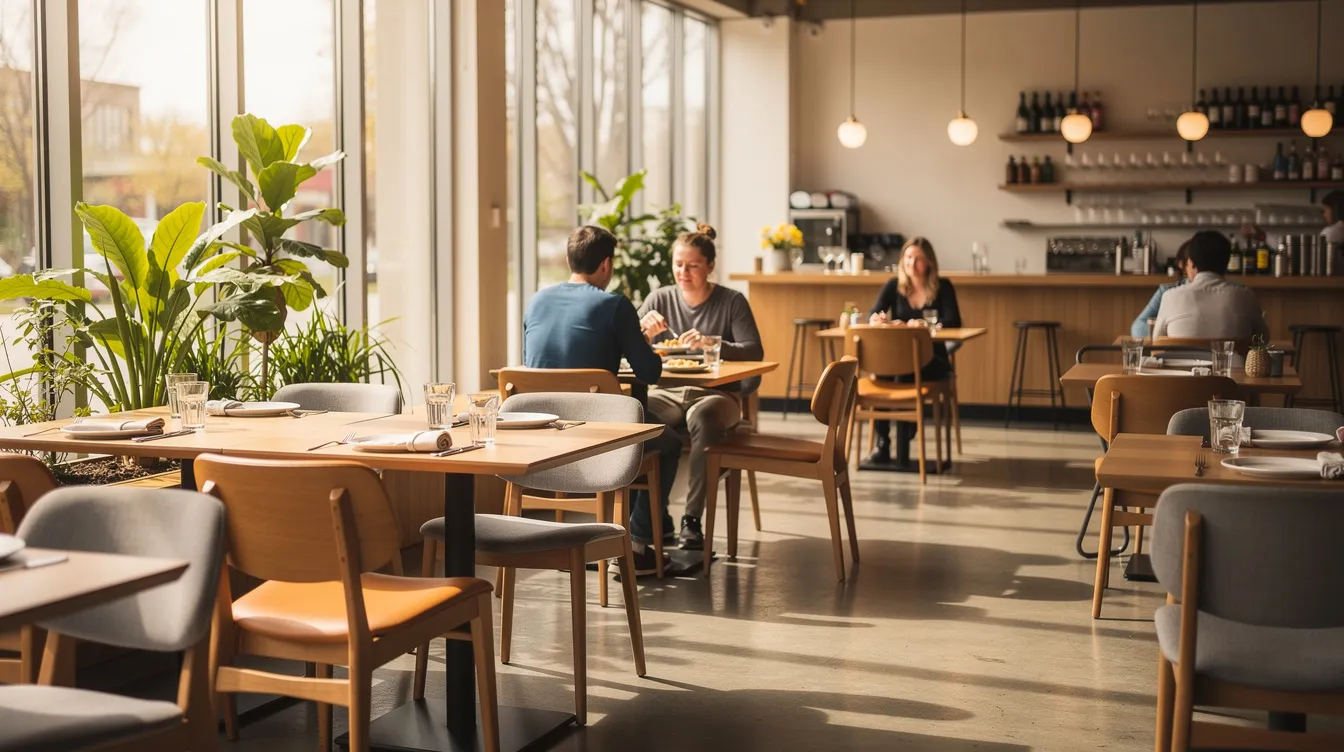
Glare and heat discomfort: Diners seated near windows experience uncomfortable heat and harsh glare, particularly during afternoon and evening sun hours. This forces hosts to leave tables empty or shuffle guests away from windows—reducing capacity and revenue. Modern window films dramatically reduce glare while maintaining natural light levels, allowing guests to see their menus and enjoy conversations without discomfort.
Energy and operating costs: Large glass facades create significant solar heat gain. Combined with kitchen ventilation demands, restaurants face substantial cooling costs during warmer months. Solar film can reduce interior heat, leading to lower utility expenses and a reduced carbon footprint.
UV damage and fading: Furniture, artwork, menus, and décor near windows deteriorate from harmful UV rays. Quality solar window films can block up to 99% of harmful UV rays and up to 97% of infrared rays, helping to prevent fading of furnishings and reducing the need for replacements.
Privacy and aesthetic concerns: Many business owners want to balance transparency with privacy for intimate dining areas or booths while maintaining visual appeal.
Understanding these pain points positions specialized service providers for success because you can address specific operational challenges rather than offering generic solutions.
Service Categories and Business Applications
With clear understanding of restaurant-specific needs, the next step involves building a comprehensive service portfolio. The most successful restaurant window film businesses offer integrated solutions across three core categories that complement each other and create opportunities for bundled sales.
Solar Control and Energy Efficiency Services
Heat reduction films represent the cornerstone service for most restaurant clients. These window films reduce solar heat gain by 40-70% depending on film type. A case study from Benchmark Restaurant in Canada’s Niagara Region demonstrated RS440 film blocking 69% of heat and 79% of glare, with measurable temperature differences of 11-12°F between treated and untreated windows.
Energy savings translate directly to ROI that restaurant owners understand. The Hyatt Regency Houston installation showed 23% reduction in cooling energy use and 25% in heating energy, with payback estimated at 3.6 years and ROI of approximately 28%. For restaurants, energy-saving films lower heat inside buildings, which reduces reliance on air conditioning and can lead to significant cost savings over time.
UV protection services complement heat control. Restaurants invest significantly in interior design, and UV damage to furniture, fabrics, and décor creates ongoing replacement costs. UV protection films can block up to 99% of harmful rays, preventing fading of merchandise and reducing damage to fabrics and furniture.
Privacy and Decorative Film Solutions
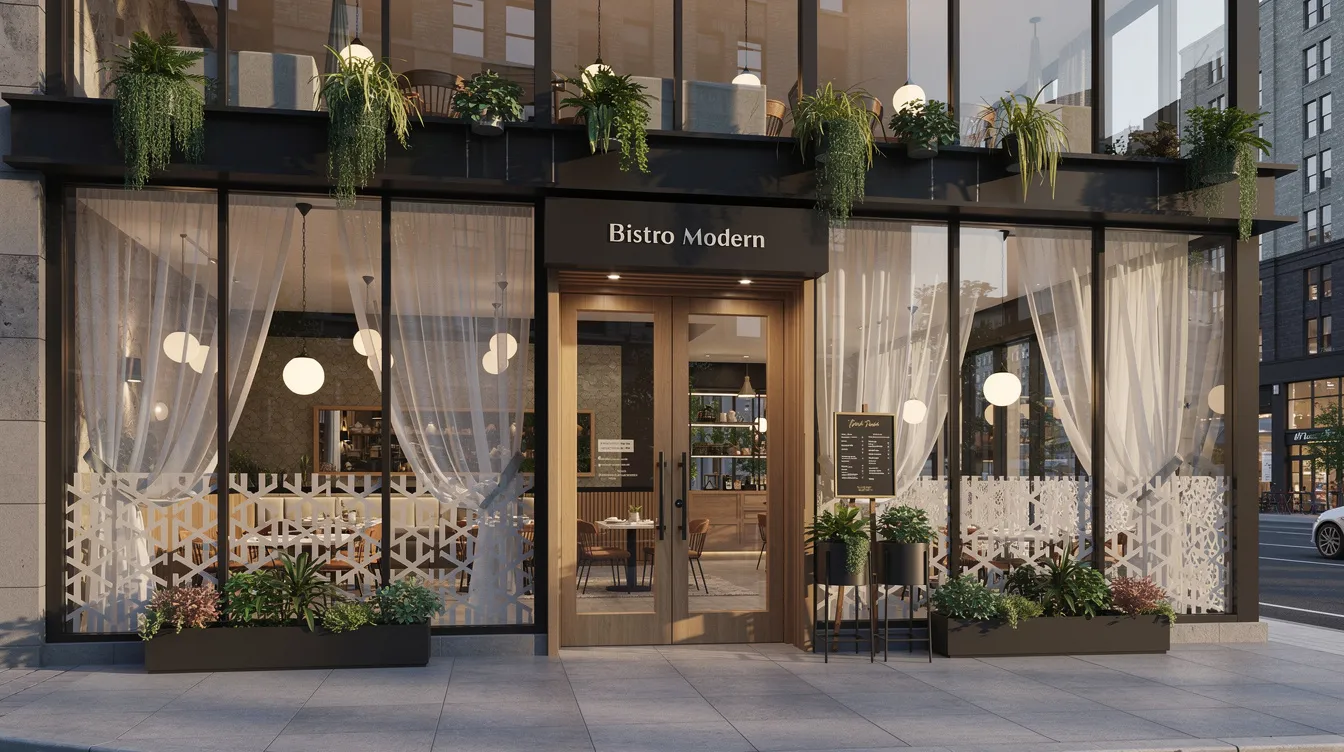
Decorative window films serve restaurants seeking both functionality and aesthetic appeal. Frosted or gradient window films provide privacy at eye level while allowing natural light to enter, making them ideal for street-level dining. These films create permanent elegant separation in glass-walled private dining spaces, offering privacy on demand for group reservations and special events.
Privacy window films are available in various styles beyond just dark tints or frosted options, allowing for customization that enhances the ambiance. Frosted window films can add a layer of artistry to a restaurant’s atmosphere, providing both privacy and an elegant aesthetic. Decorative and frosted films create the appearance of etched glass at a lower cost, making them popular for businesses looking to enhance aesthetics without permanent changes.
Custom window graphics transform ordinary glass into powerful marketing and design elements. Custom printed window graphics allow restaurants to turn their glass into advertising space, displaying logos, taglines, and product images without blocking visibility. Perforated window films provide a one-way view, allowing visibility from inside while displaying full images outside—perfect for restaurants that want to advertise without losing natural light.
Temporary and seasonal window films can be applied and removed quickly, making them perfect for holiday campaigns, limited-time sales, or special events, allowing restaurants to keep their storefronts fresh and engaging.
Security and Safety Film Applications
Security window film is designed to hold glass together if it breaks, reducing the risk of injury and making break ins more difficult. This creates an extra layer of protection for storefront window locations, particularly those facing sidewalks or in high-traffic areas.
A thicker security window film can delay forced entry, buying time for alarms or security staff to respond during a break-in attempt. Retail shops and restaurants in urban areas often require security window film systems to protect against theft and vandalism, especially in high-crime areas. Safety films also address code compliance for glazing near exits or high-traffic zones.
Key integration point: The most profitable projects bundle multiple service categories. A west-facing restaurant storefront might need solar film for heat reduction, decorative elements for brand identity, and security film for shatter resistance—creating comprehensive projects with higher margins than single-service installations.
Building Your Restaurant Window Film Business
Understanding service categories prepares you for practical business development. Success requires proper setup, strategic pricing, and effective marketing specifically tailored to restaurant decision-makers, especially if you’re transitioning from general guidance on how to start a tinting business into a restaurant-focused niche.
Business Setup and Certification Process
Restaurants are sensitive environments where food safety, customer experience, and health codes intersect. Proper business setup builds the trust necessary for closing deals with restaurant owners.
- Business licensing and registration: Form an LLC or corporation, obtain state and local business licenses, and register for sales tax collection. Some jurisdictions require specialty trade licensing for window glazing or tinting work.
- Manufacturer certifications: Major film manufacturers like 3M and LLumar (Eastman) maintain certified installer networks. Certification provides access to better material pricing, extended warranties, technical support, and credibility when presenting to potential customers.
- Insurance and bonding: General liability insurance is essential. Commercial auto coverage protects vehicles transporting materials. Workers compensation is required in most U.S. jurisdictions. For safety film installations, additional liability coverage may be necessary. States have strict laws regarding Visible Light Transmission (VLT), and installing illegal tint can lead to fines for both the installer and the property owner.
- Equipment acquisition: Essential tools include precision cutters, squeegees, heat guns, cleaning supplies, and a soft cloth for finishing. Depending on project scope, you may need scaffolding or lifts for multi-story installations.
- Initial inventory and supplier relationships: Stock core film types across solar control, decorative, and security categories. Build relationships with wholesale distributors and negotiate favorable terms based on volume commitments.
Window tinting is a high-skill craft with a steep learning curve. Improper installation can lead to glass breakage or damage to frames. Investing in proper training protects your reputation and reduces costly callbacks.
Service Packages and Pricing Strategy
Restaurant-specific packages allow prospects to compare options clearly and choose solutions matching their needs and budget. According to 2026 commercial pricing guides, restaurant-scale projects typically run $3,000 to $8,000, depending on glass area, film type, and complexity.
| Tier | Restaurant Type | Typical Glass Area | Features Included | Price Range |
|---|---|---|---|---|
| Tier 1 | Small café/bistro | 200-400 sq ft | Basic solar control, UV protection, moderate VLT | $1,500 – $4,000 |
| Tier 2 | Full-service restaurant | 600-1,500 sq ft | Premium ceramic film, glare control, decorative privacy elements, basic safety layer | $5,000 – $12,000 |
| Tier 3 | Large chain/hospitality venue | 2,000-5,000+ sq ft | High-performance solar + security film, custom graphics and branding, full warranties, off-hours installation | $15,000 – $40,000+ |
| Per-square-foot pricing typically breaks down as: solar control films $7-$12, ceramic high-performance $10-$15, security/safety $12-$20, decorative/privacy $8-$18, which aligns with what you’d expect in a proven franchise business model in a booming industry built around energy-saving and security-focused window films. |
Margin optimization: Material costs are significant for premium films, but labor complexity and access challenges affect profitability more. Target gross margins of 30-50% before overhead. Premium features like custom graphics and security combinations support higher margins because they deliver differentiated value.
Combining window film with vinyl graphics allows for a complete aesthetic overhaul at 70-80% less cost than traditional renovation—a compelling value proposition for new customers seeking to refresh their space and tap into broader custom window opportunities across hospitality and commercial properties.
Marketing to Restaurant Owners
Restaurant industry networking produces the highest-quality leads. Connect with local restaurant associations, chambers of commerce, and hospitality trade shows. Build relationships with architects, interior designers, signage companies, and contractors who work with restaurants (HVAC, kitchen equipment, décor consultants) for cross-referrals.
Case studies and visual proof: Restaurants are visual businesses. Before-and-after photos showing glare issues resolved, heat reduction measured, and aesthetic transformations convince prospects faster than specifications alone. Document every successful project with permission, and consider showcasing advanced options like switchable smart glass film where dynamic privacy or event-based ambiance is a selling point.
Referral programs: Once you install for one restaurant owner, ask for referrals to their network. Offer discounts for successful referrals. Partner with property management firms overseeing multiple restaurant tenants for volume opportunities, similar to how top service franchises in the window film industry leverage multi-location relationships for scalable growth.
Digital marketing: Target restaurant decision-makers through LinkedIn, Instagram, and local search optimization. Content marketing around energy savings, customer experience improvement, and design enhancement attracts inbound leads searching for solutions, much like the outreach strategies used by home-based window tinting franchise businesses that rely heavily on digital lead generation.
Partnership opportunities: Register as an approved contractor with utility companies offering rebates for energy efficiency improvements. Collaborate with design firms for projects requiring brand identity integration through vinyl graphics and window treatments, and evaluate whether aligning with a structured platform like a CoolVu window film franchise can accelerate these partnership opportunities.
Common Business Challenges and Solutions
Every business faces obstacles. Anticipating common challenges in the restaurant window film business allows you to develop proactive solutions.
Seasonal Demand Fluctuations
Demand peaks during hot, sunny seasons when restaurants actively seek relief from heat and glare. Winter months or cooler climates may slow inquiries focused on solar control.
Solution: Diversify your client base to include hotels, bars, retail shops, and other commercial buildings with year round needs. Offer maintenance contracts for film cleaning and inspection. Promote decorative and privacy solutions during off-peak seasons—restaurants frequently refresh interiors for new menus or special events regardless of weather. Use slower periods for training, sales pipeline development, and marketing content creation.
Competing with General Contractors
General commercial window film contractors serve many markets and may compete on price. However, they lack specialized knowledge of restaurant operations and guest experience considerations.
Solution: Emphasize restaurant-specific expertise that general contractors cannot match. Your case studies feature restaurants, not generic commercial buildings. You understand how to schedule work during closed hours with minimal disruption to service. You know which films maintain the welcoming environment diners expect while solving functional problems. You speak the language of restaurant owners—discussing table turns, dining area comfort, and energy bills rather than generic specifications—skills that also translate well if you later consider one of the best franchises to own in 2025 in the window film sector.
Managing Installation During Business Hours
Restaurants cannot typically shut down completely for installations. Work must accommodate service schedules, minimize noise and odor, and avoid disrupting the comfortable environment guests expect.
Solution: Schedule installations during off-hours—early mornings, late nights, or closed days. Use phased approaches for larger projects, completing one window bank at a time. Implement protective coverings for interior surfaces and furniture. Plan detailed workflows that minimize clean-up time. Communicate clear timelines so restaurant owners can plan staffing and operations accordingly. Professional installation during appropriate windows builds trust and generates referrals and positions you well within industries most likely to franchise, where operational discipline is a key differentiator.
Conclusion and Next Steps
The restaurant window film business offers substantial opportunity for entrepreneurs who specialize rather than generalize. The U.S. market continues growing at over 6% annually, and dining establishments face ongoing challenges with heat, glare, UV damage, privacy, and security that window film solutions directly address. By focusing exclusively on restaurants, you develop expertise that commands premium pricing and builds lasting client relationships.
Your immediate next steps:
- Research your local market—identify restaurant concentration, competition, and average project sizes
- Pursue manufacturer certifications from major suppliers like 3M or LLumar to establish credibility
- Secure appropriate business licensing, insurance, and bonding for your jurisdiction
- Source initial equipment and build supplier relationships for competitive material pricing
- Develop your first case study by completing an initial project, then leverage it for new customers
Related opportunities worth exploring include expansion into hotel contracts, brewery and taproom installations, and comprehensive hospitality venue services that combine multiple film types with custom graphics for complete brand identity solutions.
Frequently Asked Questions
This section addresses common questions from entrepreneurs starting and growing a restaurant window film business.
What certifications do I need for restaurant window film business?
Manufacturer certifications from major players like 3M and LLumar (Eastman) provide credibility, warranty support, and better material pricing. You’ll also need standard business licensing, contractor licenses where required by your state or locality, and appropriate insurance coverage. For safety films, look for products with UL or ANSI certifications that demonstrate compliance with safety glazing standards.
How much can I charge restaurants for window film installation?
Typical per-square-foot pricing ranges from $7-$12 for solar control films, $10-$15 for ceramic high-performance options, $12-$20 for security films, and $8-$18 for decorative privacy solutions. Small café projects typically run $1,500-$4,000 total, medium restaurants $5,000-$12,000, and large venues or chains $15,000-$40,000 or more depending on scope and film selection.
What’s the best way to find restaurant clients?
Industry networking through restaurant associations and hospitality trade shows generates quality leads. Build referral relationships with architects, interior designers, and contractors serving restaurants. Develop compelling case studies with before-and-after documentation. Use targeted digital marketing and local search optimization. Partner with utility companies offering energy efficiency rebates—they actively refer approved contractors to businesses seeking to save money on energy costs.
How long does restaurant window film installation take?
Moderate projects covering 500-1,000 square feet of glass typically require 1-2 days including removal of existing film, preparation, and installation. Large chain restaurants with multiple façades may need phased installation over several evenings or days. Small café storefronts might take half a day. Complexity increases with difficult access, existing film removal, and custom graphics requiring precise alignment.
Can I offer financing options to restaurant clients?
Yes. Partner with third-party financing companies that specialize in commercial improvements. Offer payment plans directly if your cash flow supports it. Help clients leverage utility rebates and energy efficiency tax incentives where available—note that some federal deductions may be expiring in mid-2026, so factor timing into proposals. Some landlords may incorporate window improvements into lease agreements, creating additional financing pathways.
Why should restaurants choose a specialized window film contractor?
Specialized contractors understand restaurant operations—scheduling around service hours, knowing which films maintain visual appeal while solving functional problems, and speaking the language of dining experience rather than generic commercial specifications. A specialist develops case studies in restaurant settings, builds relationships within the industry, and delivers professional installation with minimal disruption. General contractors lack this focused expertise, even if they offer competitive pricing.
What’s the profit margin in restaurant window film business?
Target gross margins of 30-50% before overhead. Premium services like custom graphics, security film combinations, and ceramic solar options support higher margins because they deliver differentiated value. Volume, repeat clients, and referrals improve profitability as fixed costs spread across more projects. Material selection significantly impacts margins—premium films cost more but justify higher per-square-foot pricing, and operators exploring franchising can review frequently asked questions about a window film franchise to compare typical margins and fee structures.
Do I need special insurance for restaurant projects?
General liability insurance is essential for any commercial installation work. Commercial auto coverage protects vehicles transporting materials and equipment. Workers compensation is required in most U.S. jurisdictions. For security film installations or work requiring lifts and scaffolding, additional equipment and liability coverage may be necessary. Some commercial property owners require contractors to carry bonding as well. Consult with a commercial insurance broker familiar with specialty trade contractors to ensure adequate coverage.