Table of Contents
What Makes a Service Franchise Truly Scalable?
A scalable service franchise is designed to expand efficiently across locations without proportionally increasing complexity, costs, or quality failures. For entrepreneurs evaluating franchise opportunities in 2024–2026, understanding what “scalable” actually means in practice is the difference between building a growing asset and buying yourself an increasingly chaotic job.
This article focuses specifically on home services, not restaurants or retail. Brands like CoolVu, which offers window film, tinting, decorative graphics, architectural finishes, and smart films for residential and commercial properties, operate as home-based, asset-light franchise systems built for multi unit growth. The goal is clear: grow to 10, 25, or 50+ franchise locations without losing service quality, franchisor visibility, or franchisee profitability.
Below, we cover business model design, proven systems, legal documents, lead generation, unit economics, and what new franchisors should prioritize first. Scalable franchises typically focus on high-demand service sectors, and the U.S. window film market, valued at roughly $3.35 billion in 2025 and projected to reach $5.31 billion by 2033, fits that description precisely.
When Growth Outpaces Your Systems in Service Franchising
Imagine a home service brand that grows from 3 to 15 franchise locations in 18 months. Revenue climbs. The founder feels momentum. Then things start breaking.
Rapid expansion without infrastructure leads to operational inefficiencies that show up as:
- Inconsistent quoting: one location uses spreadsheets, another uses a phone app, a third estimates from memory
- Variable install quality: callbacks spike in some territories while others maintain high standards
- Confused customer communications: no standard follow-up process, missed warranty registrations, inconsistent invoicing
- Lost visibility: the franchisor can’t see close rates, job margins, or repeat business by location
Service franchises usually feel this strain around 10–20 locations, then again at 40–60 when informal oversight collapses entirely. Inconsistent quality across locations is one of the most common challenges in franchising, and without standardized systems, it only compounds.
Why Home Service Franchises Are Harder to Scale Than Retail
Consider the difference: a gym or restaurant operates from a fixed location where customers come to you. A home service franchise sends mobile crews to sites they’ve never visited, measuring surfaces, estimating costs, and completing installations in environments they don’t control.
For a brand like CoolVu, that means crews visiting residential homes, commercial office buildings, schools with strict access protocols, and government facilities with security requirements. Add weather delays, traffic, and the variability of on-site conditions (different glass types, surface conditions, building access), and you start to see why franchise scalability in home services depends on strong dispatching, standardized workflows, and centralized support rather than just a good product.
Defining a Scalable Service Franchise Model
A scalable franchise model in services means adding units without doubling decisions, overhead, or complexity. Specifically:
- A scalable business model is replicable in new territories with predictable unit economics: average ticket size, gross margin, and ramp-up timeline
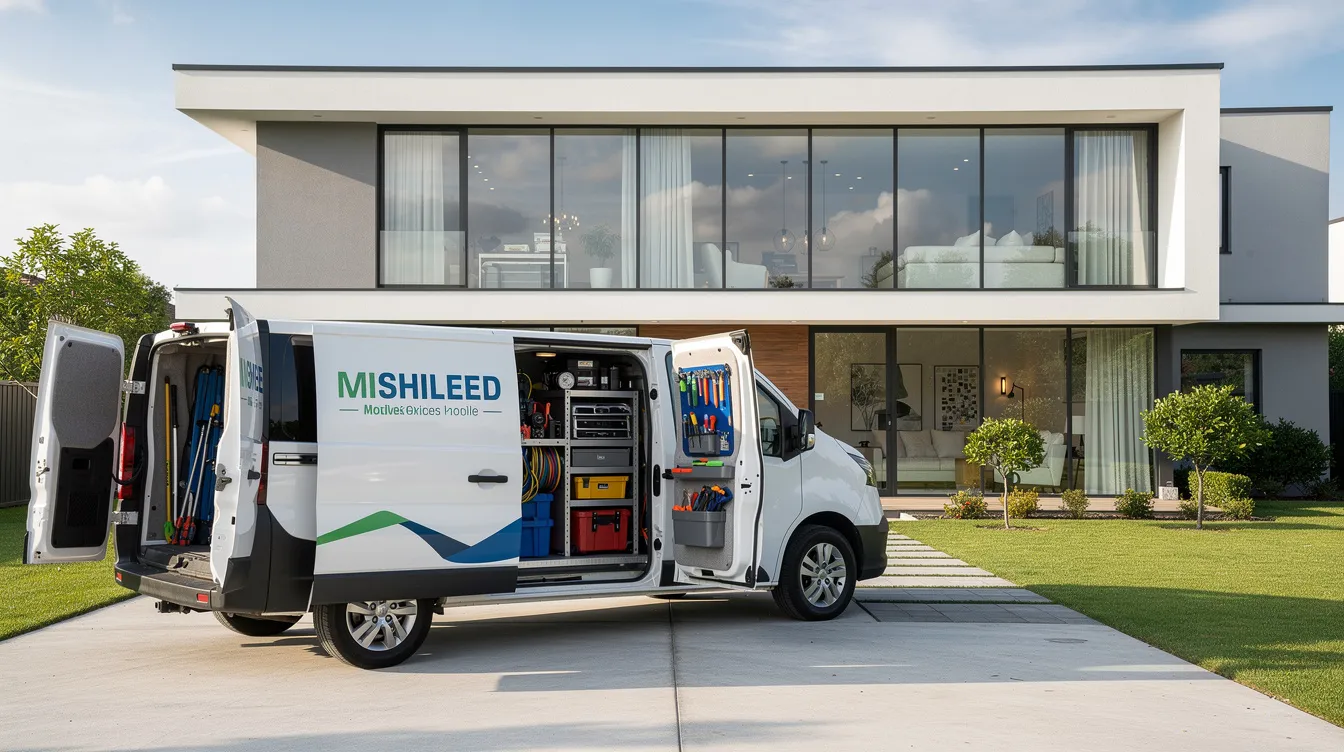
- Asset-light, home-based operations (no retail lease, minimal inventory) enable faster multi unit growth and lower initial costs
- Recurring revenue streams, such as maintenance programs, re-tinting schedules, architectural film updates, and B2B contracts, foster stable long-term growth for service franchises
- Franchise scalability involves creating replicable business models for franchisees, where each location delivers consistent results regardless of geography
McDonald’s operates over 38,000 locations worldwide because every unit runs identically. The same principle applies to home services: franchise partners and multi unit operators need a proven model they can execute without reinventing the wheel in each territory.
Key Components of a Scalable Home Service Franchise
The key components of a scalable home service franchise rest on four pillars: proven systems, operational simplicity, a tight financial model, and strong franchisor support, all of which underpin a proven franchise business model in a booming industry.
- Standardized workflows from lead intake to site visit, proposal, installation, QC, and follow-up ensure consistency across all franchise locations
- Comprehensive training programs are essential for franchisee success, covering classroom instruction, field ride-alongs, and virtual support tailored to hands-on services like window film installation
- Effective scaling requires strong supply chain management to reduce costs. Centralized vendor relationships for glass film, smart film, and architectural finishes maintain consistent quality and protect margins. Franchises can achieve economies of scale through bulk purchasing, and efficient supply chain management reduces costs and improves efficiency across the network
- A central technology stack, including CRM, scheduling, quoting, and payments, is non-negotiable for service delivery at scale
Operational Simplicity: Where Scalable Systems Really Come From
Operational simplicity is about reducing decisions, not reducing work. Subway’s franchise model emphasizes simplicity and flexibility, and the same principle applies to home services: when every franchisee follows the same playbook, scaling becomes predictable.
“Productized” service offerings simplify training and delivery. Instead of letting each location build custom proposals from scratch, scalable franchise systems use:
- Pre-built packages (e.g., “energy efficiency window film package,” “privacy + decorative package”) that simplify quoting and sales
- Standardized pricing templates and job checklists so every installer follows the same standard operating procedures
- Pre-approved film combinations with recommended upsell paths (security film, decorative graphics, smart glass)
- Pre-written customer scripts that ensure consistency in the customer experience
Breadless uses a chefless kitchen model for operational simplicity, eliminating complex labor management. Similarly, CoolVu’s approach of limiting product SKUs per category and providing clear installation SOPs frees franchise partners to focus on leadership and customer relationships rather than drowning in product decisions.
Building Proven Systems Before You Hit 10–20 Locations
New franchisors must build the system before they need it. Waiting until problems appear at location fifteen means you’re already behind.
- Document everything from day one: SOPs for sales calls, measurement protocols, film ordering, job prep, installation steps, cleanup procedures, and warranty handling
- Create an operations manual and video library while the founding location still has under five technicians
- Pilot new processes in one or two early franchise locations before rolling changes out network-wide
- Standardized operations ensure efficiency across all franchise locations, but only if those standards are written down and tested before rapid growth begins
- Use the first 12–18 months to measure KPIs (job margin, close rate, callback rate, repeat business) that become the baseline for every future unit
Legal Documents and Structure for a Scalable Franchise Model
Legal structure isn’t just compliance; it’s infrastructure for scale. Successful franchises must navigate legal complexities and compliance requirements from the start, including understanding what a franchise fee is and how it works.
- Franchise Disclosure Documents (FDDs) provide essential financial performance metrics that prospective franchisees need to evaluate the opportunity
- The franchise agreement defines territory protection, performance obligations, brand standards, approved product lines, and reporting requirements. It’s a binding contract between franchisor and franchisee
- Legal complexities can challenge franchising in different regions, so protecting trademarks around window film, smart glass, and surface solutions branding is critical for consistent branding across multiple locations
- Multi-unit development options and clear territory definitions directly affect long-term franchise scalability
New franchisors should work with franchise-experienced attorneys to build a legal foundation that anticipates multi-state expansion, master franchise arrangements, and future legal documents they’ll need as the system grows.
Lead Generation and Marketing That Scale Across Multiple Locations
The central question: who owns marketing? The answer shapes multi unit growth.
Centralized digital marketing, including national SEO for searches like “window tinting near me,” paid search, and reputation management, should be driven by the franchisor, which is a hallmark of top service franchises in the window and surface solutions sector. Leads are routed to franchise partners via CRM and tracked from first call to completed job. New franchise locations increase brand visibility and trust with consumers, making local marketing more effective over time.
The ideal split:
- Franchisor runs the core lead generation engine and maintains brand identity across all channels
- Franchisees handle local networking, partnerships, community events, and closing in-home consultations using their local market knowledge and local expertise
CoolVu-specific examples include marketing home energy efficiency benefits, security film for schools, and decorative graphics for healthcare and retail clients. Strong brand identity builds customer loyalty and trust, and consistent branding across locations compounds that effect.
Designing for Multi-Unit Franchise Partners From Day One
Multi unit operators now represent a significant and growing segment of U.S. franchising. Franchises support franchisees in opening additional units and territory planning, and a scalable franchise must appeal to these buyers from inception, especially in industries most likely to franchise such as home services and window film installation.
What multi-unit owners look for:
- Lean staffing and low fixed costs (home-based operations, one or two vehicles per territory)
- Strong recurring and repeat revenue streams
- Plug-and-play marketing and lead generation systems
- Adjacent protected territories that allow expansion to 3–5 units over 3–7 years
Pirates of Grill has expanded to over 22 outlets in 15 years, demonstrating how multi unit growth compounds over time. Franchising reduces capital investment for the franchisor while franchisee investments share financial risks with franchisors, creating a sustainable growth model for both parties. Incentive structures like reduced franchise fees on additional units, development schedules, and centralized hiring support make it practical for driven operators to scale.
Financial Model and Unit Economics That Support Scale
Scalability lives or dies on the unit P&L, not just top-line system sales. Strong unit economics are what convince multi unit operators to add more locations, and prospective owners must understand the typical costs involved in purchasing a franchise like CoolVu.
Key numbers to define:
| Component | Home-Based/Mobile | Fixed Bay/Retail |
|---|---|---|
| Startup costs | $25,000–$80,000 | $240,000–$450,000 |
| Break-even | 4–9 months | 9–14 months |
| Net margins (mature) | 10–20% | 10–20% |
| AUV range | $350,000–$1,750,000 | Varies widely |
| Low-cost franchises can start under $50,000 with high profit margins, especially in mobile, home-based models like CoolVu that avoid retail rent, heavy build-outs, and large staffs. Franchise fees and royalties create multiple revenue streams for the franchisor, while recurring accounts (commercial maintenance, repeat decorative updates) smooth revenue when residential jobs are seasonal. Franchise models should adapt to market changes for sustainable growth, and operators who have enough capital to weather the ramp-up period are best positioned for long term success. |
Technology Stack: The Backbone of Franchise Scalability
Technology integration simplifies operations and enhances efficiency across every location, supporting the training, territory protections, and financing options outlined in CoolVu’s franchise FAQs. The must-have tools for a scalable home service franchise include:
- CRM for lead tracking and customer history
- Scheduling and dispatch software
- Quoting and e-signature tools
- Invoicing and payment processing
- Dashboards showing KPIs per location (close rate, job margin, revenue per crew)
When franchisees use unapproved tools, like random CRMs, personal spreadsheets, or their own phone systems, the franchisor loses the ability to monitor performance across the network. Anytime Fitness offers 24/7 access to its members through technology-enabled operations; similarly, a scalable franchise needs always-on visibility into how each location delivers results.
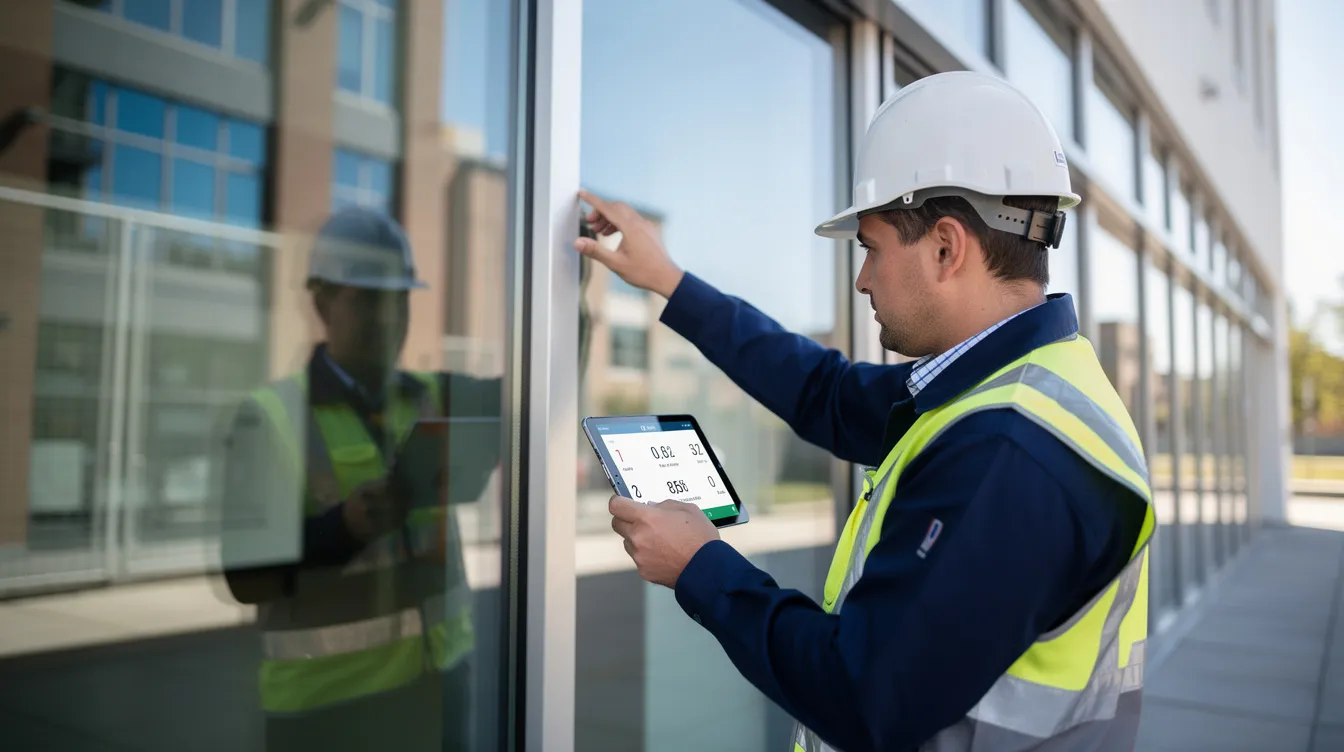
For CoolVu’s work specifically, mobile apps that let technicians measure glass, capture photos, and select the right window film or surface finish on-site reduce errors and speed up service delivery.
Training and Support That Make the Business Model Replicable
A scalable franchise model is one that a capable but non-expert operator can learn and execute. Robust support systems provide ongoing assistance to franchisees, and centralized support improves operational efficiency in scalable franchises across every stage of growth.
Training components include the leadership-driven programs described in CoolVu’s franchise team, leadership, mission, and history:
- Initial multi-day classroom and virtual training covering products, sales, installation techniques, and customer service protocols
- Field ride-alongs on actual installations before a franchisee operates independently
- Sales role-playing for in-home consultations
- Ongoing support: field visits, performance reviews, updated install techniques, and new product training (e.g., smart and switchable films)
A scalable franchise model requires robust training programs for franchisees. Training must work for the 50th location in 2029 just as well as it works for the first franchisee today. Concrete support timelines matter: 30/60/90-day launch plans, quarterly business reviews, and annual conferences create the structure that ensures efficient operations without compromising quality.
Common Pitfalls in Scaling a Service Franchise (and How to Avoid Them)
Franchisee misalignment can hinder scalability and growth. Brand dilution occurs when expansion is too rapid or uncontrolled. Here are the most common mistakes:
- Selling too many units too fast before training and operational support capacity are proven
- Weak franchisee selection: choosing operators who lack financial capacity or alignment with brand standards
- Underinvesting in support staff, leaving field managers stretched across too many locations
- Letting each location pick its own product lines, pricing, and install methods, leading to wildly inconsistent results and operational standards that vary territory to territory
- Skipping field audits: if you don’t inspect it, don’t expect it
Cap new franchise sales per year until your support infrastructure can handle the load. Use NPS scores, callback rates, and average ticket sizes to spot quality issues before they become brand-wide problems.
How a Home Services Brand Like CoolVu Scales Across Multiple Locations
CoolVu’s category, window film, decorative graphics, and architectural finishes, naturally supports franchise scalability and positions it among the best home-based franchise opportunities in window and surface solutions. Here’s why:
- Home-based operational model: low overhead, one or two vehicles, compact inventory carried in vans, and mobile crews that cover defined territories
- Strong demand drivers: energy efficiency mandates, privacy needs in dense neighborhoods, security concerns in schools and offices, and over 80% of architectural window film demand coming from retrofits rather than new construction
- National marketing, preferred vendor relationships, and product training give franchise partners a head start in new markets
- Streamlined supply chain management reduces costs and improves efficiency across the network
This combination of operational simplicity, specialized products, and centralized support sets up sustainable growth and multi unit growth for operators ready to scale.
What New Franchisors Should Do First to Build Scalability
For founders in 2024–2026 thinking about converting a service business into a franchise, it’s useful to study an example of a business franchise model like CoolVu; here’s a clear strategy:
- Validate the core location: run a single location profitably for 12–18 months with documented results
- Document every process: sales calls, measurement, ordering, installation, cleanup, warranty
- Engage franchise counsel to build your FDD, franchise agreement, and legal documents
- Choose your technology stack before you recruit your first franchisee
- Selectively recruit initial franchise partners who align with your brand and operational standards
- Build a franchise advisory council once you reach 5–10 locations to get field feedback on systems
- Create a simple roadmap: target units, support staffing, and technology upgrades over 5 years
Most businesses that have successfully scaled started with market research, building systems, and patience before pursuing rapid expansion.
FAQs About Scalable Service Franchise Models
What does a scalable service franchise look like at 25+ locations?
At 25+ locations, a scalable franchise has centralized lead generation, a unified tech stack, standardized training programs, and dedicated field support managers. Every location delivers consistent quality using the same SOPs, and the franchisor can monitor performance across the network in real time.
Do I need multiple company-owned locations before I franchise?
Not necessarily. One thoroughly documented and profitable single location can serve as a proven model. However, running at least one company-owned test market for 12–18 months before aggressive expansion helps validate your systems and clarify your position in the franchise vs non-franchise decision.
How long does it take to build the systems needed for franchise scalability?
Plan for 90–120 days of intensive system documentation, followed by 6–12 months of testing with your first one or two franchisees. Scalable systems are never “done,” but you need a solid foundation before selling more locations.
How much control should franchisors keep over pricing and product choices?
Significant control. Standardized operations ensure consistency across all franchise locations. Allow minor local adjustments, but core pricing templates, approved product SKUs, and service packages should be centrally managed to ensure consistency.
What are realistic startup costs for a home-based service franchise like window tinting?
For mobile, home-based models, initial costs typically range from $25,000 to $80,000 including vehicle, tools, film inventory, and marketing launch. Fixed-bay or showroom models can run $240,000–$450,000, and you can dig deeper into how much it costs to buy a CoolVu franchise for a detailed breakdown.
Can I start as a single unit franchise partner and later become a multi unit operator?
Yes. Many scalable franchise systems are designed for exactly this. Operators who prove their single unit can grow into adjacent territories with reduced franchise fees, shared staff, and centralized support while enjoying key benefits of franchise ownership such as training, marketing, and proven systems.
How do I know if my market can support more locations for the same brand?
Conduct market research on population density, housing stock, commercial buildings, competition, and demand indicators like energy costs and security concerns. Protected territories within the franchise agreement prevent cannibalization between new locations.
Why Choose CoolVu If You Want a Scalable Service Franchise
CoolVu’s franchise model is built for operators who want a scalable business, not a single-location ceiling, and is recognized as a top franchise opportunity in 2024. Differentiators include:
- Home-based operations with low overhead and minimal fixed costs
- A broad service mix spanning energy-efficient films, security film, privacy solutions, decorative graphics, smart glass, and architectural finishes, which positions CoolVu as a leading home decor and window solutions franchise serving both B2B and B2C revenue streams
- In-house financing options, protected territories, vendor partnerships, marketing launch packages, and ongoing training designed for long term success, all outlined in CoolVu’s guide on how to become a franchise owner
- Systems and playbooks that make it practical for driven operators, including veterans, first responders, women, and minority entrepreneurs, to expand into multi-unit ownership, aligning with what investors seek in the best franchises to buy right now
With growing demand for energy efficiency, safety, and privacy in homes, offices, schools, and government buildings through 2026 and beyond, CoolVu sits at the intersection of a $5+ billion market and an asset-light franchise model purpose-built for scale.
Next Steps: How to Evaluate and Act on a Scalable Franchise Opportunity
Scalable service franchises are built intentionally, not accidentally. Every section of this article, from systems to legal structure to technology, represents a deliberate design choice that separates brands that scale from brands that stall.
If you’re evaluating franchise opportunities, compare the business model, support systems, and scalability features (multi-unit options, marketing, tech stack) across any brands you consider, using criteria similar to those in this guide to what are the best franchises to buy into. If you’re a new franchisor, audit your own systems against the key components outlined here before launching, just as sophisticated investors do when identifying the best franchises to buy in 2025.
Ready to explore CoolVu? You can review independent perspectives in CoolVu franchise reviews and watch CoolVu franchisee testimonials and success stories, then request a franchise information kit, schedule a discovery call, or check territory availability. With the right scalable franchise model, proven systems, and operational simplicity, home service brands can grow sustainably well into the late 2020s and beyond.