Table of Contents
Why Security Window Film Is a High-Growth Business in 2026
A security film business opportunity lets you own and operate a home-based company that installs security window films, safety window films, solar film, and decorative architectural finishes for residential and commercial clients. With over 400,000 residential burglaries reported in 2024 alone-many involving first-floor window entry-and severe weather events inflicting tens of billions in insured property damage each year, demand for protective glass solutions is climbing fast.
Rising demand for protective measures against forced entry and storm damage is increasing safety awareness across every property type, from single-family homes to retail storefronts to public buildings. This is not a niche market anymore. Property owners, facility managers, and insurance companies are actively seeking cost-effective ways to secure glass surfaces without full window replacement. This article covers what security film is, why demand is growing, where the profit centers are, how the CoolVu franchise model works, and concrete next steps if you want to explore this business opportunity for yourself.
CoolVu is a home-based window tinting franchise in the window film and architectural finishes industry. The model is built for flexibility: low overhead, scalable operations, and a product suite that extends well beyond a single film type. Whether you are a veteran, first responder, career-changer, or minority entrepreneur looking for a proven path to business ownership, the security window film space offers real income potential with a lifestyle that does not chain you to a shop or office, especially for those exploring leading minority franchise opportunities with CoolVu.
Understanding Security Window Film and Related Window Films
Security window film and window security film are thick, multi-layer polyester laminates applied directly to existing glass. Unlike standard window tinting (which is primarily cosmetic) or basic solar film (optimized for heat and glare reduction), security films are engineered to hold broken glass together when impacted. They use strong adhesives and often include attachment systems that anchor the film to the window frame. Safety window films must be edge bonded to window frames for maximum performance, because quality of adhesion and edge anchoring is crucial to a film’s impact resistance.
Thickness matters. Safety window films range from 100 to 240 microns in thickness, suitable for basic shatter protection and occupant safety. Security window films average 300 microns in thickness and are designed for forced entry resistance and storm protection. Thicker films provide greater resistance against burglaries and blasts. Security films are tested to withstand a 4.11kg steel sphere drop, a standard industry impact test that separates real protection from marketing claims. Heavy-duty tear-resistant films turn standard glass into shatter-resistant barriers.
Modern security window films combine multiple benefits in a single product. Window films block 95 to 99% of harmful UV rays, protecting furnishings, merchandise, and skin, and are part of a proven franchise business model in a booming industry. Many also reject solar heat, reduce glare, and improve energy efficiency. Major brands in the industry include 3M, LLumar, and Solar Gard, but CoolVu is positioned as a premium, full-solution provider-not a budget installer. CoolVu franchisees offer security films, solar film, decorative films, smart switchable films, and architectural surface finishes, giving customers a complete solution from one company, and the breadth of services supports the profitability of a window tinting business across residential, commercial, and even automotive markets.
Market Demand: Where Security Window Films Are in High Demand Right Now
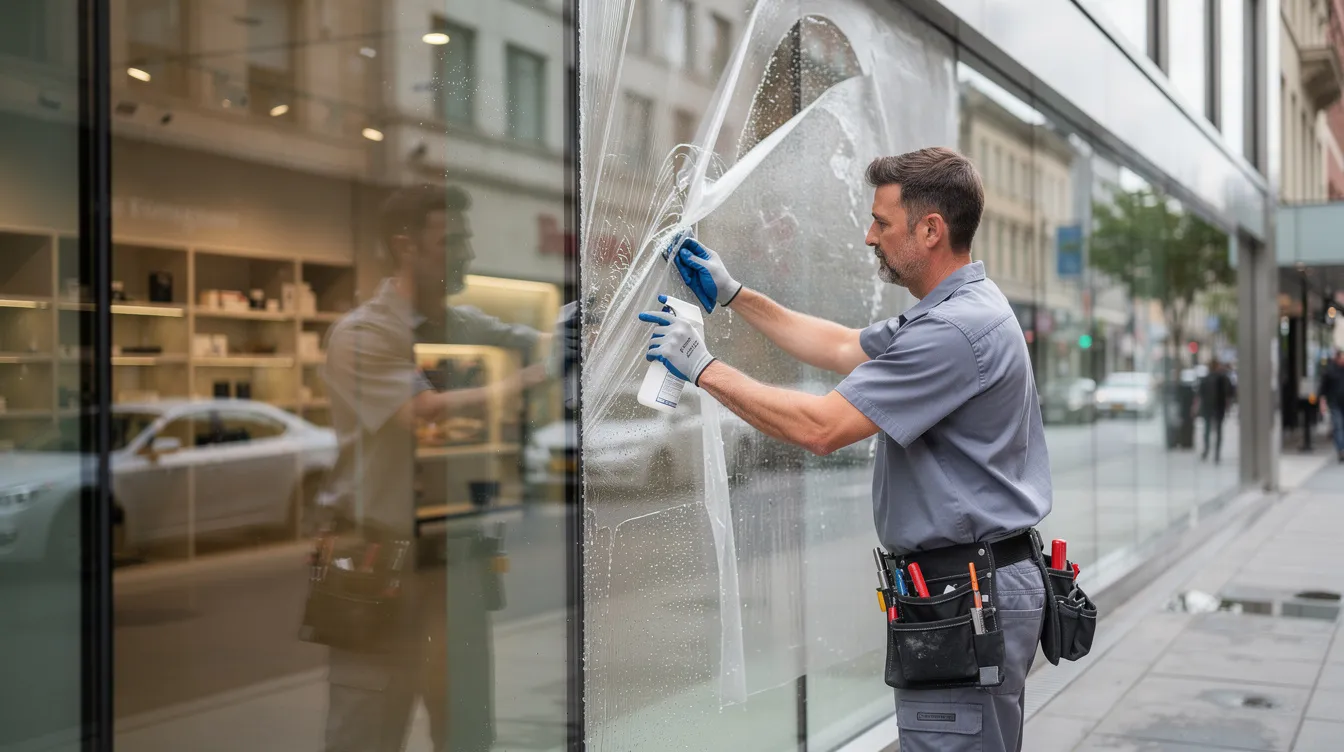
Demand is driven by concerns about break-ins, severe weather, UV protection, energy efficiency, and privacy. The customer segments span residential homeowners worried about family safety and comfort, retail storefronts facing smash-and-grab liability, schools and universities upgrading glass on tight budgets, healthcare facilities managing patient safety, government and public buildings meeting security codes, and commercial office buildings reducing energy costs and liability exposure.
Educational institutions find security film a cost-effective alternative to upgrade glass rather than replacing entire window systems. Post-2020, many schools have been mandated or encouraged to install anti-intrusion glazing protection. High-value market segments for security film include retail stores, banks, and schools-locations where glass vulnerability creates real risk. Cannabis dispensaries, jewelry shops, and high-end retail have seen a spike in forced entry attempts, pushing demand for stronger glass protection in every major metro area.
Market demand can be influenced by local crime rates and building regulations. In hurricane zones like Florida and Texas, building codes require specific certifications for glass protection. Insurance companies increasingly incentivize or require safety glazing. North America accounted for roughly 38% of global security window film revenues in 2024, and the global window film market is projected to grow from $2.72 billion in 2026 to $4.52 billion by 2034. This is a market with real momentum, not a speculative trend, particularly for entrepreneurs focused on commercial window tinting for businesses that need heat reduction, privacy, and energy savings.
The difference in buying motivations between B2C and B2B customers is important to understand, because it directly affects revenue potential and the kind of franchise owner salary you can earn as your mix of residential and commercial work evolves. Homeowners invest in security film for break-in resistance and hurricane protection, along with comfort, fading control, and natural light preservation. Commercial clients focus on liability reduction, risk mitigation, code compliance, and energy savings. Both segments value the peace of mind knowing their glass is protected without sacrificing aesthetics or visibility.
Core Revenue Streams in a Security Film Business
A security film business is not a single-product hustle. Here are the main categories of work an owner can sell:
- Security and safety window films – forced entry delay, storm protection, anti-shatter glazing for residential and commercial windows
- Solar control films – heat rejection, glare reduction, energy efficiency for large glass facades and office buildings
- Decorative and privacy films – frosted, patterned, or branded graphics for conference rooms, lobbies, and storefronts
- Architectural surface finishes – interior door panels, cabinet resurfacing, wall mural graphics
- Smart and switchable films – electrochromic or on-demand privacy films, a premium upsell for modern office and healthcare space that builds on the same fundamentals you’d use if you buy a window tinting business focused on scalable, mobile services
Recurring revenue and upsell opportunities are built into the model. You can install security film on ground-level glazing, then upsell solar film on upper floors as you capitalize on broader custom window business opportunities. Add privacy film to a conference room during the same project. Resurface interior doors or cabinets on a commercial property you are already servicing. Higher-quality films typically command better margins and customer trust, and cross-selling keeps your sales pipeline full across seasons.
Realistic job examples help illustrate the range. A small residential security window project (three patio doors or first-floor windows) might run $800–$1,500 installed, and understanding these basic job sizes is a core step when you learn how to start a tinting business that prices work profitably from day one. A mid-size commercial window upgrade (storefront, retail display, or school building wing) typically falls in the $10,000–$50,000+ range, aligning this model with many of the top service franchises in terms of project value and scalability. Large commercial or architectural glass retrofits can exceed $100,000. Automotive tinting can provide consistent cash flow and serve as a gateway to other markets, but the real margin is in commercial and security work.
Business Model: Home-Based, Low-Overhead, High-Margin
A window film business can run from a home office with a small storage area for film rolls, tools, ladders, and a vehicle for mobile installs. There is no need for a shop lease, showroom build-out, or large staff on day one. Your cost structure breaks down into film and materials, installation labor, basic tools, vehicle, insurance, and marketing-low fixed overhead compared to most brick-and-mortar trades.
Gross margins in the window film industry are strong. Film material cost per square foot is modest compared to the installed price you charge customers. Professional installation is often a key differentiator in the security film industry-clients pay for expertise, not just material, which is a classic example of how an established business franchise model reduces risk through training and standards. Premium security films and certified installation command higher per-square-foot rates than commodity tinting, and the investment in training pays for itself quickly in a profitable window tinting business model.
Scalability is straightforward, especially when you adopt a mobile franchise business model that lets you service residential and commercial clients on-site without a fixed storefront. You start as an owner-operator handling estimates, sales, and installs. As your commercial work and project size increase, you add installers or sales reps, following the growth path many owners describe when explaining why CoolVu is a top franchise opportunity for scaling beyond a solo operation. Competitive advantage may come from exclusive dealership agreements or certified installers, both of which CoolVu provides, and many owners appreciate the key benefits of franchise ownership that support long-term growth. The CoolVu franchise model shortcuts the trial-and-error phase: you get systems, branding, vendor relationships, and pricing tools from the moment you start a CoolVu window film franchise, so you can focus on winning jobs instead of building infrastructure.
Key Benefits Security Window Films Deliver to Your Customers
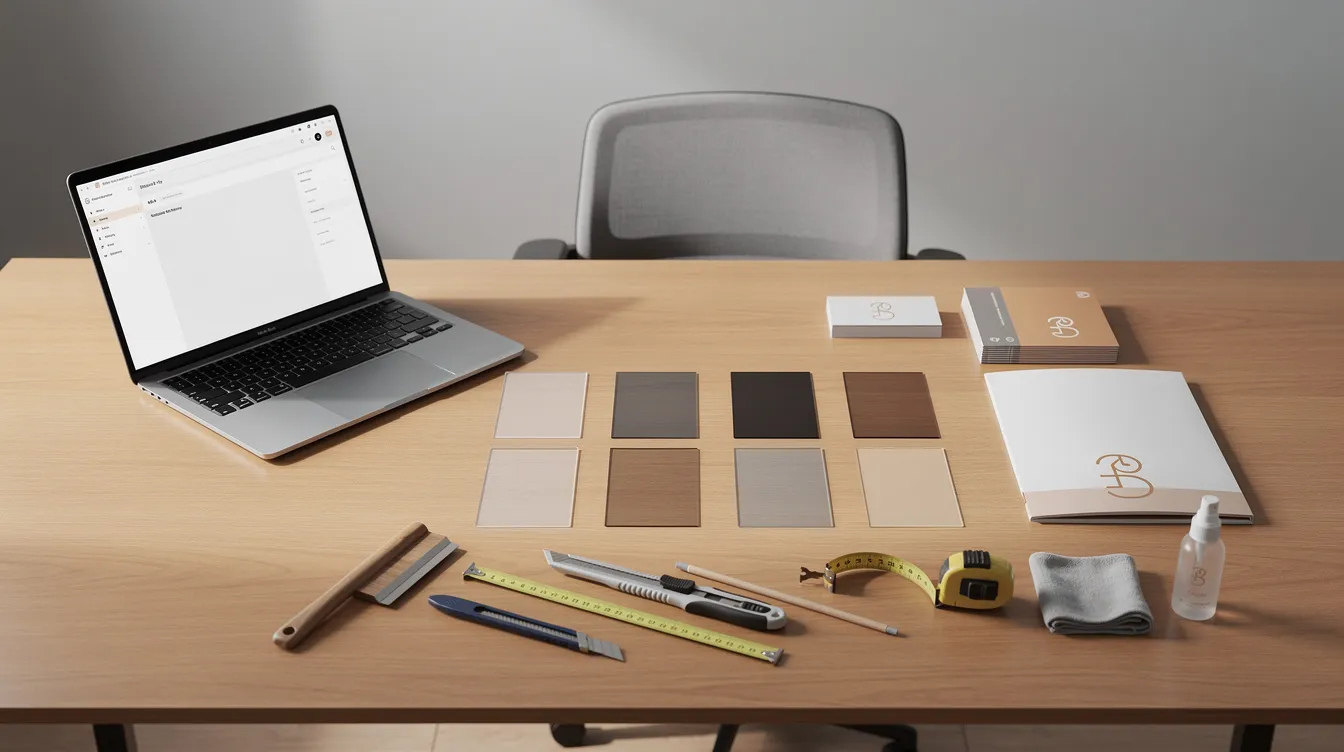
Here is what you are actually selling when you install security window film-and why customers are willing to pay for it, as shown in many real-world franchising examples in the window industry:
- Safety and security: Security window films help hold broken glass in place during impacts, whether from a break-in attempt, an accident, or vandalism. Security films can delay entry significantly during break-ins, giving occupants and alarm system response teams critical extra minutes. Security films minimize potential for smash-and-grab burglaries. Properly installed security films provide long-lasting protection.
- Weather and disaster protection: Security film provides a cost-effective glass safety solution during natural disasters. In hurricanes, windstorms, and severe hail events, film acts as a barrier that keeps broken glass from becoming flying shards. Safety window films protect occupants from glass-related injuries. Safety films hold broken glass shards together after impact, reducing both injury risk and property damage in coastal and tornado-prone regions.
- UV protection and fading control: Safety window films block 95 to 99% of harmful UV rays. This protects flooring, artwork, merchandise, and skin from sun-induced fading and damage. For any building with significant glass exposure, this is a strong selling point.
- Energy savings and comfort: Window films can reduce air conditioning costs by blocking heat. Pairing security film with solar film or hybrid films can cut heat gain, reduce HVAC load, and help customers save money on energy bills year-round. This directly supports green building standards and energy efficiency goals.
- Privacy and aesthetics: Commercial window films enhance property aesthetics without tinting, preserving natural light and a professional look. Clear, lightly tinted, or privacy-focused safety window films give customers options that match their design goals. Window films can help reduce business insurance claims, adding another layer of financial benefit.
What It Takes to Succeed: Skills, Traits, and Daily Work
You do not need prior construction or glazing experience to succeed. What matters most is attention to detail, comfort working on ladders, basic tool proficiency, and willingness to follow a proven system. Strong sales and communication skills help you win commercial contracts and build relationships with property managers, especially when you position your services as specialized window tinting for businesses that improves comfort, privacy, and energy performance.
A typical day might look like this: morning site visits to measure glass and assess threats, creating estimates and ordering film, performing installs (residential in the morning, commercial in blocks), and following up with customers and prospects. You might meet with a facility manager at a school one day and install security film on a retail storefront the next, much like owners of a home decor and window solutions franchise who balance functional upgrades with aesthetic improvements.
CoolVu provides technical training, sales scripts, quoting tools, and ongoing coaching so you can achieve competence quickly, backed by an experienced franchise leadership team and mission that grew out of CoolVu’s origin story and founding vision. The guidance and support shorten the learning curve from years to weeks, letting you focus on building your customer base and closing your next job.
Why Choose a CoolVu Franchise vs. Starting a Window Film Business Alone
Starting an independent window film company means sourcing vendors, developing pricing, building credibility, and designing marketing from scratch. A CoolVu interior design and window solutions franchise gives you:
- Training: Hands-on installation practice with security window film, solar film, and decorative products, plus estimating and sales role-play
- Protected territories: Reduce competitive overlap and secure your market while understanding the cost to buy a CoolVu franchise and plan your investment appropriately
- Marketing tools: Websites, SEO, digital ads, brochures, and lead generation programs built for your location
- In-house financing: Accessible options to help you launch without waiting on outside lenders
- Product breadth: Smart films, architectural finishes, decorative graphics-revenue streams beyond security window films alone
- Community: A franchisee network for sharing best practices, mentorship from top performers, and peer support from professionals who understand your daily challenges, reinforced by real-world CoolVu franchisee testimonials and reviews
National brand recognition helps you land larger commercial window projects. Facility managers and property owners prefer working with a transparent, branded company over an unknown person with a van and a roll of film. CoolVu’s innovation in product lines-including smart switchable films-keeps you ahead of competitors still selling commodity tint.
How the CoolVu Security Film Franchise Process Works
Here is the step-by-step process to become a CoolVu franchise owner:
- Initial inquiry – Complete a short form or call to express interest
- Discovery call – Discuss the franchise model, your goals, and territory options
- Brand overview webinar – Learn about CoolVu’s products, services, and support pillars
- Franchise Disclosure Document (FDD) review – Understand the legal and financial details
- Territory selection and funding – Confirm your location, liquid capital (~$55,000), and total investment ($56,350–$94,350, franchise fee ~$19,900)
- Signing the franchise agreement – Formalize your commitment
- Training – Hands-on installation practice on sample windows, product knowledge covering security film and solar film, estimating exercises, and sales role-play
- Launch – Order inventory, activate marketing, and start installing
From first conversation to launch typically takes 30–90 days, depending on financing and territory availability, and many details are covered in CoolVu’s franchise frequently asked questions and its guide to the best franchises to own in 2025. Post-launch, you receive lead generation programs, marketing campaigns, phone and field support, updated product lines, and help quoting larger commercial window projects. Important success factors include hands-on training and high-quality installation, both of which CoolVu delivers from the moment you sign.
Common Mistakes New Security Film Entrepreneurs Make (and How to Avoid Them)
Underpricing jobs. Many new owners price based on square footage alone, ignoring labor time, access difficulty, attachment system requirements, and certification needs. Use CoolVu’s standardized pricing tools to cover all costs and protect your margins.
Ignoring commercial bids. Small residential work is a fine starting point, but large commercial contracts drive significant revenue. Learn the bidding process, required specs, and code compliance early. Films must meet industry standards for impact resistance and forced entry tests-know your products and their certifications.
Skipping training. Improper installation causes bubbles, delamination, and failures during storms. The security film industry is influenced by economic cycles and technological advancements, so staying current on products and techniques is non-negotiable. Complete every training module CoolVu offers.
Neglecting online reviews and marketing, even though strong branding and visibility are core criteria when evaluating the best franchises to buy right now. Your customers research before they buy. A few poor reviews-or no online presence at all-undermines your premium positioning. Solicit testimonials, maintain your Google Business Profile, and invest in local SEO, taking cues from existing CoolVu franchise reviews and feedback.
Limiting services to automotive tinting only. Automotive tint generates steady cash flow, but restricting your focus means lower margins and seasonal income swings. Expand into security film, solar film, decorative work, and architectural finishes to diversify your revenue and cover demand across every season, following the multi-service approach outlined in CoolVu’s guide to the top things to consider in a window tinting franchise and broader advice on how to start a tinting business.
Misunderstanding film specs. Cheap films with exaggerated claims create liability. Read datasheets, verify certifications, and use CoolVu’s vetted product lines to protect your reputation and your customers.
Security Film Business FAQs
How much does it cost to start a security window film business with CoolVu?
CoolVu requires approximately $55,000 in liquid capital, with total investment between $56,350 and $94,350 including a franchise fee of $19,900. This covers training, product inventory, tools, and initial marketing.
Do I need prior window film or construction experience?
No. CoolVu provides comprehensive training on installation, product knowledge, estimating, and sales. Attention to detail, mechanical aptitude, and strong people skills matter more than industry background.
How long does it take to become profitable?
Lean, home-based setups may break even in 6–11 months. Standard builds may reach full ROI in 14–22 months, depending on your market, job mix, and volume of commercial work.
What territories are available?
CoolVu grants protected territories based on population and market mix, and you can review the typical costs involved in purchasing a CoolVu franchise to see how territory, fees, and startup expenses fit your budget. Availability depends on region and current franchisee coverage. Territory selection happens during the discovery and FDD process.
Can one business handle both residential and commercial window projects?
Yes. Doing both is often advantageous. Residential work provides steady, predictable income. Commercial projects pay more per square foot and include larger jobs for offices, schools, and retail. Balancing both smooths cash flow and accelerates growth.
What kind of ongoing training do I receive?
CoolVu offers sales and performance coaching, updated product knowledge, in-field assistance on large or technical projects, marketing tools, and operational support to keep your skills and your business current, aligning with the support criteria outlined in strategic guides on what are the best franchises to buy.
Do I need special licensing or insurance?
A local business license is required, and you should factor licensing, insurance, and permitting into your startup budget just as you would when evaluating how much it costs to buy a franchise in any service industry. General liability insurance is essential. If using a vehicle for mobile work, commercial auto insurance applies. For employees working at height, workers’ compensation and safety training are needed. You can start part-time, though growth will be slower.
Why Now Is the Right Time to Start a Security Window Film Business with CoolVu
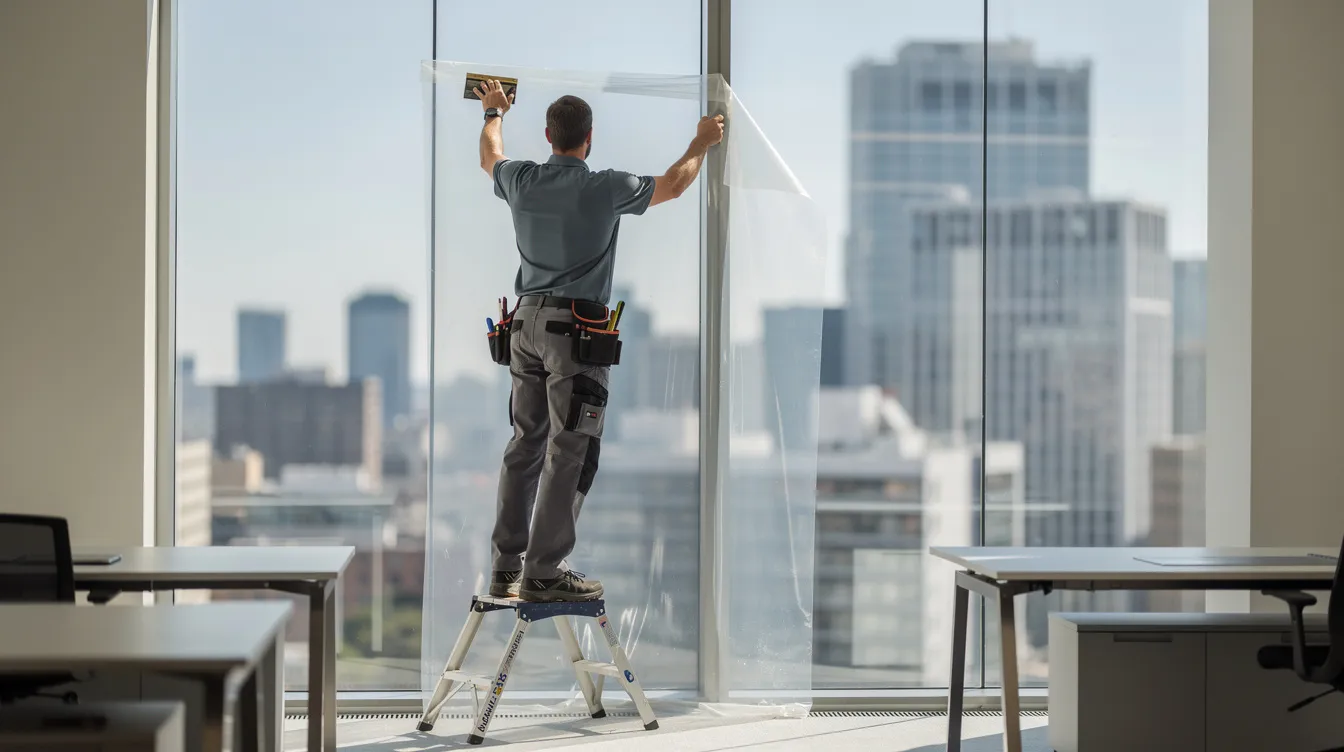
Every major trend points in the same direction: increased focus on safety and security, more frequent natural disasters, rising energy costs, and more glass used in modern architecture. The demand for security window films, solar films, and architectural finishes is not a temporary spike-it is a structural shift in how property owners protect their buildings and the people inside them.
CoolVu gives you the training, brand strength, product breadth, and franchisee support to enter this market with confidence as one of the best home-based franchise opportunities. You are not guessing at pricing, sourcing vendors from scratch, or building credibility from zero; instead, you are following a proven model that reflects the principles in guides on whether buying a franchise is worth it. You are stepping into a proven system designed for a home-based, low-overhead operation that scales with your ambition.
This opportunity is especially accessible to veterans, first responders, women, and minority entrepreneurs looking for a meaningful path to business ownership, supported by CoolVu’s dedicated veteran-friendly franchise program and its positioning as one of the best franchise opportunities for women. If you have the drive and roughly $55,000 in liquid capital, you have what it takes to get started, and you can review the detailed guide to CoolVu franchise investment costs alongside a broader overview of how much it costs to buy a franchise as you plan.
Next Steps: Talk with CoolVu About Your Security Film Franchise Opportunity
The next step is a conversation. Contact CoolVu to schedule a discovery call, request a franchise information kit, or complete a short inquiry form on the CoolVu website. Before your call, prepare your target territory, available startup capital, and desired timeline to launch.
This is your moment to explore whether a security window film and window film franchise fits your goals, your lifestyle, and your community, using an expert guide to the best franchises to buy into as part of your research. The market is growing. The technology is proven. The support system is in place, and broader trends show that home services and window film are among industries most likely to franchise. Reach out to CoolVu today and, if you’re still weighing your options, review whether buying a franchise is a good idea as you find out what building a profitable window film company looks like for you.