Table of Contents
A UV protection window film business offers entrepreneurs a pathway into a growing service industry where gross margins regularly reach 70-85% on installation projects. The UV-blocking film market alone reached USD 3.66 billion in 2025, with projections showing growth to approximately USD 4.15 billion by 2028—driven by rising awareness of UV exposure risks, energy efficiency mandates, and property owners seeking to protect furniture, flooring, and artwork from harmful UV rays. UV protection window film provides multiple benefits, including UV protection, glare reduction, energy savings, and enhanced interior comfort, all of which contribute to cost savings, protection of valuables, and improved occupant wellbeing.
This guide covers everything needed to launch and scale a window film business: market analysis, business model selection, operational setup, equipment investment, licensing requirements, and growth strategies. The content serves contractors expanding their service offerings, entrepreneurs entering the home improvement space, and existing window tinting professionals looking to optimize their operations.
Direct answer: UV protection window film businesses typically generate $50,000-$200,000+ annually through residential installations, commercial contracts, and recurring maintenance services. Operators completing 10 vehicles weekly at $300 average ticket yield approximately $12,000 monthly—scaling to 20 jobs doubles that figure before adding higher-value residential and commercial projects. These services help customers save money by reducing energy costs and protecting valuables from UV damage.
After reading this guide, you will understand:
- How market segments differ in project value and customer acquisition
- Which business model matches your capital and growth goals
- Startup costs and equipment requirements at each investment level
- Certification pathways that unlock manufacturer warranties and premium pricing
- Strategies for overcoming seasonal fluctuations and competitive pressure
- How UV protection window film extends the lifespan of furnishings and provides protection for many years
Understanding the UV Protection Window Film Market
The window film market encompasses several product categories—sun control films, decorative applications, safety and security films, and UV protection film. Sun control window films are designed to control window environments by regulating heat, UV rays, and glare. While these categories overlap (UV blocking often combines with solar heat gain reduction), understanding market definitions helps target the right customers with appropriate solutions.
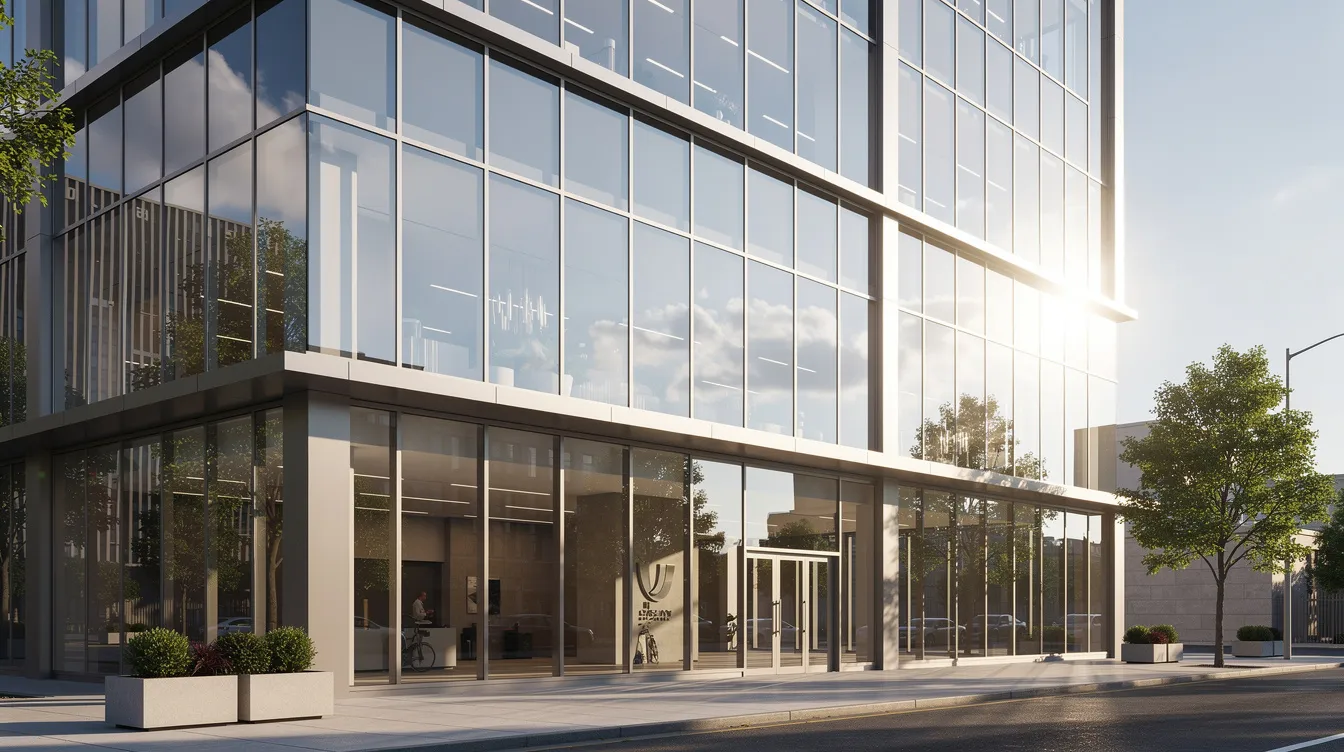
Grand View Research values the total window film market at USD 12.9 billion in 2025, projecting growth to USD 21.9 billion by 2033 at a 7.1% CAGR. The UV-blocking segment specifically shows 6.5% annual growth, fueled by consumer awareness of skin health concerns, interior preservation needs, and energy costs tied to solar heat management. These films help maximize the benefits of sunshine—such as natural light and vibrant spaces—while minimizing UV damage and excess heat.
Residential Market Segment
Home installations represent steady demand driven by protection priorities—preventing fading of furnishings, fabrics, wall art, and flooring from excessive UV exposure. Compared to curtains or blinds, UV protection window film offers a modern alternative for controlling sunlight and protecting interior surfaces while preserving views. UV protection window film can block up to 99% of harmful UV rays, helping to protect interiors from fading and damage while maintaining natural light transmission through windows.
Average residential project values range from $800 to $3,500 depending on home size, window count, and film type selected. Homeowners in sunny climates (Florida, Arizona, Texas, California) demonstrate higher adoption rates, though energy savings appeal broadly. High-quality UV protection films not only block UV rays but also allow natural light to enter, maintaining a bright and inviting atmosphere while helping homeowners stay cool by reducing indoor temperature during hot months and protecting interiors.
The residential segment offers consistent volume with lower complexity per job. Customers often begin with one room experiencing specific problems—glare on computer screens, furniture fading near south-facing windows, or excessive heat in sunrooms—then expand to whole-home installation after seeing results. UV protection window film blocks UV light from damaging surfaces such as furniture, flooring, and artwork, providing comprehensive protection throughout the home.
Commercial Market Segment
Commercial properties present larger contract values and longer sales cycles. Office buildings, retail stores, medical facilities, and schools require UV protection for occupant comfort, interior asset protection, and energy efficiency compliance. Commercial UV protection window film can block up to 99% of harmful UV rays, helping to preserve interior investments while maintaining a professional appearance.
Commercial installation costs average USD 6-18 per square foot depending on film specification (solar control, ceramic, security, or decorative). Small retail storefront projects typically run $3,500-$6,000, while mid-size office installations reach $14,000-$24,000. Large commercial facades can exceed $100,000 for comprehensive coverage. In addition to UV protection, commercial window films help block the sun’s heat, keeping interiors cooler and reducing energy usage.
By reducing solar heat gain, UV protection window film can help stabilize indoor temperatures, leading to improved comfort for employees and customers. This directly translates to lower energy costs—high-performance films can reject up to 80% of solar heat, potentially reducing annual cooling expenses by 10-30%. These savings help businesses save money over the lifespan of the film by reducing cooling expenses and extending the lifespan of electronics, furniture, artwork, and equipment.
Automotive Market Segment
Vehicle window tinting accounts for approximately 35-40% of total window film market volume globally. While individual ticket sizes are smaller ($150-$400 for sedans, more for trucks and SUVs), the frequency creates predictable cash flow and builds customer relationships that convert to residential and commercial referrals.
Automotive work demonstrates technical competency to prospective customers. Night vision window films, for example, improve visibility and reduce glare at night, providing clearer views and less eye strain after dark. Property owners who experience quality vehicle tinting often return for home or business installations. This diversification pathway strengthens overall business resilience and expands revenue without requiring separate marketing infrastructure. Automotive films also protect interior surfaces—such as dashboards, seats, and door panels—from UV damage, helping preserve vehicle value.
Understanding these three market segments reveals how a well-positioned window film business can serve multiple customer types—reducing dependence on any single revenue source while building cross-selling opportunities that maximize customer lifetime value.
Business Models and Revenue Streams
Selecting the right business model depends on available capital, technical expertise, and growth objectives. Resources that explain how to start a tinting business can help clarify options around structure, startup costs, and marketing. Each approach offers distinct advantages in margin structure, scalability, and operational complexity. Family-owned businesses, in particular, can leverage trust and personalized service to stand out in the uv protection window film business market.
Installation Service Model
Direct installation services represent the most accessible entry point for new window film businesses. This model involves purchasing film inventory at wholesale prices, applying materials to customer windows, and charging for both materials and labor.
Typical profit margins reach 40-60% on complete projects, with gross margins often hitting 70-85% because material costs remain low relative to labor charges. A sedan tint costing $300 might use $20-$30 in materials, leaving substantial margin for labor, overhead, and profit.
The installation model works in mobile configurations (serving customers at their location), shop-based operations (customers bring vehicles or schedule home visits), or hybrid approaches combining both. Mobile operations minimize fixed costs; shop-based setups enable higher daily throughput when demand supports capacity.
Dealer/Distributor Model
Becoming an authorized dealer or distributor for major manufacturers (3M, Llumar, SunTek, Solar Gard, Hüper Optik) opens wholesale revenue streams. This model involves selling film, tools, and materials to other installers while potentially maintaining your own installation services.
Volume-based pricing creates margin compression compared to retail installation, but total revenue scales with distribution reach. Territory management becomes important—some manufacturer programs offer territorial protection that limits competition among authorized dealers.
Profit margins for distribution operations typically run 20-30%, lower than installation but achievable at larger scale with proper inventory management and logistics efficiency.
Maintenance and Warranty Services
Recurring revenue through maintenance contracts and warranty replacements stabilizes cash flow beyond project-based income. Commercial clients particularly value maintenance agreements covering inspection, cleaning, and replacement of damaged or deteriorating film.
Manufacturer warranties (often 10-15+ years for premium films) only remain valid when certified installers perform the work. Building a base of warranty-covered installations creates predictable future service calls while locking in customer relationships that competitors cannot easily displace.
These revenue streams compound over time. A business installing 200 commercial projects annually accumulates warranty obligations that generate service calls for years—each interaction presenting upsell opportunities for additional windows, upgraded film, or expansion to other properties the customer manages.
Operations and Implementation Strategy
Operational excellence separates profitable window film businesses from those struggling with callbacks, quality issues, and customer complaints. Proper setup from day one prevents costly corrections later. Preparing all surfaces—whether glass, metal, or doors—thoroughly ensures optimal film adhesion and long-term durability.
The right tools, clean workspace, and attention to detail are non-negotiable. Proper installation not only extends the life of the film but also helps maintain consistent indoor temperature, maximizing the UV protection window film’s performance.
Business Setup and Licensing
Legal requirements vary by state and municipality, but most jurisdictions require basic business registration, sales tax permits, and liability insurance. Unlike electrical or plumbing work, window film installation typically does not require a specific state-issued trade license—though local regulations may differ.
General Liability Insurance with a recommended minimum policy of $1 million is advised to cover potential accidental damage to client property during window film installations. Commercial clients and property management companies often require proof of insurance before approving contractor access.
Manufacturer certifications represent the critical credential for premium positioning. Brands like 3M, XPEL, Llumar, and Solar Gard offer training programs that authorize installers to offer full manufacturer warranties—a significant competitive advantage. The 3M Prestige Series window film blocks up to 99.9% of UV rays while rejecting up to 97% of infrared heat, providing strong protection without altering the appearance of windows, but only certified installers can deliver that warranty backing.
The International Window Film Association (IWFA) offers accredited testing for Solar Control, Safety & Security, and Architectural Film specialists. These credentials build trust with commercial clients evaluating contractor qualifications.
For jurisdictions with energy efficiency codes (notably California), understanding NFRC labeling requirements and compliance documentation becomes essential. Films installed must match specified Solar Heat Gain Coefficient (SHGC) and U-factor ratings, with proper certification documentation.
Equipment and Investment Requirements
Startup investment scales with business ambitions. A minimal mobile operation can launch for $1,000-$5,000 in tools and initial inventory. For many entrepreneurs, understanding whether a window tinting business is profitable at different investment levels is essential before committing capital. Shop-based professional operations require $50,000-$150,000+ covering facility, equipment, vehicles, and working capital.
| Investment Category | Startup Level | Professional Level |
|---|---|---|
| Initial Equipment | $5,000-$8,000 | $15,000-$25,000 |
| Vehicle Setup | $2,000-$5,000 | $8,000-$15,000 |
| Film Inventory | $3,000-$6,000 | $10,000-$20,000 |
| Facility (if applicable) | $0 (mobile) | $15,000-$50,000 |
| Total Range | $10,000-$19,000 | $48,000-$110,000 |
| Core tools for window film installation include professional-grade heat guns, precision cutting knives, and specialized squeegees. Additional equipment covers spray bottles, water filtration systems (clean water prevents contamination), lighting for quality inspection, and measuring tools for accurate job estimation. |
Higher-investment operations add large-format plotters for custom cutting (reduces waste and installation time), dedicated clean rooms or spray bays (minimizes dust contamination), and multiple vehicle setups for simultaneous job coverage.
Marketing and Customer Acquisition
Digital marketing drives lead generation for residential customers. Google Ads targeting local searches (“window tinting near me,” “UV protection film [city name]”) captures high-intent prospects. Guides focused on window tinting for businesses often emphasize pairing online lead generation with relationship-based outreach. Local SEO optimization ensures visibility when property owners research solutions. Marketing messaging should highlight how window films let customers enjoy sunshine and vibrant natural light indoors while minimizing the drawbacks of UV exposure.
Commercial customer acquisition requires relationship-building through property management companies, general contractors, commercial real estate brokers, and facilities management professionals. Attending local commercial real estate events and joining industry associations creates networking opportunities unavailable through digital channels alone. Position your offerings as advanced control window solutions that effectively manage heat, glare, and UV rays for commercial environments.
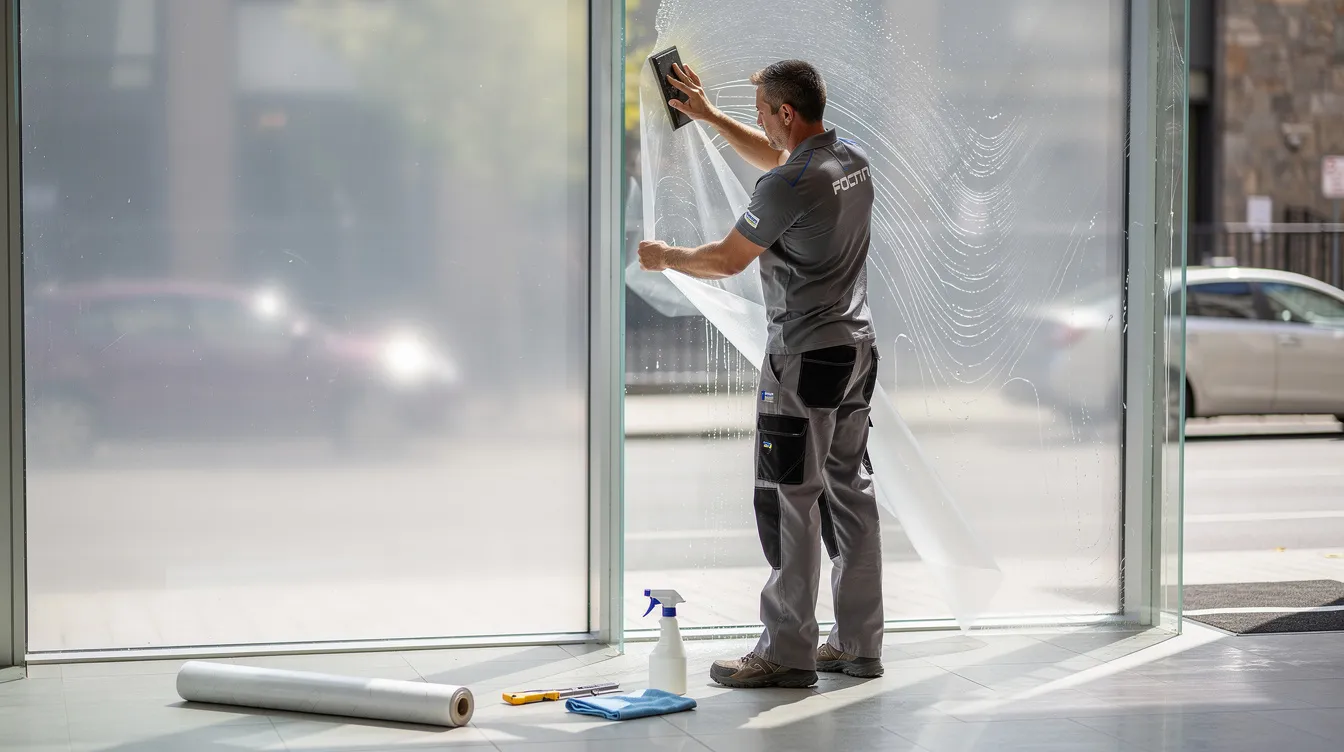
Offering a free consultation removes friction from the sales process. Site visits allow accurate square footage measurement, identification of glass types requiring special consideration, and face-to-face relationship building that increases close rates on larger projects.
Customer reviews and referrals become increasingly important as the business matures. Installing privacy tints can obscure outside visibility without sacrificing natural indoor light—demonstrating this during installations creates conversation and referral opportunities with adjacent property owners or tenants.
Common Business Challenges and Solutions
Every window film business encounters predictable obstacles. Evaluating whether to buy a window tinting business or build one from scratch is one of the earliest strategic questions—each path carries its own risk profile and support structure. Preparing solutions before problems arise prevents reactive scrambling that damages profitability and reputation. It’s also crucial to set realistic expectations for customers regarding the lifespan of window films, emphasizing how UV protection extends the longevity of assets and delivers long-term benefits.
Seasonal Revenue Fluctuations
Residential demand often slows during winter months in colder climates. Commercial projects help offset seasonal dips—façade retrofits, interior glass applications, and multi-month installation schedules provide stability regardless of outdoor conditions.
Develop relationships with property management companies managing multiple buildings. Portfolio-level contracts spread installation across months rather than concentrating in peak season. Interior applications (conference rooms, office partitions, lobby glass) continue year-round regardless of weather.
Competition from Large Franchises
National franchises command brand recognition and marketing budgets beyond independent operators. Differentiation comes through personalized service, local expertise, competitive pricing, and specialized capabilities.
Focus on relationships—returning phone calls promptly, showing up on time, explaining options clearly, and following up after installation. Large franchises struggle to match small-business responsiveness. Emphasize certifications and warranty backing that match or exceed franchise offerings while maintaining pricing flexibility.
Commercial clients often prefer local contractors with established community presence and accountability. Building reputation through consistent quality creates competitive moats that advertising cannot easily overcome.
Managing Installation Quality and Customer Expectations
By minimizing solar heat gain and blocking harmful UV light, window films help keep indoor temperatures steady, protect interiors from fading, and ease the load on cooling systems—leading to lower energy costs. Customers expect these results—and become dissatisfied when film performance doesn’t match promises.
Implement standardized installation procedures covering surface preparation, dust control, adhesive activation, edge finishing, and quality inspection. Document each step with checklists. Photograph completed work for quality records and potential warranty documentation.
Excessive sunlight can create glare on screens, making it difficult to work, but window film helps reduce glare while maintaining visibility and comfort. Set realistic expectations during sales conversations—discuss Visible Light Transmission (VLT) percentages, appearance changes, and performance timeframes.
Installation of illegal tint can result in fines under state-specific Visible Light Transmission (VLT) laws. Know local regulations for automotive applications and communicate legal limitations to customers before installation begins.
Scaling Beyond Owner-Operator Model
Growth requires hiring and training installers while maintaining quality standards. Some owners scale faster by leveraging a proven franchise business model that supplies training, systems, and multi-market product lines. Rushed expansion with inadequately trained staff destroys reputation faster than slow growth builds it.
Create systematic training programs covering technical skills, customer interaction, safety procedures, and quality standards. Pair new installers with experienced team members until competency is demonstrated. Implement quality checkpoints with supervisor review before job completion.
Installing low-emissivity films can help retain indoor warmth during winter by providing a consistent thermal barrier across all seasons—but only if installation quality meets manufacturer specifications. Callbacks for poor installation erode margins and damage customer relationships that took considerable effort to build.
Conclusion and Next Steps
UV protection window film businesses combine accessible entry points with substantial growth potential. Material costs remain low relative to project pricing, gross margins regularly exceed 70%, and diversification across residential, commercial, and automotive segments creates revenue stability. By offering UV protection window film, you help customers save money by reducing expenses from sun damage, repairs, and energy costs, while also extending the lifespan of their interiors, electronics, and furnishings for many years.
Success requires attention to operational fundamentals: proper licensing and insurance, manufacturer certifications that unlock warranty backing, quality installation procedures, and customer relationships that generate referrals.
Immediate action steps:
- Research licensing requirements in your target service area (business registration, sales tax permits, insurance minimums)
- Contact major manufacturers (3M, Llumar, Solar Gard) about certification programs and dealer partnerships
- Calculate startup investment based on chosen business model (mobile vs. shop-based, service scope)
- Develop a business plan covering target market segments, pricing strategy, and customer acquisition approach
- Identify 2-3 initial customers (personal network, existing contractor relationships) for portfolio-building installations
Related expansion opportunities include security film installation (protecting glass from break ins and impact damage), decorative film applications for commercial spaces, and commercial glass services combining multiple film types for comprehensive building solutions. For some operators, starting a CoolVu window film franchise provides a turnkey way to add these services under a recognized brand.
Frequently Asked Questions
What are the typical startup costs for a UV protection window film business?
Startup investment ranges from $10,000-$19,000 for a minimal mobile operation to $48,000-$110,000+ for shop-based professional setups. Core costs include equipment ($5,000-$25,000), vehicle setup ($2,000-$15,000), and initial film inventory ($3,000-$20,000). Professional-level operations add facility costs, specialized cutting equipment, and larger inventory commitments. Many successful operators start lean and reinvest profits to scale equipment and capability over time.
How long does it take to become profitable in the window film business?
Most installation-focused businesses achieve profitability within 6-12 months when maintaining reasonable overhead and consistent customer acquisition. Gross margins of 70-85% provide substantial cushion for covering fixed costs. Operators completing 10 automotive jobs weekly at $300 average generate approximately $12,000 monthly revenue; adding residential and commercial projects accelerates the timeline. Break-even depends heavily on fixed cost management—mobile operations with minimal overhead reach profitability faster than shop-based setups.
What certifications are required to install UV protection window film professionally?
No universal state license exists for window film installation in most U.S. jurisdictions. However, manufacturer certifications (3M, Llumar, XPEL, Solar Gard) are essential for offering full warranty backing—a key competitive differentiator. The International Window Film Association (IWFA) offers accredited testing for Solar Control, Safety & Security, and Architectural Film specialists. Local business licenses and liability insurance are universally required. Some jurisdictions with energy efficiency codes require NFRC-labeled films and compliance documentation.
How do I find and secure commercial contracts for window film installation?
Commercial customer acquisition requires relationship-building beyond digital marketing. Connect with property management companies, commercial real estate brokers, general contractors, and facilities managers through industry events and professional associations. Offering a free consultation and site assessment demonstrates expertise while building rapport. Emphasize energy savings potential—installing UV protection window film can lead to significant reductions in air conditioning usage, which directly translates to lower energy costs for commercial properties. Portfolio projects with documented ROI help close larger contracts.
What profit margins can I expect from UV protection window film installations?
Service-based installation businesses typically achieve 70-85% gross margins because material costs remain low relative to labor and project pricing. A sedan tint job at $300 might use $20-$30 in materials. Net profit margins vary based on overhead, marketing costs, and operational efficiency—well-run operations maintain 40-60% net margins on complete projects. Distribution and manufacturing operations see lower margins (20-30%) but scale to higher total revenue. Commercial projects offer larger absolute profit per job despite similar margin percentages.
Should I specialize in residential or commercial UV window film services?
Both segments offer profitable opportunities with different characteristics. Residential provides consistent volume with lower complexity and shorter sales cycles—average project values range from $800-$3,500. Commercial offers larger contracts ($2,000-$15,000+) with longer sales cycles and relationship-dependent customer acquisition. Many successful businesses serve both segments, using residential and automotive work for steady cash flow while pursuing commercial contracts for larger profit opportunities. Climate and local market conditions influence optimal mix—sunny residential markets favor homeowner focus; commercial real estate density favors business-to-business emphasis.
Why choose our business for UV window film services and training support?
Entrepreneurs who prefer staying lean may benefit from a home-based window tinting franchise that still delivers marketing, training, and manufacturer relationships.
We combine manufacturer-certified installation expertise with deep understanding of both residential and commercial applications. Many modern commercial window films are designed to balance UV protection with natural light, ensuring that spaces remain bright while reducing glare and heat—we help customers select the right film for their specific needs rather than applying one-size-fits-all solutions. Our training support helps new operators avoid costly mistakes while accelerating certification timelines, similar to what investors seek in top service franchises across the window and surface solutions industry. We maintain relationships with leading manufacturers, ensuring access to premium products with full warranty backing that protects your customers and your reputation.