Table of Contents
Finding Your Fit: Researching Industries and Franchise Opportunities
With a clear understanding of your personal goals and financial capacity, the next step is to turn your focus outward. This is where you move from introspection to investigation, analyzing the market landscape to identify where the most compelling franchise opportunities lie. An exceptional business model is only as powerful as the market it serves. A seasoned entrepreneur knows that aligning with a growing industry is the first step toward securing a scalable and profitable long-term investment.
Identifying High-Growth Sectors vs. Saturated Markets
Your initial research will likely reveal a vast spectrum of franchise options, from emerging trends to established mainstays. The key is to distinguish between sectors with sustainable tailwinds and those that are already oversaturated with competition.
A high-growth sector is typically propelled by fundamental shifts in demographics, technology, or consumer behavior. Think of industries like senior care, home services, and sustainable energy solutions. These are not fleeting fads but responses to deep, long-term societal needs. Investing in a franchise within one of these sectors allows you to ride a wave of organic demand, making the path to profitability smoother.
Conversely, saturated markets, like fast food or retail coffee, are characterized by intense competition for every customer dollar. Success is still possible, but it requires a franchise with an exceptionally strong brand, a truly unique value proposition, and a significant marketing budget to cut through the noise. For an experienced investor, the question becomes: why fight an uphill battle in a crowded space when you could establish a dominant position in a growing one? A top-tier franchisor in a high-growth sector provides the ideal combination of market momentum and proven operational expertise.

Evaluating Franchise Scalability and Long-Term Market Potential
For an entrepreneur focused on building significant wealth, a single profitable unit is just the starting point. True scalability is the ability to expand your enterprise, either by maximizing the revenue of a single territory or by successfully launching multiple units. This is where a rigorous evaluation of the franchise model is critical.
When assessing scalability, look beyond the initial franchise fee and consider the underlying unit economics. Does the business model have high gross margins that allow profit to accelerate as revenue grows? Or do costs increase at nearly the same rate as sales, limiting your ultimate earnings potential?
Consider the long-term potential of the market itself.
- Durable Demand: Is the product or service a discretionary “nice-to-have,” or does it solve a persistent, recurring problem for customers? Businesses tied to essential needs, like property maintenance and improvement, tend to have more durable, all-weather demand.
- Multi-Unit Viability: A franchisor serious about growth will have a well-defined and proven path for franchisees to become multi-unit owners. This is not just a policy, it is an entire system of support, financing guidance, and operational training designed to facilitate expansion. The franchisor’s experience in helping others scale is the single best indicator of your own potential to do so.
Ultimately, a scalable franchise is one with a large addressable market, strong profit margins, and a franchisor who has built a repeatable system for franchisee expansion.
Where to Find and Vet Reputable Franchise Opportunities
Finding franchise opportunities is easy, but finding reputable, high-quality ones requires a more methodical approach. While online franchise portals, industry publications, and franchise brokers can be excellent starting points for discovery, they are just the beginning of your due diligence.
The real work lies in vetting the franchisor behind the brand. This is the single most important part of your research, as the quality of the franchisor directly dictates the quality of your investment. From our decades of experience, we know that a world-class franchisor is the ultimate competitive advantage.
Use this framework to vet potential partners:
- Executive Leadership: Investigate the background of the founding and executive teams. Do they have deep operational experience in the industry itself, or are they simply financial engineers who have packaged a concept? Look for leaders who have successfully run a business just like the one they are asking you to buy.
- The Franchise Disclosure Document (FDD): This document is your first look under the hood. Pay close attention to Item 19 for Financial Performance Representations, Item 20 for lists of current and former franchisees, and the litigation history. A confident franchisor with a strong model will provide a robust and transparent Item 19. A weak or absent one is a major red flag.
- Franchisee Validation Calls: The contact list in Item 20 is your most valuable research tool. Do not just call the hand-picked success stories the sales team provides. Make a concerted effort to speak with a broad cross-section of owners, including new franchisees, veteran multi-unit operators, and even those who have recently left the system. Ask tough questions about support, profitability, and whether they would make the same investment again.
- The Support System: Go beyond the glossy brochure. Ask precisely how the franchisor supports its owners after the initial training. Who is your day-to-day contact? Is there a dedicated marketing team to help you launch? Do they provide ongoing technical and business coaching? A great franchisor acts as a true partner, invested in your success long after the ink on the franchise agreement is dry.
Decoding the Blueprint: A Guide to the Franchise Disclosure Document (FDD)
After your initial discovery and alignment on vision, you enter the formal evaluation phase. This is where the franchisor provides you with the Franchise Disclosure Document, or FDD. This is not marketing material. It is a comprehensive legal document regulated by the Federal Trade Commission (FTC). Think of it as the complete architectural blueprint for your potential investment. A well-prepared FDD from an experienced franchisor is a sign of transparency and a mature, well-documented system.
Understanding the FDD: The Legal Blueprint of Your Investment
The FDD is organized into 23 distinct sections, known as “Items.” Each Item provides specific details about the franchise system, covering everything from the franchisor’s history and financial statements to your specific obligations as a franchisee. While it can seem intimidating, often running over 200 pages, its purpose is to protect you by providing all the material information you need to make an educated decision.
From our three decades of experience, we can tell you that the quality and clarity of the FDD itself are your first clues about the franchisor. A document that is clear, well-organized, and easy to navigate suggests a franchisor that values transparency and has invested in getting its systems and legal house in order. A confusing or incomplete FDD can be an early red flag.
A Deep Dive into Item 19: Financial Performance Representations
For any experienced entrepreneur, Item 19 is the heart of the FDD. This is the only section where a franchisor is permitted to provide information about the financial performance of its existing franchisees. While not all franchisors provide an Item 19, its presence is a powerful indicator of a system’s health and the franchisor’s confidence.
A robust Item 19 does not just present a single, best-case-scenario number. A top-tier franchisor will provide detailed data that allows you to model potential outcomes. Look for breakdowns that include:
- Gross revenue data for different cohorts of franchisees, for example, those open 1-2 years versus 5+ years.
- Average ticket sizes or project values.
- Data segmented by territory size, population density, or location type.
- Potentially even key cost of goods sold (COGS) percentages.

This level of detail moves beyond a simple sales pitch. It provides the financial proof points that underpin a scalable business model and demonstrates that the franchisor’s support and systems are translating into tangible results for its partners.
Analyzing Your Total Franchise Investment Cost in Item 7
Item 7 outlines the estimated initial investment required to launch your franchise. It is a detailed chart that breaks down all anticipated startup costs, from the initial franchise fee to expenses for real estate, equipment, inventory, and working capital for the first few months of operation.
Pay close attention to the ranges provided. A franchisor with deep experience will provide a realistic low-to-high range for each cost category based on data from dozens or hundreds of openings. A narrow or unrealistically low range might indicate a franchisor who is either inexperienced or trying to downplay the true cost of entry. Your goal here is to use this information to build a precise, conservative budget, ensuring you are sufficiently capitalized not just to open, but to thrive.
Decoding Royalty Fees, Ad Funds, and Other Ongoing Costs
Your financial relationship with the franchisor extends far beyond the initial investment. Items 5 and 6 of the FDD detail the ongoing fees you will be required to pay throughout the life of your franchise agreement. The most common are:
- Royalty Fees: Typically a percentage of your gross revenue, this fee is your payment for the ongoing right to use the brand’s name, systems, and for the support you receive. This is the fee that funds the corporate team providing training, coaching, and operational guidance.
- Brand or Advertising Fund Fees: This fee, also usually a percentage of revenue, is pooled with contributions from all franchisees to fund national and regional marketing campaigns, brand development, and creative assets.
The critical question is not “How much are the fees?” but “What value do I receive for these fees?” A great franchisor can clearly articulate how these funds are deployed to drive brand recognition and provide support that directly helps you grow your revenue and profitability. This is the true test of a symbiotic franchisor-franchisee partnership.
Understanding Your Territory Rights and Exclusivity Clauses
Item 12 is where your operational territory is defined. This section dictates the geographic area in which you are permitted to operate and market your business. For an entrepreneur focused on scalability, this is a make-or-break clause.
You will typically encounter one of two structures: a “protected” territory or a “non-exclusive” one. A protected territory grants you exclusive rights to operate within a defined boundary, preventing the franchisor from placing another franchise or company-owned unit within that area. This protection is vital for building a stable customer base and executing a local marketing strategy without internal competition. Carefully review the specific language to understand not just the boundaries, but also the franchisor’s rights regarding sales through alternative channels, like the internet, which might reach customers inside your area.
Hearing the Real Story: The Power of Franchisee Validation
While the FDD provides the legal and financial framework, it cannot tell you what it’s like to actually live as a franchisee within the system. That insight can only come from one source: the existing franchisees themselves. This franchisee validation stage is, without question, the most important part of your due diligence.
Why Speaking with Existing Franchisees is a Non-Negotiable Step
Speaking directly with current and former franchisees is your opportunity to verify everything the franchisor has told you. It’s where the promises made in discovery calls and the data presented in the FDD are tested against real-world experience. You are not just buying a business model, you are joining a community and entering into a long-term partnership.
An experienced and confident franchisor will not only encourage these conversations but will facilitate them by providing a complete list of all franchisees in the FDD, as required by law. We recommend speaking to a wide cross-section, including new owners, seasoned veterans, top performers, and even some who may have struggled. This balanced perspective is essential to forming a complete picture.
Preparing Your Questions to Uncover the Real Story
Your goal during validation calls is to move beyond superficial questions. To get to the heart of the matter, you need to ask insightful, open-ended questions that reveal the true nature of the business and the support system.
Consider framing your questions around these key areas:
- Training and Support: “Describe the initial training. How prepared did you feel on Day 1? When you run into a problem you can’t solve today, what does the support process look like?”
- Financial Performance: “How long did it take you to reach the revenue levels described in Item 19? Is the initial investment detailed in Item 7 realistic based on your experience?”
- Marketing and Lead Generation: “How effective is the marketing support from the brand fund? What percentage of your leads come from corporate versus your own local efforts?”
- Franchisor Relationship: “How would you describe the culture? Do you feel the franchisor listens to and acts on franchisee feedback?”
- Overall Satisfaction: “Knowing what you know now, would you make the same decision to invest in this franchise again?”
Evaluating the Franchisor-Franchisee Relationship and Culture
As you listen to the answers, pay close attention to the tone and what is said between the lines. Are the franchisees enthusiastic and collaborative, speaking about “we” when discussing the brand? Or do they sound isolated and frustrated, using “us vs. them” language to describe their relationship with the corporate office?
A healthy franchise culture is one of mutual respect, open communication, and a shared commitment to the brand’s success. It’s a culture where franchisees feel heard, supported, and valued as true partners. This intangible asset, more than almost any other factor, is a leading indicator of long-term success and personal satisfaction. A strong culture is the direct result of a franchisor that has the experience and wisdom to prioritize its people.
Red Flags to Watch for During Franchisee Conversations
During your calls, remain vigilant for patterns that might signal underlying problems. While no business is perfect, consistent complaints across multiple conversations should be taken seriously.
Key red flags include:
- Multiple franchisees telling you the initial investment or working capital needs were significantly higher than what Item 7 stated.
- Widespread dissatisfaction with the quality or responsiveness of the franchisor’s support team.
- A consistent feeling that the brand’s marketing efforts provide little value or lead flow.
- Franchisees being evasive or unwilling to discuss their financial performance.
- A significant number of franchisees who are not following the system, which can erode brand consistency and value for everyone.

Beyond the Model: What a Best-in-Class Support System Looks Like
After you have thoroughly vetted the financial model and the market opportunity, your due diligence must shift to what we consider the single most important predictor of long-term success: the quality of the franchisor’s support system. Many franchise brands look impressive on the surface with polished marketing and compelling numbers. The true value of a franchise partnership reveals itself not in the sales pitch, but in the day-to-day operational, marketing, and community support you receive after you sign the agreement.
From our three decades of experience, we have learned that a franchisor’s investment in their support infrastructure is a direct reflection of their commitment to their franchisees’ profitability. A great franchisor does not just sell you a business model, they provide a comprehensive ecosystem designed to help you execute it successfully. Let’s break down the critical components of a support system that truly sets you up to win.
The Difference Between Basic Training and a Robust Onboarding Program
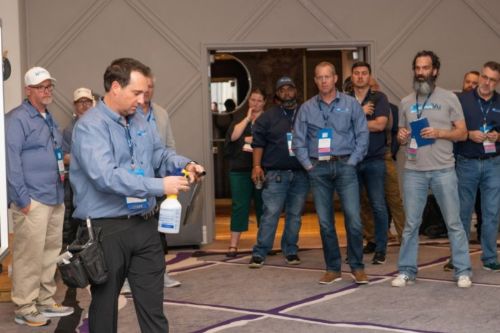
Nearly every franchisor offers some form of training. The critical question you must ask is whether it is merely a basic orientation or a truly robust onboarding program designed to build sustainable business expertise. Basic training is often a short, one-time event focused narrowly on the technical aspects of the product or service. A comprehensive onboarding program, however, is a continuous process that begins long before you attend “training week” and extends well beyond your grand opening.
A best-in-class onboarding program includes:
- Structured Pre-Training: This phase provides foundational knowledge through online modules, reading materials, and preliminary calls. It ensures every new partner arrives at formal training with a common baseline understanding.
- Immersive, Hands-On Instruction: The core training should be an immersive experience that covers not just technical skills but also business operations like sales processes, marketing execution, financial management, and proprietary software.
- Post-Launch Field Support: A superior franchisor will provide hands-on support in your territory during your critical opening weeks. This might involve a corporate trainer working alongside you on your first jobs or sales calls, providing real-time coaching.
- Ongoing Mentorship and Education: The learning should never stop. Look for franchisors that provide a clear framework for continuous improvement, including regular coaching calls, advanced training, and access to subject matter experts.
Evaluating the Franchisor’s Sales and Marketing Engine
A common misconception is that a franchisor’s marketing support consists of a logo and a few ad templates. In today’s competitive landscape, that is simply not enough. An elite franchisor operates a sophisticated marketing engine designed to build brand equity nationally while driving qualified leads directly to you locally.
When evaluating the marketing engine, look for a system that provides tangible, measurable value. The franchisor should clearly articulate their strategy for digital marketing, including SEO, pay-per-click advertising, and social media. Do they manage these campaigns centrally to maximize the impact of the collective marketing fund, or do they expect you to become a digital marketing expert on your own? A modern franchisor should provide a Customer Relationship Management (CRM) platform that helps you track, nurture, and convert the leads they generate for you. Their role is to make the phone ring, and your role is to close the sale. A great partner excels at the former.
Assessing the Technology and Operational Infrastructure
Efficiency is the bedrock of profitability. The right technology stack can dramatically reduce administrative work, allowing you to focus on revenue-generating activities. A premier franchisor has invested heavily in creating a seamless and integrated technology platform for its franchisees.
This goes far beyond providing a list of recommended software. You are looking for a unified ecosystem that manages the entire customer lifecycle. This typically includes:
- A centralized CRM for managing leads and customer data.
- Quoting and invoicing software to create professional proposals.
- Project and scheduling tools to efficiently manage jobs.
- Financial reporting dashboards for a clear, real-time view of your business.
The key is integration. When these systems talk to each other, you eliminate duplicate data entry, reduce errors, and gain powerful insights into your business. A franchisor who has built or customized a proprietary platform demonstrates a deep understanding of the business’s unique needs and a long-term commitment to franchisee efficiency.
The Undervalued Asset: The Power of a Strong Franchisee Community
Finally, do not underestimate the value of the franchise community itself. When you buy into a franchise, you are not just partnering with the corporate entity, you are joining a network of peers navigating the same challenges and opportunities. A positive, collaborative, and supportive culture is a tremendous asset.
A strong franchisor actively cultivates this community through annual conventions, regional meetings, online forums, and franchisee advisory councils. During your validation calls, make a point to ask about the culture. Do franchisees feel like they are part of a team? Do they freely share advice and best practices? The answer will tell you a great deal about the leadership and values of the franchisor.
Finalizing the Deal: Securing Financing and Legal Counsel
With your due diligence nearing completion, the final steps involve formalizing your financial and legal commitments. Navigating this stage with professional guidance is not an expense, it is an investment in protecting your future business.
Exploring Your Franchise Financing Options
Most entrepreneurs require financing to cover the total initial investment. Fortunately, franchising is a well-understood business model in the lending community, and several excellent options are available.
- SBA Loans: The Small Business Administration (SBA) guarantees a portion of loans made by partner lenders. SBA loans are popular for franchise financing due to their favorable terms and lower down payment requirements.
- Rollovers as Business Startups (ROBS): A ROBS plan allows you to use eligible retirement funds to invest in your business without incurring taxes or early withdrawal penalties. This is a powerful option for entrepreneurs with significant 401(k) or IRA savings.
- Traditional Bank Loans: If you have a strong financial history and a good relationship with a commercial bank, a conventional loan is also a viable path.
A reputable franchisor will often have established relationships with third-party lenders who are familiar with their business model, which can help streamline the application process.
Building a Professional Business Plan to Secure Funding
No matter which financing route you choose, you will need a comprehensive business plan. Lenders require this document to understand your vision, your market, and your financial projections. It demonstrates that you have a clear plan for turning their capital into a successful enterprise. A quality franchisor simplifies this process by providing a business plan template and the critical data from the FDD, like Item 7 costs and Item 19 performance data, that forms the foundation of your projections.
Why a Specialized Franchise Attorney is Essential
You would not buy a house without a professional inspection, and you should not buy a franchise without a professional legal review. It is absolutely critical that you hire an attorney who specializes in franchise law to review the FDD and the final Franchise Agreement.
A general business lawyer will not have the specific expertise needed to understand the nuances of franchise regulations. A franchise attorney has reviewed hundreds of these agreements. They know what is standard, what is negotiable, and what constitutes a red flag.
This small investment can save you from catastrophic misunderstandings down the road. While franchise agreements are largely non-negotiable to ensure system-wide consistency, an attorney’s primary role is to ensure you understand your obligations regarding operations, fees, renewal terms, and exit strategies completely.

Making the Leap: Your Final Decision and Signing the Agreement
You have completed your research, spoken with franchisees, and analyzed the support systems. Now, all your due diligence must be synthesized into the most important decision of this entire process. This is the moment to step back from the individual data points and look at the complete picture, ensuring your final choice is strategic, rational, and aligned with your long-term goals.
Synthesizing Your Research: The Go/No-Go Decision
To move beyond a simple “gut feeling,” create a decision framework. This can be a scorecard or a pro-and-con list that helps you objectively compare the opportunity against your criteria. Evaluate the franchise across these core pillars:
- The Business Model: Is it profitable, scalable, and resilient? Does your financial modeling show a clear path to achieving your income goals?
- The Support System: Has the franchisor proven they have a best-in-class infrastructure for training, marketing, and operations?
- The Leadership and Culture: Do you trust the leadership team? Does the franchisee community feel collaborative and supportive?
- Personal Fit: Does this business align with your skills, lifestyle goals, and passion?
Assign a score to each category. Be honest about any red flags or areas of concern. This structured approach forces you to confront weaknesses as well as strengths, leading to a more balanced and confident decision.
The Transition from Candidate to Franchise Partner
Signing the agreement marks a significant and exciting transition. You are no longer a candidate being evaluated, you are now a partner in the system. A professional franchisor will manage this transition seamlessly. Immediately following the signing, you should expect a structured handoff from the development team to the onboarding and support teams. This typically involves a formal welcome call, access to the pre-training portal, and a clear timeline of next steps. This is the moment when the support system you so carefully evaluated springs into action.
Conclusion: A Strategic Framework for How to Buy a Franchise
The journey to franchise ownership is a marathon, not a sprint. By moving beyond a superficial checklist and adopting a framework of strategic evaluation, you transform the process from a purchase into a partnership decision. The goal is not simply to buy a business, but to choose a partner who is fully invested in your long-term success.
Ultimately, the most successful franchise relationships are built on a foundation of trust and mutual commitment. While a strong economic model is essential, it is the franchisor’s dedication to robust support, a positive culture, and proven leadership that creates the environment for franchisees to truly thrive, scale their operations, and achieve their entrepreneurial ambitions.
With this framework in hand, you are now equipped to evaluate franchise opportunities with the critical eye of a seasoned investor. Choosing the right partner is the most important decision you will make, and the time you invest in rigorous due diligence now will pay dividends for years to come.
To fully understand how to buy a franchise using a proven, strategic framework, connect with CoolVu Franchise and explore the opportunity.
Frequently Asked Questions
What is the most important part of the Franchise Disclosure Document (FDD)?
For an experienced entrepreneur, the most critical sections are Item 19 (Financial Performance Representations), which shows the potential earnings of other franchisees, Item 7 (Estimated Initial Investment), which details your total startup costs, and Item 20, which provides a list of current and former franchisees for your validation calls.
How much does it cost to buy a franchise?
The cost varies dramatically between different brands and industries. The total franchise investment cost is clearly outlined in Item 7 of the FDD. This chart details everything from the initial franchise fee and equipment costs to the amount of recommended working capital you’ll need for the first few months of operation.
Is it necessary to speak with current franchisees before buying?
Absolutely. Franchisee validation is arguably the most critical step in your due diligence. These conversations allow you to verify the franchisor’s claims, get a realistic view of profitability and support, and understand the true culture of the company from those living it every day.
Can I negotiate the terms of a Franchise Agreement?
Franchise Agreements are generally standardized and non-negotiable to ensure fairness and consistency across all franchisees in the system. However, a specialized franchise attorney should always review the document. Their role is less about negotiation and more about ensuring you fully understand all your rights, obligations, and any potential red flags before you sign.
What makes a franchise opportunity truly scalable?
True scalability depends on three key factors: a business model with high gross margins, durable customer demand for a needed service rather than a discretionary want, and, most importantly, a franchisor with a proven, well-defined system for helping existing owners successfully expand into multi-unit operations.
More Interesting Posts: