Table of Contents
Why Franchises for Veterans Are a Smart Path to Business Ownership
Military life is built around defined missions, clear chains of command, disciplined training, and structured execution. Franchise ownership mirrors that rhythm almost exactly: a franchisor provides branding, systems, and ongoing support, while you handle local operations and grow the business. That alignment is why veterans make up roughly 14% of all franchise owners despite being about 7% of the U.S. population.
The best franchises for veterans go beyond a logo and a handbook. They offer veteran incentives like franchise fee discounts, tailored financing, and comprehensive training that help bridge the gap between military service and business ownership. This article breaks down how the franchise business model works, which franchise industries fit veterans well, what to look for in a franchisor, and how to avoid the most common mistakes.
We’ll also spotlight CoolVu, a home-based, low-overhead franchise in the home and commercial surface enhancement space that actively recruits and supports veteran franchise owners through protected territories, in-house financing, and bootcamp-style training.
Why Veterans Make Great Franchise Owners
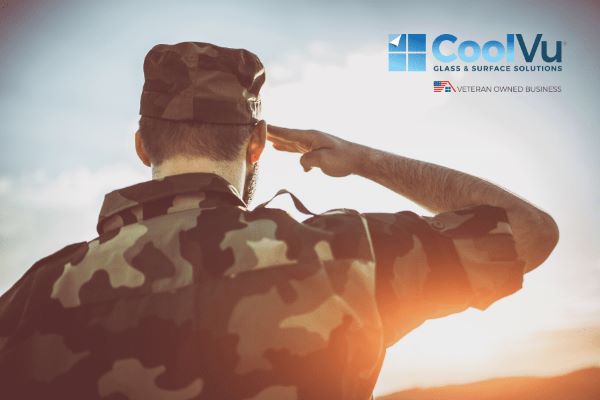
Veterans possess strong leadership and problem-solving skills forged in high-stakes environments. Those capabilities translate directly into franchise ownership, where managing employees, vendors, project schedules, and customer expectations is the daily reality.
Franchises naturally fit military skills because they rely on structured systems and operations. Veterans are trained to follow and enforce standard operating procedures, which is precisely what keeps a franchise system consistent across locations. Industries with structured processes align well with military logistics and operational planning skills, and veterans frequently excel in structured, operations-focused industries due to their leadership skills.
Veterans often do well in franchises emphasizing process execution and team management. The ability to communicate clearly across a hierarchy, delegate effectively, and maintain morale under pressure makes military veterans strong operators from day one. Consider a former NCO who managed logistics in the field: scheduling, quality checklists, and resource allocation become tools for optimizing service routes, minimizing downtime, and scaling revenue in a franchise business.
Teamwork, mission-focus, and accountability aren’t just buzzwords on a franchise website. They’re the daily operating environment that most veterans already know how to navigate.
Franchising 101 for Veterans: How the Business Model Works
A franchise is a licensing agreement where a franchisor grants you the right to use their brand, proven business model, training systems, and marketing in exchange for upfront and ongoing fees. You own your own business, but you’re operating within a proven system that reduces the trial-and-error of starting from scratch.
The franchisor handles brand strategy, supplier relationships, technology platforms, and system-wide marketing. As the franchise owner, you manage local operations: hiring staff, fulfilling customer orders, building community relationships, and driving sales. Veterans are ideal candidates for franchising due to their experience with structured systems and chains of command, and resources that walk through an example of a business franchise or define what a franchisor does in a franchise system can make the model even more concrete.
Franchise startup costs typically range from $100,000 to $300,000 for most concepts, though CoolVu’s franchise cost guide and broader overviews of how much it costs to buy a franchise show how certain home-based models can come in below that range. Here’s a simplified cost breakdown:
| Cost Category | Typical Range |
|---|---|
| Initial franchise fee | $20,000–$50,000 |
| Equipment and tools | $10,000–$50,000+ |
| Working capital (3–6 months) | $20,000–$200,000 |
| Ongoing royalties | 4–8% of gross revenue |
| Marketing/ad fund fees | 1–4% of gross revenue |
| Before committing, review the franchise disclosure document carefully. This legal document discloses the full investment range, earnings data (if provided), territory rights, renewal terms, and franchisor obligations. It’s your most important due diligence tool. |
Top Franchise Industries That Fit Veterans Well
The best opportunities for veterans often fall into operations-heavy industries where structure, discipline, and reliability determine success, especially in franchise-friendly industries like home services and window film and other top service franchises.
Home services franchises are recession-resistant and operationally focused. Think window film and tinting, home inspection, cleaning, restoration, and lawn care. These businesses typically require lower startup capital, no retail storefront, and involve the kind of field work and planning that many veterans enjoy, especially in mobile franchise business opportunities where you bring services directly to customers. WIN Home Inspection, for example, has 36% of franchise owners as veterans, demonstrating how well this type of work fits a military background.
Business services franchises, including B2B consulting, commercial maintenance, cost reduction, and IT support, leverage leadership skills, organizational ability, and communication. These models often feature recurring contracts and predictable revenue, which helps stabilize cash flow during early growth.
Senior care franchises tap into the service mindset that runs deep in military experience. Non-medical home care and elder support businesses are growing rapidly as the population ages, and they require empathy, trust, and reliability. These are traits many veterans bring naturally, and they parallel qualities highlighted in franchise opportunities tailored for women entrepreneurs who also value flexibility, impact, and community relationships.
Other veteran friendly segments like fitness, automotive services, and logistics can also work well, but service and property-focused franchise industries tend to offer the best combination of lower overhead, community impact, and operational fit, and often appear on lists of the best franchises to buy right now and the best franchises to own in 2025.
Best Franchises for Veterans: What Sets the Top Brands Apart
Not every franchise that markets to veterans actually delivers on its promises. The top franchises for veterans share specific, measurable traits that go beyond a discount code on a website, aligning with the criteria outlined in expert guides to the best franchises to buy into.
Look for transparent costs and financial performance data in the franchise disclosure document, strong initial and ongoing training, accessible franchisor leadership, veteran-specific incentives, and a proven model that current franchise owners can validate. Many franchisors offer significant incentives for veterans through the VetFran program, but factors more important than the size of a veteran discount include total investment and financial performance of existing units.
Culture matters as much as systems. The best franchise for a veteran will have camaraderie among franchise owners, mentorship from experienced operators, and a clear sense of mission. Franchises often provide training and mentorship for veteran owners that goes beyond technical skills into sales, hiring, and financial management.
CoolVu has modeled its support with these veteran-friendly traits in mind. From bootcamp-style comprehensive training to protected territories and built in support from experienced franchise owners, this home-based window tinting franchise opportunity and the brand’s leadership team, mission, and history are all designed for entrepreneurial veterans who want structure without sacrificing autonomy.

Spotlight: Why Home- and Service-Based Franchises Are Often the Best Fit
Low-overhead, home-based franchises eliminate some of the biggest financial barriers to business ownership. Without a retail lease, expensive build-out, or large fixed inventory, veterans can launch with less capital and reach profitability faster. This makes them especially attractive for new business owners managing the financial transition out of military life.
Recurring revenue models create stability that pure project-based businesses lack. Maintenance contracts, seasonal services, and repeat surface enhancements generate predictable cash flow that helps franchise owners weather slower months during their first 12–24 months of operations.
Local, community-facing services let veterans continue to serve their neighbors, businesses, schools, and institutions in a tangible way. That alignment between personal and professional goals keeps motivation high and burnout low.
CoolVu-style services illustrate this well. Window film installation, energy-saving tint, security film, decorative wall graphics, and architectural surface finishes operate within a proven franchise business model in a booming industry that blends physical field work with consultative selling and increasingly popular offerings like switchable smart glass film for privacy and flexibility. For veterans, a dedicated guide on how to start a CoolVu window film franchise can clarify how these services translate into daily operations and income. You’re solving real problems for homeowners and facility managers, from reducing energy costs to improving privacy and building security.
CoolVu as a Veteran-Friendly Franchise Opportunity
CoolVu is a home-based franchise opportunity in the home and commercial surface enhancement space. It’s a concrete example of what a veteran franchise built for low overhead and high flexibility looks like in practice, especially if you’re comparing options and considering whether to buy a window tinting business outright or join a structured franchise system.
The business model serves both B2B and B2C customers. Residential homeowners need energy-efficient window film, privacy solutions, and decorative finishes. Commercial clients, including retail, healthcare, government buildings, and office properties, need security film, branded graphics, smart switchable films, and architectural surface upgrades. This dual revenue stream, supported by a multi-service window tinting franchise model, the broader demand for window tinting for businesses, and realistic expectations about typical franchise owner salary ranges in this industry, gives franchise owners more ways to build and stabilize income.
The work itself fits veterans well. Each project follows a clear process from consultation through installation, combining hands-on field work with problem-solving and relationship management. You’re working with both homeowners and facility managers, adapting solutions to their specific needs, and tapping into a model where a window tinting business can be highly profitable due to repeat demand and low overhead.
Typical investment requires approximately $50,000 in liquid capital, plus equipment and vehicle costs. The home-based model keeps fixed overhead low, making it accessible for first-time business ownership without the financial weight of a brick-and-mortar location; if you’re evaluating how to start a tinting business, you can dive deeper into CoolVu’s specific franchise investment costs and broader guidance on where to get the capital when purchasing a franchise as part of your due diligence.
Veteran Incentives and Support Programs to Explore
Franchise ownership offers veterans a structured support system that extends well beyond any single brand, and resources like CoolVu’s franchise education blog can help you evaluate systems, leadership, and long-term potential.
VetFran, a program of the International Franchise Association, is the largest connector between military veterans and franchise companies. VetFran includes over 630 franchise systems offering veteran incentives, and VetFran has helped over 4,000 veterans become franchisees. Many franchise brands participate in the VetFran program, providing discounts for veterans, and some extend similar support to first responders franchise opportunities for EMTs, police, and firefighters. Resources like the VetFran Directory help match veterans with brands offering military incentives, including reduced franchise fees and tailored onboarding.
SBA Veterans Business Outreach Centers provide free business counseling, training, and help with business plans. These centers can also assist veterans in understanding franchise disclosure documents and identifying financing sources in their region.
Warrior Rising offers education and mentorship for veteran entrepreneurs looking to start or grow a business. Second Service Foundation provides grants and loans for veteran businesses, adding another layer of financial support beyond traditional lending. If you’re drawn to property improvement concepts, resources on custom window franchise opportunities can help you understand how specialized services like tinting and films fit into this support ecosystem.
Many individual brands, including CoolVu, offer special consideration and discounted fees for qualified veterans above and beyond these national programs. CoolVu’s veteran-friendly franchise support programs include exclusive incentives and training, and veterans receive special financial incentives from many franchisors, including options in home decor and window solutions franchises and minority-focused franchise opportunities in window films and surface solutions, so always ask directly about what’s available.
Financing a Franchise as a Veteran
Most veterans piece together funding from multiple sources to launch their dream business. Personal savings typically form the foundation, supplemented by lending products designed for franchise investment, as discussed in CoolVu’s overview of whether buying a franchise is a good idea, deeper analyses of whether buying a franchise is worth it, and practical roadmaps on how to get a loan to buy a franchise business.
Veterans may benefit from SBA-backed business loans subject to eligibility and lender requirements. SBA 7(a) and SBA Express loans are among the most common, and the SBA Veterans Advantage program can reduce or waive certain loan fees. If you plan to lean heavily on government-backed financing, it’s worth reviewing expert guides to getting an SBA loan to buy a franchise. Some franchise companies also offer in-house financing options for equipment, vehicles, or initial fees, which should be evaluated alongside the typical costs of a CoolVu franchise investment.
GI Bill funds typically cannot be used to purchase a franchise directly, but the education benefits can free up personal income and support training that complements business ownership. As you plan your budget, make sure you understand what a franchise fee is and how it works and how ongoing tools like a centralized franchise portal support your operations so you can see how discounts and incentives affect your total investment.
Build a basic financial plan before signing anything. Estimate your startup budget, plan for a working capital cushion of six to twelve months of operating expenses, and model conservative break-even scenarios. Many franchises offer reduced fees and financing help for veterans, which can meaningfully reduce the cash needed upfront, especially when you understand where to get the capital when purchasing a franchise. Guides on entering related segments, such as an interior design-focused window franchise, can also provide benchmarks for investment and cash flow. For a home-based franchise like CoolVu, a veteran might combine $50,000 in savings with an SBA loan and a franchisor fee discount to launch with manageable out-of-pocket costs.
Questions to Ask Before Choosing a Veteran Franchise Opportunity
Asking the right questions separates successful franchise owners from those who face preventable surprises.
Start with yourself. What does success look like for you after military service? Are your personal and professional goals aligned with hands-on field work, or do you want to hire managers early and focus on growth? How involved do you want to be day-to-day in operations versus management? Many veterans find it helpful to use a structured franchise purchase preparation checklist to organize this self-assessment and due diligence.
Ask each franchisor about the total investment required per FDD Item 7, the duration and format of training, and the average ramp-up time to profitability. What marketing support is provided at launch and ongoing, and how does it compare to CoolVu’s franchise FAQs on costs, territories, and incentives?
Request the number and performance of current veteran franchise owners in the system. Can you speak directly with them about their experience, revenue trajectory, and the support they’ve received?
Check territory size, exclusivity, and local demand. For a franchise opportunity like CoolVu, ask whether building codes in your area incentivize energy-efficient films or security upgrades, which can drive demand.
Always ask about franchise fee discounts, royalty structures, and exit or renewal terms before signing.
Common Mistakes Veterans Make When Entering Franchise Ownership
Even great franchise owners can hit avoidable obstacles early. Awareness of common pitfalls helps you plan around them.
Underestimating working capital is the most frequent mistake. Many veterans focus on the initial franchise fee and visible startup costs without budgeting for slower-than-expected sales ramp, local marketing expenses, or hidden fees. Add 25–30% contingency over the documented FDD investment estimates, and use tools like a franchise dictionary of key terms and explanations of earnings claim or financial performance representations in the FDD to ensure you fully understand the language in your FDD and agreements.
Choosing a franchise based purely on brand name prestige or the size of a veteran discount instead of day-to-day fit leads to misalignment. If you prefer field work and flexibility, a high-investment retail concept may drain your energy and resources. Many franchises offer discounts of 10% to 50% on initial fees for veterans, but the discount shouldn’t be the primary decision driver.
Treating franchise ownership as turnkey autopilot is another trap. Successful franchise owners invest significant personal effort in sales, hiring, staff development, and community relationship building, especially in the first two years.
Skipping FDD review with a qualified attorney, not projecting cash flow under conservative assumptions, or failing to speak with existing franchise owners can lead to costly surprises. Always validate before you commit.
What the Franchise Process Looks Like for Veterans
The entrepreneurial journey from research to launch typically follows a clear path, and for CoolVu that path is outlined in detail in their step-by-step process to become a franchise owner, supported by a fast-growing system that recently expanded to 100 franchise territories nationwide.
First, complete an honest self-assessment. Evaluate your financial readiness, lifestyle goals, industry interests, and preferred level of involvement. Research local market demand for the services you’d offer and consider whether buying a franchise like CoolVu is a good idea based on your risk tolerance and goals.
Next, attend discovery calls, webinars, or franchise expos to learn about specific franchise companies and their business model. For veterans, VetFran events and veteran-focused workshops are especially valuable, as are success stories and franchising examples to inspire you as you evaluate different brands.
During the evaluation phase, review the franchise disclosure document in detail, focusing on Items 5, 7, and 19 and how Item 9 defines your day-to-day responsibilities as a franchisee. Speak with three to five current franchise owners, ideally other veterans, in similar markets. Analyze territory availability and competition.
Once you’ve selected a franchise and secured financing, sign the franchise agreement and attend the franchisor’s training program so you can fully leverage the key benefits of franchise ownership, including core advantages like purchasing a franchise to reduce risk and accelerate growth. Comparing franchise vs. non-franchise paths can also validate that the support and systems you’re getting align with your expectations. For CoolVu, this includes hands-on technical training in window film and architectural finish installation, plus sales and operations coaching.
Finally, prepare your equipment, vehicle, and local marketing for launch. Home-based models like CoolVu can move from signed agreement to first installation faster than construction-dependent retail concepts.

How to Know If You’re Ready for Franchise Business Ownership
This is an honest self-check, not a sales pitch. Not every veteran is ready for franchise ownership on the same timeline.
You’re likely ready if you want autonomy within a proven system, you’re willing to sell and build local relationships, and you have support from family members or a close network. Financial readiness matters too: sufficient liquid capital, manageable debt, and a cushion for the unexpected.
Expect the first 12–24 months to demand long hours, including evenings and weekends. For many veterans accustomed to deployment tempo, this pace feels familiar. The key difference is that you’re building something for yourself and your family, supported by a franchise system with strong reviews from existing owners.
Transitioning identity from service member to entrepreneur is a real challenge. Military spouses and family members play a critical role in this shift. Don’t hesitate to seek support from veteran communities, mentors, or counseling resources when the transition feels heavy, and remember that franchise ownership can be one of several top flexible careers for free spirits seeking autonomy after service.
Speak with at least two current franchise owners, ideally veteran owned businesses in your target industry, and review CoolVu franchisee testimonials and reviews to validate your expectations before making a final decision.
Why CoolVu Is a Strong Franchise Option for Veterans
CoolVu’s franchise model was designed with the kind of operator who thrives on structure, variety, and community impact. Home-based operations keep overhead low, positioning CoolVu among the best home-based franchise opportunities. A mix of B2B and B2C revenue streams, from residential window tinting to commercial security film and decorative graphics, creates multiple paths to growth.
Training covers both technical skills (window film application, architectural finishes, smart film installation) and business fundamentals (sales, marketing, hiring, financial management). Ongoing support includes field assistance, national brand marketing, and access to a community of experienced franchise owners who serve as mentors—key reasons CoolVu is a top franchise opportunity in 2024.
Protected territories, in-house financing options, and ongoing training help qualified veterans launch with confidence. The work itself, improving energy efficiency, security, and privacy for homes, schools, healthcare facilities, and commercial properties, aligns with what drove many veterans to serve in the first place: protecting and strengthening their community.
CoolVu isn’t the only veteran friendly franchise out there. But for entrepreneurial veterans looking for a low-overhead, high-impact franchise opportunity with a clear next mission, it ranks among the best franchises to buy in 2025 and is worth a serious look.
FAQs: Best Franchises for Veterans and the CoolVu Opportunity
What makes a franchise one of the best franchises for veterans?
Strong training programs, clear operating systems, veteran incentives, and a culture that values discipline and mission-focus. The VetFran program connects veterans with brands that offer reduced franchise fees, and over 630 franchise systems participate. The best franchise for any individual veteran will depend on location, interests, financial situation, and preferred working style.
How much does it typically cost for a veteran to start a franchise?
Low-cost, home-based franchises can start in the $50,000–$150,000 range, while brick-and-mortar concepts can exceed $500,000. Franchise startup costs typically range from $100,000 to $300,000 for most industries. Veterans can often reduce upfront costs with franchise fee discounts, financing programs, and lean models like CoolVu.
Are there special franchise opportunities or discounts just for veterans?
Yes. Many franchises offer discounts of 10% to 50% on initial franchise fees for veterans. VetFran connects veterans with over 630 franchise systems that provide veteran incentives. WIN Home Inspection, for instance, provides a 10% discount on franchise fees for veterans. Franchises often offer reduced fees for veterans, sometimes by 50%. Always ask each franchisor, including CoolVu, exactly what programs they offer and how to qualify.
Do I need prior industry experience to own a CoolVu franchise?
No. Most CoolVu franchise owners start without prior window film or surface solutions experience. Veterans receive comprehensive technical, sales, and operations training designed to take you from zero industry experience to confident installation and client management. Your military experience with structured systems and operations is more valuable than any prior trade background.
How long does it take to launch a franchise after leaving the military?
The timeline from serious research to opening day is often three to nine months, depending on financing, training schedules, and the industry. Home-based models like CoolVu can launch faster than full construction-based retail locations because there’s no build-out phase.
Can I run a franchise while using my GI Bill or pursuing further education?
GI Bill funds typically cannot be used to buy a franchise directly, but they can support education and training that complement business ownership. Balancing franchise operations with school and family requires honest self-assessment of your available time. Many veterans successfully manage both, but it demands planning and clear priorities.
Next Steps: Explore Whether CoolVu Is the Right Franchise Business for You
You’ve served your country. Now you have the chance to build something for yourself, your family, and your community. CoolVu’s franchise development team works with veteran entrepreneurs every day to explore territory availability, financial fit, and whether its proven business model in a booming industry matches your goals.
Request detailed information including the franchise disclosure document, and ask to speak with current CoolVu franchise owners, especially veterans, who can share their real experience. There’s no pressure and no obligation.
Ready to explore your next mission? Contact CoolVu for a no-pressure discovery call, review how to become a CoolVu franchise owner, or request a veteran-focused franchise information kit today.