Table of Contents
What Is a Protected Franchise Territory? (And Key Differences from “Exclusive”)
How Franchise Territories Are Defined in Real Franchise Agreements
Protected Territories, Franchisor’s Competitive Activities, and Online Channels
What to Review in Item 12 and the Franchise Agreement Before You Sign
Why Choose a CoolVu Franchise with Protected Territory?
If you’re exploring a franchise with protected territory, you’re asking one of the most important questions in franchise ownership. A protected franchise territory means the franchisor agrees not to place another franchise location of the same brand within your defined geographic area, giving you room to grow without internal competition eating into your customer base.
For a home-based, mobile service brand like CoolVu-offering window film, decorative graphics, and architectural surface solutions-territory protection shapes everything from your marketing plan to your long-term resale value. Protected territories are more common than exclusive territories in today’s franchise systems, which makes understanding the fine print even more critical.
Territory terms live primarily in Item 12 of the franchise disclosure document (FDD) and the franchise agreement itself. This article breaks down how protected territories work, what prospective franchisees should scrutinize, and how CoolVu structures its territory model to support franchise owners in both residential and commercial markets.
What Is a Protected Franchise Territory? (And Key Differences from “Exclusive”)
A protected franchise territory is a contractual commitment where the franchisor grants you rights within a defined area and agrees not to open units or authorize other franchisees to operate there under the same brand. This reduces direct competition from within your own franchise systems and lets you build a loyal customer base without worrying about cannibalization from a nearby franchise location.
The key differences between exclusive and protected territories matter more than most people realize. Exclusive territories provide the highest level of protection-restricting the franchisor, company owned units, and other franchisees from virtually any operations in that area. However, exclusive territories limit the franchisor’s ability to expand the brand through alternative channels, so they’re rare. Protected territories do not guarantee full exclusivity for franchisees. Instead, they typically allow certain franchisor’s competitive activities like online sales, national accounts, or wholesale distribution to continue within the protected area.
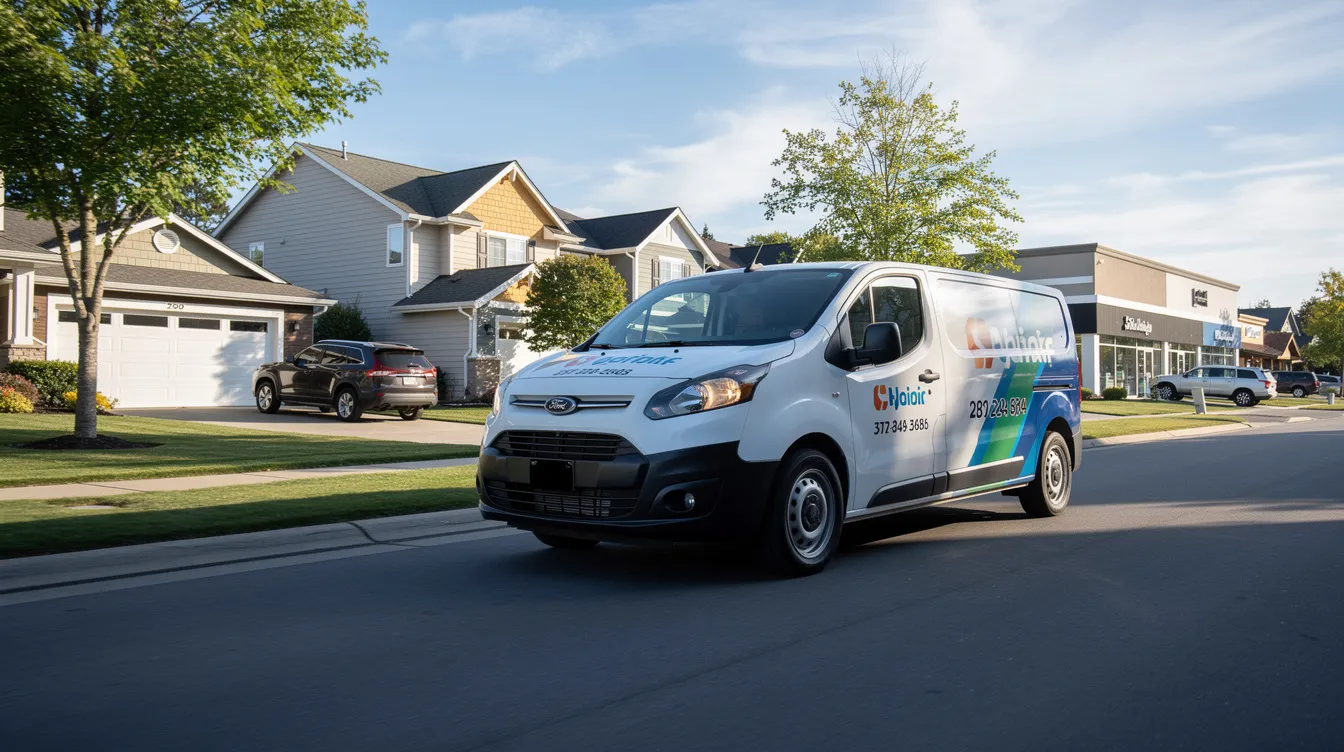
For a CoolVu franchisee, this might look like a set of contiguous zip codes in a metro area covering both residential neighborhoods and commercial corridors. You’d have the sole right to market and install window film, security film, and decorative surfaces under the CoolVu name in that defined area, tapping into the strong demand for window tinting for businesses. But the franchisor may still handle a multi-site corporate client whose properties span adjacent territories. Territory rights can vary between exclusive and protected definitions, so reading the actual contract language is non-negotiable. A protected territory is a risk-management tool, not a substitute for local marketing effort and quality execution.
How Franchise Territories Are Defined in Real Franchise Agreements
No two franchise systems draw territories the same way. The franchise disclosure document FDD and franchise agreement will specify exactly how your franchise territory is mapped, and getting this right has real financial consequences.
Common methods include:
- A radius around the franchisee’s territory center point (e.g., 10–20 miles in suburban markets)
- Clusters of zip codes or postal codes, popular for mobile service businesses like window tinting
- County lines, city limits, or metropolitan statistical area boundaries
- Population or household-based metrics-franchisors often define territories by household numbers, like 100,000 to 150,000 residents per territory
CoolVu approaches territory design with a focus on drive time, population density, and the concentration of both residential housing and commercial buildings, aligning protected territories with its proven franchise business model in a booming industry. A territory can be defined by zip codes or a specific radius, but for a mobile service brand, drive-time mapping often reflects real customer behavior better than a simple circle on a map. Geographic boundaries can influence franchisee market behavior significantly-a river requiring a 30-minute detour makes two zip codes on opposite banks very different from a customer service perspective.
For example, a CoolVu territory in a mid-sized metro might cover several contiguous suburbs separated by major highways, with territorial boundaries following zip code lines and natural barriers. This ensures the franchisee has a viable market with enough residential, commercial, and institutional demand. A well-structured territory can enhance investment security for franchisees by matching opportunity to realistic service capacity.
Protected Territories, Franchisor’s Competitive Activities, and Online Channels
A protected territory doesn’t eliminate all competition within your defined area. Franchise agreements often reserve the franchisor’s right to engage in certain competitive activities even inside a franchisee’s territory. Understanding these carve-outs is essential.
Typical reserved rights include:
- E commerce sales and leads generated through the brand’s national website or e commerce platforms
- National accounts-large commercial clients whose properties cross multiple franchise territories
- Wholesale distribution or product sales through third party retailers, alternative distribution channels, or alternative brands under the franchisor’s ownership
- Operations in non traditional locations like airports, stadiums, or hospitals, and non traditional outlets such as convenience stores or grocery stores
For CoolVu, this means if a national property management company requests window film installations across 12 states, corporate may coordinate that account even if some locations fall within your protected area. Similarly, online sales or leads from the CoolVu website might be routed to the local franchisee-or handled centrally, depending on the franchise agreement. Franchisors may still sell through alternative channels within a protected territory, and franchisors may reserve rights to compete within protected territories through these carve-outs, especially as industries most likely to franchise embrace nontraditional locations and omnichannel sales. Territorial rights impact a franchisee’s market presence and competition more than most candidates initially expect.
Prospective franchisees should read the exact language about the franchisor’s competitive activities in Item 12, ask how online leads and national accounts interact with their territory protection in practice, and understand what happens when the franchisor opens alternative channels. Not all protected territories offer the same level of territorial protection-so due diligence on these clauses is where you protect your significant investments.
How a Protected Territory Supports CoolVu Franchise Owners’ Growth
Territory protection directly shapes your growth potential. A well-defined protected territory can increase a franchise’s long-term resale value because buyers know they’re acquiring a defensible market position, not just a brand license. Territorial rights can significantly impact a franchise’s success by determining how much room you have to build the brand’s presence and realize the key benefits of franchise ownership.
For CoolVu franchise owners, this means:
- Confidence to invest in a local marketing plan-direct mail, HOA presentations, builder partnerships-knowing other franchisees can’t enter the same zip codes
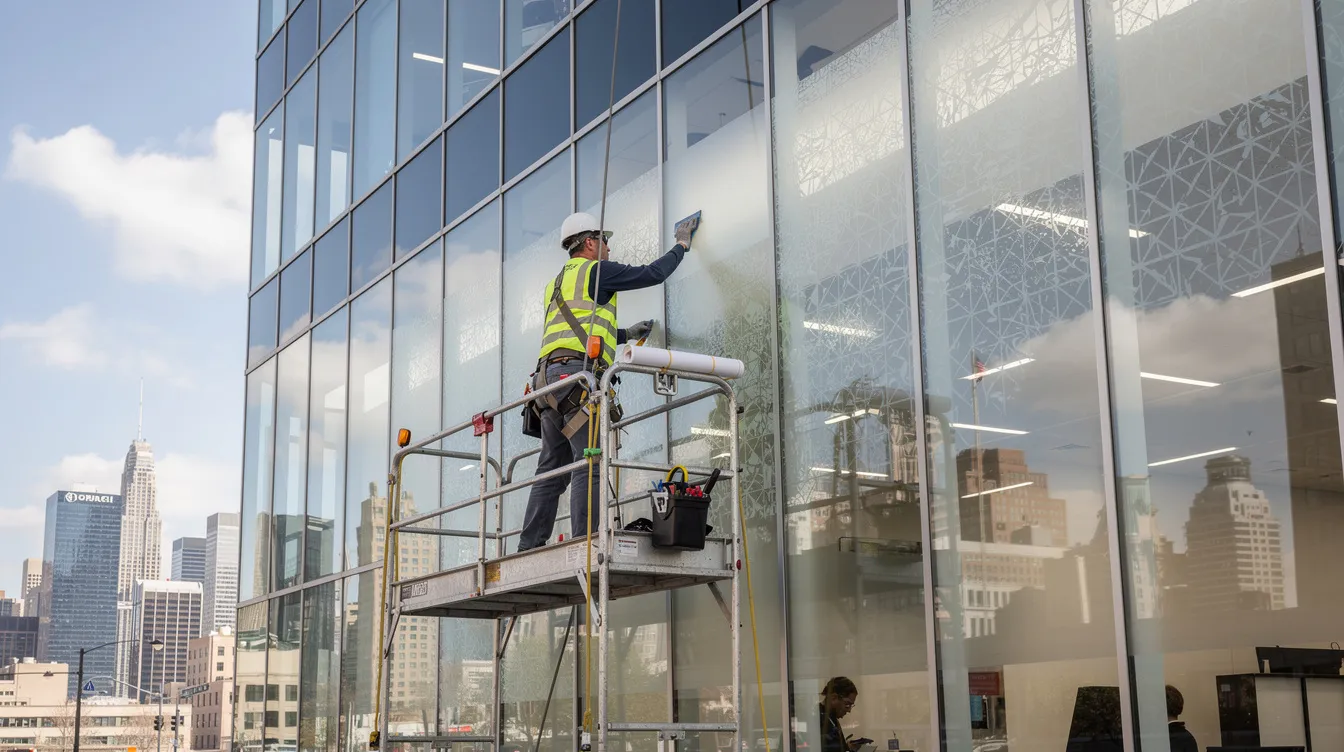
- Ability to layer residential window tinting, commercial energy efficiency projects, and institutional contracts (schools, hospitals, government buildings) to smooth seasonality
- Stronger franchise relationship with the franchisor, since territory protection aligns incentives and reduces intra-brand conflict
- A protected territory allows franchisees to build a loyal customer base without nearby competition from the same brand
A protected territory won’t block competitors from other businesses in the same industry-brands like 3M, Solar Gard, or Glass Doctor can still operate in your area. But it removes the risk of another CoolVu franchise undercutting your market, letting you fully leverage the strength of CoolVu’s franchise team, leadership, mission, and history and understand why CoolVu is one of the best franchises to buy in 2025. High-performing franchisees may also negotiate options for first refusal on adjacent territories, opening a path to multi-unit growth and greater market conditions control, especially in mobile franchise business opportunities where drive times and service capacity define real-world boundaries, or even explore an area developer role overseeing multiple territories.
What to Review in Item 12 and the Franchise Agreement Before You Sign
Before committing to any franchise with protected territory, review every territory-related clause. Franchisees should review Item 12 of the franchise disclosure document for rights and limitations-it’s where territorial rights are outlined in detail, and resources like CoolVu’s franchise dictionary can help you decode key terms around territories and agreements, especially when working through a detailed purchasing a franchise preparation checklist.
Here’s what to look for:
- Exact wording distinguishing exclusive or protected territories from non-exclusive or shared rights
- How the franchise territory is defined-radius, zip codes, population, maps, or county lines
- Whether territorial protection can be reduced if performance targets are missed (franchisors may adjust territories based on performance metrics, and franchisees may face limitations on territorial rights if performance targets are not met)
- Reserved franchisor rights for online sales, national accounts, wholesale distribution, company owned locations, or private labels
- Conditions at renewal and transfer-franchise agreements typically last five to ten years, and territory rights may change at renewal, and many brands also charge a transfer fee when a franchise is sold
Validating territory protection with existing franchisees is recommended, and those conversations should include realistic expectations about franchise owner salary and income potential. Ask current owners how the franchisor handles leads, competitive activities, and boundary disputes in practice, and review independent CoolVu franchise reviews to understand how support and territory protections play out in the real world. Involve a franchise attorney who can interpret subtle language differences-what looks like significant control over your territory in marketing materials may not match the actual contract, and use that insight to evaluate whether buying a franchise is a good idea for your situation. Compare how different franchise systems handle exclusive and protected territories, especially in service industries where the franchisee’s territory is the foundation of the business, and weigh those structures against the broader advantages of purchasing a franchise versus launching independently.
Why Choose a CoolVu Franchise with Protected Territory?
CoolVu stands apart from generic franchise opportunities and big-box competitors in several ways that matter for territory-focused owners, especially if you’re seeking the best home-based franchise opportunity in a space where a window tinting business can be highly profitable and aligns with high-paying franchise careers suited to extroverts:
- Home-based, low-overhead operations with no expensive retail storefront-your territory is served from a mobile setup, aligning with what many investors look for in top service franchises and a scalable home decor franchise focused on window solutions
- Clearly defined protected territories sized for both residential and commercial opportunity, covering a viable market with real growth potential and contributing to milestones like CoolVu’s expansion to 100 franchise territories nationwide, reinforcing its position among the best franchises to own in 2025
- Comprehensive training across window film, security film, decorative graphics, smart glass, and architectural surface finishes, supported by a turnkey launch process when you start a CoolVu window film franchise and tap into expanding custom window opportunities including switchable smart glass film solutions
- Marketing support that respects franchise territory boundaries, including digital campaigns and lead routing, plus access to educational content from the CoolVu franchising blog to sharpen your strategy and compare franchise vs non-franchise paths, all grounded in CoolVu’s origin story and brand values
- In-house financing and ongoing operational support designed to help franchisees hit performance benchmarks, with flexible franchise fee structures and financing options to ease your initial investment and clarify how much it costs to buy a franchise alongside broader guidance on where to get the capital when purchasing a franchise, including how third-party consultants and any related broker fee arrangements work in franchise recruiting
When a franchisor grants a protected area with this level of clarity and operational backing, it reduces the guesswork. CoolVu’s model serves both B2C homeowners and B2B clients-offices, schools, hospitals, government buildings-which enhances resilience across market conditions and helps explain why CoolVu is a top franchise opportunity in 2024 for anyone learning how to start a tinting business and exploring how to get a loan to buy a business to fund their franchise. If you value a defined area, a transparent franchise agreement, and a franchisor whose attention is focused on helping you succeed locally, CoolVu is worth a serious look.
FAQs About Franchise Agreements and Protected Territories
Here are the most common questions prospective owners ask about protected franchise territory and how CoolVu handles territory rights, many of which are also addressed in CoolVu’s broader franchise FAQs, its detailed explanation of earnings claims and financial performance representations, and resources outlining how tools like a franchise portal support day-to-day operations.
Does a protected franchise territory guarantee my CoolVu franchise will succeed?
No. It reduces same-brand competition within your defined geographic area but doesn’t replace the need for strong local marketing, sales effort, and excellent service execution. Territory protection is a foundation, not a finish line, whether you’re evaluating CoolVu as one of the best franchises for minorities, considering it among the top jobs for free-spirited entrepreneurs seeking flexibility, or any other demographic-focused opportunity.
How big is a typical CoolVu protected territory?
Size varies by market. In suburban and metro areas, territories might cover 100,000 to 150,000 residents across several contiguous zip codes. Rural territories may span more square miles for similar population counts. Specific details are in the FDD and franchise agreement, and sizing is designed to support owners pursuing one of the best franchise opportunities for women as well as other investors.
Can CoolVu or another franchisee serve customers inside my territory?
Day-to-day local customers within your territory are yours. However, carve-outs for national accounts, certain customers from online leads, or alternative channels may apply. The franchise agreement spells out how these situations are handled to respect territorial boundaries while allowing the franchisor to sell products or manage multi-site clients, which is one of the top considerations when evaluating a window tinting franchise opportunity like CoolVu or deciding to buy a window tinting business, especially for veterans exploring franchise ownership.
What happens to my protected territory if I don’t meet performance targets?
Some franchise agreements tie continued territory protection to hitting specific revenue or development benchmarks. If targets are missed, the franchisor may reserve the right to reduce your territory or open units nearby. Review these clauses carefully and discuss them with CoolVu’s franchise team, especially as you evaluate the total cost to buy a CoolVu franchise and your revenue goals in the context of what the best franchises to buy are, and how those goals align with SBA loan requirements for buying a business.
Can I buy additional franchise territories around my initial protected area?
Yes, in many cases. High-performing franchisees often have opportunities to secure adjacent territories through rights of first refusal or area development agreements, subject to availability and agreement terms, similar to the growth paths highlighted in franchising examples designed to inspire new owners and broader guides on the best franchises to buy into, which frequently feature franchise opportunities tailored to first responders.
Where in the FDD can I read about CoolVu’s protected territories?
Territory rights are detailed in Item 12 of the FDD, along with any exhibits showing maps, zip code lists, or population data. Review these with a franchise advisor or attorney before signing and pair that with an understanding of the typical costs involved in purchasing a CoolVu franchise, the growth data summarized in Item 20 of the FDD, the contract disclosures in Item 22 of the FDD, and the role of the franchisor in supporting your territory.
Next Steps: Explore CoolVu Franchise Ownership in Your Protected Territory
Understanding how franchise territories work-before you sign anything-is one of the smartest moves you can make as a prospective franchise owner. Whether you’re comparing exclusive or protected territories across multiple brands or zeroing in on CoolVu, the details in Item 12 and the franchise agreement will shape your business for years.
If you want a franchise with protected territory in the window film and architectural finishes space and are ready to learn how to become a franchise owner with CoolVu while exploring the best franchises to buy right now and understanding key FDD concepts like Item 9 franchisee responsibilities, here’s what to do next:
- Request the CoolVu franchise disclosure document to review Item 12 and all territory exhibits
- Schedule a discovery call with the CoolVu franchise development team to discuss territory availability in your city or region and to explore whether buying a franchise is worth it for your goals and how CoolVu serves as a leading example of a business franchise
- Ask specific questions about how online leads, national accounts, and competitive activities are handled within your potential territory, and consider watching CoolVu franchisee testimonials and reviews to hear how existing owners experience territory protections and support while you explore related opportunities like an interior design franchise focused on window solutions
Contact CoolVu today to check territory availability in your area and start your due diligence with confidence.